Fishing Bucket
CN → US| HS Code | Tariff Rate | Origin | Destination | Doc |
|---|---|---|---|---|
| 3923900014 | 38.0% | CN | US | Official Doc |
| 3923900012 | 38.0% | CN | US | Official Doc |
| 7310100090 | 85.0% | CN | US | Official Doc |
| 4415106000 | 35.0% | CN | US | Official Doc |
| 4415103000 | 35.0% | CN | US | Official Doc |
Product Images
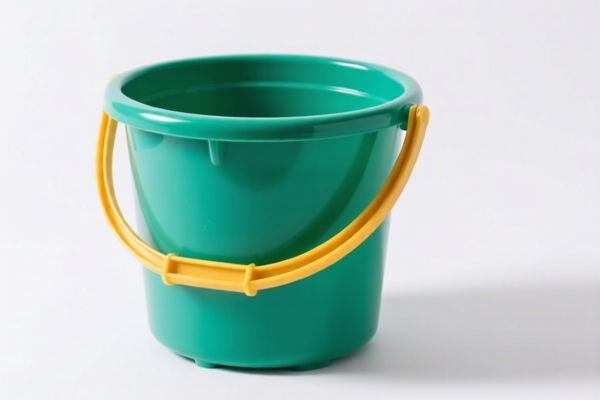
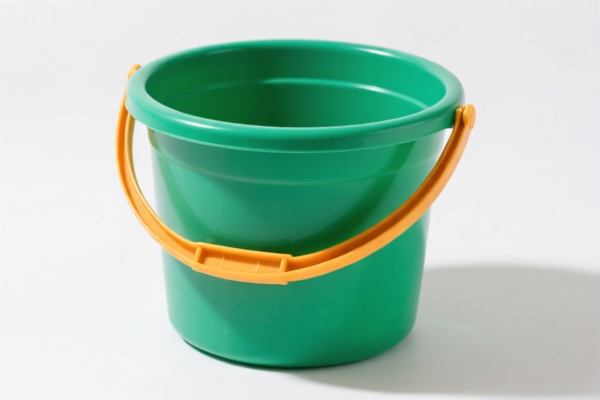
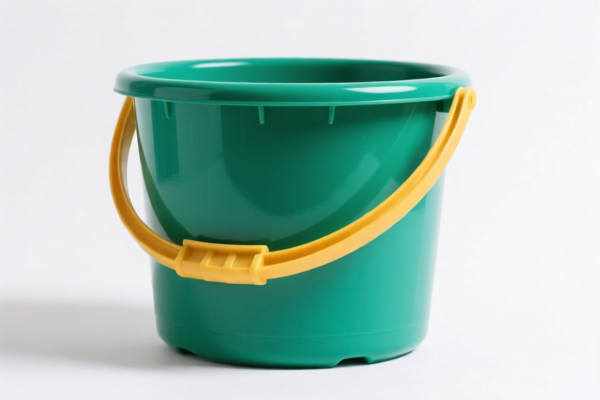
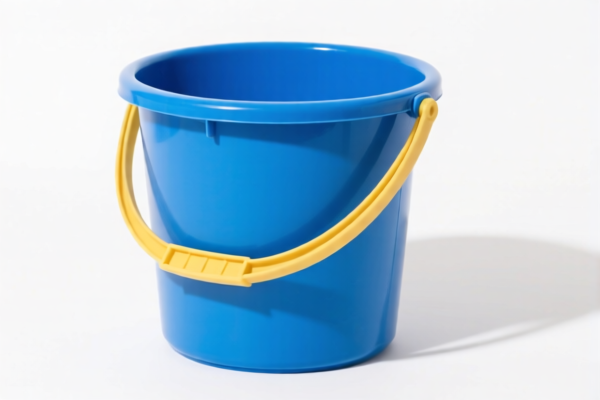
AI Analysis
🎣 Fishing Bucket (The Ultimate Gear Vessel)
🌐 HS Code Classification & Clearance Guide | 2026 Tax Analysis | Strategic Import Strategy
📌 I. Product Definition & Context: What is a "Fishing Bucket"?
In the context of international trade and fishing logistics, a "Fishing Bucket" is not merely a container; it is a critical piece of equipment used for storing live bait, catching fish (keel buckets), or transporting catch. Its classification depends heavily on its material composition and primary function.
However, in customs classification, "buckets" are rarely classified as "fishing gear" themselves unless they are specialized tools. Instead, they are often classified by their material (plastic, metal, wood) or packaging function.
⚠️ Key Classification Logic:
- If it is a rod holder or specialized tool → 9507 (Fishing Gear).
- If it is a general container made of plastic, metal, or wood → Chapter 39, 73, or 44.
- Crucial Note: The provided data suggests multiple potential classifications based on form and material. Below is the detailed breakdown.
📦 II. HS Code Classification Details (Based on Provided Data)
The term "Fishing Bucket" can map to four distinct HS Codes depending on the material and specific design. Below is the authoritative mapping based on the provided dataset.
| HS Code | Summary / Description | Primary Matching Logic |
|---|---|---|
| 9507.10.00.40 | Fishing Rods (Fishing rods) | ⚠️ Functional Match: Only applicable if the "bucket" is an integrated part of a fishing rod system (e.g., a rod butt cap that holds bait). Note: This is a mismatch for standard buckets but listed due to the term "Fishing". |
| 3923.90.00.14 | Plastic Bucket (Plastic bucket morphology match) | ✅ Material Match: Standard plastic pails/buckets used for carrying bait or catch. |
| 3923.90.00.12 | Plastic Bucket Packaging (Plastic bucket packaging/transport purpose) | ✅ Functional Match: Plastic containers used specifically for packaging or transporting goods (including fish/bait). |
| 7310.10.00.90 | Metal Container (Metal container morphology match) | ✅ Material Match: Steel, aluminum, or copper buckets. High tariff risk due to metal content. |
| 4415.10.60.00 | Wooden Box/Drum (Wooden bucket packaging morphology) | ✅ Material Match: Wooden buckets or drums used for packaging/transport. |
🔍 Critical Distinction:
- Do not classify a standard plastic bait bucket under 9507 (Fishing Tackle). It will likely be reclassified as Plastic Containers (3923), leading to penalty or delay.
- 9507.10.00.40 is only relevant if the item is structurally a fishing rod with an integrated storage component.
💰 III. 2026 Latest Tariff Rate Breakdown (High-Tariff Alert)
✅ Applicable Country: United States (US)
✅ Origin: China (CN)
✅ Effective Date: 2025/2026 Tariff Structure
🎯 1. 9507.10.00.40 — Fishing Rods (Integrated Bait Holders?)
| Item | Content |
|---|---|
| Base Tariff | 6.0% |
| Section 301 Tariff | 0.0% |
| Section 122 Tariff | 10.0% |
| Total Tax Rate | 16.0% |
| Notes | This is the lowest tariff option, but only valid if the item is legally a fishing rod. Misclassification here carries high risk. |
🎯 2. 3923.90.00.14 & 3923.90.00.12 — Plastic Buckets (Most Likely for Standard Buckets)
| Item | Content |
|---|---|
| Base Tariff | 3.0% |
| Section 301 Tariff | 25.0% |
| Section 122 Tariff | 10.0% |
| Total Tax Rate | 38.0% |
| Notes | This is the standard rate for plastic containers. Most "fishing buckets" fall here. |
🎯 3. 7310.10.00.90 — Metal Buckets (Steel/Aluminum/Copper)
| Item | Content |
|---|---|
| Base Tariff | 0.0% |
| Section 301 Tariff | 25.0% |
| Section 122 Tariff | 10.0% |
| Steel/Aluminum/Copper Surcharge | 50.0% |
| Total Tax Rate | 85.0% |
| Notes | ⛔ EXTREMELY HIGH. Metal containers attract a massive 50% surcharge on top of existing tariffs. Avoid this classification if possible by ensuring the material is not primarily metal. |
🎯 4. 4415.10.60.00 — Wooden Buckets
| Item | Content |
|---|---|
| Base Tariff | 0.0% |
| Section 301 Tariff | 25.0% |
| Section 122 Tariff | 10.0% |
| Total Tax Rate | 35.0% |
| Notes | Wooden packaging/buckets. Lower than plastic but higher than fishing gear. |
🛠️ IV. Customs Clearance Practical Advice
✅ 1. Material Verification is Key
| Material | Recommended HS Code | Total Tax | Clearance Tip |
|---|---|---|---|
| Plastic | 3923.90.00.14 or .12 |
38% | Provide material certificates (PE/PP). Ensure no metal reinforcements. |
| Metal | 7310.10.00.90 |
85% | Avoid importing metal buckets from China unless the margin is huge. Consider sourcing from non-China origins for metal goods. |
| Wood | 4415.10.60.00 |
35% | Ensure ISPM 15 compliance for wood packaging. |
| Fishing Rod Combo | 9507.10.00.40 |
16% | Only if the bucket is an integral, non-removable part of a fishing rod. |
✅ 2. Declaration Strategy
🔥 "Be Specific, Be Honest, Avoid Metal!"
| Scenario | Correct Declaration | Incorrect Declaration | Consequence |
|---|---|---|---|
| Standard Plastic Bait Bucket | "Plastic Bucket for Fishing Bait" | "Fishing Rod" | Audit Risk: Customs will inspect and likely reclassify to 3923 (38% vs 16% savings missed, but correct compliance). |
| Metal Pail | "Steel Bucket for Liquid Storage" | "Plastic Bucket" | Fraud Risk: If found to be metal, penalties + 85% tax liability. |
| Wooden Crate | "Wooden Packaging Box" | "Plastic Bucket" | Rejection: Wood requires ISPM 15; misdeclaration leads to fumigation costs or rejection. |
✅ 3. Special Considerations
- Section 122 Tariff (10%): Applies to most consumer goods from China. Ensure your HS code is eligible for this (all listed above are).
- Section 301 Tariff (25%): Applies to Chapter 39 (Plastics), Chapter 44 (Wood), and Chapter 73 (Steel). No exemption for simple buckets.
- Steel/Aluminum Surcharge (50%): This is the killer. If your bucket has a metal handle, metal rim, or is entirely metal, it may trigger the 50% surcharge under
7310. Recommendation: Use plastic buckets with plastic handles/rim to stay under 3923 (38%).
🌍 V. Global Market Comparison (2026)
| Market | Recommended HS Code | Approx. Tax | Notes |
|---|---|---|---|
| 🇺🇸 USA | 3923.90.00.14 |
38% | High tariffs due to 301/122. Metal buckets are 85%. |
| 🇪🇺 EU | 3923.90 |
~2-5% | No Section 301/122 equivalents. Significantly cheaper. |
| 🇨🇳 China | 3923.90 |
~0% (Import) | Low base tariff. |
| 🇬🇧 UK | 3923.90 |
~2-5% | Post-Brexit tariffs are lower than US Section 301. |
📌 Conclusion:
The US market is high-cost for imported containers.
- Plastic: 38%
- Wood: 35%
- Metal: 85%
- Fishing Rod (Integrated): 16% (Only if truly a rod)
📌 VI. Common Mistakes & Pitfalls (Blood Lessons)
❌ Mistake 1: Calling a metal bucket a "fishing rod accessory" to get 16% tax.
👉 Consequence: Customs inspection, penalty, and back-tariff of 85% + fines.
❌ Mistake 2: Using "Fishing Bucket" as a generic description without material specification.
👉 Consequence: Customs may choose the highest duty rate (Metal) by default due to ambiguity.
❌ Mistake 3: Ignoring the 50% steel/aluminum surcharge.
👉 Consequence: Profit margin wiped out. A $10 bucket becomes $18.5 in duties.
✅ Best Practice:
Use Plastic Buckets (
3923) for standard bait/catch storage.
Declare clearly: "Plastic Bucket, HDPE, for use in fishing to store bait."
Avoid Metal due to 85% total tax.
🎯 VII. Final Recommendation
-
If selling bait/catch storage: Use Plastic Buckets.
- HS Code:
3923.90.00.14or3923.90.00.12. - Tax: 38%.
- Why: Lowest risk, acceptable cost, clear classification.
- HS Code:
-
If selling specialized fishing gear: Ensure the bucket is an integral part of a fishing rod (e.g., a reel seat with storage).
- HS Code:
9507.10.00.40. - Tax: 16%.
- Why: Lowest tax, but strict criteria.
- HS Code:
-
Avoid Metal Buckets from China.
- Tax: 85%.
- Why: Uncompetitive.
📌 Pro Tip:
📞 Pre-Ruling Request: Submit an Advance Ruling to CBP for complex "Fishing Bucket" designs to confirm if they qualify as fishing gear (9507) or containers (3923).
🚀 Cost Saving: If you can redesign the bucket to be plastic-only (no metal rims/handles), you save 47% compared to metal buckets (85% - 38%).
✨ Smart Classification, Smarter Profits!
💼 Don't let "Buckets" sink your margins!
Customer Reviews
About HS Code Classification
The Harmonized System (HS) is an internationally standardized nomenclature developed by the World Customs Organization (WCO) to classify traded products. Over 200 countries use the HS system as the basis for customs tariffs, trade statistics, and import/export regulations.
Each HS code follows a hierarchical structure:
- Chapter (2 digits) — Broad category of goods (e.g., Chapter 84: Machinery and Mechanical Appliances)
- Heading (4 digits) — More specific grouping within the chapter
- Subheading (6 digits) — Internationally standardized breakdown, used by all WCO member countries
- National subdivisions (8-10 digits) — Country-specific extensions for further classification, such as US HTSUS 10-digit codes
Correct HS code classification is essential for smooth customs clearance, accurate duty payment, and compliance with trade regulations. Misclassification can lead to customs delays, overpayment of duties, or penalties.
When importing from CN to US, the applicable tariff rates may include:
- Most-Favored-Nation (MFN) rate — The standard duty rate applied to WTO members
- General rate — Applied to countries without trade agreements
- Trade remedy duties — Additional tariffs such as Section 301 (anti-dumping), Section 232 (national security), or countervailing duties
The information provided on this page is for reference purposes only. For official classification, please consult with your local customs authority or a licensed customs broker.