Fishing Line
CN → US| HS Code | Tariff Rate | Origin | Destination | Doc |
|---|---|---|---|---|
| 5607491500 | 42.0% | CN | US | Official Doc |
| 9507902000 | 21.2% | CN | US | Official Doc |
| 5404191000 | 37.7% | CN | US | Official Doc |
| 5404198080 | 41.9% | CN | US | Official Doc |
| 5607491000 | 37.7% | CN | US | Official Doc |
Product Images
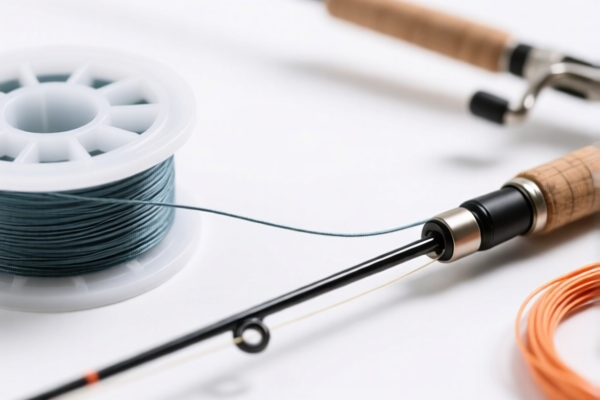
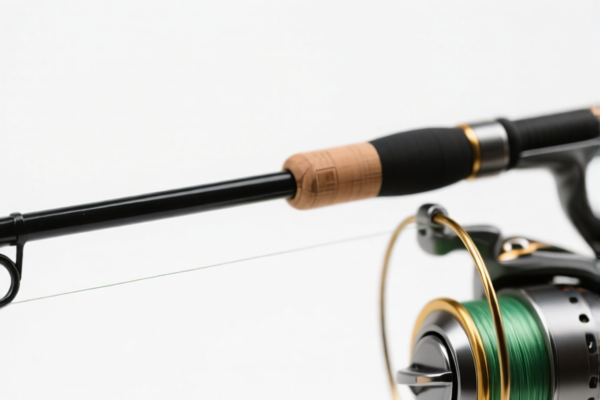
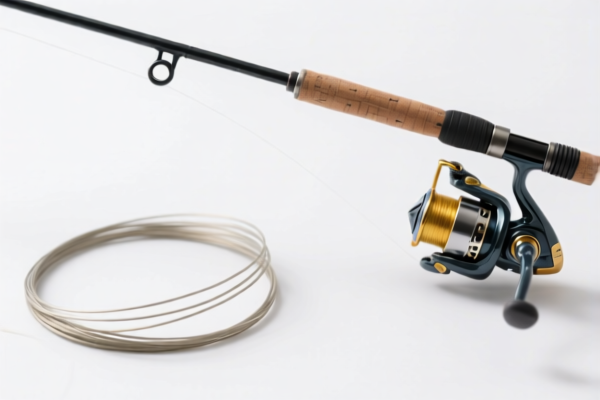

AI Analysis
🎣 Fishing Line (Fishing Tackle & Accessories)
🌐 HS Code Reference & Customs Clearance Guide | 2026 Latest Tariff Analysis | Professional Customs Strategy 📌 Part I: Product Definition and Classification: What Exactly is "Fishing Line"?
Fishing line is the core component of angling equipment, connecting the lure/bait to the fishing rod. In international trade, its classification is highly sensitive due to material variations (Nylon, Polyethylene, Polyester) and form factors (Monofilament, Braided/Stranded, or Synthetic Rope).
The data provided below highlights five potential HS Codes based on different material and structural interpretations. Crucially, the tariff burden varies significantly (from 21.2% to 42.0%) depending on how the line is characterized: as a "Line/Cord" (Ch. 56) or as "Synthetic Filament" (Ch. 54/95).
⚠️ Key Distinction Point: - If considered a finished fishing accessory/tackle → Potential Code: 9507.90.20.00 - If considered Synthetic Single Filament (Monofilament Nylon/Polyester) → Potential Codes: 5404.19.10.00 / 5404.19.80.80 - If considered Synthetic Stranded Rope/Cord (Braided lines like PE/Spectra) → Potential Codes: 5607.49.15.00 / 5607.49.10.00
📦 Part II: HS Code Classification Details (2026 Latest Tariff Authority Comparison)
Based on the provided dataset, here are the five possible classifications. Note that while the total tax differs, the components (Base + Section 301 + IEEPA) remain consistent in structure but vary in base rates.
| HS Code | Product Description | Material/Form Interpretation | Total Tax Rate |
|---|---|---|---|
9507.90.20.00 |
Fishing Tackle (Line as a Fishing Accessory) | Classified under "Other Fishing Tackle". Recognizes the functional end-use. | 21.2% |
5607.49.15.00 |
Synthetic Ropes/Cords (Braided/Stranded) | Interpreted as "Rope/Cord" made of PE/PP/Synthetic fibers. Often applies to braided lines. | 42.0% |
5404.19.10.00 |
Synthetic Monofilament (Nylon/Polyester) | Classified as "Single Filament" of synthetic material. High base duty. | 37.7% |
5607.49.10.00 |
Synthetic Ropes/Cords (Fallback/General) | General "Rope/Cable" category for PE/PP/Nylon. Fallback classification. | 37.7% |
5404.19.80.80 |
Other Synthetic Monofilament | "Other" category for synthetic single filaments. Higher base duty than 5404.19.10. | 41.9% |
🔍 Critical Insight: - Lowest Tax Scenario: Code
9507.90.20.00offers the lowest total rate (21.2%) because its Base Duty is very low (3.7%). - Highest Tax Scenario: Code5607.49.15.00carries the highest total rate (42.0%) due to a higher Base Duty (7.0%). - Why the Difference? US Customs (CBP) may view fishing line either as a chemical product/fiber (Ch. 54/56) or as a sports accessory (Ch. 95). The Ch. 95 classification is often more favorable if the product is finished and ready for use.
💰 Part III: 2026 Latest Tariff Rate Breakdown (Including Surcharge Policies)
✅ Applicable Country: United States (US) ✅ Country of Origin: China (CN) ✅ Effective Date: Post-November 2025 (Current Regulatory Environment)
All five codes share the same Additional Tariff Structure for Chinese origin goods: 1. Section 301 (USITC): +7.5% to +25% (Depends on specific HTS subheading) 2. IEEPA (Section 122): +10% (Specific to the Chinese-origin goods in this dataset)
🎯 1. 9507.90.20.00 —— Best Case: Fishing Tackle (Lowest Cost)
| Item | Content |
|---|---|
| Base Duty Rate | 3.7% |
| USITC Surcharge (Sec 301) | +7.5% |
| IEEPA Surcharge | +10% |
| Total Effective Rate | 21.2% |
| Tax Calculation | CIF Value × 21.2% |
| De Minimis Eligibility | ❌ No (Denied under Sec 301/IEEPA for China) |
| Legal Basis Path | IEEPA:9903.01.24 → USITC:9507.90.20.00 → FOOTNOTE:7.5% |
📌 Explanation: - This is the most favorable classification among the options provided. - The Base Duty is minimal because it is viewed as a manufactured sports good, not raw material. - Recommendation: If the line is pre-cut, spooled, and ready for sale, argue for this classification as "Fishing Tackle."
🎯 2. 5607.49.15.00 —— High Cost: Synthetic Rope/Cord
| Item | Content |
|---|---|
| Base Duty Rate | 7.0% |
| USITC Surcharge (Sec 301) | +25.0% |
| IEEPA Surcharge | +10% |
| Total Effective Rate | 42.0% |
| Tax Calculation | CIF Value × 42.0% |
| De Minimis Eligibility | ❌ No |
| Legal Basis Path | IEEPA:9903.01.24 → USITC:5607.49.15.00 → FOOTNOTE:25% |
📌 Explanation: - This classification treats the line as industrial rope/cord (e.g., braided PE line). - The 25% Sec 301 tariff is applied here, which is the maximum standard rate for many textiles/ropes. - Risk: High cost impact. Avoid if possible unless the product is clearly a bulk industrial rope.
🎯 3. 5404.19.10.00 & 5404.19.80.80 —— Medium-High Cost: Synthetic Monofilament
| HS Code | Base Duty | USITC (301) | IEEPA | Total Rate |
|---|---|---|---|---|
5404.19.10.00 |
2.7% | +25.0% | +10% | 37.7% |
5404.19.80.80 |
6.9% | +25.0% | +10% | 41.9% |
5607.49.10.00 |
2.7% | +25.0% | +10% | 37.7% |
📌 Explanation: - These codes classify fishing line as chemical fibers/synthetic monofilaments. - The 25% Sec 301 tariff applies, leading to high total duties. - Difference:
5404.19.10.00has a lower base duty (2.7%) than5404.19.80.80(6.9%). - Usage: Typically used for Monofilament lines (single strand nylon).
🛠️ Part IV: Customs Clearance Practical Advice (Battle-Tested Pitfall Avoidance)
✅ 1. Documentation Checklist (Non-Negotiable)
| Document | Required? | Purpose |
|---|---|---|
| ✅ Product Specification Sheet | ✔️ | Must detail: Material (Nylon/PE/Polyester), Diameter, Breaking Strength, Length, Form (Monofilament vs. Braided). |
| ✅ Commercial Invoice | ✔️ | Description must be precise. Avoid generic "Fishing Line" if possible; use "Nylon Monofilament Fishing Line" or "Braided PE Fishing Line." |
| ✅ Origin Certificate (CO) | ✔️ | To confirm CN origin (triggers 301/IEEPA) or prove non-CN if applicable. |
| ✅ Packing List | ✔️ | Shows weight/volume for duty calculation. |
| ✅ Photos of Product | ✔️ | Essential to prove it is finished tackle (on spools) vs. raw filament. |
✅ 2. Declaration Strategy (Key Mantra)
🔥 “Function Defines Class! Tackle is Cheaper than Rope!”
| Scenario | Correct HS Code Strategy | Incorrect Action |
|---|---|---|
| Finished Fishing Line (On spools, for angling) | Aim for 9507.90.20.00 (21.2%) |
Classifying as "Rope" (5607) → 42.0% |
| Bulk Synthetic Filament (Raw, not for direct fishing) | Use 5404.19 series (37.7-41.9%) |
Claiming as "Tackle" → Misdeclaration Risk |
| Braided Line (PE/Spectra) | Could be 5607.49.15.00 OR 9507.90.20.00 |
Choosing 5607 unintentionally → Higher Tax |
| Monofilament Line (Nylon) | Could be 5404.19.10.00 OR 9507.90.20.00 |
Choosing 5404.19.80.80 → Higher Tax |
📌 Critical Advice: - Argument for Ch. 95: Argue that the product is a "complete article" designed for a specific use (fishing), not a raw material. CBP often accepts finished fishing lines as 9507. - Risk of Ch. 95: CBP may challenge this if the line is generic and sold by weight/volume rather than unit/spool. Ensure proper marketing materials support the "Tackle" narrative.
✅ 3. Special Case Handling
| Situation | Handling Suggestion |
|---|---|
| Mixed Bundles (Line + Reel) | Declare separately. Do not bundle if possible. Reels may have different HTS codes. |
| OEM Custom Line | Provide end-use statement from the customer confirming it is for recreational fishing. |
| Braided vs. Mono | Braided lines are more likely to be classified as Rope (Ch. 56) due to their twisted structure. Monofilament is more likely to be Filament (Ch. 54) or Tackle (Ch. 95). |
🌍 Part V: Global Market Clearance Comparison (2026)
| Country/Region | Recommended HS Code | Est. Duty (China Origin) | Certification Required | Notes |
|---|---|---|---|---|
| 🇺🇸 USA | 9507.90.20.00 |
21.2% (Best Case) | None specific | High risk of reclassification to Ch 54/56 (+25% Sec 301). |
| 🇨🇳 China (Import) | 5607.49.10.00 |
7.0% (Base) | CCC (if applicable) | Base duty is low; no heavy US-style surcharges. |
| 🇪🇺 EU | 5607.49.90 |
6.5% - 12% | CE (if labeled) | No massive "Sec 301" equivalent, but higher base duties than US Ch 95. |
| 🇬🇧 UK | 5607.49.90 |
6.5% | UKCA | Post-Brexit tariffs apply. |
📌 Conclusion: - USA is the most complex market due to the aggressive Section 301 (25%) and IEEPA (10%) tariffs. - The difference between 21.2% and 42.0% is $20,000 on a $100,000 shipment. - Strategy: Always try to classify as 9507.90.20.00 (Fishing Tackle) to save ~16-20% in duties.
📌 Part VI: Common Errors & Pitfall Avoidance (Lessons Learned)
❌ Error 1: Classifying finished fishing line as "Rope" (5607.49.15.00)
👉 Consequence: Tax jumps to 42.0% from 21.2%. Loss of profit margin!
❌ Error 2: Using generic description "Fishing Line" on Invoice 👉 Consequence: CBP may default to the highest duty classification or demand a ruling.
❌ Error 3: Ignoring Material Differences 👉 Consequence: Monofilament (Nylon) vs. Braided (PE) have different structural classifications. Misclassification leads to audit flags.
✅ Correct Practice:
"Fishing Line, Nylon Monofilament, 10lb Test, 300 Yards per Spool, for Recreational Fishing"
🎯 Part VII: Conclusion: Precise Classification Saves Money!
🎯 Remember the Mantra:
🔹 "Finished Tackle = Ch 95 = Cheaper" 🔹 "Raw Material/Rope = Ch 54/56 = Expensive" 🔹 "Check the Section 301 Footnote: 25% is the Killer!"
📌 Pro Tip: If your fishing line is originated from Vietnam, Thailand, or Malaysia, you may be exempt from Section 301 tariffs. Consult a trade lawyer to verify Substantial Transformation rules.
📣 Immediate Action:
📞 Contact a Customs Broker + Provide Product Photos + Request Pre-Ruling for 9507.90.20.00 🚀 Ensure your fishing line clears customs efficiently, minimizes tax, and maximizes profit!
✨ Professional Clearance Starts with Accurate Classification! 💼 Every Percent Saved is Pure Profit!
Customer Reviews
About HS Code Classification
The Harmonized System (HS) is an internationally standardized nomenclature developed by the World Customs Organization (WCO) to classify traded products. Over 200 countries use the HS system as the basis for customs tariffs, trade statistics, and import/export regulations.
Each HS code follows a hierarchical structure:
- Chapter (2 digits) — Broad category of goods (e.g., Chapter 84: Machinery and Mechanical Appliances)
- Heading (4 digits) — More specific grouping within the chapter
- Subheading (6 digits) — Internationally standardized breakdown, used by all WCO member countries
- National subdivisions (8-10 digits) — Country-specific extensions for further classification, such as US HTSUS 10-digit codes
Correct HS code classification is essential for smooth customs clearance, accurate duty payment, and compliance with trade regulations. Misclassification can lead to customs delays, overpayment of duties, or penalties.
When importing from CN to US, the applicable tariff rates may include:
- Most-Favored-Nation (MFN) rate — The standard duty rate applied to WTO members
- General rate — Applied to countries without trade agreements
- Trade remedy duties — Additional tariffs such as Section 301 (anti-dumping), Section 232 (national security), or countervailing duties
The information provided on this page is for reference purposes only. For official classification, please consult with your local customs authority or a licensed customs broker.