Fishing Net
CN → US| HS Code | Tariff Rate | Origin | Destination | Doc |
|---|---|---|---|---|
| 9507906000 | 65.0% | CN | US | Official Doc |
| 5608110090 | 43.0% | CN | US | Official Doc |
| 5608110010 | 43.0% | CN | US | Official Doc |
Product Images
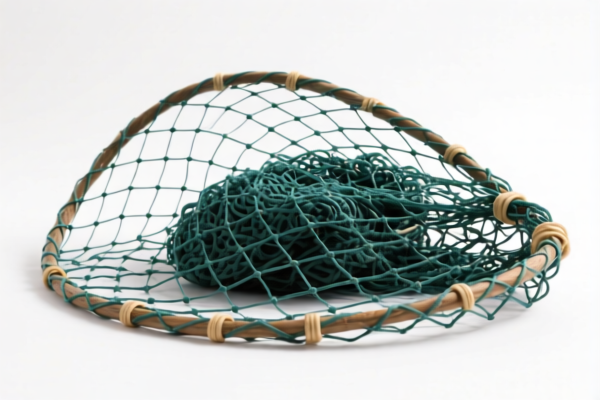
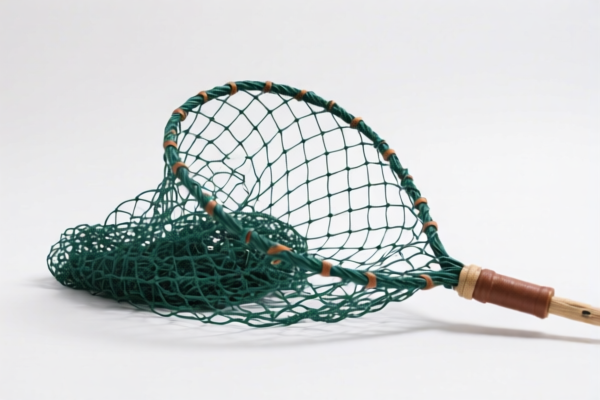
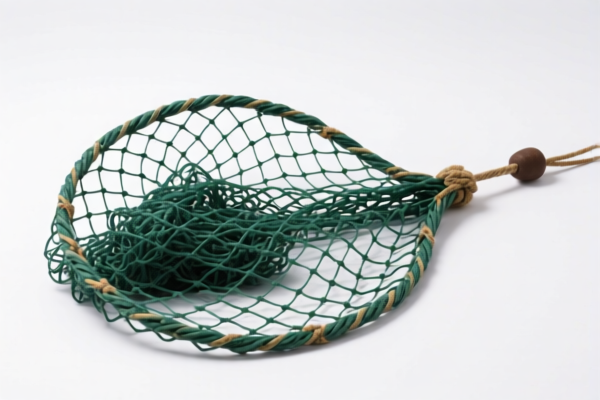

AI Analysis
🎣 Fishing Nets (渔网)
🌐 HS Code Reference & Customs Clearance Guide | 2026 Latest Tariff Analysis | Professional Strategy
📌 1. Product Definition & Classification: Do You Really Understand "Fishing Nets"?
Fishing nets are essential gear for the fishing industry, categorized primarily by their material composition and intended use. In international trade, classification hinges on whether the net is made from natural/imitation textile materials or if it falls under specific "similar articles" categories. Misclassification can lead to significant tariff differences due to current trade policies (Section 301 & Section 232).
⚠️ Key Classification Points: - Textile-Based Nets: If made from synthetic fibers (nylon, polypropylene, etc.), they are typically classified under Chapter 56 (Textile articles). This is the most common classification. - Non-Textile/Specialized Nets: If the net is made of other materials or considered a "similar article" not specified elsewhere, it may fall under Chapter 95 (Toys/Sports/Other). - Material Conflict Check: Ensure no conflicting materials (e.g., metal reinforcement that dominates) override the textile classification.
📦 2. HS Code Classification Details (2026 Latest Tariff Authority Comparison)
Based on the provided data, here are the two primary classification paths for fishing nets:
| HS Code | Product Description | Basis for Classification | Material/Use Match |
|---|---|---|---|
5608.11.00.10 |
Fishing nets of textile materials | Textile materials, matching usage | ✅ Matches basic attributes & usage |
5608.11.00.90 |
Fishing nets of artificial synthetic fiber | Artificial textile materials, no material conflict | ✅ Usage matches, no material conflict |
9507.90.60.00 |
Similar fishing articles (nets) | Classified as "similar articles" for fishing | ✅ Usage matches, no material conflict |
🔍 Critical Distinction: - Chapters 56 Codes (
5608...): These are the standard classifications for nets made of man-made or textile materials. They are subject to Section 301 (122 Clause) tariffs. - Chapter 95 Code (9507...): This is a residual or specific category for "similar articles." Note that this code attracts Section 232 (122 Clause) tariffs on steel, aluminum, and copper products in addition to Section 301, resulting in a significantly higher total tax burden.
💰 3. 2026 Latest Tariff Rate Details (Including Surcharges & Policy Add-ons)
✅ Applicable Country: USA
✅ Origin: China (CN)
✅ Effective Time: Current Trade Policy (Section 301 & 232)
🎯 1. 5608.11.00.10 —— Fishing Nets of Textile Materials
| Item | Content |
|---|---|
| Base Duty Rate | 8.0% |
| Section 301 Surcharge | +25% |
| 122 Clause Tariff | +10% (Section 301 Additional) |
| Total Tax Rate | 43.0% |
| Tax Calculation | CIF Value × 43% |
| Legal Basis | Section 301 applies to textile/fiber products. |
📌 Explanation: - This is the standard textile classification. - The 43% total rate includes the base MFN rate (8%) plus the heavy Section 301 penalties (25% + 10%). - No Section 232 steel/aluminum/copper tariffs apply here as the material is textile, not metal.
🎯 2. 5608.11.00.90 —— Fishing Nets of Artificial Synthetic Fibers
| Item | Content |
|---|---|
| Base Duty Rate | 8.0% |
| Section 301 Surcharge | +25% |
| 122 Clause Tariff | +10% (Section 301 Additional) |
| Total Tax Rate | 43.0% |
| Tax Calculation | CIF Value × 43% |
| Legal Basis | Same as above; specific to synthetic fibers. |
📌 Note: - Identical tax treatment to
5608.11.00.10. - Suitable for nets made from nylon, polyester, polyethylene, etc. - Both Chapter 56 codes are highly competitive in cost compared to Chapter 95.
🎯 3. 9507.90.60.00 —— Similar Fishing Articles (Nets)
| Item | Content |
|---|---|
| Base Duty Rate | 5.0% |
| Section 301 Surcharge | +25% |
| 122 Clause Tariff (Steel/Al/Cu) | +50% |
| Total Tax Rate | 65.0% |
| Tax Calculation | CIF Value × 65% |
| Legal Basis | Section 301 + Section 232 (Iron & Steel/Aluminum) |
📌 Warning: - This code attracts the highest total tax rate (65%). - The 50% surcharge is specifically linked to Section 232 tariffs on steel, aluminum, and copper products. Even if the net is textile, if it is classified under this code, it may be subject to these harsh metal tariffs depending on how the customs officer interprets "similar articles" or if metal components are deemed dominant. - Avoid this code unless absolutely necessary, as it increases costs by 22 percentage points compared to Chapter 56 codes.
🛠️ 4. Customs Clearance Practical Advice (Pitfall Avoidance Guide)
✅ 1. Preparation Checklist (Must-Haves)
| Material | Required | Explanation |
|---|---|---|
| ✅ Product Specification Sheet | ✔️ | Must detail material composition (e.g., 100% Polypropylene), mesh size, and strength. |
| ✅ Material Composition Proof | ✔️ | Crucial for distinguishing between 5608.11.00.10/90 (Textile) and 9507.90.60.00. |
| ✅ Product Photos | ✔️ | Clear images of the net, including labels showing fiber type. |
| ✅ Commercial Invoice | ✔️ | Must accurately describe goods as "Fishing Net" and specify material. |
| ✅ Packing List | ✔️ | Detail weight and volume. |
✅ 2. Declaration Tips (Key Mantra)
🔥 “Textile First, Avoid Metal Tariffs, Be Precise!”
| Situation | Correct Declaration | Wrong Practice |
|---|---|---|
| Standard Synthetic Net (Nylon/Poly) | 5608.11.00.10 or 5608.11.00.90 |
Misdeclaring as 9507.90.60.00 → Saves 22% in taxes! |
| Net with Metal Floats/Weights | Still 5608... if textile dominates |
If metal components are primary → Risk of 9507... or metal tariffs |
| Net Made of Metal Wire | 9507.90.60.00 (Likely) |
Declaring as textile → Customs seizure/fines |
✅ 3. Special Circumstances Handling
| Situation | Handling Advice |
|---|---|
| OEM Custom Nets | Provide design specs to prove material composition. Ensure labels match HS code description. |
| Mixed Material Nets | If >50% textile by weight/value → Stick to Chapter 56. Avoid Chapter 95 to save on Section 232 tariffs. |
| Net with Plastic Coating | Still classified as textile (5608...) if the base fiber is textile. |
| Small Mesh vs. Large Mesh | Both fall under 5608.11, but ensure the description is precise to avoid misclassification into other fishing gear codes. |
🌍 5. Global Main Market Clearance Comparison (2026 Latest)
| Country/Region | Recommended HS Code | Tariff (China Origin) | Certification Requirements | Notes |
|---|---|---|---|---|
| 🇺🇸 USA | 5608.11.00.10/90 |
43% | No specific tech certs for nets | High Tariff due to Section 301. Avoid 9507.90.60.00 (65%). |
| 🇨🇳 China | 5608.11.00.10 |
8% | None | Base rate only. |
| 🇪🇺 EU | 5608.11.00 |
0% (Most) | CE (if applicable) | Low/No tariffs for fishing nets. |
| 🇦🇺 Australia | 5608.11.00 |
5% | None | Preferential rates may apply under ChAFTA. |
| 🇯🇵 Japan | 5608.11.00 |
0% | None | Free trade agreement benefits often apply. |
📌 Conclusion: - USA is the most challenging market due to 43-65% tariffs. - Chapter 56 (
5608...) is the optimal classification for textile-based fishing nets, avoiding the punitive Section 232 steel/aluminum tariffs associated with9507.90.60.00. - Always prioritize material accuracy to stay within Chapter 56.
📌 6. Common Errors & Pitfall Guide (Lessons Learned)
❌ Error 1: Classifying textile nets as 9507.90.60.00
👉 Consequence: 43% → 65% tariff increase. Unnecessary cost spike!
❌ Error 2: Declaring "Fishing Gear" generally without specifying material
👉 Consequence: Customs may assign a conservative code (like 9507) or delay clearance for inspection.
❌ Error 3: Ignoring Section 232 implications
👉 Consequence: If classified under 9507, the 50% steel/aluminum surcharge applies even to non-metal nets if interpreted strictly. Huge financial risk.
❌ Error 4: Mixing nets with other items in one shipment 👉 Consequence: If a shipment contains both nets and metal traps, complex classification arises. Split shipments or clear itemization is crucial.
✅ Correct Practice:
"Fishing Net, Synthetic Fiber (Polypropylene), Mesh Size 5cm, Net Weight 10kg, Model XYZ" → Supports classification under
5608.11.00.90
🎯 7. Conclusion: Professional Declaration, Save Costs, Ensure Compliance!
🎯 Remember the Mantra:
🔹 "Textile First, Chapter 56, 43% is Best!"
🔹 "Avoid 9507.90.60.00 unless necessary – 65% is Painful!"
🔹 "Material Definition is Key – Textile vs. Metal Determines Tariff!"
📌 Tips:
- For shipments to the USA, always provide detailed material composition to justify
5608classification.- Consider Advance Rulings from US Customs if your product has mixed materials or unique features.
- Supplier Declarations confirming synthetic/textile origin are your best defense against misclassification.
📣 Immediate Action:
📞 Verify material composition with suppliers.
📄 Prepare detailed specs highlighting fiber type.
🚀 Choose5608.11.00.10or5608.11.00.90for optimal 43% tax rate.
✨ Professional Clearance Starts with Accurate Classification!
💼 Every percentage point saved is pure profit!
Customer Reviews
About HS Code Classification
The Harmonized System (HS) is an internationally standardized nomenclature developed by the World Customs Organization (WCO) to classify traded products. Over 200 countries use the HS system as the basis for customs tariffs, trade statistics, and import/export regulations.
Each HS code follows a hierarchical structure:
- Chapter (2 digits) — Broad category of goods (e.g., Chapter 84: Machinery and Mechanical Appliances)
- Heading (4 digits) — More specific grouping within the chapter
- Subheading (6 digits) — Internationally standardized breakdown, used by all WCO member countries
- National subdivisions (8-10 digits) — Country-specific extensions for further classification, such as US HTSUS 10-digit codes
Correct HS code classification is essential for smooth customs clearance, accurate duty payment, and compliance with trade regulations. Misclassification can lead to customs delays, overpayment of duties, or penalties.
When importing from CN to US, the applicable tariff rates may include:
- Most-Favored-Nation (MFN) rate — The standard duty rate applied to WTO members
- General rate — Applied to countries without trade agreements
- Trade remedy duties — Additional tariffs such as Section 301 (anti-dumping), Section 232 (national security), or countervailing duties
The information provided on this page is for reference purposes only. For official classification, please consult with your local customs authority or a licensed customs broker.