Fishing Stick
CN → US| HS Code | Tariff Rate | Origin | Destination | Doc |
|---|---|---|---|---|
| 9507100040 | 16.0% | CN | US | Official Doc |
| 9506996080 | 21.5% | CN | US | Official Doc |
| 9507908000 | 19.0% | CN | US | Official Doc |
| 3926909989 | 22.8% | CN | US | Official Doc |
| 5607491000 | 37.7% | CN | US | Official Doc |
Product Images
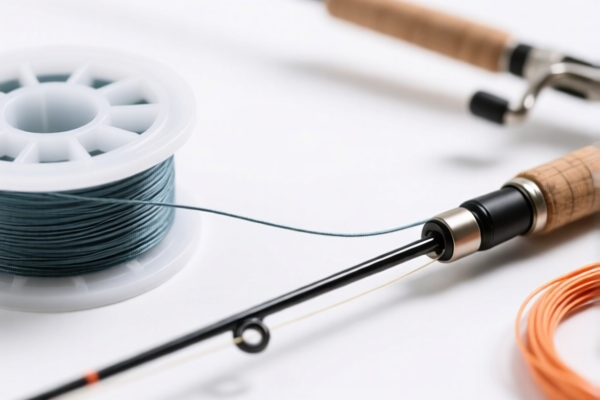
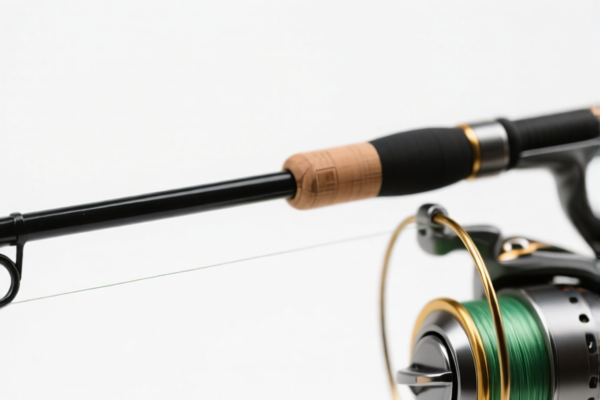
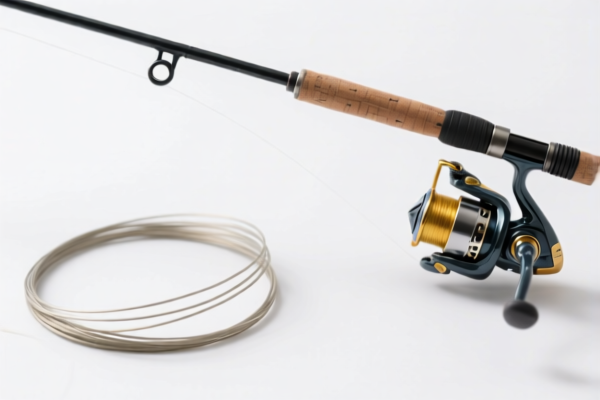

AI Analysis
🎣 Fishing Rods (Fishing Sticks)
🌐 HS Code Reference & Customs Clearance Guide | 2026 Latest Tariff Analysis | Professional Clearance Strategy
📌 Part I: Product Definition and Classification: Do You Really Understand "Fishing Rods"?
A "Fishing Stick" (commonly known in international trade as a Fishing Rod) is a tool used for fishing, consisting of a long flexible pole, often equipped with a reel and line. In international trade, the classification depends heavily on the material composition and specific functional definition.
Key Distinction Points: - Core Definition: If it matches the standard definition of a fishing rod (used for angling), it falls under Chapter 95 (Toys, Games, and Sports Equipment). - Material Variance: If classified as a generic rod/pole without the specific "fishing" functionality attributes in some loose interpretations, it might be misclassified under materials (Plastics, Fibers). However, for customs clearance, accuracy is key to avoiding high penalties.
📦 Part II: HS Code Classification Details (2026 Latest Tariff Reference)
Based on the provided data, here are the 5 potential HS Codes for "Fishing Stick" products, ranging from the most accurate sports equipment classification to broader material-based classifications.
| HS Code | Product Description & Summary | Tax Rate (Total) | Key Tariff Details |
|---|---|---|---|
| 9507.10.00.40 | Fishing Rods: Fully consistent in use and form with the definition of fishing rods in the classification explanation. | 16.0% | Base: 6.0% Add'l: 0.0% Section 301 (122): 10% |
| 9506.99.60.80 | Sports/Games/Outdoor Gear: Classified as other sports equipment under the "other" category. | 21.5% | Base: 4.0% Add'l: 7.5% Section 301 (122): 10% Steel/Aluminum/Copper Add'l: 50% |
| 9507.90.80.00 | Other Fishing Gear: Product use matches the classification explanation for fishing rods and fishing tackle completely. | 19.0% | Base: 9.0% Add'l: 0.0% Section 301 (122): 10% |
| 3926.90.99.89 | Plastic Articles: Main material is plastic or contains plastic parts; fits the fallback classification for plastic products. | 22.8% | Base: 5.3% Add'l: 7.5% Section 301 (122): 10% |
| 5607.49.10.00 | Twines/Cables: Form belongs to ropes/cables; material is usually synthetic fiber or plastic. | 37.7% | Base: 2.7% Add'l: 25.0% Section 301 (122): 10% |
🔍 Critical Note:
- 9507.10.00.40 is the most accurate classification for standard fishing rods, offering the lowest tax burden (16%). - Misclassifying a rod as "Sports Equipment" (9506) or "Plastics" (3926) can lead to higher duties. - Classification as "Twines/Cables" (5607) results in the highest duty (37.7%) due to the 25% additional tariff.
💰 Part III: Detailed Tariff Breakdown (2026 Latest Rates)
✅ Applicable Country: United States (US)
✅ Origin: China (CN)
✅ Effective Date: Post-2025 Import (Based on provided data)
🎯 1. 9507.10.00.40 — The Ideal Classification for Fishing Rods
This code directly addresses the product's function and form.
| Item | Detail |
|---|---|
| Base Duty | 6.0% |
| Additional Duty (Section 301/122) | 10% |
| Total Duty Rate | 16.0% |
| Tax Calculation | CIF Value × 16.0% |
| Legal Basis | Chapter 95 (Toys, Games, Sports), Specific subheading for Fishing Rods. |
📌 Explanation:
- This is the primary recommendation. The summary states "Product name and classification explanation of fishing rods are completely consistent in use and form." - Lowest tax impact among all options.
🎯 2. 9506.99.60.80 — Sports Equipment (Broader Category)
If the rod is considered part of a general "outdoor sports kit" or lacks specific fishing rod identifiers, it may fall here.
| Item | Detail |
|---|---|
| Base Duty | 4.0% |
| Additional Duty (Section 301) | 7.5% |
| Section 301 (122) | 10% |
| Total Duty Rate | 21.5% |
| ⚠️ Critical Alert: If the rod contains Steel, Aluminum, or Copper components, an additional 50% tariff may apply! |
📌 Explanation:
- Higher base risk. The 21.5% is significantly higher than the 16% for9507.10.00.40. - Material Trap: If the rod has metal reinforcements or reel seats made of steel/aluminum, customs may assess the 50% steel/aluminum surcharge, making the effective rate skyrocket.
🎯 3. 9507.90.80.00 — Other Fishing Articles
| Item | Detail |
|---|---|
| Base Duty | 9.0% |
| Additional Duty (Section 301) | 0.0% |
| Section 301 (122) | 10% |
| Total Duty Rate | 19.0% |
| Tax Calculation | CIF Value × 19.0% |
📌 Explanation:
- The summary states "Product use matches... fishing rods... completely." However, the base duty (9%) is higher than the primary rod code (6%). - Use this only if9507.10.00.40is unavailable or if the product is a specific "other" fishing accessory.
🎯 4. 3926.90.99.89 — Plastic Products (Fallback)
| Item | Detail |
|---|---|
| Base Duty | 5.3% |
| Additional Duty (Section 301) | 7.5% |
| Section 301 (122) | 10% |
| Total Duty Rate | 22.8% |
| Tax Calculation | CIF Value × 22.8% |
📌 Explanation:
- Applies if the rod is primarily made of plastic and customs determines it doesn't meet the strict "fishing rod" definition for Chapter 95. - Higher tax than the primary classification.
🎯 5. 5607.49.10.00 — Twines/Cables (Highest Risk)
| Item | Detail |
|---|---|
| Base Duty | 2.7% |
| Additional Duty (Section 301) | 25.0% |
| Section 301 (122) | 10% |
| Total Duty Rate | 37.7% |
| Tax Calculation | CIF Value × 37.7% |
📌 Explanation:
- DO NOT USE for fishing rods unless mislabeled as "ropes" or "cables." - The 25% additional duty makes this the most expensive option. - Summary: "Form belongs to ropes/cables... material usually synthetic fiber."
🛠️ Part IV: Customs Clearance Practical Advice (实战避坑指南)
✅ 1. Preparation Checklist (Must-Have Documents)
| Document | Required? | Description |
|---|---|---|
| ✅ Product Specification Sheet | ✔️ | Must include material (Carbon fiber, Glass, Plastic), length, sections, and type (Telescopic/Fixed). |
| ✅ Clear Product Name | ✔️ | Use "Fishing Rod" in English. Avoid vague terms like "Fishing Stick" which may trigger generic classifications. |
| ✅ HS Code Justification | ✔️ | Reference HS 9507.10.00.40 with the explanation: "Fishing rod, consistent with classification explanation for use and form." |
| ✅ Material Declaration | ✔️ | Explicitly state if any metal components (reels, seats) are present to avoid the 50% Steel/Aluminum surcharge under 9506.99.60.80. |
| ✅ Photos | ✔️ | Show the rod in assembled and disassembled states to prove it is a rod, not a cable or generic pole. |
✅ 2. Classification Strategy (Key Mantras)
🔥 "Accurate Name, Lowest Tax, Avoid Metals!"
| Scenario | Recommended HS Code | Total Tax | Why? |
|---|---|---|---|
| Standard Fishing Rod (Carbon/Glass/Plastic) | 9507.10.00.40 | 16.0% | ✅ Best fit. Matches definition exactly. |
| Rod with Metal Reel/Seat | 9507.10.00.40 | 16.0% | ⚠️ Ensure it's not classified as 9506.99.60.80 (which has 50% metal surcharge). |
| Plastic Toy Fishing Rod | 9507.10.00.40 | 16.0% | ✅ Still falls under Chapter 95 if it's a functional rod. |
| Misclassified as "Cable" | 5607.49.10.00 |
37.7% | ❌ Avoid! High penalty. |
✅ 3. Special Considerations
- Avoid "Fishing Stick" in Documentation: Use "Fishing Rod" or "Angling Rod". The term "Stick" is ambiguous and may lead customs to classify it as a generic pole (
9506) or plastic article (3926). - Metal Components: If the rod has any steel/aluminum parts, ensure the classification is 9507.10.00.40 to avoid the 50% additional tariff mentioned in the
9506.99.60.80tax detail. - Pre-Submission Ruling: Given the significant tax difference (16% vs. 37.7%), consider applying for a Binding Tariff Information (BTI) or Advance Ruling from US Customs and Border Protection (CBP) to secure the 16% rate.
🌍 Part V: Global Market Comparison (2026 Latest)
| Country/Region | Recommended HS Code | Est. Tax Rate | Remarks |
|---|---|---|---|
| 🇺🇸 USA | 9507.10.00.40 | 16.0% | ⭐ Best option. Includes 10% Section 301. |
| 🇨🇳 China | 9507.10.00.00 | ~6-9% | Lower base duty, no Section 301. |
| 🇪🇺 EU | 9507.30.00 | 0-4.7% | No Section 301. Check CE marking. |
| 🇯🇵 Japan | 9507.90.00 | 0-3.2% | No Section 301. |
📌 Conclusion:
- The US market has the highest compliance risk due to Section 301 tariffs. - Correct classification (9507.10.00.40) saves ~15-21% in duties compared to alternative codes.
📌 Part VI: Common Mistakes & Pitfalls (Blood Lessons)
❌ Mistake 1: Using "Fishing Stick" as the product name
👉 Result: Customs may reject the "Rod" definition and classify as plastic (3926) or sports gear (9506), leading to 21.5% - 22.8% tax.
❌ Mistake 2: Ignoring metal components
👉 Result: If classified under 9506.99.60.80 with metal parts, the 50% steel/aluminum surcharge applies, raising the effective rate drastically.
❌ Mistake 3: Misclassifying as "Cable/Rope" (5607)
👉 Result: 37.7% tax. This is the worst-case scenario. Only applies if the item is literally a cable or rope, not a rigid rod.
✅ Correct Action:
"Fishing Rod, Carbon Fiber, Telescopic, 7ft, 3 Sections, Model XYZ, HS 9507.10.00.40"
🎯 Part VII: Conclusion: Precision in Classification, Profit in Clearance!
🎯 Remember the Mantra:
🔹 "Use 'Rod', Not 'Stick'. Aim for 9507.10.00.40. Pay 16%, Not 37.7%!"
🔹 "Check for Metals! Avoid the 50% Surcharge in 9506!"
📌 Pro Tip:
If your fishing rods are made of Carbon Fiber, emphasize this in the description. Carbon is lightweight and non-metallic (in the steel/aluminum sense), supporting the 9507.10.00.40 classification and avoiding metal surcharges.
📣 Immediate Action:
📞 Contact Your Customs Broker
📄 Submit HS Code Pre-Ruling Request for 9507.10.00.40
🚀 Ensure Your Commercial Invoice Says "Fishing Rod", Not "Fishing Stick"
✨ Professional Clearance Starts with Accurate Classification!
💼 Every Percent Saved is Pure Profit!
Customer Reviews
About HS Code Classification
The Harmonized System (HS) is an internationally standardized nomenclature developed by the World Customs Organization (WCO) to classify traded products. Over 200 countries use the HS system as the basis for customs tariffs, trade statistics, and import/export regulations.
Each HS code follows a hierarchical structure:
- Chapter (2 digits) — Broad category of goods (e.g., Chapter 84: Machinery and Mechanical Appliances)
- Heading (4 digits) — More specific grouping within the chapter
- Subheading (6 digits) — Internationally standardized breakdown, used by all WCO member countries
- National subdivisions (8-10 digits) — Country-specific extensions for further classification, such as US HTSUS 10-digit codes
Correct HS code classification is essential for smooth customs clearance, accurate duty payment, and compliance with trade regulations. Misclassification can lead to customs delays, overpayment of duties, or penalties.
When importing from CN to US, the applicable tariff rates may include:
- Most-Favored-Nation (MFN) rate — The standard duty rate applied to WTO members
- General rate — Applied to countries without trade agreements
- Trade remedy duties — Additional tariffs such as Section 301 (anti-dumping), Section 232 (national security), or countervailing duties
The information provided on this page is for reference purposes only. For official classification, please consult with your local customs authority or a licensed customs broker.