Fitness Set
CN → US| HS Code | Tariff Rate | Origin | Destination | Doc |
|---|---|---|---|---|
| 6112120050 | 45.7% | CN | US | Official Doc |
| 6211431050 | 33.5% | CN | US | Official Doc |
| 9506996080 | 21.5% | CN | US | Official Doc |
| 6112120030 | 45.7% | CN | US | Official Doc |
| 9506910030 | 22.1% | CN | US | Official Doc |
Product Images
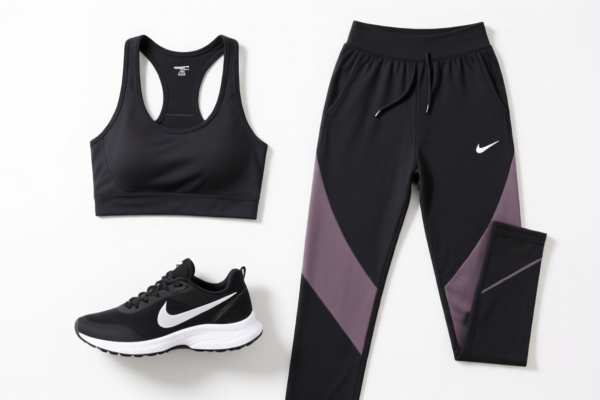
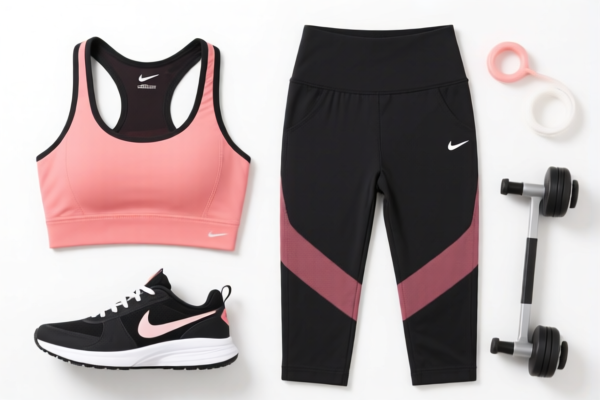
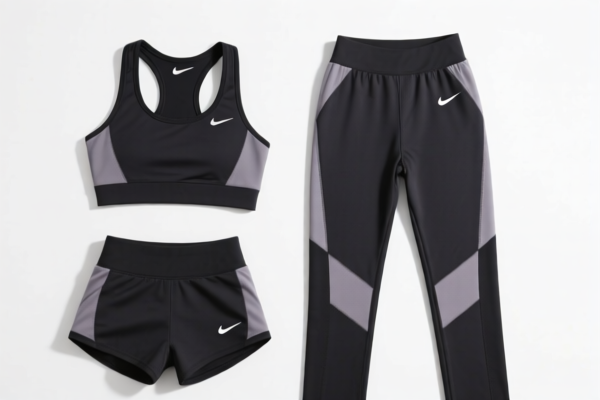
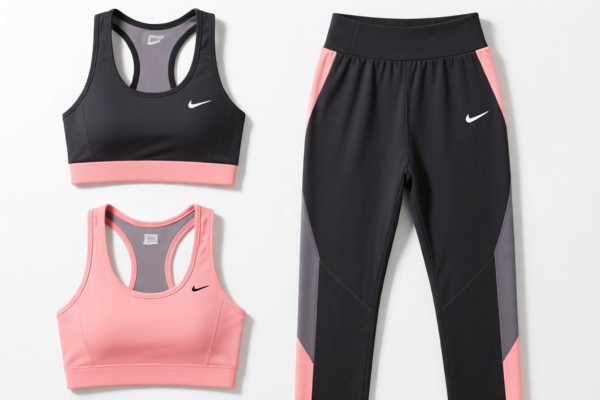
AI Analysis
🏋️♂️ Fitness Set (Workout Gear)
🌐 HS Code Reference & Customs Clearance Guide | 2026 Latest Tariff Analysis | Professional Entry Strategy
📌 I. Product Definition & Classification: What Exactly is a "Fitness Set"?
A "Fitness Set" is a broad commercial term that typically refers to either athletic apparel (clothing) or exercise equipment (gear). In international trade, the classification hinges entirely on the material and primary use of the items contained in the set.
1. Apparel Category (Textiles):
If the set consists of shirts, shorts, pants, or jackets made of knitted fabrics (synthetic fibers or cotton) intended for sports, it falls under Chapter 61.
2. Equipment Category (Non-Textile):
If the set consists of dumbbells, resistance bands, yoga mats, or metal/plastic frames, it falls under Chapter 95 (Sporting Goods).
⚠️ Critical Distinction:
- If the product is fabric-based (clothing) →归类 to 6112.12 (Knitted Sports Clothing).
- If the product is hard goods/equipment (metal, plastic, rubber) → 归类 to 9506.99 or 9506.91 (Other Sports Equipment).
- Do NOT mix: You cannot classify a knitted t-shirt as "equipment," nor can you classify a metal barbell as "apparel."
📦 II. HS Code Classification Details (2026 Latest Tariff Authority对照)
| HS Code | Product Description | Applicable Scenario | Material/Type | Total Tax Rate (CN Origin) |
|---|---|---|---|---|
6112.12.00.50 |
Knitted sports suits (Men’s/Women’s) | Tracksuits, gym tops/bottoms sets | Synthetic/Cotton Knit | 45.7% |
6211.43.10.50 |
Other garments (Women’s/Men’s) | Non-knitted sports suits (woven) | Chemical Fiber/Mixed | 33.5% |
9506.99.60.80 |
Other articles for general physical exercise | Dumbbells, kettlebells, metal/plastic gear | Metal/Plastic/Rubber | 21.5% (See Note *) |
6112.12.00.30 |
Knitted sports suits (Men’s) | Men’s specific athletic tracksuits | Synthetic/Cotton Knit | 45.7% |
9506.91.00.30 |
Other articles for general physical exercise | General gym accessories, non-metal gear | Plastic/Rubber/Fabric | 22.1% (See Note *) |
🔍 Key Note for Equipment Codes (
9506.99.60.80&9506.91.00.30):
- These codes include a additional 50% tariff on Steel, Aluminum, and Copper products.
- If your fitness set contains any metal components (e.g., iron dumbbells, steel frames), the effective tax rate for the metal portion may spike significantly.
- Non-metal equipment (plastic/rubber) avoids this 50% surcharge.
💰 III. 2026 Latest Tariff Rate Breakdown (Including Surcharges)
✅ Applicable Country: United States (US)
✅ Country of Origin: China (CN)
✅ Effective Date: From November 10, 2025 onwards (including subsequent imports)
🎯 1. 6112.12.00.50 & 6112.12.00.30 —— Knitted Sports Suits (Apparel)
These codes cover knitted athletic clothing sets (e.g., matching hoodies and sweatpants).
| Item | Content |
|---|---|
| Base Tariff | 28.2% |
| Section 301 Tariff | 7.5% |
| Section 122 Tariff | 10% |
| Total Tax Rate | 45.7% |
| Calculation Method | CIF Value × 45.7% |
| De Minimis Exemption | ❌ Not Eligible (Strictly regulated) |
| Legal Basis Path | Base: 6112.12 → 301: 7.5% → 122: 10% |
📌 Explanation:
- Base 28.2%: Standard US ad valorem rate for men’s/women’s knitted sports suits.
- Section 301 (7.5%): Additional tariff imposed on Chinese textile imports.
- Section 122 (10%): Additional tariff targeting specific Chinese consumer goods, including sportswear.
- Total 45.7%: This is a high-cost category. Importers must factor this into their margin calculations.
🎯 2. 6211.43.10.50 —— Woven/Chemical Fiber Sports Garments
Covers non-knitted (woven) fitness suits, typically made from synthetic fibers or blends.
| Item | Content |
|---|---|
| Base Tariff | 16.0% |
| Section 301 Tariff | 7.5% |
| Section 122 Tariff | 10% |
| Total Tax Rate | 33.5% |
| Calculation Method | CIF Value × 33.5% |
| De Minimis Exemption | ❌ Not Eligible |
| Legal Basis Path | Base: 6211.43 → 301: 7.5% → 122: 10% |
📌 Explanation:
- Lower base rate (16.0%) compared to knitted wear (28.2%) due to different textile classification.
- Still subject to both 301 and 122 surcharges.
- Ideal for "Quick-dry" or "Performance" woven athletic suits.
🎯 3. 9506.99.60.80 —— General Physical Exercise Equipment (Metal/Plastic)
Covers hard goods like dumbbells, weight benches, or resistance trainers.
| Item | Content |
|---|---|
| Base Tariff | 4.0% |
| Section 301 Tariff | 7.5% |
| Section 122 Tariff | 10% |
| Additional Metal Tariff | +50% (Only for Steel/Aluminum/Copper products) |
| Total Tax Rate | 21.5% (Non-metal) / Higher (Metal) |
| Calculation Method | CIF Value × 21.5% (Base) + 50% on metal portion (if applicable) |
| De Minimis Exemption | ❌ Not Eligible |
| Legal Basis Path | Base: 9506.99 → 301: 7.5% → 122: 10% → Metal Surcharge: 50% |
📌 Critical Warning:
- If your "Fitness Set" includes steel dumbbells or aluminum racks, the 50% additional tariff applies to those specific components.
- For purely plastic/rubber equipment (e.g., yoga mats, foam rollers), the rate remains 21.5%.
🎯 4. 9506.91.00.30 —— Other General Exercise Accessories
Covers general fitness accessories not elsewhere specified.
| Item | Content |
|---|---|
| Base Tariff | 4.6% |
| Section 301 Tariff | 7.5% |
| Section 122 Tariff | 10% |
| Additional Metal Tariff | +50% (Only for Steel/Aluminum/Copper products) |
| Total Tax Rate | 22.1% (Non-metal) / Higher (Metal) |
| Calculation Method | CIF Value × 22.1% (Base) + 50% on metal portion (if applicable) |
| De Minimis Exemption | ❌ Not Eligible |
| Legal Basis Path | Base: 9506.91 → 301: 7.5% → 122: 10% → Metal Surcharge: 50% |
📌 Explanation:
- Slightly higher base rate (4.6%) than9506.99(4.0%).
- Same metal surcharge rules apply.
- Suitable for sets containing mixed materials where the primary function is general exercise.
🛠️ IV. Customs Clearance Practical Advice (Battle-Tested Pitfall Guide)
✅ 1. Preparation Checklist (Non-Negotiable)
| Document | Required | Notes |
|---|---|---|
| ✅ Product Specifications | ✔️ | Must clearly state: Material (Knitted/Woven/Metal), Use (Sports/Exercise), Gender (Men/Women/Unisex). |
| ✅ Material Composition | ✔️ | For apparel: % Cotton vs. Polyester. For equipment: Steel/Plastic/Rubber breakdown. |
| ✅ Product Photos | ✔️ | Show full set, labels, and any metal parts. Must prove it’s not a "mixed" shipment of unrelated goods. |
| ✅ Commercial Invoice | ✔️ | Describe as "Knitted Sports Suits" or "Exercise Equipment." Avoid vague terms like "Gym Pack." |
| ✅ Origin Certificate | ✔️ | Crucial for proving CN origin to apply correct surcharges. |
✅ 2. Classification Tips (Key Mantras)
🔥 "Know your material: Knit is Apparel, Metal is Equipment!"
| Scenario | Correct HS Code | Mistake to Avoid |
|---|---|---|
| Knitted Tracksuit Set | 6112.12.00.50 / 6112.12.00.30 |
❌ Do NOT classify as 9506 (Equipment) → Avoids 4.0% base but triggers wrong inspection. |
| Woven Yoga Pants Set | 6211.43.10.50 |
❌ Do NOT classify as Knitted (6112) → Incorrect material declaration. |
| Dumbbell Set (Metal) | 9506.99.60.80 |
❌ Do NOT ignore the 50% metal surcharge → Risk of underpayment penalties. |
| Yoga Mat + Resistance Bands | 9506.91.00.30 |
✅ Correct as non-metal equipment. |
| Apparel + Equipment Mixed Box | Split Declaration | ❌ Do NOT declare as one HS Code → Customs will split and charge highest rate on all, or reject. |
✅ 3. Special Cases Handling
| Situation | Handling Advice |
|---|---|
| "Set" Definition | If the box contains both a t-shirt and dumbbells, you must separate them in the commercial invoice. They cannot be declared under a single HS Code. |
| OEM Fitness Gear | Provide manufacturing drawings. If the product is custom-designed, emphasize "General Physical Exercise" in the description. |
| Metal Components | If the fitness set has plastic handles but metal weights, the 50% surcharge applies to the weight value. Declare value accurately. |
| De Minimis (Section 321) | ❌ Fitness sets are NOT eligible for the $800 de minimis exemption if classified under these codes due to Section 122/301 restrictions. Full formal entry is required. |
🌍 V. Global Market Comparison (2026 Latest)
| Country/Region | Recommended HS Code | Tariff (CN Origin) | Certification | Remarks |
|---|---|---|---|---|
| 🇺🇸 USA | 6112.12 (Apparel) / 9506.99 (Equip) |
21.5% - 45.7% | FCC/CE (if electronic), Prop 65 (CA) | High tariffs due to 301 & 122. |
| 🇨🇳 China | 6112.12 / 9506.99 |
5% - 10% | CCC (if applicable) | No additional surcharges. |
| 🇪🇺 EU | 6112.12 / 9506.99 |
0% - 4% | CE, REACH, RoHS | No Section 122/301 equivalents. |
| 🇬🇧 UK | 6112.12 / 9506.99 |
0% - 4% | UKCA, REACH | Post-Brexit tariffs generally low. |
| 🇦🇺 Australia | 6112.12 / 9506.99 |
0% - 5% | RCMA (if electrical) | No anti-dumping surcharges on fitness gear. |
📌 Conclusion:
- USA is the highest-cost market for fitness sets due to Section 122 (10%) and Section 301 (7.5%) surcharges.
- Apparel (6112) is taxed higher (45.7%) than Equipment (9506, ~21.5%).
- Consider supply chain diversification (e.g., manufacturing in Vietnam or Mexico) to avoid US surcharges if possible.
📌 VI. Common Errors & Pitfall Guide (Lessons Learned)
❌ Error 1: Declaring a "Fitness Set" containing both clothes and weights under one HS Code.
👉 Consequence: Customs will reject or force split filing. If forced, they may assign the highest tariff to the entire box.
👉 Solution: Split the invoice into "Knitted Sports Suits" and "Exercise Equipment."
❌ Error 2: Misclassifying Knitted tracksuits as Woven (6211).
👉 Consequence: Audit finding. Base rate difference is 12.2% (28.2% vs 16.0%). Back taxes + penalties.
👉 Solution: Check the fabric construction. Knit = interlocking loops (stretchy). Woven = interlaced threads (crisp).
❌ Error 3: Ignoring the 50% Metal Surcharge on 9506.99.60.80.
👉 Consequence: Underpayment of duty. If you import steel dumbbells, you owe an extra 50% on their value.
👉 Solution: Use a separate line item for metal goods or apply the surcharge correctly.
❌ Error 4: Using vague descriptions like "Gym Stuff."
👉 Consequence: Customs delay. CBP will request detailed material breakdowns.
👉 Solution: Use precise terms: "Men’s Knitted Polyester/Cotton Sports Suit" or "Plastic Resistance Band Set."
✅ Correct Declaration Example:
"Men’s Knitted Sports Suit, Set, 60% Cotton 40% Polyester, For General Physical Exercise, Model FS-001, CN Origin"
"Plastic Resistance Band Set, For General Physical Exercise, Model RB-100, CN Origin"
🎯 VII. Conclusion: Precision Classification Saves Money!
🎯 Remember the Mantra:
🔹 "Knit Apparel = 45.7% (6112)"
🔹 "Woven Apparel = 33.5% (6211)"
🔹 "Non-Metal Equip = 21.5% (9506.99)"
🔹 "Metal Equip = 21.5% + 50% Surcharge!"
🔹 "Mixed Sets Must Be Split!"
📌 Pro Tip:
If your fitness set includes smart devices (e.g., Bluetooth scales, smart jump ropes), ensure they are declared correctly under Chapter 90 or 8517 if applicable, as these may have different tariff treatments. Always consult a customs broker for Advance Rulings if your product structure is complex.
📣 Immediate Action:
📞 Contact a licensed customs broker + Provide material composition sheets + Product photos.
🚀 Get a Pre-Ruling to confirm the exact HS Code and avoid 45.7% surprises!
✨ Professional Clearance Starts with Accurate Classification!
💼 Your profit margin depends on this 12.2% difference!
Customer Reviews
About HS Code Classification
The Harmonized System (HS) is an internationally standardized nomenclature developed by the World Customs Organization (WCO) to classify traded products. Over 200 countries use the HS system as the basis for customs tariffs, trade statistics, and import/export regulations.
Each HS code follows a hierarchical structure:
- Chapter (2 digits) — Broad category of goods (e.g., Chapter 84: Machinery and Mechanical Appliances)
- Heading (4 digits) — More specific grouping within the chapter
- Subheading (6 digits) — Internationally standardized breakdown, used by all WCO member countries
- National subdivisions (8-10 digits) — Country-specific extensions for further classification, such as US HTSUS 10-digit codes
Correct HS code classification is essential for smooth customs clearance, accurate duty payment, and compliance with trade regulations. Misclassification can lead to customs delays, overpayment of duties, or penalties.
When importing from CN to US, the applicable tariff rates may include:
- Most-Favored-Nation (MFN) rate — The standard duty rate applied to WTO members
- General rate — Applied to countries without trade agreements
- Trade remedy duties — Additional tariffs such as Section 301 (anti-dumping), Section 232 (national security), or countervailing duties
The information provided on this page is for reference purposes only. For official classification, please consult with your local customs authority or a licensed customs broker.