Five finger lamp
CN → US| HS Code | Tariff Rate | Origin | Destination | Doc |
|---|---|---|---|---|
| 8543707100 | 37.0% | CN | US | Official Doc |
| 8539228030 | 12.6% | CN | US | Official Doc |
| 9405198020 | 38.9% | CN | US | Official Doc |
| 9405490000 | 38.9% | CN | US | Official Doc |
| 8539520091 | 12.0% | CN | US | Official Doc |
| 8543709860 | 37.6% | CN | US | Official Doc |
Product Images
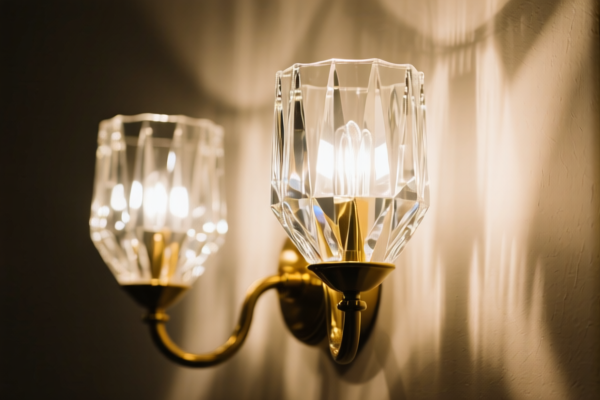
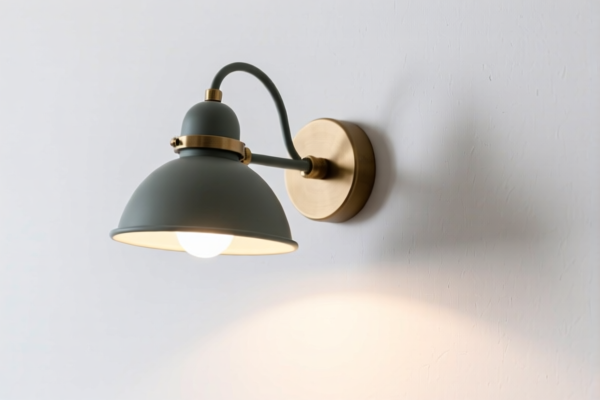
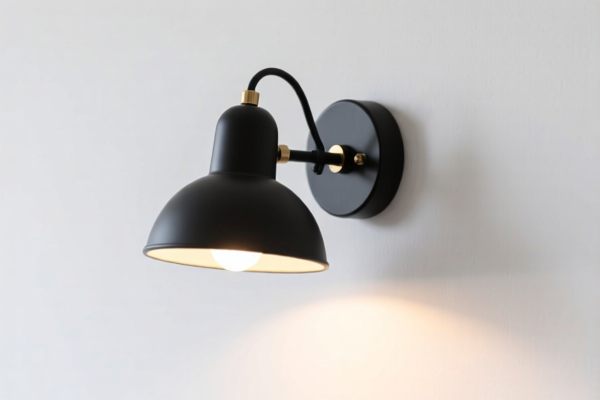
AI Analysis
🖐️ Five Finger Lamp (Multi-Arm LED/Decorative Lighting)
🌐 HS Code Reference & Clearance Strategy | 2026 Tariff Analysis | Expert Customs Compliance Guide
📌 I. Product Definition: What is a "Five Finger Lamp"?
A Five Finger Lamp is a decorative or functional lighting fixture featuring five distinct, articulated, or rigid arms (resembling fingers) that each hold a light source (LED, incandescent, or filament). It is commonly used for:
- Ambient/Decorative Lighting: Home, hotel, restaurant, or event lighting.
- Task Lighting: Desk, vanity, or workshop illumination.
- Commercial Use: Retail displays, signage, or theatrical effects.
Key Classification Criteria:
1. Function: Primarily for lighting (not industrial machinery).
2. Technology: LED/filament bulbs vs. control circuits (e.g., smart dimming).
3. Design: Standalone fixture vs. part of a larger system.
⚠️ Critical Distinction:
- Pure Lighting Fixture (no independent control system) → 9405.49.00.00 (Lowest tariff).
- LED Module with Control Circuit (e.g., smart dimming, app-controlled) → 8539.52.00.91 or 8543.70.71.00 (Higher tariff due to "electronic device" classification).
📦 II. HS Code Classification Breakdown (2026 Tariff Authority)
| HS Code | Product Description | Classification Logic | Tax Rate |
|---|---|---|---|
| 8543.70.71.00 | Independent Electric Device (e.g., LED driver + control unit) | Classifies as a "motorized/electronic device" with independent function. | 37.0% |
| 8539.22.80.30 | Filament/LED Lamp (Decorative, no control board) | Falls under "decorative/other lamps" with no independent electronic function. | 12.6% |
| 9405.19.80.20 | General Lighting Fixture (Standard decorative lamp) | "Other lighting fixtures" (no special tech). | 38.9% |
| 9405.49.00.00 | Electric Lighting Fixture (Core lighting function) | Best fit for standard five-finger lamps. | 38.9% |
| 8539.52.00.91 | LED Lamp (No control circuit) | LED bulbs in decorative fixtures. | 12.0% |
| 8543.70.98.60 | Other Independent Device (Advanced smart lamp) | High-tech lamps with intelligent control systems. | 37.6% |
🔍 Key Insight:
- Lowest tariff (12.0%–12.6%) applies to pure LED/filament lamps (no smart features).
- Highest tariff (37.0%–38.9%) applies to lamps with independent electronic control systems.
💰 III. 2026 Tariff Rate Breakdown (China Origin → US Import)
🎯 1. 8539.52.00.91 — LED Lamp (No Control Circuit)
| Item | Details |
|---|---|
| Base Duty | 2.0% |
| Section 301 Tariff | 0% (No additional duty) |
| Section 122 Tariff | 10% (China-specific) |
| Total Rate | 12.0% |
| Calculation | CIF × 12% |
| De Minimis Exemption | ❌ Not eligible |
| Legal Path | USITC:8539.52.00.91 → Section 122 |
📌 Why 12.0%?
- No Section 301 (25%) because it’s a simple LED lamp, not a "smart device".
- Only 10% Section 122 applies for Chinese origin.
🎯 2. 9405.49.00.00 — Electric Lighting Fixture (Standard)
| Item | Details |
|---|---|
| Base Duty | 3.9% |
| Section 301 Tariff | 25% (High-risk category) |
| Section 122 Tariff | 10% |
| Total Rate | 38.9% |
| Calculation | CIF × 38.9% |
| De Minimis Exemption | ❌ Not eligible |
| Legal Path | USITC:9405.49.00.00 → Section 301 → Section 122 |
📌 Why 38.9%?
- Section 301 (25%) applies to lamps as "lighting fixtures" (not pure LED bulbs).
- Section 122 (10%) adds China-specific surcharge.
🎯 3. 8543.70.71.00 — Independent Electric Device
| Item | Details |
|---|---|
| Base Duty | 2.0% |
| Section 301 Tariff | 25% (High-risk) |
| Section 122 Tariff | 10% |
| Total Rate | 37.0% |
| Calculation | CIF × 37% |
| De Minimis Exemption | ❌ Not eligible |
| Legal Path | USITC:8543.70.71.00 → Section 301 → Section 122 |
📌 Why 37.0%?
- Section 301 applies because the lamp has independent electronic functions (e.g., smart controls).
🛠️ IV. Clearance Action Plan (Critical Steps)
✅ 1. Documentation Checklist (Mandatory for All Codes)
| Document | Required? | Key Details |
|---|---|---|
| Product Specifications | ✅ | Voltage, wattage, LED type, control system (yes/no). |
| Circuit Diagram | ✅ | Must show if independent control circuit exists. |
| Product Photos | ✅ | Clear images of "five fingers", bulbs, and base. |
| Certificate of Origin | ✅ | Proves China origin (triggers Section 122). |
| Commercial Invoice | ✅ | Must match HS code description (e.g., "LED Lamp, No Smart Control"). |
| FCC/CE Compliance | ✅ | Required for electronic lamps (Section 301 risk). |
✅ 2. Declaration Tips (Avoid 37%–38.9% Tariffs!)
🔥 "Classify as Pure Lamp, Not Device!"
| Scenario | Correct HS Code | Risk if Misclassified |
|---|---|---|
| Five-finger lamp with LED bulbs only | 8539.52.00.91 (12.0%) |
❌ Misclassify as 9405.49.00.00 → 38.9% |
| Lamp with smart dimming/app control | 8543.70.71.00 (37.0%) |
❌ Declare as "decorative lamp" → 38.9% |
| Lamp with independent power supply | 8543.70.71.00 (37.0%) |
❌ Declare as "lighting fixture" → 38.9% |
📌 Golden Rule:
- If the lamp has a circuit board, microchip, or app control, it’s 8543.70.71.00 (37.0%).
- If it’s just bulbs + frame, it’s 8539.52.00.91 (12.0%).
✅ 3. Special Cases
| Case | Action |
|---|---|
| OEM Custom Design | Provide client’s specs to prove "decorative" vs. "device". |
| LED + Control Unit in Same Box | Declare as 8543.70.71.00 (37.0%) — no split申报. |
| Lamp for Medical Use | May qualify for Section 301 exemption (需提供 medical device certificate). |
🌍 V. Global Market Comparison (2026)
| Region | Best HS Code | Tariff | Key Risks |
|---|---|---|---|
| 🇺🇸 USA | 8539.52.00.91 |
12.0% | High risk for "smart lamps" (37%+). |
| 🇨🇳 China | 8539.52.00.91 |
2.0% | No Section 301/122. |
| 🇪🇺 EU | 9405.49.00.00 |
0% | CE compliance required. |
| 🇯🇵 Japan | 8539.52.00.91 |
5% | PSE certification needed. |
📌 Conclusion:
- USA is the highest-risk market due to Section 301/122.
- Best Strategy: Avoid "smart features" → classify as pure LED lamp (8539.52.00.91).
📌 VI. Common Mistakes & Fixes (Don’t Get Caught!)
❌ Mistake 1: Declare "Five Finger Lamp" as 9405.49.00.00 when it has a control board.
👉 Result: 38.9% tariff + 25% penalty for misclassification.
❌ Mistake 2: Split "lamp + control unit" into two shipments.
👉 Result: 37% tariff on control unit + 38.9% on lamp → Total 75.9%!
❌ Mistake 3: Omit circuit diagrams in documentation.
👉 Result: Customs holds shipment for 30+ days to verify classification.
✅ Fix:
"Five Finger LED Lamp, 12W, No Smart Control, Model XYZ, FCC Certified" →
8539.52.00.91(12.0%)
🎯 VII. Final Recommendation (2026 Strategy)
- Avoid Smart Features: If possible, design lamps without microchips → 12.0% tariff.
- Get Pre-Ruling: Submit Advance Ruling Request to US Customs (CBP) for your exact model.
- Use "Pure Lamp" Language: In invoices, never write "smart lamp", "app-controlled", or "independent device".
- Check Material: If made of non-steel/aluminum, avoid
8543codes (higher tariff).
📣 Immediate Action:
📞 Contact a Customs Broker + Submit Circuit Diagram + Apply for HS Code Pre-Ruling
🚀 Save 26.9%–26.9% by classifying correctly!
✨ Expert Clearance Starts with Precision!
💼 Your Cost Savings Depend on the Right HS Code!
Customer Reviews
About HS Code Classification
The Harmonized System (HS) is an internationally standardized nomenclature developed by the World Customs Organization (WCO) to classify traded products. Over 200 countries use the HS system as the basis for customs tariffs, trade statistics, and import/export regulations.
Each HS code follows a hierarchical structure:
- Chapter (2 digits) — Broad category of goods (e.g., Chapter 84: Machinery and Mechanical Appliances)
- Heading (4 digits) — More specific grouping within the chapter
- Subheading (6 digits) — Internationally standardized breakdown, used by all WCO member countries
- National subdivisions (8-10 digits) — Country-specific extensions for further classification, such as US HTSUS 10-digit codes
Correct HS code classification is essential for smooth customs clearance, accurate duty payment, and compliance with trade regulations. Misclassification can lead to customs delays, overpayment of duties, or penalties.
When importing from CN to US, the applicable tariff rates may include:
- Most-Favored-Nation (MFN) rate — The standard duty rate applied to WTO members
- General rate — Applied to countries without trade agreements
- Trade remedy duties — Additional tariffs such as Section 301 (anti-dumping), Section 232 (national security), or countervailing duties
The information provided on this page is for reference purposes only. For official classification, please consult with your local customs authority or a licensed customs broker.