Fixed Base
CN → US| HS Code | Tariff Rate | Origin | Destination | Doc |
|---|---|---|---|---|
| 3926902500 | 24.0% | CN | US | Official Doc |
| 8483204040 | 39.5% | CN | US | Official Doc |
| 8483204080 | 39.5% | CN | US | Official Doc |
| 3926305000 | 22.8% | CN | US | Official Doc |
| 7326908688 | 87.9% | CN | US | Official Doc |
Product Images

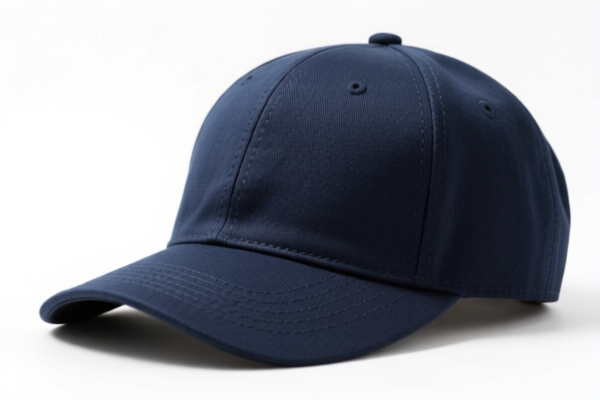
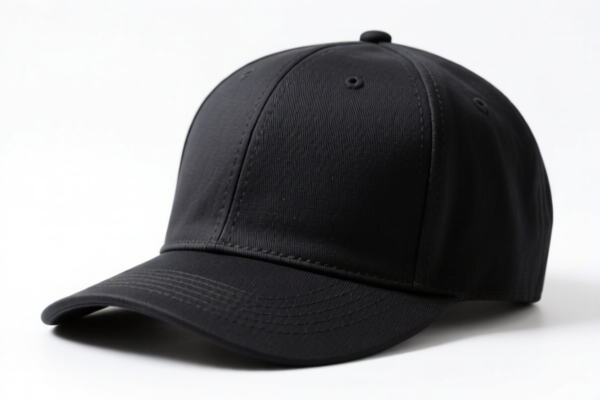
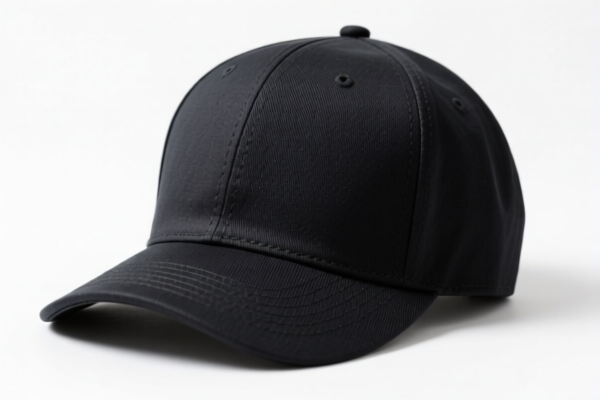
AI Analysis
🏗️ Fixed Base (固定座) – HS Code Classification & US Customs Clearance Guide
🌐 HS Code Reference & Customs Clearance Strategy | 2026 Latest Tariff Analysis | Professional Import Strategy
📌 I. Product Definition & Classification: Do You Really Understand "Fixed Base"?
A Fixed Base is a generic industrial component used to secure, support, or mount machinery, equipment, or structural elements. In international trade, it lacks a single dedicated HS Code because it is a multi-material, multi-function item.
The correct classification depends entirely on its Material Composition and Functional Role. Without specific material declaration, customs authorities may apply conflicting interpretations, leading to significant duty discrepancies.
⚠️ Key Classification Dilemma:
- Is it a Plastic component? → Falls under Chapter 39 (Plastics).
- Is it a Metal (Steel/Iron) bearing support? → Falls under Chapter 84 (Machinery Parts).
- Is it a Metal (Steel/Iron) structural bracket? → Falls under Chapter 73 (Iron/Steel Articles).
📦 II. HS Code Classification Details (2026 Latest Tariff Authority Comparison)
Based on the provided data, the "Fixed Base" is mapped to five potential HS Codes depending on material and function.
| HS Code | Product Description | Applicable Scenario | Material Conflict Check |
|---|---|---|---|
3926.90.25.00 |
Other塑料制品 (Other Plastic Articles) – Catch-all category | Plastic fixed bases with no specific plastic sub-category conflict | ✅ No Material Conflict |
8483.20.40.40 |
Bearing Seats / Flanges / Bushings | Fixed base matches morphology of bearing seats/flanges; used in machinery rotation support | ✅ No Material Conflict |
8483.20.40.80 |
Supports / Bearing Seat Parts | Fixed base matches morphology of bearing seats under Chapter 84; machinery part | ✅ No Material Conflict |
3926.30.50.00 |
Other Plastic Articles (Other) | Plastic fixed base falling under "other" plastic sub-categories | ✅ No Material Conflict |
7326.90.86.88 |
Structural Parts (Iron/Steel) | Fixed base inferred as Iron/Steel structural component; no material conflict | ✅ Inferred Steel/Iron |
🔍 Critical Warning:
- Plastic vs. Metal: The tariff difference is massive (24% vs. 87.9%). You must confirm the material.
- Machine Part vs. General Article: If used in machinery,8483codes are technically more accurate but carry high tariffs due to Section 301 tariffs.
- "Catch-All" Risks: Codes like3926.90.25.00are "catch-all" for plastics. If a more specific plastic code exists, customs may reject this.
💰 III. 2026 Latest Tariff Rate Breakdown (Including Surcharges & Policy Add-ons)
✅ Applicable Country: United States (US)
✅ Country of Origin: China (CN)
✅ Effective Time: Current rates apply to imports from China
🎯 1. 3926.90.25.00 – Other Plastic Articles (Plastic Fixed Base)
| Item | Content |
|---|---|
| Base Tariff | 6.5% |
| Section 301 Surcharge | +7.5% |
| Section 122 Tariff | +10% |
| Total Tariff | 24.0% |
| Tax Calculation | CIF Value × 24.0% |
| Legal Basis | Standard Plastic Chapter + Trade Act Surcharges |
📌 Explanation:
- This is the lowest tariff option for plastic fixed bases.
- Section 122 applies to specific national security or emergency imports.
- Section 301 (7.5%) is the standard additional tariff for Chinese plastics.
🎯 2. 8483.20.40.40 – Bearing Seats/Flanges (Machine Part)
| Item | Content |
|---|---|
| Base Tariff | 4.5% |
| Section 301 Surcharge | +25.0% |
| Section 122 Tariff | +10% |
| Total Tariff | 39.5% |
| Tax Calculation | CIF Value × 39.5% |
| Legal Basis | 8483.20.40.40 → Section 301 Footnote + Section 122 |
📌 Explanation:
- Technically correct if the base functions as a bearing seat or flange in rotating machinery.
- High Duty: The 25% Section 301 surcharge makes this significantly more expensive than plastic alternatives.
🎯 3. 8483.20.40.80 – Other Bearing Seat Parts (Machine Part)
| Item | Content |
|---|---|
| Base Tariff | 4.5% |
| Section 301 Surcharge | +25.0% |
| Section 122 Tariff | +10% |
| Total Tariff | 39.5% |
| Tax Calculation | CIF Value × 39.5% |
| Legal Basis | 8483.20.40.80 → Section 301 Footnote + Section 122 |
📌 Explanation:
- Similar to above, this is a "other" sub-category for bearing parts.
- Total Duty: 39.5%. Use only if the part is strictly a machine component and not a general structural bracket.
🎯 4. 3926.30.50.00 – Other Plastic Articles (Other)
| Item | Content |
|---|---|
| Base Tariff | 5.3% |
| Section 301 Surcharge | +7.5% |
| Section 122 Tariff | +10% |
| Total Tariff | 22.8% |
| Tax Calculation | CIF Value × 22.8% |
| Legal Basis | Standard Plastic Chapter + Trade Act Surcharges |
📌 Explanation:
- Another plastic option, slightly cheaper than3926.90.25.00(22.8% vs 24.0%).
- Applies if the plastic fixed base fits the "Other" definition in3926.30rather than the general "Other" in3926.90.
🎯 5. 7326.90.86.88 – Iron/Steel Structural Parts
| Item | Content |
|---|---|
| Base Tariff | 2.9% |
| Section 301 Surcharge | +25.0% |
| Section 122 Tariff | +10% |
| Steel/Aluminum/Copper Surcharge | +50% (Note: Text says "Steel, Aluminum, Copper products add 50%") |
| Total Tariff | 87.9% |
| Tax Calculation | CIF Value × 87.9% |
| Legal Basis | 7326.90.86.88 + Heavy Surcharges for Steel/Iron |
📌 Explanation:
- Extremely High Duty: This is the most expensive option.
- Why?: In addition to standard Section 301 (25%) and Section 122 (10%), there is an additional 50% surcharge for steel/iron/aluminum/copper products under specific trade provisions.
- Avoid Unless Necessary: Only declare as iron/steel if you cannot use plastic or machinery parts.
🛠️ IV. Customs Clearance Practical Advice (Real-World Pitfall Guide)
✅ 1. Documentation Checklist (Essential)
| Document | Required | Description |
|---|---|---|
| ✅ Material Declaration | ✔️ | Must specify: Plastic, Steel, or Iron. Ambiguity leads to 87.9% duty. |
| ✅ Product Specifications | ✔️ | Dimensions, load capacity, mounting holes. |
| ✅ Functional Description | ✔️ | Is it a Bearing Seat? Is it a Structural Bracket? Is it a Generic Mount? |
| ✅ Photos (Clear) | ✔️ | Show the base, material texture, and application context. |
| ✅ Commercial Invoice | ✔️ | Use precise language: "Plastic Fixed Base" or "Steel Bearing Support" |
| ✅ Packing List | ✔️ | List individual components if sold as a kit. |
✅ 2. Declaration Strategy (Key Mantra)
🔥 “Material First, Function Second, Avoid Steel If Possible!”
| Scenario | Correct HS Code | Wrong Declaration | Consequence |
|---|---|---|---|
| Plastic Base | 3926.90.25.00 or 3926.30.50.00 |
Declare as "Metal Base" | Duty jumps to 87.9% |
| Plastic Base | 3926.30.50.00 |
Declare as 3926.90.25.00 |
Slight overpayment (24% vs 22.8%) |
| Bearing Seat | 8483.20.40.40 |
Declare as "Plastic Bracket" | If steel, 87.9%; if plastic, 24% |
| Steel Bracket | 7326.90.86.88 |
Declare as "Machine Part" | If not a machine part, misclassification penalty + 87.9% duty |
✅ 3. Special Handling
| Scenario | Recommendation |
|---|---|
| Mixed Material Base (Plastic + Steel) | Declare the primary material. If steel is structural, 7326 may apply → High Duty. Consider redesigning in plastic if possible. |
| Bearing Base | If it rotates or supports a shaft, use 8483.20.40.40. Ensure you have drawings proving it’s a bearing seat. |
| Generic Mount | If it’s just a plastic block, use 3926.90.25.00 or 3926.30.50.00. Avoid 7326. |
| Steel Base | High Risk. Confirm if any exemption applies. Otherwise, budget for 87.9% duty. |
🌍 V. Global Market Comparison (2026 Update)
| Country/Region | Recommended HS Code | Estimated Duty | Notes |
|---|---|---|---|
| 🇺🇸 USA | 3926.90.25.00 (Plastic) |
24.0% | Lowest risk. Avoid Steel (87.9%). |
| 🇺🇸 USA | 8483.20.40.40 (Machine) |
39.5% | Use only if functional match is exact. |
| 🇪🇺 EU | 3926.90 (Plastic) |
~4-6% | No Section 301/122. Much cheaper. |
| 🇨🇳 China | 3926.90 (Plastic) |
~5-10% | Import duty into China. |
📌 Conclusion:
- USA is the most punitive market for "Fixed Bases" due to Section 301 and 122 tariffs.
- Plastic is the safest material for duty minimization.
- Steel is the most dangerous due to the additional 50% surcharge on iron/steel products.
📌 VI. Common Mistakes & Pitfalls (Lessons Learned)
❌ Mistake 1: Declaring a Steel Fixed Base as "Plastic"
👉 Consequence: Customs inspection reveals steel → 87.9% duty + fines.
❌ Mistake 2: Declaring a Plastic Bracket as a "Machine Part" (8483)
👉 Consequence: If not a bearing seat, customs may reclassify to general plastic (3926) but delay clearance for investigation.
❌ Mistake 3: Ignoring Section 122 Tariff
👉 Consequence: Many importers forget the 10% Section 122 add-on, leading to underpayment penalties.
❌ Mistake 4: Using "Fixed Base" as the only description
👉 Consequence: Too vague. Customs requires Material + Function.
✅ Correct Description:
"Plastic Fixed Base for Industrial Equipment, Model XYZ, No Electrical Components"
OR
"Steel Bearing Seat for Motor Mount, 2-inch Diameter"
🎯 VII. Conclusion: Professional Declaration, Cost Savings!
🎯 Remember the Mantra:
🔹 "Plastic is Cheap, Steel is Expensive!"
🔹 "Function Dictates Code, Material Dictates Duty!"
🔹 "Section 301 + 122 = High Cost, Plan Ahead!"
📌 Pro Tip:
If your fixed base is plastic, declare under 3926.90.25.00 or 3926.30.50.00 to save ~63% compared to steel.
If it is metal, consider redesigning in plastic or aluminum (if exempt) to avoid the 87.9% steel surcharge.
Apply for an Advance Ruling from US Customs if the material or function is ambiguous.
📣 Take Action Now:
📞 Contact your customs broker + Provide material specs + Confirm function
🚀 Optimize your HS Code, Reduce Tariffs, Secure Your Supply Chain!
✨ Professional Clearance Starts with Accurate Classification!
💼 Every Dollar Saved on Duty is Pure Profit!
Customer Reviews
About HS Code Classification
The Harmonized System (HS) is an internationally standardized nomenclature developed by the World Customs Organization (WCO) to classify traded products. Over 200 countries use the HS system as the basis for customs tariffs, trade statistics, and import/export regulations.
Each HS code follows a hierarchical structure:
- Chapter (2 digits) — Broad category of goods (e.g., Chapter 84: Machinery and Mechanical Appliances)
- Heading (4 digits) — More specific grouping within the chapter
- Subheading (6 digits) — Internationally standardized breakdown, used by all WCO member countries
- National subdivisions (8-10 digits) — Country-specific extensions for further classification, such as US HTSUS 10-digit codes
Correct HS code classification is essential for smooth customs clearance, accurate duty payment, and compliance with trade regulations. Misclassification can lead to customs delays, overpayment of duties, or penalties.
When importing from CN to US, the applicable tariff rates may include:
- Most-Favored-Nation (MFN) rate — The standard duty rate applied to WTO members
- General rate — Applied to countries without trade agreements
- Trade remedy duties — Additional tariffs such as Section 301 (anti-dumping), Section 232 (national security), or countervailing duties
The information provided on this page is for reference purposes only. For official classification, please consult with your local customs authority or a licensed customs broker.