Fixed Plate
CN → US| HS Code | Tariff Rate | Origin | Destination | Doc |
|---|---|---|---|---|
| 7610900040 | 90.7% | CN | US | Official Doc |
| 7326908688 | 87.9% | CN | US | Official Doc |
| 7326908630 | 87.9% | CN | US | Official Doc |
| 7610900080 | 90.7% | CN | US | Official Doc |
Product Images
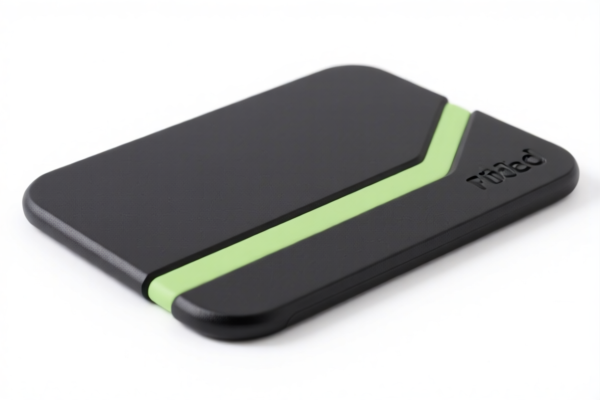
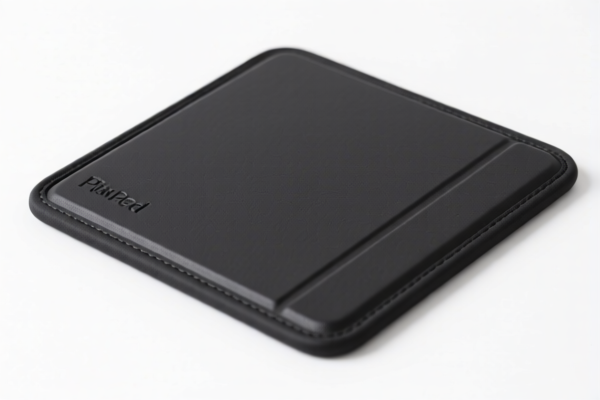
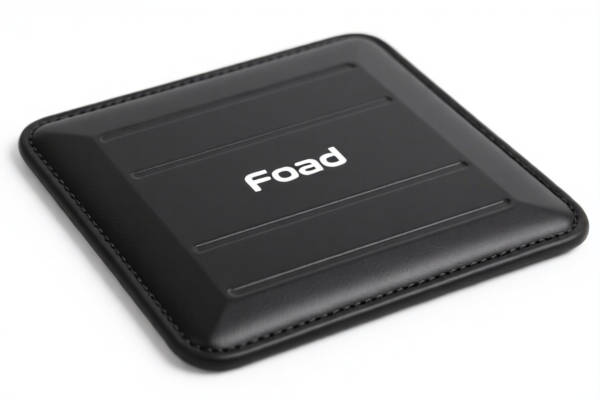
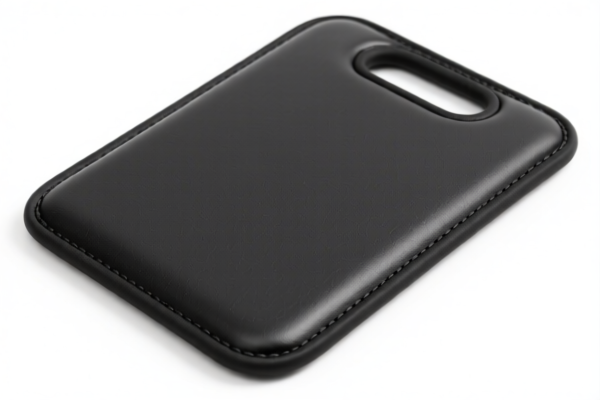
AI Analysis
🏗️ Fixed Plate (Metal Structural Components)
🌐 HS Code Reference & Customs Clearance Guide | 2026 Latest Tariff Analysis | Professional Clearance Strategy
📌 I. Product Definition & Classification: Do You Really Understand "Fixed Plates"?
In the international trade of construction and industrial materials, "Fixed Plates" are generic structural components. Their classification heavily depends on the material (Aluminum vs. Steel/Iron) and the specific application (General support vs. Structural connection).
⚠️ Critical Distinction:
- If made of Aluminum and used in building/decoration: Classified under Chapter 76 (Aluminum Articles).
- If made of Steel/Iron and used as supports/brackets: Classified under Chapter 73 (Articles of Iron or Steel).
- No Material Conflict Detected: The classification logic relies on the "Catch-all" provisions for specific material types.
📦 II. HS Code Classification Details (2026 Latest Tariff Authority Comparison)
Based on the provided data, there are four potential HS Codes depending on material and form. Below is the authoritative breakdown.
| HS Code | Product Description | Application Logic | Material Assumption |
|---|---|---|---|
7610.90.00.40 |
Aluminum structures and parts: Other (Fixed/Structural Plate) | Building/Decoration structural components; "Catch-all" for aluminum structural parts. | Aluminum |
7610.90.00.80 |
Aluminum structures and parts: Other (Support/Connecting Piece) | Structural support/connecting piece in buildings; "Catch-all" for aluminum parts not otherwise specified. | Aluminum |
7326.90.86.30 |
Other articles of iron or steel: Other (Supports & Similar Brackets) | Support/fixing components; Logic based on shape (bracket-like). | Steel/Iron |
7326.90.86.88 |
Other articles of iron or steel: Other (Generic Metal Structure) | General metal structural件; "Other" category for unspecified metal supports. | Steel/Iron |
🔍 Key Insight:
- Aluminum Products (7610...) are classified as "Structures and Parts."
- Steel/Iron Products (7326...) are classified as "Other Articles," specifically under "Supports" or generic "Other."
- No Material Conflict: The data suggests no conflict with plastic or wood, confirming these are metal-based.
💰 III. 2026 Latest Tariff Rate Details (Including Surcharges & Policy Add-ons)
✅ Applicable Country: United States (US)
✅ Origin: China (CN)
✅ Effective Date: Current (Post-2025 regulations)
The tax structure for ALL the above HS Codes is identical due to the high surcharge rates applied to Chinese-origin steel and aluminum products.
🎯 1. For 7610.90.00.40 (Aluminum Fixed Plate)
| Item | Content |
|---|---|
| Base Tariff | 5.7% (ad valorem) |
| Section 301 Surcharge | +25.0% |
| Section 122 Surcharge | +10.0% (Aluminum/Copper/Steel Products) |
| Section 232 Surcharge | +50.0% (Steel/Aluminum/Copper Products) |
| Total Tax Rate | 90.7% |
| Tax Calculation | CIF Value × 90.7% |
| De Minimis Exemption? | ❌ No (High rates exceed thresholds) |
| Legal Basis Path | USITC:7610.90.00.40 → SECTION:301(25%) → SECTION:122(10%) → SECTION:232(50%) |
📌 Explanation:
- Base 5.7%: Standard MFN rate for aluminum structures.
- 25% (Section 301): Retaliatory tariffs on Chinese goods.
- 10% (Section 122): National security tariff on imported aluminum.
- 50% (Section 232): Heavy tariff on steel/aluminum imports for national security.
- Total 90.7%: This is an extremely high effective tax rate, significantly impacting profitability.
🎯 2. For 7610.90.00.80 (Aluminum Support/Connector)
| Item | Content |
|---|---|
| Base Tariff | 5.7% (ad valorem) |
| Section 301 Surcharge | +25.0% |
| Section 122 Surcharge | +10.0% (Aluminum/Copper/Steel Products) |
| Section 232 Surcharge | +50.0% (Steel/Aluminum/Copper Products) |
| Total Tax Rate | 90.7% |
| Tax Calculation | CIF Value × 90.7% |
| De Minimis Exemption? | ❌ No |
| Legal Basis Path | USITC:7610.90.00.80 → SECTION:301(25%) → SECTION:122(10%) → SECTION:232(50%) |
📌 Note:
- Same as above. Whether it's a "plate" (40) or "other part" (80), the material (Aluminum) triggers the same Section 122/232 surcharges.
🎯 3. For 7326.90.86.30 (Steel Support/Bracket)
| Item | Content |
|---|---|
| Base Tariff | 2.9% (ad valorem) |
| Section 301 Surcharge | +25.0% |
| Section 122 Surcharge | +10.0% (Aluminum/Copper/Steel Products) |
| Section 232 Surcharge | +50.0% (Steel/Aluminum/Copper Products) |
| Total Tax Rate | 87.9% |
| Tax Calculation | CIF Value × 87.9% |
| De Minimis Exemption? | ❌ No |
| Legal Basis Path | USITC:7326.90.86.30 → SECTION:301(25%) → SECTION:122(10%) → SECTION:232(50%) |
📌 Explanation:
- Base 2.9%: Lower base rate for steel articles compared to aluminum structures.
- However, the Section 232 (50%) and Section 122 (10%) surcharges for steel/aluminum products still apply aggressively.
- Total 87.9%: Slightly lower than aluminum due to the lower base rate, but still prohibitive.
🎯 4. For 7326.90.86.88 (Steel Generic Structure)
| Item | Content |
|---|---|
| Base Tariff | 2.9% (ad valorem) |
| Section 301 Surcharge | +25.0% |
| Section 122 Surcharge | +10.0% (Aluminum/Copper/Steel Products) |
| Section 232 Surcharge | +50.0% (Steel/Aluminum/Copper Products) |
| Total Tax Rate | 87.9% |
| Tax Calculation | CIF Value × 87.9% |
| De Minimis Exemption? | ❌ No |
| Legal Basis Path | USITC:7326.90.86.88 → SECTION:301(25%) → SECTION:122(10%) → SECTION:232(50%) |
📌 Note:
- Same as above. The "Catch-all" nature (88) does not exempt it from material-specific national security tariffs.
🛠️ IV. Customs Clearance Practical Advice (Pitfall Avoidance Guide)
✅ 1. Preparation Checklist (Mandatory)
| Document | Required | Explanation |
|---|---|---|
| ✅ Product Specification | ✔️ | Must explicitly state Material (Aluminum vs. Steel) and Usage (Structural Support vs. General Plate). |
| ✅ Material Certification | ✔️ | Mill test certificates to prove alloy composition (critical for Section 232/122 applicability). |
| ✅ Product Photos | ✔️ | Clear images showing the shape (plate, bracket, connector) to justify HS Code selection. |
| ✅ Commercial Invoice | ✔️ | Must match the HS Code description (e.g., "Aluminum Structural Support" vs. "Steel Bracket"). |
| ✅ Origin Certificate | ✔️ | Proof of Chinese origin triggers the surcharges; non-China origin may reduce rates. |
✅ 2. Declaration Tips (Key Mantra)
🔥 "Material First, Shape Second, Surcharges are King!"
| Scenario | Correct Declaration | Wrong Practice |
|---|---|---|
| Aluminum Plate | 7610.90.00.40 or .80 |
Misdeclare as Steel → Audit Risk |
| Steel Bracket | 7326.90.86.30 or .88 |
Misdeclare as Aluminum → Wrong Tax Base |
| Generic Metal Part | Use "Other" (88) only if no specific support function |
Over-specifying as "Structural" when it's just a fastener plate |
| Non-China Origin | Declare correct country of manufacture | Falsifying origin → Severe Penalties |
📌 Crucial Warning:
- The Section 232 (50%) and Section 122 (10%) surcharges are material-based, not just product-based.
- Whether it is a "Plate," "Bracket," or "Support," if it is Steel or Aluminum from China, the high surcharges WILL APPLY.
- Do not attempt to bypass by misclassifying as "Fasteners" or "Other Metal Articles" if the primary function is structural support.
✅ 3. Special Situation Handling
| Situation | Handling Advice |
|---|---|
| Mixed Materials | If plate has aluminum body but steel bolts, declare the main body material. Provide detailed breakdown. |
| Processed vs. Raw | Finished structural plates are subject to Chapter 76/73. Raw slabs are different. Ensure correct chapter. |
| Pre-Clearance Ruling | Highly Recommended. Apply for an Advance Ruling from CBP to confirm the HS Code and surcharge applicability before shipment. |
| Supply Chain Diversification | Consider sourcing from Mexico, Vietnam, or EU to avoid Section 301/232/122 surcharges (if eligible). |
🌍 V. Global Market Comparison (2026 Latest)
| Country/Region | Recommended HS Code | Estimated Total Tax (China Origin) | Certification Required | Notes |
|---|---|---|---|---|
| 🇺🇸 USA | 7610... / 7326... |
87.9% - 90.7% | None specific | High due to Section 232/122/301 |
| 🇨🇳 China | 7610... / 7326... |
~2-5% (Import Duty) | CCC (if applicable) | Low import duty, but high export restrictions |
| 🇪🇺 EU | 7610... / 7326... |
~5-10% (Standard + Safeguards) | CE (if applicable) | EU has its own steel/aluminum safeguards, but different from US |
| 🇨🇦 Canada | 7610... / 7326... |
~5-15% | CSA | Similar to US but may have CUSMA exemptions for specific partners |
| 🇦🇺 Australia | 7610... / 7326... |
~5-10% | ACMA | No Section 232 equivalent |
📌 Conclusion:
- USA is the most challenging market for Chinese-made steel and aluminum fixed plates due to the compound surcharges (232+122+301).
- Total tax rates exceed 87%, which is economically unviable for low-margin goods.
- Strategy: Either absorb the cost, raise prices significantly, or shift supply chain to non-tariff-hit regions.
📌 VI. Common Errors & Pitfall Guide (Lessons Learned)
❌ Error 1: Declaring "Fixed Plate" without specifying material.
👉 Consequence: Customs will request clarification, causing delays and storage fees.
❌ Error 2: Assuming "Plate" means "Steel" when it is actually Aluminum.
👉 Consequence: Section 122/232 rates may differ or trigger audits for misclassification.
❌ Error 3: Ignoring Section 122 & 232 in cost calculations.
👉 Consequence: Underquoting the final landed cost by ~60%, leading to huge losses.
❌ Error 4: Using generic "Metal Parts" HS Codes to avoid structural classification.
👉 Consequence: CBP may reclassify as "Structural Articles," which have higher base rates and stricter scrutiny.
✅ Correct Approach:
"Aluminum Structural Support Plate, for Building Facade, Alloy 6061-T6, Made in China"
vs.
"Steel Bracket, Support Type, Made in China"
🎯 VII. Conclusion: Professional Declaration, Cost Control, Efficiency!
🎯 Remember the Mantra:
🔹 "Material Dictates Surcharge, Structure Dictates HS Code, China Origin = High Tax."
🔹 "Section 232 (50%) + Section 122 (10%) + Section 301 (25%) = ~90% Tax."
🔹 "De Minimis Does Not Apply, Plan Ahead or Pay the Price."
📌 Pro Tip:
If your fixed plates are originally from Mexico, Canada, or Vietnam (and meet Rules of Origin), you may be exempt from Section 301 (25%).
However, Section 232 (50%) and Section 122 (10%) are national security tariffs that may still apply to Aluminum/Steel regardless of origin (check latest CBP rulings).
Strongly recommend applying for an Advance Ruling (CBP 19 U.S.C. 1625) to lock in the classification and tax liability before shipment.
📣 Immediate Action:
📞 Contact a licensed US Customs Broker
📤 Provide Material Test Reports + Product Drawings
🚀 Get an Advance Ruling to Ensure Smooth Clearance and Accurate Costing!
✨ Professional Customs Clearance Starts with Accurate Classification!
💼 Every Cent of Your Cost Deserves Precise Calculation!
Customer Reviews
About HS Code Classification
The Harmonized System (HS) is an internationally standardized nomenclature developed by the World Customs Organization (WCO) to classify traded products. Over 200 countries use the HS system as the basis for customs tariffs, trade statistics, and import/export regulations.
Each HS code follows a hierarchical structure:
- Chapter (2 digits) — Broad category of goods (e.g., Chapter 84: Machinery and Mechanical Appliances)
- Heading (4 digits) — More specific grouping within the chapter
- Subheading (6 digits) — Internationally standardized breakdown, used by all WCO member countries
- National subdivisions (8-10 digits) — Country-specific extensions for further classification, such as US HTSUS 10-digit codes
Correct HS code classification is essential for smooth customs clearance, accurate duty payment, and compliance with trade regulations. Misclassification can lead to customs delays, overpayment of duties, or penalties.
When importing from CN to US, the applicable tariff rates may include:
- Most-Favored-Nation (MFN) rate — The standard duty rate applied to WTO members
- General rate — Applied to countries without trade agreements
- Trade remedy duties — Additional tariffs such as Section 301 (anti-dumping), Section 232 (national security), or countervailing duties
The information provided on this page is for reference purposes only. For official classification, please consult with your local customs authority or a licensed customs broker.