Fixed Strap
CN → US| HS Code | Tariff Rate | Origin | Destination | Doc |
|---|---|---|---|---|
| 5609004000 | 38.9% | CN | US | Official Doc |
| 3926905900 | 37.4% | CN | US | Official Doc |
| 5609003000 | 39.5% | CN | US | Official Doc |
| 3926906090 | 39.2% | CN | US | Official Doc |
| 7326908688 | 87.9% | CN | US | Official Doc |
Product Images
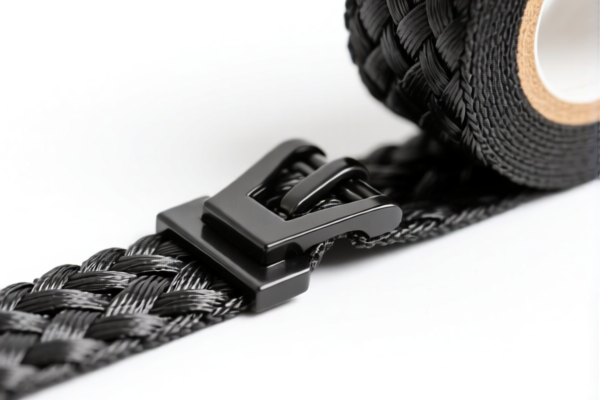
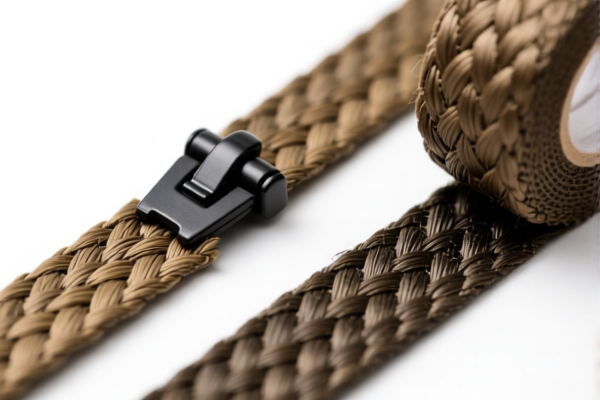
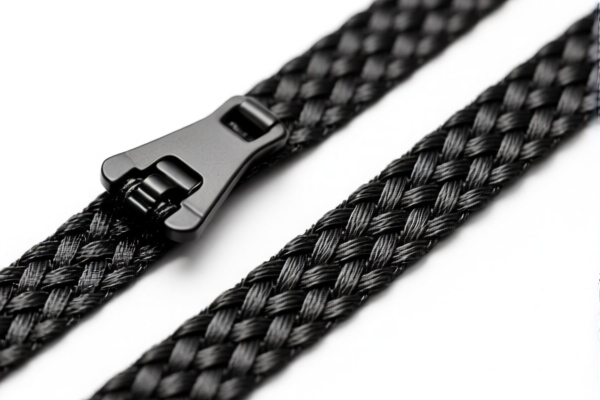
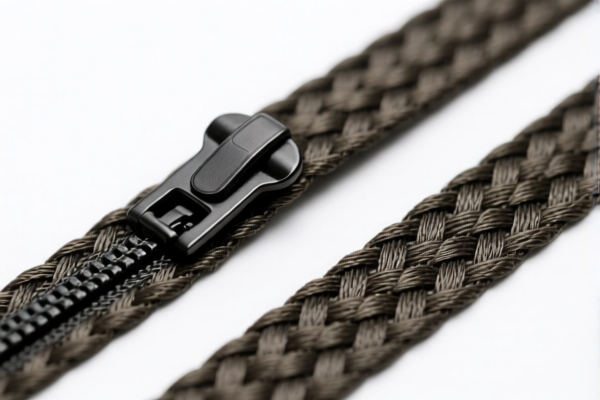
AI Analysis
🎗️ Fixed Strap (Bands & Buckles) | HS Code Classification & 2026 US Tariff Guide
🌐 HS Code Reference & Customs Clearance Guide | 2026 Latest Tariff Analysis | Professional Clearance Strategy
📌 一、Product Definition & Classification: What is a "Fixed Strap"?
In international trade, "Fixed Strap" is a generic term that can refer to two distinct components often used together or sold separately: 1. The Strap (Belt/Tape): A flexible strip made of textile, plastic, or synthetic fiber used for binding, securing, or supporting. 2. The Buckle/Clasp (Fastener): A metal (or plastic) component used to fasten the strap.
The HS Code classification depends entirely on the primary material and the form of the item. Below are the 5 most likely classifications based on your data, categorized by material and function.
📦 二、HS Code Classification Matrix (2026 Latest Data)
| HS Code | Product Description | Material/Composition | Key Identification Feature |
|---|---|---|---|
5609.00.30.00 |
Textile/Strap Band | Artificial/Synthetic Fiber | A flat band made of woven or non-woven synthetic fibers. |
3926.90.60.90 |
Plastic/Other Band | Plastic or Other Materials | A band made of plastic, rubber, or other non-textile materials. |
5609.00.40.00 |
Other Yarn/Strip Articles | Yarn/Strip/Textile | General category for straps not covered elsewhere, often textile-based. |
3926.90.59.00 |
Transmission Belt/Strap | Plastic/Fiber Mix | Often used for industrial belts or specific plastic-bound straps. |
7326.90.86.88 |
Metal Buckle/Fastener | Iron/Steel/Metal | The metal clasp or buckle component (not the strap itself). |
⚠️ Critical Distinction:
- If the item is only the flexible band, it falls under 5609 (Textile) or 3926 (Plastic).
- If the item is only the metal clasp, it falls under 7326 (Metal Articles).
- If they are packaged together as a set, the classification usually follows the main component (often the strap).
💰 三、2026 US Tariff Rate Breakdown (Section 301 & 122 Measures)
✅ Applicable Market: United States (US)
✅ Origin: China (CN)
✅ Impact: All items below are subject to Section 301 Tariffs and Section 122 Tariffs.
🎯 1. 5609.00.30.00 — Synthetic Fiber Strap (Textile)
| Item | Detail |
|---|---|
| Base Tariff | 4.5% |
| Section 301 Tariff | +25.0% (Retaliatory Tariff) |
| Section 122 Tariff | +10.0% (Air Transport Security Measure) |
| Total Tax Rate | 39.5% |
| Calculation | CIF Value × 39.5% |
| De Minimis Exemption | ❌ NOT Eligible (Section 301/122 items are excluded) |
| Legal Path | HTSUS: 5609.00.30.00 → USITC Footnote 301 → Section 122 |
📌 Explanation:
- This is the most common classification for nylon, polyester, or woven synthetic straps.
- The total duty is nearly 40%, significantly impacting profit margins.
- Note: Even if the strap is dyed or coated, it remains under this heading unless it becomes a finished garment accessory.
🎯 2. 3926.90.60.90 — Plastic/Other Material Strap
| Item | Detail |
|---|---|
| Base Tariff | 4.2% |
| Section 301 Tariff | +25.0% |
| Section 122 Tariff | +10.0% |
| Total Tax Rate | 39.2% |
| Calculation | CIF Value × 39.2% |
| De Minimis Exemption | ❌ NOT Eligible |
| Legal Path | HTSUS: 3926.90.60.90 → USITC Footnote 301 → Section 122 |
📌 Explanation:
- Applies to plastic ties, Velcro-like strips, or non-textile bands.
- Slightly cheaper than textile straps (39.2% vs 39.5%), but the difference is minimal.
- Ensure the product is not classified as "rubber" (Chapter 40) or "leather" (Chapter 41), which have different rules.
🎯 3. 5609.00.40.00 — Other Textile/Strip Articles
| Item | Detail |
|---|---|
| Base Tariff | 3.9% |
| Section 301 Tariff | +25.0% |
| Section 122 Tariff | +10.0% |
| Total Tax Rate | 38.9% |
| Calculation | CIF Value × 38.9% |
| De Minimis Exemption | ❌ NOT Eligible |
| Legal Path | HTSUS: 5609.00.40.00 → USITC Footnote 301 → Section 122 |
📌 Explanation:
- A "catch-all" for straps that don’t fit specific textile subheadings.
- Lowest total tariff in the textile group, but requires careful justification to avoid misclassification penalties.
🎯 4. 3926.90.59.00 — Transmission Belt/Plastic Strap
| Item | Detail |
|---|---|
| Base Tariff | 2.4% |
| Section 301 Tariff | +25.0% |
| Section 122 Tariff | +10.0% |
| Total Tax Rate | 37.4% |
| Calculation | CIF Value × 37.4% |
| De Minimis Exemption | ❌ NOT Eligible |
| Legal Path | HTSUS: 3926.90.59.00 → USITC Footnote 301 → Section 122 |
📌 Explanation:
- Often used for industrial plastic belts or specific polymer-based straps.
- Lowest base rate (2.4%), making it the most tax-efficient if the product qualifies as a "transmission belt" or similar plastic article.
🎯 5. 7326.90.86.88 — Metal Buckle/Fastener
| Item | Detail |
|---|---|
| Base Tariff | 2.9% |
| Section 301 Tariff | +25.0% |
| Section 122 Tariff | +10.0% |
| Steel/Aluminum/Copper Surcharge | +50.0% (Specific to Section 232/301) |
| Total Tax Rate | 87.9% |
| Calculation | CIF Value × 87.9% |
| De Minimis Exemption | ❌ NOT Eligible |
| Legal Path | HTSUS: 7326.90.86.88 → USITC Footnote 301 → Section 232/122 |
📌 ⚠️ CRITICAL WARNING:
- Metal buckles/clasps are extremely expensive to import from China.
- The 50% additional tariff for steel/aluminum/copper products pushes the total to 87.9%.
- Strategy: Avoid importing metal buckles separately. If the strap and buckle are sold as a set, try to classify the entire set under the strap’s HS Code (e.g., 5609 or 3926) if the strap is the essential character. Do not declare the buckle separately.
🛠️ 四、Customs Clearance Practical Advice
✅ 1. Documentation Checklist (Mandatory)
| Document | Required? | Notes |
|---|---|---|
| Product Specification Sheet | ✔️ | Must specify: Material (e.g., 100% Polyester Nylon, PVC, Steel), Width, Length. |
| Photos (Clear & Detailed) | ✔️ | Show texture (weave vs smooth), color, and any branding. |
| Commercial Invoice | ✔️ | Must use precise English description: "Nylon Webbing Strap, 1 inch wide, for luggage" or "Plastic Cable Tie". |
| Origin Certificate | ✔️ | Prove country of origin to apply Section 301 rates. |
| Packing List | ✔️ | Clearly state if buckles are included. If included, declare as a set under the strap’s HS Code. |
✅ 2. Declaration Strategy (Crucial for Cost Saving)
🔥 Golden Rule:
"Declare the Set as the Main Item, Avoid Metal-Only Classification!"
| Scenario | Recommended Action | Risk |
|---|---|---|
| Strap + Metal Buckle Sold Together | Classify under Strap HS Code (e.g., 5609.00.30.00 @ 39.5%). Argue that the strap provides the essential character. |
Low Risk if documented well. |
| Metal Buckle Declared Separately | Classify under 7326.90.86.88 (@ 87.9%). |
High Cost! Avoid this at all costs. |
| Plastic Strap Declared as Textile | Misclassification. | Customs may audit, impose penalties, and reassess taxes. |
| Textile Strap Declared as Plastic | Misclassification. | Potential duty loss (39.5% vs 39.2% is small, but compliance is key). |
✅ 3. Special Handling Tips
| Situation | Advice |
|---|---|
| De Minimis (Section 321) | ❌ Do NOT use for China-origin straps/buckles. Section 301 and 122 tariffs block the $800 exemption. |
| Material Ambiguity | If the strap has a plastic coating, provide a lab test report proving the base material is textile (for 5609) or plastic (for 3926). |
| Buckle Material | If the buckle is plastic, it may be included in the 3926 classification. If metal, try to bundle it with the strap under 5609/3926. |
| Section 122 Impact | Remember, the +10% is for air transport security. If shipped by sea, Section 122 may not apply, potentially saving 10%. Verify with your freight forwarder. |
🌍 五、Global Market Comparison (2026)
| Country | HS Code Range | Total Tariff (China Origin) | Notes |
|---|---|---|---|
| 🇺🇸 USA | 5609 / 3926 / 7326 | 37.4% – 87.9% | Heavy Section 301 + 122 tariffs. |
| 🇨🇳 China | 5609 / 3926 | 5% – 10% | No retaliatory tariffs. |
| 🇪🇺 EU | 5609 / 3926 | 4% – 6% | No Section 301 equivalent. |
| 🇲🇽 Mexico | 5609 / 3926 | 5% | USMCA may allow duty-free if local content rules met. |
| 🇻🇳 Vietnam | 5609 / 3926 | 0% – 4% | If produced in Vietnam, may qualify for preferential rates. |
📌 Conclusion:
- The US is the most expensive market for these goods due to layered tariffs.
- Consider sourcing buckles from non-China sources or producing final assemblies in Vietnam/Mexico to mitigate tariffs.
📌 六、Common Mistakes & Pitfalls
❌ Mistake 1: Declaring a "Strap with Buckle" as two separate items.
👉 Result: The buckle gets taxed at 87.9%.
✅ Fix: Declare as a single article (the strap) with the buckle as an accessory.
❌ Mistake 2: Using "De Minimis" for China-origin straps.
👉 Result: Shipment held at customs, penalties applied, and taxes reassessed.
✅ Fix: Always pay the full tariff (37-40%) for China-origin items.
❌ Mistake 3: Vague descriptions like "Strap" or "Band".
👉 Result: Customs may misclassify, leading to audits.
✅ Fix: Use specific terms: "Woven Polyester Webbing Strap, 2cm Width" or "PVC Cable Management Strap".
🎯 七、Final Recommendation
🎯 Strategy for Importers:
- Pre-Classify: Confirm material composition with the supplier. Is it 100% Polyester? Or PVC?
- Bundle Smartly: If buying straps with metal buckles, ensure the invoice lists them as a "Set" and classify under the strap’s HS Code.
- Avoid Metal-Only Imports: Do not import metal buckles from China if possible. The 87.9% tariff is prohibitive.
- Verify Shipping Method: If using Ocean Freight, check if Section 122 (+10%) still applies (it often does for security, but confirm).
- Consider Alternative Origins: If volumes are high, explore sourcing from Vietnam or Thailand to avoid Section 301 tariffs.
📣 Action Plan:
📞 Contact your customs broker with:
1. Product Photos
2. Material Composition Report
3. Intended HS Code
4. Request a Pre-Ruling if the shipment value is high.🚀 Save Costs by Classifying Correctly!
A 2% difference in tariff (e.g., 39.5% vs 37.4%) can save thousands on large shipments.
✨ Professional Clearance Starts with Precise Classification!
💼 Every Percent Matters in Global Trade!
Customer Reviews
About HS Code Classification
The Harmonized System (HS) is an internationally standardized nomenclature developed by the World Customs Organization (WCO) to classify traded products. Over 200 countries use the HS system as the basis for customs tariffs, trade statistics, and import/export regulations.
Each HS code follows a hierarchical structure:
- Chapter (2 digits) — Broad category of goods (e.g., Chapter 84: Machinery and Mechanical Appliances)
- Heading (4 digits) — More specific grouping within the chapter
- Subheading (6 digits) — Internationally standardized breakdown, used by all WCO member countries
- National subdivisions (8-10 digits) — Country-specific extensions for further classification, such as US HTSUS 10-digit codes
Correct HS code classification is essential for smooth customs clearance, accurate duty payment, and compliance with trade regulations. Misclassification can lead to customs delays, overpayment of duties, or penalties.
When importing from CN to US, the applicable tariff rates may include:
- Most-Favored-Nation (MFN) rate — The standard duty rate applied to WTO members
- General rate — Applied to countries without trade agreements
- Trade remedy duties — Additional tariffs such as Section 301 (anti-dumping), Section 232 (national security), or countervailing duties
The information provided on this page is for reference purposes only. For official classification, please consult with your local customs authority or a licensed customs broker.