Fixed plastic windows
CN → US| HS Code | Tariff Rate | Origin | Destination | Doc |
|---|---|---|---|---|
| 3925200091 | 22.8% | CN | US | Official Doc |
| 3925200020 | 22.8% | CN | US | Official Doc |
| 3926305000 | 22.8% | CN | US | Official Doc |
| 7326190080 | 87.9% | CN | US | Official Doc |
| 7326908688 | 87.9% | CN | US | Official Doc |
Product Images
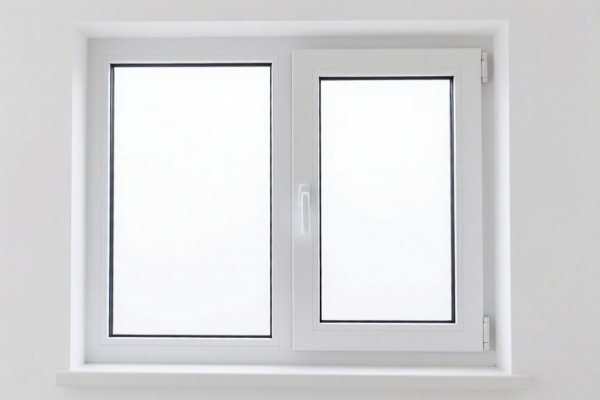
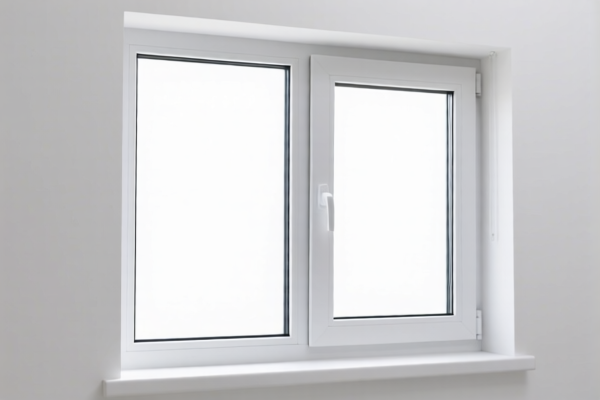
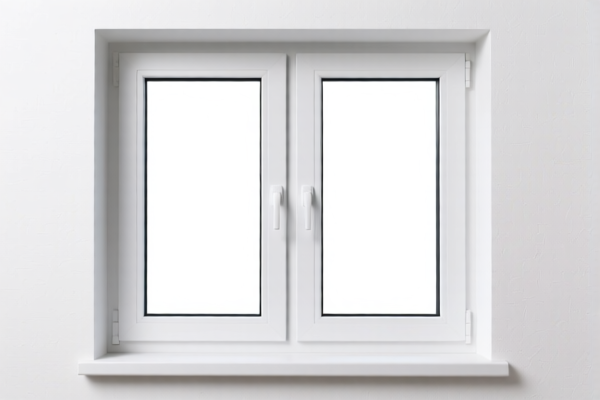
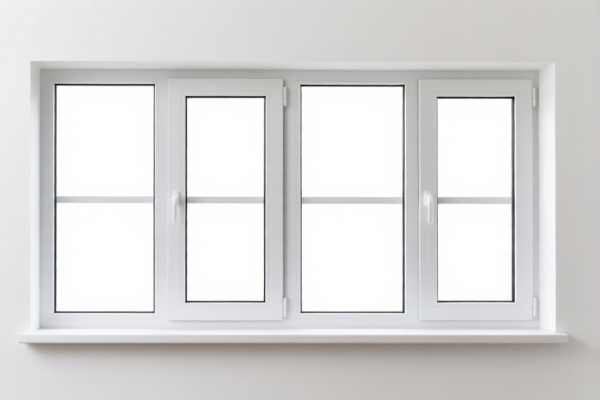
AI Analysis
🪟 Fixed Plastic Windows & Skylight Fittings | 2026 Import Strategy & HS Code Breakdown
🌐 HS Code Reference & Clearance Guide | Latest Tariff Analysis for US Imports | Professional Customs Strategy
📌 I. Product Definition & Classification: What Exactly Are "Fixed Plastic Windows"?
"Fixed Plastic Windows" refer to non-opening window units constructed primarily from plastic materials (such as PVC, uPVC, or vinyl). Unlike operable windows, these units are designed to remain stationary, serving primarily for ventilation control (via separate vents) or aesthetic lighting purposes.
In international trade, classification depends heavily on: 1. Material Composition: Is it purely plastic, or does it include metal framing/fixings? 2. Function: Is it a complete window unit, a skylight component, or a standalone fastener? 3. Intended Use: Residential, commercial, or industrial roofing?
⚠️ Critical Distinction Point:
- If the product is entirely plastic (including frames and sashes) → It falls under Chapter 39.
- If the product contains metal components (e.g., steel brackets, iron fixings for skylights) → It may fall under Chapter 73, leading to significantly higher tariffs.
📦 II. HS Code Classification Details (2026 Latest Tariff Authority Mapping)
Based on the provided data, here are the specific HS Codes for fixed plastic windows and related skylight components:
| HS Code | Product Description | Material Inference | Primary Use | Tariff Impact |
|---|---|---|---|---|
3925.20.00.91 |
Plastic Windows | Plastic | Windows | 22.8% |
3925.20.00.20 |
Plastic Windows | Plastic | Windows & Frames | 22.8% |
3926.30.50.00 |
Skylight Fixings | Plastic (Inferred) | Connectors/Fixings | 22.8% |
7326.19.00.80 |
Skylight Fixings | Steel (Inferred) | Other Steel Articles | 87.9% |
7326.90.86.88 |
Skylight Fixings | Iron/Steel (Inferred) | Other Articles | 87.9% |
🔍 Key Insight:
- Codes3925.20.00.91and3925.20.00.20are your primary targets for plastic windows.
- Codes7326.19.00.80and7326.90.86.88apply only if the "fixings" are made of steel or iron, which incurs a massive tariff hike due to Section 232 and Section 301 tariffs.
- Do not mix classifications: A plastic window with steel brackets must be classified based on the essential character or split if declared separately, but typically, the main product (window) dictates the classification unless accessories are declared separately.
💰 III. 2026 Latest Tariff Rate Breakdown (Including Surcharges & Policy Add-ons)
✅ Applicable Country: United States (US)
✅ Origin: China (CN)
✅ Effective Date: Current rates include 122 Section Additions and ongoing trade measures.
🎯 1. Plastic Windows (3925.20.00.91 & 3925.20.00.20) & Plastic Fixings (3926.30.50.00)
| Item | Detail |
|---|---|
| Base Duty Rate | 5.3% |
| Section 301 Add-on | 7.5% |
| Section 122 Tariff | 10% |
| Total Effective Tariff | 22.8% |
| Tax Calculation | CIF Value × 22.8% |
| De Minimis Eligibility | ❌ Not Eligible (Due to Section 301 & 122 thresholds) |
| Legal Authority Path | HTS:3925.20.00 → Section 301 Footnote → Section 122 Add-on |
📌 Explanation:
- These plastic products are subject to standard base tariffs plus aggressive additional levies.
- The 22.8% rate is consistent across all plastic window and plastic fixing codes in the provided data.
- Cost Warning: This is a moderate-to-high tariff for consumer building materials. Budget accordingly for landed cost calculations.
🎯 2. Steel/Iron Skylight Fixings (7326.19.00.80 & 7326.90.86.88)
| Item | Detail |
|---|---|
| Base Duty Rate | 2.9% |
| Section 301 Add-on | 25.0% |
| Section 122 Tariff | 10% |
| Section 232 (Steel/Aluminum/Copper) | 50% |
| Total Effective Tariff | 87.9% |
| Tax Calculation | CIF Value × 87.9% |
| De Minimis Eligibility | ❌ Not Eligible |
| Legal Authority Path | HTS:7326 → Section 232 → Section 301 → Section 122 |
📌 Explanation:
- CRITICAL ALERT: If your "skylight fixings" are made of steel or iron, the tariff skyrockets to 87.9%.
- This is due to the Section 232 national security tariffs on steel/aluminum products, layered on top of Section 301 and Section 122 duties.
- Recommendation: If possible, use plastic or non-ferrous metal (e.g., aluminum, though still subject to some rules) fixings to avoid this penalty. However, note that aluminum also faces Section 232, so verify specific alloy classifications.
🛠️ IV. Practical Clearance Advice (Pitfall Avoidance Guide)
✅ 1. Document Preparation Checklist (All Required)
| Document | Mandatory? | Notes |
|---|---|---|
| ✅ Commercial Invoice | ✔️ | Must clearly state "Plastic Window" or "Skylight Fittings" and specify material. |
| ✅ Packing List | ✔️ | Detail weights and dimensions. Separate plastic vs. steel items if mixed. |
| ✅ Product Specifications | ✔️ | Confirm material composition (e.g., "100% PVC" vs. "Steel Brackets"). |
| ✅ Photos of Product | ✔️ | Show the window/fixing to prove material type (plastic vs. metal). |
| ✅ Origin Certificate | ✔️ | If not from China, may reduce Section 301/122 duties (if applicable). |
✅ 2. Declaration Strategy (Key Rules)
🔥 “Material Matters: Plastic is 22.8%, Steel is 87.9%!”
| Scenario | Correct Declaration | Mistake to Avoid |
|---|---|---|
| All-Plastic Window | 3925.20.00.91 |
Do not list as "Window" without material. Must specify "Plastic". |
| Window + Plastic Frame | 3925.20.00.20 |
Ensure frame is plastic. If metal, reclassify. |
| Skylight Bracket (Steel) | 7326.19.00.80 |
Expect 87.9% tariff. No exemption. |
| Skylight Bracket (Plastic) | 3926.30.50.00 |
Saves 65.1% vs. steel version. |
✅ 3. Special Handling Tips
| Situation | Recommendation |
|---|---|
| Mixed Container | If shipping both plastic windows and steel fixings, declare them separately. Do not blend values. |
| Customs Audit Risk | Customs may test material composition. Ensure packaging clearly identifies "Plastic" to avoid misclassification penalties. |
| Value Declaration | Declare accurately. Under-declaring value on high-tariff items (87.9%) can lead to severe fines. |
🌍 V. Global Market Comparison (2026 Snapshot)
| Market | HS Code (Plastic Window) | Tariff | Notes |
|---|---|---|---|
| 🇺🇸 US | 3925.20.00.91 |
22.8% | Includes Section 301 & 122 |
| 🇪🇺 EU | 3925.20 |
Varies (Usually 0-6.5%) | No Section 301/122 equivalent |
| 🇨🇳 China | 3925.20 |
0% - 5% | Import duties are low; focus on VAT |
| 🇨🇦 Canada | 3925.20 |
0% | CUSMA benefits if originating |
📌 Conclusion:
- The US market is the most expensive for plastic windows due to layered tariffs.
- Steel fixings are prohibitively expensive (87.9%) in the US. Consider redesigning with plastic or alternative materials if possible.
📌 VI. Common Errors & Pitfall Guide (Lessons Learned)
❌ Error 1: Declaring steel fixings as "Hardware" without specifying material.
👉 Result: Customs reclassifies under Section 232 → 87.9% tariff + penalties.
❌ Error 2: Claiming "Plastic Windows" when they have significant metal frames.
👉 Result: Rejection or reclassification under 7308 (Steel structures) → Higher duties + delays.
❌ Error 3: Ignoring Section 122 tariffs.
👉 Result: Unexpected 10% charge on top of existing 22.8% total if not accounted for in pricing.
✅ Correct Approach:
“Fixed Window, PVC Material, 1200x800mm, No Moving Parts, Model XYZ, Made in China”
🎯 VII. Conclusion: Professional Classification Saves Money!
🎯 Remember the Golden Rule:
🔹 “Plastic Windows: 22.8%. Steel Fixings: 87.9%. Know your material!”
🔹 “HS Code is not just a number; it’s your tax bill. Get it right, get it fast.”
📌 Pro Tip:
If you are importing skylight components, consider if plastic fasteners can replace steel ones. The 65.1% tariff difference can make or break your profit margin. Always consult a customs broker for Advance Rulings if your product design is hybrid (e.g., plastic window with metal reinforcement).
📣 Immediate Action Required:
📞 Contact a Customs Broker to verify the exact material composition of your fixings.
🚀 Optimize Your BOM (Bill of Materials) to maximize plastic components where possible.
💡 Let your windows pass smoothly, your profits soar!
✨ Professional Clearance Starts with Accurate Classification!
💼 Every percentage point counts in international trade!
Customer Reviews
About HS Code Classification
The Harmonized System (HS) is an internationally standardized nomenclature developed by the World Customs Organization (WCO) to classify traded products. Over 200 countries use the HS system as the basis for customs tariffs, trade statistics, and import/export regulations.
Each HS code follows a hierarchical structure:
- Chapter (2 digits) — Broad category of goods (e.g., Chapter 84: Machinery and Mechanical Appliances)
- Heading (4 digits) — More specific grouping within the chapter
- Subheading (6 digits) — Internationally standardized breakdown, used by all WCO member countries
- National subdivisions (8-10 digits) — Country-specific extensions for further classification, such as US HTSUS 10-digit codes
Correct HS code classification is essential for smooth customs clearance, accurate duty payment, and compliance with trade regulations. Misclassification can lead to customs delays, overpayment of duties, or penalties.
When importing from CN to US, the applicable tariff rates may include:
- Most-Favored-Nation (MFN) rate — The standard duty rate applied to WTO members
- General rate — Applied to countries without trade agreements
- Trade remedy duties — Additional tariffs such as Section 301 (anti-dumping), Section 232 (national security), or countervailing duties
The information provided on this page is for reference purposes only. For official classification, please consult with your local customs authority or a licensed customs broker.