Flame Aroma Diffuser
CN → US| HS Code | Tariff Rate | Origin | Destination | Doc |
|---|---|---|---|---|
| 3926909989 | 22.8% | CN | US | Official Doc |
| 3926909910 | 22.8% | CN | US | Official Doc |
| 8543709860 | 37.6% | CN | US | Official Doc |
| 8543708900 | 17.5% | CN | US | Official Doc |
Product Images
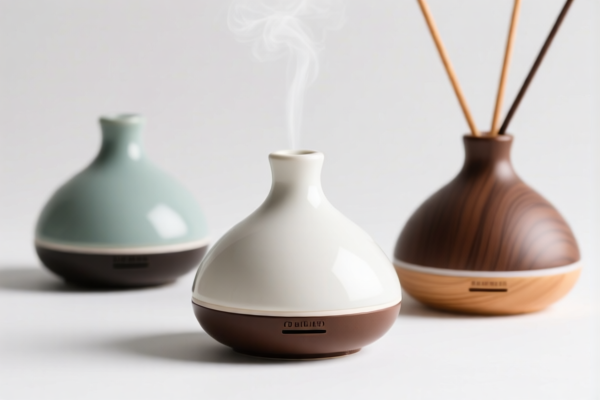
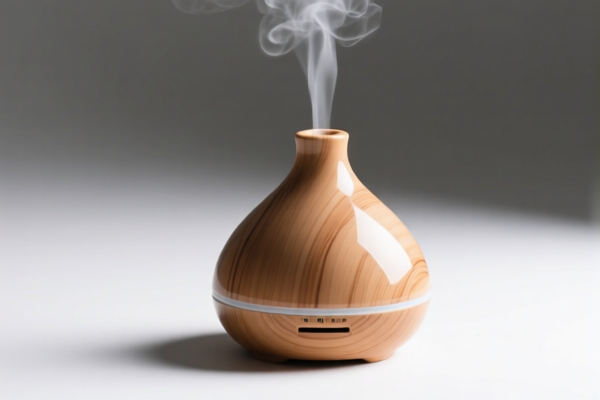
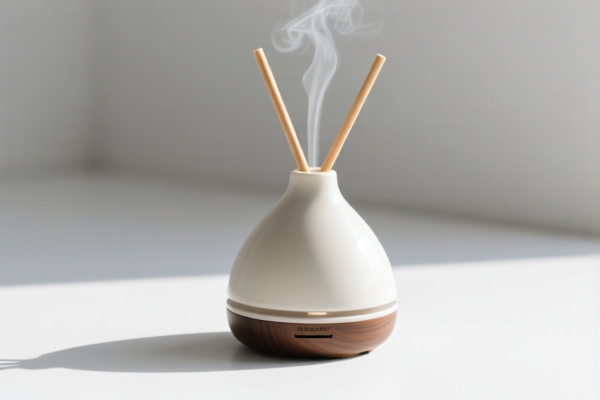
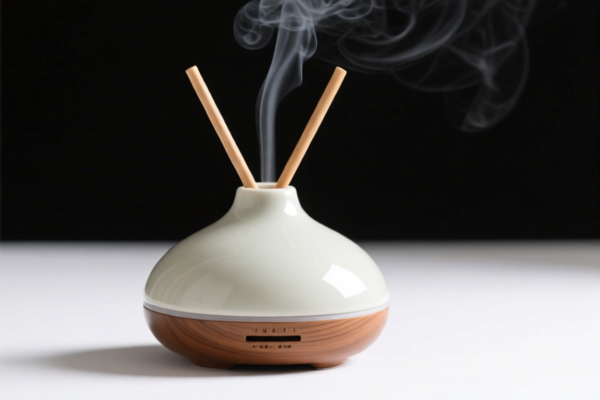
AI Analysis
🔥 Flame Aroma Diffuser (Flameless Essential Oil Burner)
🌐 HS Code Reference & Customs Clearance Guide | 2024 Latest Tariff Analysis | Professional Entry Strategy
📌 I. Product Definition & Classification: What Exactly Is a "Flame Aroma Diffuser"?
In the global trade of home wellness devices, the term "Flame Aroma Diffuser" typically refers to electric ceramic or ultrasonic oil burners designed to mimic the look of a flame while using essential oils. Crucially, these devices do not use an open flame but often use LED lighting or water/ultrasonic mist to diffuse scents.
Key Distinction: * Electric/Hybrid Diffusers: Use electricity, LEDs, or water/ultrasonic tech. Regulated as electrical apparatus. * Pure Plastic/Ceramic Holders: If the item is merely a passive holder (no electronics, no motor, no water pump) and relies on ambient heat or passive evaporation, it may be classified as articles of plastic/ceramic.
⚠️ Critical Clarification for 2024:
Most commercial "Flame Diffusers" sold online are electric appliances with heating elements or ultrasonic transducers. They fall under Chapter 85 (Electrical Machinery). If it is purely a non-electric plastic dish, it falls under Chapter 39 or 69 (Plastics/Ceramics).
Based on the provided DATA, we analyze the two most likely scenarios: Electrical vs. Non-Electrical Plastic.
📦 II. HS Code Classification Details (Based on Provided DATA)
The provided data suggests two primary pathways depending on the technical composition and function of the diffuser.
| HS Code | Product Description | Applicable Scenario | Electronic Component? |
|---|---|---|---|
| 8543.70.98.60 | Other machines and apparatus, having individual functions, not specified elsewhere: Other: Other: Other: Other Other | Electric Ultrasonic/Heating Diffusers: Devices with a motor, heating element, pump, or control circuit that actively diffuses scent. | ✅ Yes (Active Electronics) |
| 3926.90.99.89 | Other articles of plastics and articles of other materials of headings 3901 to 3914: Other: Other Other | Passive Plastic Diffusers: Non-electric plastic bowls/dishes that hold oil and rely on ambient air or external heat sources (e.g., a tea light holder if no electronics are inside). | ❌ No (Passive Material) |
🔍 Classification Logic:
- If the device has a plug, battery, switch, or internal circuitry (even for LED lights + mist), it is electrical machinery → 8543.70.98.60.
- If the device is purely a plastic container with no internal electronics, it is an article of plastic → 3926.90.99.89.
- Note: "Laboratory ware" (3926.90.99.10) is NOT applicable unless explicitly certified and sold for lab use.
💰 III. 2024 Latest Tariff Rate Breakdown (US Import from China)
✅ Applicable Country: United States (US)
✅ Origin: China (CN)
✅ Effective Time: Current rates (Subject to 301/IEEPA adjustments)
🎯 1. 8543.70.98.60 —— Electric/Active Aroma Diffusers
| Item | Content |
|---|---|
| Base Tariff | 2.6% (General Rate) |
| Section 301/IEEPA Additional Tariff | +25.0% |
| Total Tariff Rate | 27.6% |
| Tax Calculation | CIF Value × 27.6% |
| De Minimis Eligibility | ❌ Not Eligible (Value > $800 triggers formal entry; under $800, different rules may apply, but tariff exposure exists) |
| Legal Basis Path | USITC:8543.70.98.60 → Section 301: 25% surcharge on Chapter 85 items from China |
📌 Explanation:
- The 2.6% is the standard MFN (Most Favored Nation) duty for other electrical machines.
- The 25% is the punitive tariff added under Section 301 for Chinese-made electrical goods.
- Total Cost Impact: High. Importers must budget for nearly 28% of the product value in duties alone.
🎯 2. 3926.90.99.89 —— Passive Plastic Diffuser Containers
| Item | Content |
|---|---|
| Base Tariff | 5.3% (General Rate) |
| Section 301/IEEPA Additional Tariff | +7.5% |
| Total Tariff Rate | 12.8% |
| Tax Calculation | CIF Value × 12.8% |
| De Minimis Eligibility | ✅ Eligible for De Minimis (Section 321) if shipped via courier (UPS/FedEx/DHL) with value < $800, provided it is not restricted. |
| Legal Basis Path | USITC:3926.90.99.89 → Section 301: 7.5% surcharge on plastic articles from China |
📌 Explanation:
- Plastic articles have a higher base duty (5.3%) but a lower punitive tariff (7.5%) compared to electronics.
- Total Cost Impact: Moderate. 12.8% is significantly cheaper than the electrical route.
- Strategic Note: If the diffuser has no electronics, declaring it under this HS Code can save 14.8% in duties. However, misdeclaring an electric device as plastic can lead to severe penalties.
🚫 Excluded Codes (Not Applicable)
| HS Code | Description | Reason for Exclusion |
|---|---|---|
| 3926.90.99.10 | Laboratory Ware | Only for items explicitly certified and used in scientific labs, not home wellness. |
| 8543.70.89.00 | Portable Electronic Readers | This code is for devices like Kindle/e-readers. An aroma diffuser does not "record and reproduce text/audio." |
🛠️ IV. Customs Clearance Practical Advice
✅ 1. Documentation Checklist (Must-Have)
| Document | Required? | Purpose |
|---|---|---|
| Product Specifications | ✔️ | Must clearly state: "Electric" or "Non-Electric," voltage (110V/220V), wattage, and material (Plastic/Ceramic). |
| Technical Drawing | ✔️ | To prove if internal circuitry exists. If no PCB/Motor, use 3926.90.99.89. |
| Commercial Invoice | ✔️ | Item description must match HS Code. E.g., "Plastic Essential Oil Holder" vs. "Electric Ultrasonic Diffuser." |
| CE/FCC Certification | ✔️ | Required if classifying under 8543.70.98.60 (Electrical). FCC is mandatory for US electrical imports. |
| Material Safety Data Sheet (MSDS) | ✔️ | If shipping with essential oils or water tanks. |
✅ 2. Classification Strategy (The "Hybrid" Risk)
Many "Flame Diffusers" have an LED light but no heating element.
| Scenario | Correct HS Code | Tariff | Risk Level |
|---|---|---|---|
| Electric Motor + LED + Water Pump | 8543.70.98.60 | 27.6% | Low (Correct) |
| LED Only (No Motor/Pump/Heat) | 8543.70.98.60 or 8539.52.00.00 (Lighting) | 27.6% or 0-10% | Medium (LED parts may have lower duties) |
| Pure Plastic/Ceramic (No Electronics) | 3926.90.99.89 | 12.8% | Low (Correct) |
⚠️ Critical Warning:
If your product has any electrical component (even a tiny LED circuit), US Customs may classify it as electrical machinery (8543). Do not attempt to declare an electric diffuser as plastic (3926) to save duties. This is fraud and leads to seizures.
✅ 3. De Minimis Strategy (For Shipments < $800)
- If shipping plastic diffusers (3926.90.99.89) via FedEx/UPS/DHL to individual customers:
- You may qualify for Section 321 De Minimis exemption, potentially paying $0 duty if the value is < $800 and not on the "restricted" list.
- Check: Is "Plastic Article" restricted for De Minimis? Generally no, but verify current CBP lists.
- If shipping electric diffusers (8543.70.98.60):
- De Minimis may still apply, but the 27.6% duty is high. However, many couriers use de minimis for low-value electronics if not restricted. Consult your broker.
🌍 V. Global Market Comparison (2024)
| Market | Recommended HS Code | Estimated Duty | Notes |
|---|---|---|---|
| 🇺🇸 USA | 8543.70.98.60 (Electric) | 27.6% | High tariff due to Section 301. |
| 🇺🇸 USA | 3926.90.99.89 (Plastic) | 12.8% | Lower tariff, but only for non-electric. |
| 🇨🇳 China (Export) | Varies | 0-5% | Check China's export tax rebate. |
| 🇪🇺 EU | 8543.70.99 | 0-1.7% | Generally lower tariffs, but VAT applies. |
| 🇬🇧 UK | 8543.70.99 | 0-1.7% | Similar to EU post-Brexit. |
📌 Conclusion:
- US Market is High-Cost: The 27.6% tariff for electric diffusers significantly impacts margins.
- EU/UK Market is Low-Cost: Duties are minimal, but compliance (CE/RoHS) is strict.
📌 VI. Common Mistakes & Pitfalls
❌ Mistake 1: Declaring an Electric Diffuser as "Plastic Housewares"
👉 Result: Customs audits, back-tariffs of 27.6%, fines, and potential seizure.
👉 Fix: Provide FCC certificate and circuit diagram.
❌ Mistake 2: Assuming "Laboratory Ware" (3926.90.99.10) applies
👉 Result: Rejection. Customs requires proof of laboratory use.
👉 Fix: Use general purpose plastic code (3926.90.99.89) for home use.
❌ Mistake 3: Ignoring FCC Compliance for Electric Models
👉 Result: Product blocked at US border. No FCC ID = No entry.
👉 Fix: Get FCC ID before shipping.
🎯 VII. Final Recommendation & Pro Tips
🚀 Strategy for Importers:
-
For High-Volume/Electric Models:
- Budget for 27.6% duty.
- Consider Section 321 shipments for direct-to-consumer (DTC) if value < $800.
- Apply for Exclusions if available (check USTR website for recent exclusions for home appliances).
-
For Low-Cost/Plastic Models:
- Design as Non-Electric: Remove heaters/motors. Use only plastic/ceramic.
- Declare as 3926.90.99.89: Pay only 12.8%.
- Leverage De Minimis: Ship via courier for small parcels to potentially avoid duties entirely.
-
Pre-Clearance Action:
- Request a Binding Ruling from US CBP if the product has mixed features (e.g., plastic body + LED light).
- Labeling: Clearly mark "Electric" or "Non-Electric" on the product and packaging.
📌 Pro Tip:
"If it hums, it's electrical (27.6%). If it's silent and plastic, it's a container (12.8%). Choose wisely!"
📣 Take Action Now:
📞 Contact a licensed customs broker to verify your specific product's FCC status and HS Code eligibility.
📄 Get a pre-ruling if your product is hybrid (e.g., plastic shell + LED light).
💡 Optimize your design to reduce electrical complexity if possible, to qualify for lower tariffs.
✨ Smart Classification, Higher Profits!
🚚 Ensure Smooth Customs Clearance with Precision!
Customer Reviews
About HS Code Classification
The Harmonized System (HS) is an internationally standardized nomenclature developed by the World Customs Organization (WCO) to classify traded products. Over 200 countries use the HS system as the basis for customs tariffs, trade statistics, and import/export regulations.
Each HS code follows a hierarchical structure:
- Chapter (2 digits) — Broad category of goods (e.g., Chapter 84: Machinery and Mechanical Appliances)
- Heading (4 digits) — More specific grouping within the chapter
- Subheading (6 digits) — Internationally standardized breakdown, used by all WCO member countries
- National subdivisions (8-10 digits) — Country-specific extensions for further classification, such as US HTSUS 10-digit codes
Correct HS code classification is essential for smooth customs clearance, accurate duty payment, and compliance with trade regulations. Misclassification can lead to customs delays, overpayment of duties, or penalties.
When importing from CN to US, the applicable tariff rates may include:
- Most-Favored-Nation (MFN) rate — The standard duty rate applied to WTO members
- General rate — Applied to countries without trade agreements
- Trade remedy duties — Additional tariffs such as Section 301 (anti-dumping), Section 232 (national security), or countervailing duties
The information provided on this page is for reference purposes only. For official classification, please consult with your local customs authority or a licensed customs broker.