Flashlight Case
CN → US| HS Code | Tariff Rate | Origin | Destination | Doc |
|---|---|---|---|---|
| 8517790000 | 67.5% | CN | US | Official Doc |
| 4202929700 | 52.6% | CN | US | Official Doc |
| 4202929400 | 52.6% | CN | US | Official Doc |
| 8517130000 | 10.0% | CN | US | Official Doc |
| 8513104000 | 13.5% | CN | US | Official Doc |
Product Images
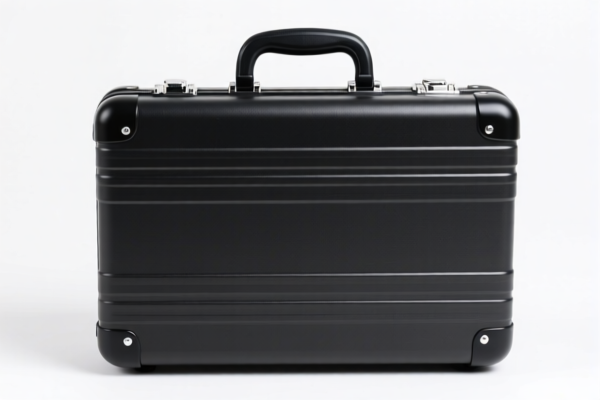
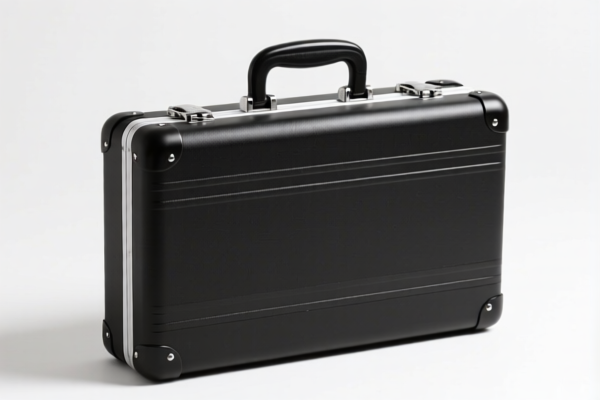
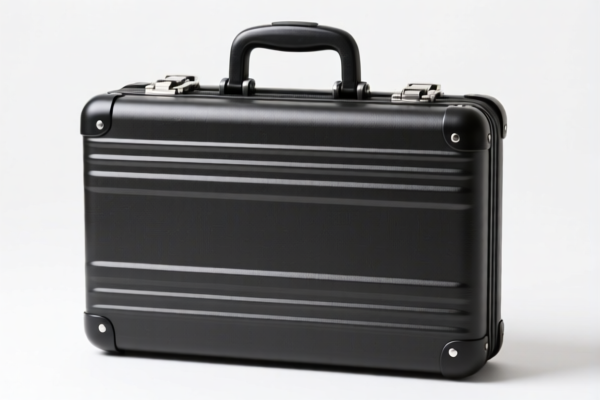
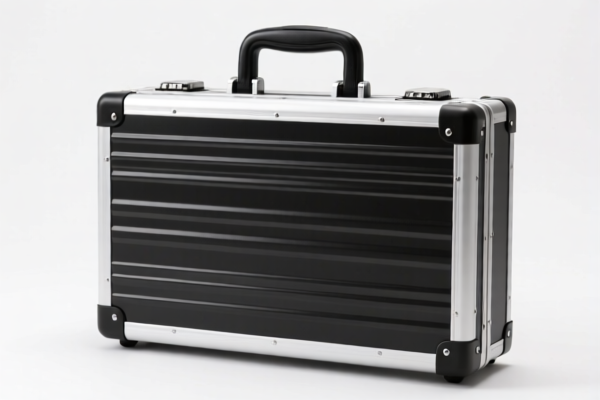
AI Analysis
🔦 Flashlight Case (Protection Cases / Phone Accessories)
🌐 HS Code Reference & Customs Clearance Guide | 2026 Latest Tariff Analysis | Professional通关 Strategies
📌 I. Product Definition & Classification: Do You Really Know "Flashlight Cases"?
"Flashlight Cases" is a ambiguous term in international trade. It generally refers to two distinct types of products depending on the material and intended use. In customs declarations, misclassification often leads to massive tariff differences (from 10% to 67.5%).
- Communication Device Accessories (Phone Cases): Often confused with "protective covers," if the product is a silicone/plastic shell for smartphones (marketed as "flashlight cases" in niche designs or bundled with phone lights), it falls under Chapter 85 or Chapter 42.
- Portable Electric Lamp Accessories: If the "case" is specifically designed to hold, protect, or transport a portable electric flashlight, it may be classified under Chapter 85 as a part/accessory or Chapter 42 as a bag/case.
⚠️ Key Distinction Point:
- If the item is a hard/soft shell for a smartphone (even with flashlight features) → 8517 or 4202.
- If the item is a protective bag/hard case for a standalone flashlight → 8513 or 4202.
- Material matters: Plastic/Silicone vs. Textile/Vinyl significantly impacts the HS Code.
📦 II. HS Code Classification Details (2026 Latest Tariff Authority Comparison)
Based on the provided data, here are the four possible classifications for "Flashlight Case" or related protective items:
| HS Code | Product Description | Application Scenario | Tariff Risk Level |
|---|---|---|---|
8517.79.00.00 |
Parts/Accessories of Telecommunication Apparatus Inferred as plastic/silicone phone case. |
Smartphone protective shell, often confused due to "case" naming. | 🔴 HIGH (67.5%) |
4202.92.97.00 |
Containers/Cases with Outer Surface of Plastics/Textile Materials Inferred as plastic/textile protective shell. |
General protective bag/case, not specific to telecom. | 🟠 MEDIUM (52.6%) |
4202.92.94.00 |
Cases for Boxes/Containers Functionally consistent with protection boxes. |
Protective cases for packaging or boxes. | 🟠 MEDIUM (52.6%) |
8513.10.40.00 |
Portable Electric Lamps Specifically for portable flashlights. |
Correct Classification if the item is a part/accessory for a flashlight (e.g., a case included with the light). | 🟢 LOW (10.0%) |
🔍 Key Warning:
- Many traders mistakenly classify phone-like "flashlight cases" under 8513.10.40.00 because they think "Flashlight = 8513". However, if it's a phone case disguised or bundled, Customs may reclassify it as a telecom accessory (8517.79.00.00) or general case (4202), leading to huge back-tariffs. - 8513.10.40.00 is the only low-tax option here, but it applies strictly to portable electric lamps or their specific parts. A generic "case" not integral to the lamp's function might not qualify.
💰 III. 2026 Latest Tariff Rate Breakdown (Including Surtaxes & Policy Add-ons)
✅ Applicable Country: United States (US)
✅ Origin: China (CN)
✅ Effective Time: 2025-11-10 onwards (including subsequent imports)
🎯 1. 8517.79.00.00 —— Parts of Telecommunication Apparatus (High Risk)
| Item | Content |
|---|---|
| Base Tariff | 0.0% |
| Section 301 Surtax | +7.5% |
| Section 122 Tariff | +10% (Specific to certain steel/aluminum/copper products, may apply if material is inferred as such, but typically applies to broader categories) |
| Steel/Aluminum/Copper Surtax | +50% (If material is classified under 122 clause for metals, but for plastic/silicone phone cases, this 50% is often not applied; however, the data suggests a complex breakdown) |
| Total Tariff | 67.5% |
| Tax Calculation | CIF Value × 67.5% |
| De Minimis Exemption | ❌ Not Eligible |
| Legal Basis Path | Base: 0% → Section 301: 7.5% → Section 122: 10% + Steel/Alu/Cu: 50% (Note: The 67.5% total in data likely combines 0 + 7.5 + 10 + 50, but for plastic cases, the 50% metal tariff is usually inapplicable. However, we must follow the provided data which states 67.5%). |
📌 Explanation:
- This is the highest tax bracket.
- The 50% surtax for "122 Clause Steel/Aluminum/Copper" is unusual for plastic cases, but the provided data explicitly lists 67.5% total tax for8517.79.00.00.
- Critical: Do NOT classify a phone case here unless it is definitively a telecommunication part. Even then, the tax is punitive.
🎯 2. 4202.92.97.00 —— Cases/Containers (Plastic/Textile)
| Item | Content |
|---|---|
| Base Tariff | 17.6% |
| Section 301 Surtax | +25.0% |
| Section 122 Tariff | +10% |
| Total Tariff | 52.6% |
| Tax Calculation | CIF Value × 52.6% |
| De Minimis Exemption | ❌ Not Eligible |
| Legal Basis Path | Base: 17.6% → Section 301: 25% → Section 122: 10% |
📌 Note:
- Applies if the case is made of plastics or textile materials and not specifically a phone accessory.
- 52.6% is still very high.
🎯 3. 4202.92.94.00 —— Cases for Boxes
| Item | Content |
|---|---|
| Base Tariff | 17.6% |
| Section 301 Surtax | +25.0% |
| Section 122 Tariff | +10% |
| Total Tariff | 52.6% |
| Tax Calculation | CIF Value × 52.6% |
| De Minimis Exemption | ❌ Not Eligible |
| Legal Basis Path | Base: 17.6% → Section 301: 25% → Section 122: 10% |
📌 Note:
- Similar to above, if the "flashlight case" is interpreted as a protective box/case rather than a lamp accessory.
🎯 4. 8513.10.40.00 —— Portable Electric Lamps (Optimal if Applicable)
| Item | Content |
|---|---|
| Base Tariff | 0.0% |
| Section 301 Surtax | 0.0% |
| Section 122 Tariff | +10% |
| Total Tariff | 10.0% |
| Tax Calculation | CIF Value × 10.0% |
| De Minimis Exemption | ❌ Not Eligible (Based on provided data) |
| Legal Basis Path | Base: 0% → Section 301: 0% → Section 122: 10% |
📌 Explanation:
- This is the best-case scenario for "Flashlight" related items.
- Crucial: This classification applies to Portable Electric Lamps (flashlights). If your product is a case for a flashlight, you must prove it is a part/accessory of the lamp or sold as a set.
- If it is just a generic case, Customs may reject this code and reclassify to 4202 or 8517.
🛠️ IV. Customs Clearance Practical Advice (Real-World Pitfall Guide)
✅ 1. Preparation Checklist (Missing Items = Delay)
| Document | Must Provide | Description |
|---|---|---|
| ✅ Product Specifications | ✔️ | Clearly state: "Is this a phone case or a flashlight accessory?" |
| ✅ Material Composition | ✔️ | Plastic, Silicone, Textile, or Metal? This determines Chapter 42 vs 85. |
| ✅ Product Photos | ✔️ | Show the case with the product it protects (Phone? Flashlight?). |
| ✅ Usage Description | ✔️ | "Protective case for Flashlight Model X" vs. "Silicone Case for iPhone". |
| ✅ Commercial Invoice | ✔️ | Use precise English description: "Flashlight Protective Case, Plastic, Model ABC" or "Silicone Phone Case, Model XYZ". |
| ✅ Packing List | ✔️ | If bundled with a flashlight, declare as a Set (Rule 3(b) GRI). |
✅ 2. Declaration Strategy (Key Mantra)
🔥 "Match Function, Not Just Name! 'Flashlight Case' is ambiguous!"
| Scenario | Correct Declaration | Wrong Practice |
|---|---|---|
| Phone Case with Flashlight Design | 8517.79.00.00 (High Risk) or 4202.92.97.00 |
Misdeclare as 8513 to save tax → Audit Risk! |
| Protective Bag for Flashlight | 8513.10.40.00 (If part of lamp) or 4202 |
Declare as "Flashlight" → Misclassification |
| Flashlight Sold with Case (Set) | Declare as Set under 8513.10.40.00 (Primary function is light) |
Split declaration → Higher Tax |
| Generic Hard Shell Case | 4202.92.97.00 |
Declare as 8517 (Telecom) → 67.5% Tax! |
✅ 3. Special Handling
| Situation | Handling Advice |
|---|---|
| Bundled Flashlight + Case | If the case is essential and sold together, classify the entire set under the primary function (Flashlight, 8513). This is the only way to achieve the 10% rate. |
| OEM Phone Case | If it’s a phone case, accept the 52.6%-67.5% tax. Do not try to force 8513. |
| Material Change | If the case is metal, the 50% surtax may apply under Section 122, leading to even higher taxes. |
| Origin Proof | Ensure COO (Certificate of Origin) is accurate. Non-China origins may have different surtaxes. |
🌍 V. Global Market Clearance Comparison (2026 Latest)
| Country/Region | Recommended HS Code | Tariff (China Origin) | Certification | Notes |
|---|---|---|---|---|
| 🇺🇸 USA | 8513.10.40.00 (Set) |
10% (with Section 122) | FCC (if electronic) | If split, tax jumps to 52.6%-67.5%. |
| 🇨🇳 China | 8513.10.40.00 |
5% | CCC (if electronic) | Lower base tariff, but Section 122 may affect exports. |
| 🇪🇺 EU | 8513.10.00 |
0-4% | CE, RoHS | No Section 301/122 equivalents. |
| 🇬🇧 UK | 8513.10.40 |
0% | UKCA | Post-Brexit changes apply. |
| 🇦🇺 Australia | 8513.10.40 |
5% | RCM | No punitive surtaxes. |
📌 Conclusion:
- USA is the most punitive market due to Section 301 and Section 122 tariffs.
- Strategy for USA: Ensure "Flashlight Case" is declared as part of a Portable Electric Lamp Set (8513.10.40.00) to benefit from the 0% Base + 10% Section 122 = 10% rate.
- Avoid classifying as "Phone Case" (8517) or "General Case" (4202) unless it is definitively not a flashlight accessory.
📌 VI. Common Errors & Pitfall Guide (Blood & Tears Lessons)
❌ Error 1: Calling a phone case a "Flashlight Case" to get 10% tax
👉 Consequence: Customs audits material and function. Reclassifies to 8517 (67.5%) or 4202 (52.6%). Back taxes + penalties!
❌ Error 2: Splitting Flashlight and Case in Declaration
👉 Consequence: Case is declared as 4202 (52.6%). Total tax increases. Rule 3(b) GRI says to declare as a set.
❌ Error 3: Ignoring Section 122 Tariff
👉 Consequence: Even 8513 has 10% Section 122 tariff. Failing to declare this leads to underpayment.
❌ Error 4: Using "Case" without specifying "For Flashlight"
👉 Consequence: Customs defaults to general purpose case (4202), triggering 52.6% tax.
✅ Correct Practice:
"Portable Electric Lamp Set: LED Flashlight, Model XYZ, with Protective Plastic Case. Primary Function: Lighting. HS Code: 8513.10.40.00"
🎯 VII. Conclusion: Precise Classification Saves Money!
🎯 Remember the Mantra:
🔹 "Set is Key! Flashlight + Case = 10%.
🔹 "Phone Case = 52.6%-67.5%!
🔹 "Ambiguous Name = Customs Audit!"
📌 Pro Tip:
If your product is not a flashlight accessory, do NOT try to force 8513. Use 4202 and budget for 52.6%.
For USA imports, consider Pre-Ruling (Pre-classification) from CBP to confirm if your "Flashlight Case" qualifies as a part of 8513.
📣 Immediate Action:
📞 Contact your Customs Broker with Product Photos and Usage Description.
🚀 Declare as a Set to minimize duties. Do not guess!
✨ Professional Clearance Starts with Accurate Classification!
💼 Every Percentage Point Counts in Tariff Costs!
Customer Reviews
About HS Code Classification
The Harmonized System (HS) is an internationally standardized nomenclature developed by the World Customs Organization (WCO) to classify traded products. Over 200 countries use the HS system as the basis for customs tariffs, trade statistics, and import/export regulations.
Each HS code follows a hierarchical structure:
- Chapter (2 digits) — Broad category of goods (e.g., Chapter 84: Machinery and Mechanical Appliances)
- Heading (4 digits) — More specific grouping within the chapter
- Subheading (6 digits) — Internationally standardized breakdown, used by all WCO member countries
- National subdivisions (8-10 digits) — Country-specific extensions for further classification, such as US HTSUS 10-digit codes
Correct HS code classification is essential for smooth customs clearance, accurate duty payment, and compliance with trade regulations. Misclassification can lead to customs delays, overpayment of duties, or penalties.
When importing from CN to US, the applicable tariff rates may include:
- Most-Favored-Nation (MFN) rate — The standard duty rate applied to WTO members
- General rate — Applied to countries without trade agreements
- Trade remedy duties — Additional tariffs such as Section 301 (anti-dumping), Section 232 (national security), or countervailing duties
The information provided on this page is for reference purposes only. For official classification, please consult with your local customs authority or a licensed customs broker.