Flat Rolled Iron or Non Alloy Steel Products
CN → US| HS Code | Tariff Rate | Origin | Destination | Doc |
|---|---|---|---|---|
| 7210120000 | 35.0% | CN | US | Official Doc |
| 7210300030 | 35.0% | CN | US | Official Doc |
| 7210909000 | 35.0% | CN | US | Official Doc |
| 7210906000 | 35.0% | CN | US | Official Doc |
| 7211900000 | 35.0% | CN | US | Official Doc |
Product Images
AI Analysis
🏗️ Flat Rolled Iron or Non-Alloy Steel Products
🌐 HS Code Reference & Customs Clearance Guide | 2026 Latest Tariff Analysis | Professional Clearance Strategy
📌 I. Product Definition & Classification: Do You Really Know "Flat Rolled Steel"?
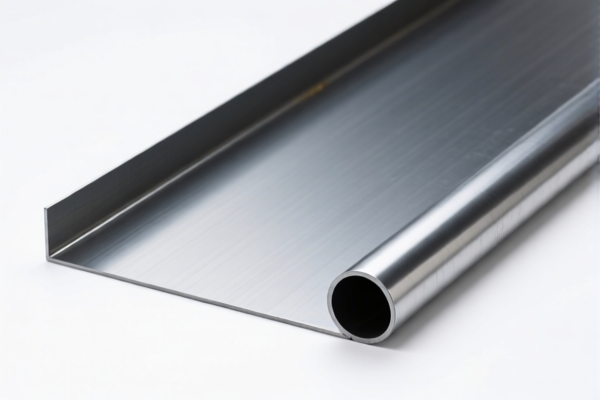
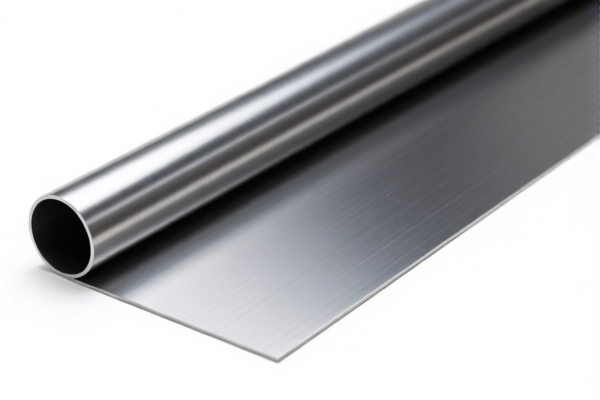
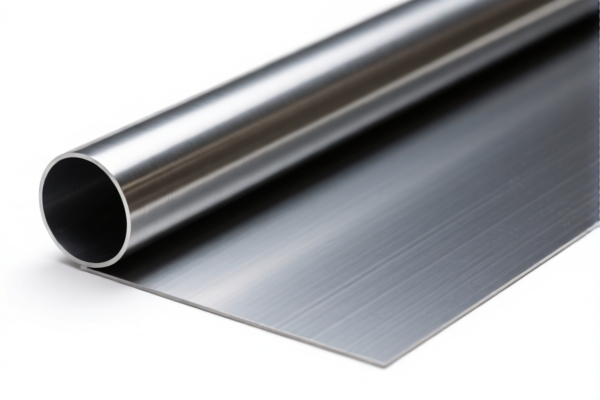
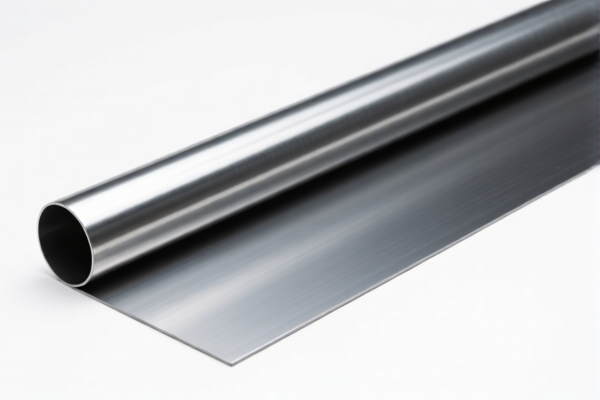
Flat Rolled Iron or Non-Alloy Steel refers to iron or non-alloy steel products that have been hot-rolled, cold-rolled, or otherwise processed into flat shapes, such as sheets, plates, or strips. In international trade, these are critical raw materials for construction, automotive, appliance, and manufacturing industries.
Based on the provided data, the classification focuses on specific sub-categories based on coating status, width, and processing method.
⚠️ Key Distinction Points:
- Coated vs. Uncoated: Coated products (painted, galvanized, etc.) often fall under7210series. - Specific Subheadings: Different HS codes apply based on the specific type of coating or if the product falls into a "catch-all" category. - High Tariff Exposure: All listed HS codes carry a total tax rate of 35.0% due to additional tariffs.
📦 II. HS Code Classification Details (2026 Latest Tariff Authority Match)
| HS Code | Product Description | Classification Logic | Tax Rate |
|---|---|---|---|
7210.12.00.00 |
Coated flat-rolled iron/non-alloy steel, material & shape match, conforms to coated treatment characteristics | Specific coating category matching logic | 35.0% |
7210.30.00.30 |
Coated flat-rolled iron/non-alloy steel, material & shape conform to classification core features | Core feature-based coating classification | 35.0% |
7210.90.90.00 |
Steel flat-rolled products, material & shape match, conform to classification characteristics | General steel flat-rolled classification | 35.0% |
7210.90.60.00 |
Steel or flat-rolled iron/non-alloy steel products, material & shape match, belongs to other category fallback | Catch-all/sub-category fallback | 35.0% |
7211.90.00.00 |
Flat-rolled iron/non-alloy steel products, material & shape match, conform to fallback category matching logic | Uncoated or general flat-rolled fallback | 35.0% |
🔍 Important Note:
- All listed HS codes share the same total tax rate of 35.0%. - The distinction between these codes lies in the specific product characteristics (e.g., type of coating, width, thickness) and the customs classification logic used to determine the exact subheading. - Misclassification can lead to customs delays, even if the tax rate is the same, as incorrect HS codes may trigger additional inspections or documentation requirements.
💰 III. 2026 Latest Tariff Rate Detailed Breakdown (Including Surcharges & Policy Add-ons)
✅ Applicable Country: United States (US)
✅ Origin: China (CN)
✅ Effective Time: Ongoing (as per 2025/2026 trade policies)
🎯 1. General Tariff Structure for All Listed HS Codes
| Item | Details |
|---|---|
| Basic Tariff | 0.0% (ad valorem) |
| Retaliatory/Add-on Tariff | +25.0% (Section 301 Tariffs) |
| Section 122 Tariff | +10.0% (Specific China-related tariff provision) |
| Total Tariff Rate | 35.0% |
| Tax Calculation | CIF Value × 35% |
| De Minimis Exemption | ❌ Not Applicable (Section 301 tariffs generally do not apply to de minimis shipments) |
| Legal Basis Path | USITC:7210.xxxx.xxxx.xx → Section 301: 18 CFR 1577.1 → Section 122: 19 U.S.C. 1304 |
📌 Explanation:
- "Basic Tariff 0%": The standard Most Favored Nation (MFN) rate for many steel products is 0%. - "Add-on Tariff 25%": This is the Section 301 tariff imposed on a wide range of Chinese goods, including steel products. - "Section 122 Tariff 10%": This refers to specific provisions under U.S. trade law (often related to national security or specific trade actions) that add an additional 10% to certain Chinese-origin steel products. - Total of 35% represents a very high cost burden for importers. Proactive planning and accurate classification are essential to avoid further penalties.
🛠️ IV. Customs Clearance Practical Advice (Real-World Pitfall Guide)
✅ 1. Preparation Checklist (No Exceptions)
| Document | Required | Explanation |
|---|---|---|
| ✅ Product Specification Sheet | ✔️ | Must include material composition (non-alloy steel), coating type (paint, zinc, etc.), width, thickness, and surface finish. |
| ✅ Commercial Invoice | ✔️ | Must clearly state "Flat Rolled Iron or Non-Alloy Steel" and specify the HS code. |
| ✅ Packing List | ✔️ | Detail quantity, weight, and dimensions to verify "flat-rolled" characteristics. |
| ✅ Certificate of Origin (CO) | ✔️ | Critical for determining origin-based tariffs. If not from China, Section 301 may not apply. |
| ✅ Test Reports | ✔️ | Chemical composition analysis to confirm "non-alloy" status. |
| ✅ Bill of Lading/Air Waybill | ✔️ | Standard shipping document. |
✅ 2. Declaration Strategy (Key Rules)
🔥 “Accurate Material, Correct Coating, Precise HS, Lower Risk!”
| Situation | Correct Declaration | Common Mistake |
|---|---|---|
| Coated Steel Sheet | Use 7210.xx.xx.xx based on specific coating type |
Using 7211.xx.xx.xx (uncoated) |
| Uncoated Flat Steel | Use 7211.90.00.00 |
Using 7210.xx.xx.xx |
| Mixed Shipment | Separate HS codes for coated vs. uncoated | Consolidating into one HS code |
| Origin Not China | Verify if Section 301 applies | Assuming all steel is 35% |
📌 Note:
- Ensure the description matches the physical characteristics exactly. Customs may require additional documentation if the description is vague. - Section 122 and Section 301 tariffs are origin-specific. If the steel is sourced from Vietnam, India, or other non-China origins, the 35% rate may not apply. Verify the country of origin carefully.
✅ 3. Special Circumstances Handling
| Situation | Handling Advice |
|---|---|
| Steel with Complex Coating | Provide detailed coating composition (e.g., zinc-aluminum-magnesium) to ensure correct HS subheading. |
| Steel for Automotive Use | Ensure compliance with any additional automotive-specific regulations, even if not directly related to steel classification. |
| Temporary Import | Consider using Temporary Import Bonds if the steel is for processing and will be re-exported. |
| Dispute on Classification | Apply for a Binding Ruling from U.S. Customs and Border Protection (CBP) before shipment to confirm the correct HS code. |
🌍 V. Global Market Comparison for Steel Imports (2026 Latest)
| Country/Region | Recommended HS Code | Tariff (China Origin) | Certification | Remarks |
|---|---|---|---|---|
| 🇺🇸 United States | 7210.xx.xx.xx / 7211.90.00.00 |
35.0% (Section 301 + 122) | None specific for steel | Highest tariff burden |
| 🇨🇳 China | 7210.xx.xx.xx |
Varies (Domestic trade) | CCC (if applicable) | No import tariffs |
| 🇪🇺 European Union | 7210.xx.xx.xx |
Varies (Safeguard measures may apply) | CE (if end-product) | Complex anti-dumping duties possible |
| 🇮🇳 India | 7210.xx.xx.xx |
Varies (BIS certification required) | BIS | High non-tariff barriers |
| 🇯🇵 Japan | 7210.xx.xx.xx |
Varies (JIS standards) | JIS | Strict quality controls |
📌 Conclusion:
- The US market imposes the highest combined tariff burden (35%) on Chinese-origin flat-rolled steel products due to Section 301 and Section 122. - Supply chain diversification (sourcing from non-China origins) is a critical strategy to mitigate these costs. - Accurate classification is not just about tax savings but also about compliance and avoiding customs delays.
📌 VI. Common Errors & Pitfall Guide (Lessons Learned)
❌ Mistake 1: Misclassifying coated steel as uncoated (7211)
👉 Consequence: Customs may reassess the HS code, leading to underpayment of duties and potential penalties.
❌ Mistake 2: Assuming all steel from China is subject to 35%
👉 Consequence: If the steel is from a third country (e.g., Vietnam) but transshipped through China, the Country of Origin rules apply. Incorrect declaration can lead to fraud allegations.
❌ Mistake 3: Vague product description
👉 Consequence: Customs may request additional information, causing shipment delays and storage fees.
❌ Mistake 4: Ignoring Section 122 Tariffs
👉 Consequence: Failure to account for the additional 10% can result in unexpected tax liabilities and cash flow issues.
✅ Correct Approach:
“Flat Rolled Non-Alloy Steel Sheet, Coated with Zinc-Aluminum, Width: 1200mm, Thickness: 0.5mm, Origin: China, HS: 7210.12.00.00”
🎯 VII. Conclusion: Professional Classification, Cost Efficiency, and Compliance
🎯 Remember:
🔹 “Material Matters, Coating Defines, HS Code Decides, 35% is the Real Cost!”
🔹 “Accurate classification saves time, avoids penalties, and ensures smooth customs clearance!”
📌 Pro Tip:
- If your steel is originally produced in Vietnam, Mexico, India, or other non-China countries, verify if Section 301 tariffs apply. They typically do not.
- Consider applying for a Pre-Ruling from CBP to confirm the correct HS code and tariff liability before shipping.
- Consult with a licensed customs broker to navigate the complexities of Section 301 and Section 122 tariffs.
📣 Immediate Action:
📞 Contact a Professional Customs Broker
📄 Provide Detailed Product Specifications
🚀 Ensure Compliant and Cost-Effective Clearance for Your Steel Products!
✨ Professional Customs Clearance Starts with Precise Classification!
💼 Every Percent of Tax Matters – Optimize Your Supply Chain Today!
Customer Reviews
About HS Code Classification
The Harmonized System (HS) is an internationally standardized nomenclature developed by the World Customs Organization (WCO) to classify traded products. Over 200 countries use the HS system as the basis for customs tariffs, trade statistics, and import/export regulations.
Each HS code follows a hierarchical structure:
- Chapter (2 digits) — Broad category of goods (e.g., Chapter 84: Machinery and Mechanical Appliances)
- Heading (4 digits) — More specific grouping within the chapter
- Subheading (6 digits) — Internationally standardized breakdown, used by all WCO member countries
- National subdivisions (8-10 digits) — Country-specific extensions for further classification, such as US HTSUS 10-digit codes
Correct HS code classification is essential for smooth customs clearance, accurate duty payment, and compliance with trade regulations. Misclassification can lead to customs delays, overpayment of duties, or penalties.
When importing from CN to US, the applicable tariff rates may include:
- Most-Favored-Nation (MFN) rate — The standard duty rate applied to WTO members
- General rate — Applied to countries without trade agreements
- Trade remedy duties — Additional tariffs such as Section 301 (anti-dumping), Section 232 (national security), or countervailing duties
The information provided on this page is for reference purposes only. For official classification, please consult with your local customs authority or a licensed customs broker.