Flat bottom Crystal Rhinestone
CN → US| HS Code | Tariff Rate | Origin | Destination | Doc |
|---|---|---|---|---|
| 7116201500 | 24.0% | CN | US | Official Doc |
| 7104915000 | 23.9% | CN | US | Official Doc |
| 7116205000 | 17.5% | CN | US | Official Doc |
| 7104911000 | 17.5% | CN | US | Official Doc |
| 8202990000 | 35.0% | CN | US | Official Doc |
Product Images
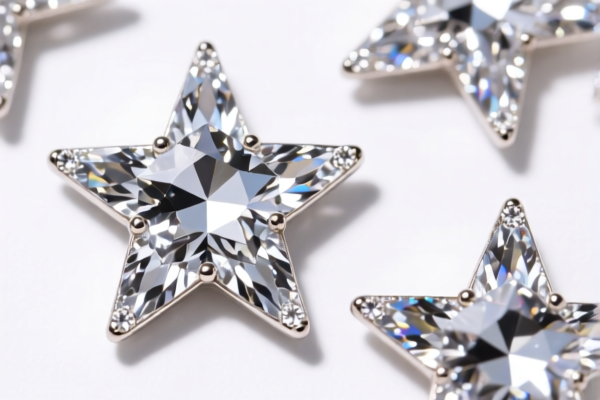
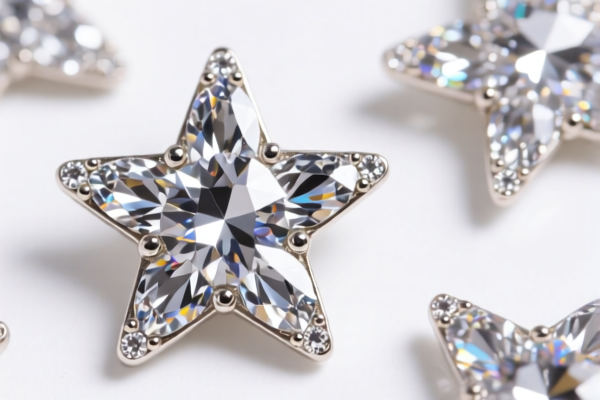
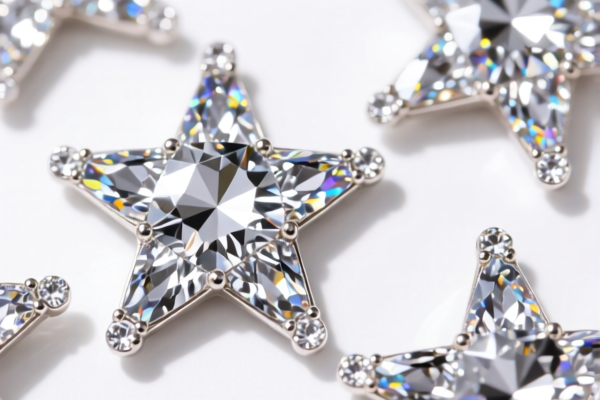
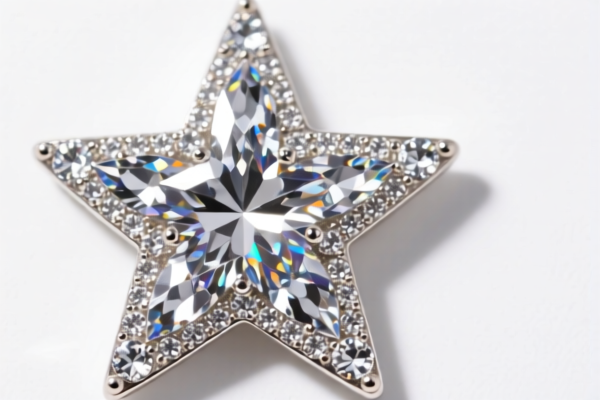
AI Analysis
💎 Flat Bottom Crystal Rhinestones: HS Code Classification & Customs Clearance Strategy | 2026 Latest Tariff Analysis
🌐 HS Code Reference & Customs Clearance Guide | 2026 Latest Tariff Regulations | Professional Clearance Strategy
📌 I. Product Definition & Classification: What exactly are "Flat Bottom Crystal Rhinestones"?
Flat bottom crystal rhinestones are decorative components widely used in fashion, accessories, cosmetics packaging, and DIY crafts. They consist of a flat base (for easy gluing) and a faceted top (for maximum light reflection). In international trade, their classification depends heavily on material composition and processing status.
Key Distinction Points: - Natural/Synthetic Diamond vs. Glass/Lead Crystal: The material determines the primary HS Chapter. - Set vs. Unset: "Flat bottom" implies they are unset (not mounted in jewelry), which affects classification under Chapter 71. - Cut vs. Polished: Highly cut stones may fall under different subheadings than simple polished gems.
⚠️ Critical Note:
- If made of glass or non-diamond minerals, they are generally classified under Chapter 71 (Pearls, Precious Stones) or Chapter 82 (Tools), depending on interpretation.
- If made of natural or synthetic diamonds, they fall strictly under Chapter 71 (Precious Stones).
- "Flat Bottom" indicates they are ready for setting, not yet set in jewelry.
📦 II. HS Code Classification Details (2026 Latest Tariff Reference)
| HS Code | Product Description | Application Scenario | Material | Tax Rate (Total) |
|---|---|---|---|---|
7116.20.15.00 |
Products of natural or synthetic precious or semi-precious stones | Diamond or high-quality crystal rhinestones treated as gem products | Natural/Synthetic Diamond or Crystal | 24.0% |
7104.91.50.00 |
Other worked industrial diamonds, unstringed, unmounted | Unmounted diamonds, cut but not set | Diamond | 23.9% |
7116.20.50.00 |
Other articles of precious or semi-precious stones | Catch-all for gem/semi-gem products not elsewhere specified | Crystal/Glass/Gem | 17.5% |
7104.91.10.00 |
Other worked industrial diamonds, unstringed, unmounted | Cut but unmounted synthetic/regenerated diamonds | Synthetic Diamond | 17.5% |
8202.99.00.00 |
Other saw blades and parts thereof | Glass flat-bottom rhinestones classified as cutting tools/parts | Glass | 35.0% |
🔍 Key Insight:
-7116.20.15.00applies if the rhinestone is considered a "precious stone product" (high-end crystal/diamond).
-7104.91.50.00is for unmounted industrial diamonds (less common for fashion rhinestones, but possible for high-grade synthetic diamonds).
-7116.20.50.00is a "catch-all" for semi-precious stones or crystal products, often with lower base tariffs.
-7104.91.10.00is for synthetic/regenerated diamonds, unmounted.
-8202.99.00.00is a risky classification for glass rhinestones, treating them as "cutting tool parts," leading to the highest tariff.
💰 III. 2026 Latest Tariff Rate Details (Including Surcharges & Policy Add-ons)
✅ Applicable Country: United States (US)
✅ Origin: China (CN)
✅ Effective Date: From November 10, 2025 (for subsequent imports)
🎯 1. 7116.20.15.00 – Products of Natural or Synthetic Precious/Semi-Precious Stones
| Item | Detail |
|---|---|
| Base Tariff | 6.5% |
| Section 301 Surcharge | +7.5% |
| IEEPA Surcharge (122 Clause) | +10% |
| Total Tariff | 24.0% |
| Tax Calculation | CIF Value × 24.0% |
| De Minimis Exemption | ❌ Not Applicable |
| Legal Path | IEEPA:9903.01.24 → USITC:7116.20.15.00 → FOOTNOTE:301 |
📌 Explanation:
- Base tariff is 6.5% for precious stone products.
- Additional 7.5% under Section 301.
- 10% under IEEPA Section 122 for Chinese origin.
- Total: 24.0%. High but manageable for high-value items.
🎯 2. 7104.91.50.00 – Other Worked Industrial Diamonds, Unmounted
| Item | Detail |
|---|---|
| Base Tariff | 6.4% |
| Section 301 Surcharge | +7.5% |
| IEEPA Surcharge (122 Clause) | +10% |
| Total Tariff | 23.9% |
| Tax Calculation | CIF Value × 23.9% |
| De Minimis Exemption | ❌ Not Applicable |
| Legal Path | IEEPA:9903.01.24 → USITC:7104.91.50.00 → FOOTNOTE:301 |
📌 Explanation:
- Slightly lower base tariff (6.4%) than7116.20.15.00.
- Same surcharges apply.
- Suitable for high-grade synthetic diamonds classified as "industrial."
🎯 3. 7116.20.50.00 – Other Articles of Precious/Semi-Precious Stones
| Item | Detail |
|---|---|
| Base Tariff | 0.0% |
| Section 301 Surcharge | +7.5% |
| IEEPA Surcharge (122 Clause) | +10% |
| Total Tariff | 17.5% |
| Tax Calculation | CIF Value × 17.5% |
| De Minimis Exemption | ❌ Not Applicable |
| Legal Path | IEEPA:9903.01.24 → USITC:7116.20.50.00 → FOOTNOTE:301 |
📌 Explanation:
- Best Tax Efficiency: Base tariff is 0%.
- Only surcharges apply: 7.5% + 10% = 17.5%.
- Ideal for crystal or semi-precious stone rhinestones not classified as "diamonds."
🎯 4. 7104.91.10.00 – Other Worked Industrial Diamonds, Unmounted (Synthetic/Regenerated)
| Item | Detail |
|---|---|
| Base Tariff | 0.0% |
| Section 301 Surcharge | +7.5% |
| IEEPA Surcharge (122 Clause) | +10% |
| Total Tariff | 17.5% |
| Tax Calculation | CIF Value × 17.5% |
| De Minimis Exemption | ❌ Not Applicable |
| Legal Path | IEEPA:9903.01.24 → USITC:7104.91.10.00 → FOOTNOTE:301 |
📌 Explanation:
- Same as7116.20.50.00in total tariff.
- Specifically for synthetic/regenerated diamonds.
- Lower risk of dispute if material is clearly labeled as synthetic.
🎯 5. 8202.99.00.00 – Glass Flat-Bottom Rhinestones (Cutting Tool Parts)
| Item | Detail |
|---|---|
| Base Tariff | 0.0% |
| Section 301 Surcharge | +25.0% |
| IEEPA Surcharge (122 Clause) | +10% |
| Total Tariff | 35.0% |
| Tax Calculation | CIF Value × 35.0% |
| De Minimis Exemption | ❌ Not Applicable |
| Legal Path | IEEPA:9903.01.24 → USITC:8202.99.00.00 → FOOTNOTE:301 |
📌 Explanation:
- Highest Risk: Treating glass rhinestones as "cutting tool parts" is aggressive and often contested.
- Base tariff 0%, but Section 301 surcharge is 25% (higher than usual 7.5% for jewelry/gems).
- Total: 35.0%. Avoid unless no other classification fits.
🛠️ IV. Customs Clearance Practical Advice (Real-World Pitfall Guide)
✅ 1. Documentation Checklist (Essential)
| Document | Required | Note |
|---|---|---|
| ✅ Product Specification Sheet | ✔️ | Must specify material (Glass, Crystal, Synthetic Diamond), size, cut type |
| ✅ Material Certificate | ✔️ | Proof of material (e.g., "Lead Crystal," "Synthetic Moissanite," "Glass") |
| ✅ Photos (Clear Labeling) | ✔️ | Show flat bottom, faceted top, packaging |
| ✅ Commercial Invoice | ✔️ | Describe as "Flat Bottom Crystal Rhinestones, Unmounted, for Decorative Use" |
| ✅ Packing List | ✔️ | Include weight, quantity, dimensions |
| ✅ Country of Origin Certificate | ✔️ | Required for tariff calculation |
✅ 2. Declaration Tips (Key Principles)
🔥 "Material First, Status Clear, Name Precise, Tax Minimized!"
| Scenario | Correct Declaration | Wrong Practice |
|---|---|---|
| Glass Rhinestones | 7116.20.50.00 (Crystal/Semi-Gem) |
8202.99.00.00 → 35% Tariff |
| Synthetic Diamonds | 7104.91.10.00 |
7116.20.15.00 → 24% Tariff |
| High-End Crystal | 7116.20.50.00 |
7104.91.50.00 → 23.9% Tariff |
| Unmounted Diamonds | 7104.91.50.00 |
7116.20.15.00 → 24% Tariff |
📌 Note:
- Always specify "Unset/Unmounted" to avoid classification as jewelry (7113/7114).
- Clearly state material (Glass, Crystal, Synthetic Diamond) to justify HS Code.
- Avoid vague terms like "Decorative Stones" without material detail.
✅ 3. Special Cases
| Scenario | Advice |
|---|---|
| Mixed Materials | Declare separately or use the highest applicable tariff. |
| OEM Custom Shapes | Provide design specs; still classified by material. |
| Bulk vs. Retail | Bulk shipments benefit from lower base tariffs if classified correctly. |
| Pre-Cut vs. On-Demand | Pre-cut stones are easier to classify; on-demand may require additional documentation. |
🌍 V. Global Market Clearance Comparison (2026 Latest)
| Country/Region | Recommended HS Code | Tariff | Certification | Note |
|---|---|---|---|---|
| 🇺🇸 USA | 7116.20.50.00 |
17.5% (Glass/Crystal) | None | Avoid 8202.99.00.00 (35%) |
| 🇨🇳 China | 7116.20.50.00 |
0% | None | No additional surcharges |
| 🇪🇺 EU | 7116.20.50.00 |
0% (if genuine crystal) | CE (if applicable) | Lower tariffs for non-diamonds |
| 🇬🇧 UK | 7116.20.50.00 |
0% | None | Post-Brexit, similar to EU |
| 🇦🇺 Australia | 7116.20.50.00 |
5% | None | Low tariffs for decorative items |
📌 Conclusion:
- USA imposes high surcharges on Chinese-origin rhinestones.
- EU/UK/Australia offer better tariff conditions for non-diamond crystals.
- China has no additional surcharges for imports.
📌 VI. Common Mistakes & Pitfalls (Lessons Learned)
❌ Mistake 1: Classifying glass rhinestones as 8202.99.00.00
👉 Consequence: 35% tariff → Overpayment by 17.5%!
❌ Mistake 2: Declaring as "Jewelry" when unmounted
👉 Consequence: Misclassification → Delayed clearance or penalties.
❌ Mistake 3: Vague material description ("Rhinestones")
👉 Consequence: Customs uncertainty → Higher scrutiny or forced reclassification.
❌ Mistake 4: Ignoring IEEPA Section 122 surcharge
👉 Consequence: Unexpected 10% additional cost.
✅ Correct Practice:
"Unset Flat Bottom Crystal Rhinestones, Lead-Free Crystal, For Decorative Application, Model XYZ, Batch No. ABC"
🎯 VII. Conclusion: Professional Declaration Saves Money!
🎯 Remember the Key Principles:
🔹 "Material Determines Code, Unset Avoids Jewelry, Glass is Crystal, Diamond is Diamond."
🔹 "Tariff Difference of 17.5% is Huge, Declare Correctly, Save Big!"
📌 Pro Tip:
- If your rhinestones are glass or crystal, use 7116.20.50.00 (17.5% total).
- If synthetic diamonds, use 7104.91.10.00 (17.5% total).
- Always provide material certificates to support your classification.
- Consider Advance Ruling from US Customs to avoid disputes.
📣 Immediate Action:
📞 Contact a licensed customs broker + Provide material specs + Apply for HS Code Advance Ruling
🚀 Ensure smooth clearance, minimize tax, maximize profit!
✨ Professional Clearance Starts with Accurate Classification!
💼 Every dollar saved is profit earned!
Customer Reviews
About HS Code Classification
The Harmonized System (HS) is an internationally standardized nomenclature developed by the World Customs Organization (WCO) to classify traded products. Over 200 countries use the HS system as the basis for customs tariffs, trade statistics, and import/export regulations.
Each HS code follows a hierarchical structure:
- Chapter (2 digits) — Broad category of goods (e.g., Chapter 84: Machinery and Mechanical Appliances)
- Heading (4 digits) — More specific grouping within the chapter
- Subheading (6 digits) — Internationally standardized breakdown, used by all WCO member countries
- National subdivisions (8-10 digits) — Country-specific extensions for further classification, such as US HTSUS 10-digit codes
Correct HS code classification is essential for smooth customs clearance, accurate duty payment, and compliance with trade regulations. Misclassification can lead to customs delays, overpayment of duties, or penalties.
When importing from CN to US, the applicable tariff rates may include:
- Most-Favored-Nation (MFN) rate — The standard duty rate applied to WTO members
- General rate — Applied to countries without trade agreements
- Trade remedy duties — Additional tariffs such as Section 301 (anti-dumping), Section 232 (national security), or countervailing duties
The information provided on this page is for reference purposes only. For official classification, please consult with your local customs authority or a licensed customs broker.