Fleece lined Leather Gloves
CN → US| HS Code | Tariff Rate | Origin | Destination | Doc |
|---|---|---|---|---|
| 4203290800 | 49.0% | CN | US | Official Doc |
| 4203290500 | 47.6% | CN | US | Official Doc |
| 4203291800 | 49.0% | CN | US | Official Doc |
| 6216009000 | 21.3% | CN | US | Official Doc |
| 6216008000 | 21.0% | CN | US | Official Doc |
Product Images
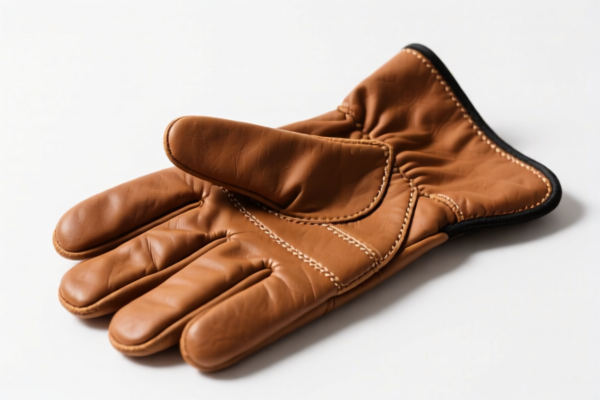
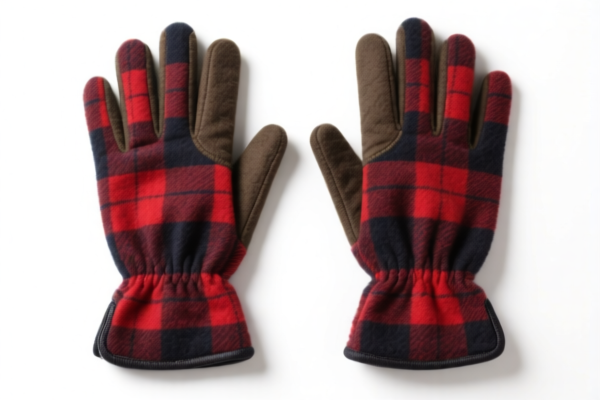
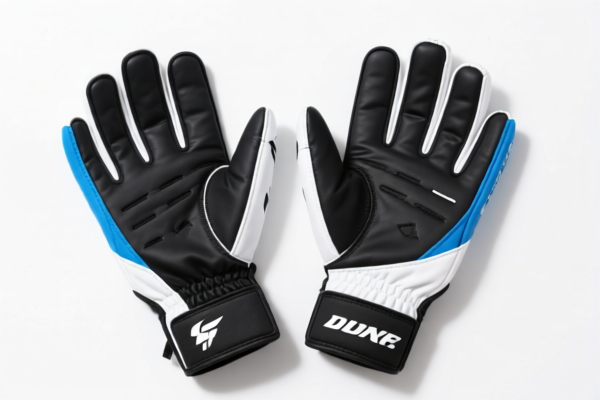
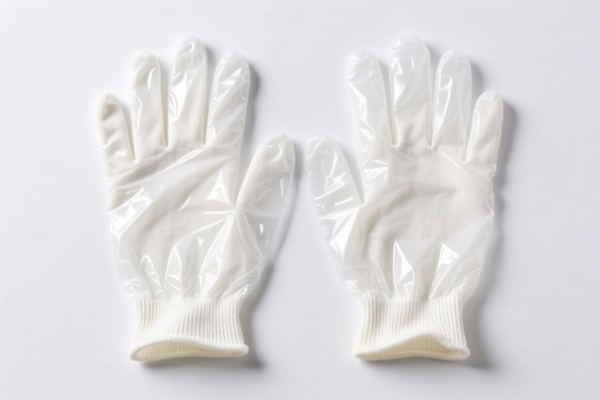
AI Analysis
🧤 Fleece Lined Leather Gloves: HS Code Master Guide & Tax Strategy (2026 Edition)
🌐 The Ultimate Classification & Duty Guide | Avoiding Costly Classification Errors
📌 The Critical Dilemma: Is it "Leather Apparel" (Chapter 42) or "Textile Gloves" (Chapter 62)?
Fleece-lined leather gloves are a high-demand winter accessory, but their classification in international trade is a classic pitfall. The confusion lies in the material composition:
- The "Leather" Argument: If the outer shell is leather (cowhide, pigskin, etc.), many assume it falls under Chapter 42 (Articles of leather).
- The "Fleece" Argument: If the lining is a significant textile component (fleece), customs authorities may argue it falls under Chapter 62 (Articles of apparel and clothing accessories, not knit or crochet).
🚨 The Golden Rule:
"The outer material usually dictates the heading."
If the glove is predominantly leather on the outside, it is Chapter 42. If the fleece is the dominant structural material (e.g., a fleece glove with a leather patch), it might be Chapter 62. However, for standard "Leather with Fleece Lining," the classification depends heavily on the specific leather type and customs' interpretation of "兜底" (residual) categories.
📦 II. HS Code Classification Matrix (Based on 2026 Data)
Based on the latest customs data, here is the breakdown for Fleece Lined Leather Gloves:
| HS Code | Product Description | Material Logic | Total Duty Rate | Key Risk Factor |
|---|---|---|---|---|
| 4203.29.08.00 | Leather Gloves (Cow/Pig/Horse Skin) | Outer shell is Leather (Cow, Horse, or Pig). The fleece lining is considered an accessory. | 49.0% | ⚠️ High Duty: Subject to "Section 301" & "122" tariffs. |
| 4203.29.05.00 | Leather Gloves (Residual/Other) | Leather gloves not specifically named in 4203.29.08. Fallback classification for generic leather gloves. | 47.6% | ⚠️ High Duty: Still heavily taxed, but slightly lower base rate. |
| 4203.29.18.00 | Suede Leather Gloves | Outer shell is specifically Suede (napped leather). Lining is fleece. | 49.0% | ⚠️ High Duty: Treated strictly as leather, triggering maximum tariffs. |
| 6216.00.90.00 | Other Gloves (Suede/Fleece Mix) | Suede gloves treated under textile rules (Chapter 62) due to specific fabric interpretation or "Other" category. | 21.3% | ✅ Moderate Duty: Significantly lower than Chapter 42, but requires strong proof of textile dominance. |
| 6216.00.80.00 | Wool/Animal Hair Gloves | Gloves made of wool or fine animal hair (where fleece is interpreted as wool-animal hair blend). | 21.0% | ✅ Lowest Duty: Best case scenario, but rare for pure "Leather" gloves. |
💡 Critical Insight:
The difference between 49.0% (Chapter 42) and 21.0% (Chapter 62) is a $28% cost gap.
Misclassification Risk: If you declare as6216but the outer shell is clearly leather, Customs will re-classify to4203and charge back-dated duties + penalties.
💰 III. 2026 Tariff Structure Breakdown (Detailed Policy Analysis)
🎯 Scenario A: Chapter 42 (The "Leather" Trap)
Applicable to HS Codes: 4203.29.08.00, 4203.29.05.00, 4203.29.18.00
| Tax Component | Rate | Legal Basis | Explanation |
|---|---|---|---|
| MFN Base Duty | 12.6% – 14.0% | Tariff Schedule | The standard "Most Favored Nation" rate for leather goods. |
| Section 301 / "Plus" Duty | 25.0% | US Trade Action | Crucial: This is the heavy tariff added for Chinese imports under Section 301. |
| Section 122 Duty | 10.0% | IEEPA Action | New Policy: Added tariffs under International Emergency Economic Powers Act (often targeting specific materials). |
| TOTAL | 47.6% – 49.0% | Cumulative | Total Tax = Base + 25% + 10% |
⚠️ Why it hurts:
If your gloves are made of Cowhide (4203.29.08.00) or Suede (4203.29.18.00), you are locked into the ~49% rate. The "Fleece Lining" does not reduce this tariff because the outer material dictates the chapter.
🎯 Scenario B: Chapter 62 (The "Textile/Residual" Opportunity)
Applicable to HS Codes: 6216.00.90.00, 6216.00.80.00
| Tax Component | Rate | Legal Basis | Explanation |
|---|---|---|---|
| MFN Base Duty | 3.5% – 3.8% | Tariff Schedule | Standard textile duty rate. |
| Section 301 / "Plus" Duty | 7.5% | US Trade Action | Lower "Plus" duty for textile categories compared to leather. |
| Section 122 Duty | 10.0% | IEEPA Action | The 10% flat tariff still applies to most Chinese imports. |
| TOTAL | 21.0% – 21.3% | Cumulative | Total Tax = Base + 7.5% + 10% |
💡 Why it's better:
If the glove can be argued as "Suede-based textile" or "Wool-animal hair blend", the duty drops by nearly half. However, this requires the outer material to be Suede (sometimes treated differently) or the product to be interpreted as primarily textile.
🛠️ IV. Clearance & Logistics Strategy (Avoiding the "Leather" Trap)
✅ 1. Preparation Checklist (The "No-Go" Zone)
| Document | Requirement | Why It Matters |
|---|---|---|
| Material Composition Report | Must specify % of Leather vs. Fleece. | Customs checks if Leather > 50%. If yes, 4203 is mandatory. |
| Product Photography | Clear photos of the outer surface (grain, texture). | If the photo shows "Leather Grain," 6216 will be rejected. |
| Lining Specification | Confirm if Fleece is the primary or lining layer. | "Lining" implies leather is the main material → 4203. |
| Suede Certification | If claiming 6216, prove it is "Suede" or "Napped." |
Suede can sometimes be classified differently depending on local interpretation. |
✅ 2. Declaration Strategy (The "Smart" Way)
🔥 Rule: "Don't Lie, But Frame Correctly!"
| Scenario | Correct Declaration | Wrong Declaration | Consequence |
|---|---|---|---|
| True Cowhide/Pigskin | 4203.29.08.00 (Leather Gloves) | Claim 6216.00.90.00 (Textile) |
Audit Penalty + Back Duty + Seizure |
| True Suede | 4203.29.18.00 (Suede Leather) | Claim 6216.00.80.00 (Wool) |
High Risk (Customs may reclassify to 49%) |
| Suede + Fleece (Debatable) | 6216.00.90.00 (Other Gloves) | Only if you have strong evidence that Suede is treated as a textile in your specific port. | Possible, but requires a Pre-Ruling (Advanced Ruling) from CBP. |
📌 Pro Tip:
If the product is 100% Suede (napped leather), some brokers attempt to use 6216.00.90.00 to get the 21.3% rate. However, this is high risk and usually requires a binding ruling from CBP. Do not guess.
✅ 3. Special Considerations for "Fleece"
| Issue | Clarification |
|---|---|
| "Fleece" Material | Fleece is a textile. If the outer shell is leather, the fleece is an accessory. Result: Chapter 42. |
| "Leather-like" Fleece | If the product is actually faux leather (polyurethane), it is Chapter 39 or 62, not 42. Check the label! |
| "Suede" Ambiguity | Suede is leather. It almost always falls under 4203. Avoid claiming 6216 unless you have a specific ruling. |
🌍 V. Global Market Comparison (2026)
| Market | Recommended HS Code | Estimated Duty | Note |
|---|---|---|---|
| 🇺🇸 USA | 4203.29.08.00 (Leather) |
49.0% | Highest Duty: Section 301 + 122 apply. |
| 🇪🇺 EU | 4203.29.00 |
~4-12% | No Section 301/122. Much cheaper! |
| 🇨🇳 China | 4203.29.00 |
~12-14% | Base duty only. No export tariffs on this category. |
| 🇯🇵 Japan | 4203.29.00 |
~6-10% | No Section 301. |
📌 Strategic Insight:
If you are shipping to the USA, the 49% duty is a major cost.
Strategy: Consider re-packaging or sourcing from Vietnam/Mexico to avoid Section 301 tariffs (if eligible), or ensure the product is Faux Leather (Chapter 39) to avoid the "Leather" classification entirely.
📌 VI. Common Pitfalls & "Blood" Lessons
❌ Mistake 1: Declaring Leather Gloves as Textile (6216) to save taxes.
👉 Result: Customs audit. You will pay 49% + Penalties + Storage Fees.
Lesson: Only use 6216 if the material is NOT leather.
❌ Mistake 2: Assuming "Fleece" makes it a textile.
👉 Result: The outer layer (Leather) defines the product. Fleece is just a lining.
Lesson: "Outer Material = HS Code Chapter."
❌ Mistake 3: Mixing "Suede" with "Wool" categories.
👉 Result: Suede is leather. It falls under 4203, not 6216 (unless a specific ruling exists).
Lesson: Check the Suede Definition with CBP before declaring.
✅ Correct Approach:
"Verify the Outer Shell Material. If Leather → 4203.29.xx. If Textile/Faux → 6216.xx."
🎯 VII. Final Verdict: Action Plan
🎯 For US Imports (The High-Stakes Scenario):
1. Check Material: Is the outer shell Real Leather (Cow, Horse, Pig, Suede)?
- YES → Expect 49.0% duty (4203.29.08.00 / 4203.29.18.00).
- NO (Faux Leather) → Check Chapter 39 or 62.
2. Get a Pre-Ruling: If you think "Suede" can be 6216, get a CBP Binding Ruling before shipping.
3. Budget Accordingly: Do not use the 21.0% rate in your cost model unless you have a ruling.
🚀 Pro Tip:
If your product is Fleece-lined Faux Leather, you might qualify for 6216.00.90.00 (21.3%) or even 3926 (lower duty).
Differentiate: "Leather" vs "Synthetic Leather" is the key to saving $28,000 per container!
📣 Call to Action
📌 Don't Let "Fleece" Trick You!
Real Leather = 49% Tax
Faux Leather = Lower Tax
✅ Next Steps:
1. Send Photos of the outer texture to your broker.
2. Request a Binding Ruling if the material is Suede or ambiguous.
3. Calculate the true landed cost using 49% unless you have proof for 21%.
✨ Precision Classification = Profit Protection
💼 Your Bottom Line Starts with the Right HS Code!
Customer Reviews
About HS Code Classification
The Harmonized System (HS) is an internationally standardized nomenclature developed by the World Customs Organization (WCO) to classify traded products. Over 200 countries use the HS system as the basis for customs tariffs, trade statistics, and import/export regulations.
Each HS code follows a hierarchical structure:
- Chapter (2 digits) — Broad category of goods (e.g., Chapter 84: Machinery and Mechanical Appliances)
- Heading (4 digits) — More specific grouping within the chapter
- Subheading (6 digits) — Internationally standardized breakdown, used by all WCO member countries
- National subdivisions (8-10 digits) — Country-specific extensions for further classification, such as US HTSUS 10-digit codes
Correct HS code classification is essential for smooth customs clearance, accurate duty payment, and compliance with trade regulations. Misclassification can lead to customs delays, overpayment of duties, or penalties.
When importing from CN to US, the applicable tariff rates may include:
- Most-Favored-Nation (MFN) rate — The standard duty rate applied to WTO members
- General rate — Applied to countries without trade agreements
- Trade remedy duties — Additional tariffs such as Section 301 (anti-dumping), Section 232 (national security), or countervailing duties
The information provided on this page is for reference purposes only. For official classification, please consult with your local customs authority or a licensed customs broker.