Flexible Plastic Barrier Film
CN → US| HS Code | Tariff Rate | Origin | Destination | Doc |
|---|---|---|---|---|
| 3919905060 | 40.8% | CN | US | Official Doc |
| 3919905040 | 40.8% | CN | US | Official Doc |
| 3920591000 | 41.0% | CN | US | Official Doc |
| 3920992000 | 39.2% | CN | US | Official Doc |
| 3920991000 | 41.0% | CN | US | Official Doc |
Product Images
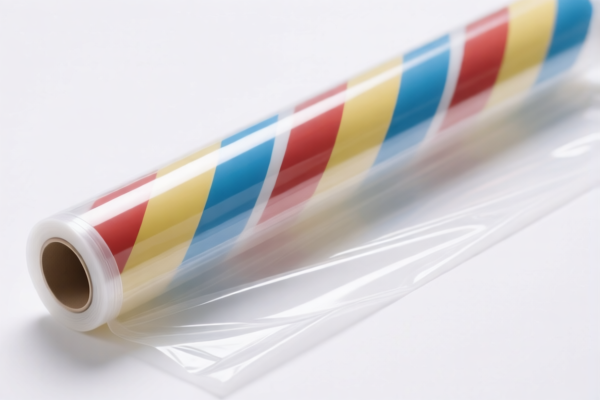
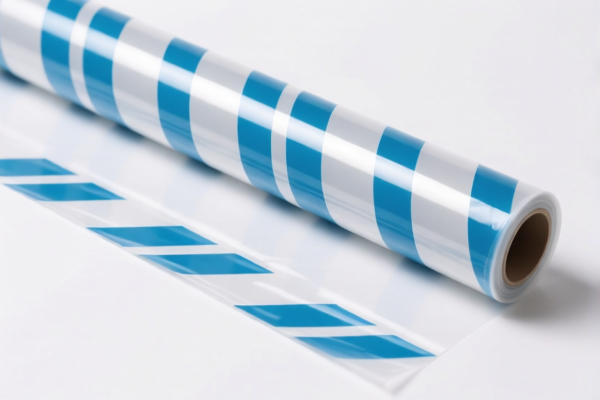
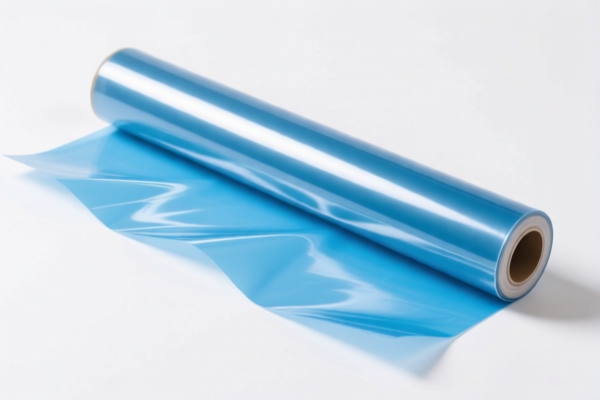
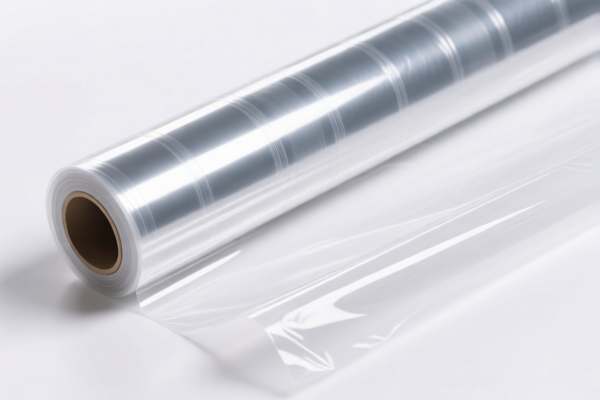
AI Analysis
🛡️ Flexible Plastic Barrier Film & UV Protection Films
🌐 HS Code Reference & Clearance Guide | 2026 Latest Tariff Analysis | Professional Customs Strategy
📌 1. Product Definition & Classification: What Exactly Is "Flexible Plastic Film"?
Flexible Plastic Barrier Film (often marketed as UV protection film, insulation film, or packaging film) refers to flat, flexible products made of plastic. In international trade, classification hinges on three key factors:
1. Material Composition: Is it cellulosic, polyethylene, PVC, or a complex laminate?
2. Structure: Is it foamed, reinforced, or a simple non-foamed sheet/film?
3. Primary Function: Is it purely for packaging/barrier protection, or does it have a specific adhesive/self-adhesive nature?
⚠️ Critical Distinction:
- Self-Adhesive Films: If the film has an adhesive backing applied in the factory → Chapter 3919 (Self-adhesive plates, sheets, film, etc.).
- Non-Adhesive Barrier Films: If it is a plain, flexible sheet used for wrapping, insulation, or UV protection without adhesive → Chapter 3920 (Other plates, sheets, film, foil, and strip, of plastics).
📦 2. HS Code Classification Details (2026 Latest Tariff Authority Comparison)
The provided data indicates four potential HS Codes based on slight variations in product description (adhesive vs. non-adhesive, specific plastic type).
| HS Code | Product Description | Key Characteristics | Primary Use Case |
|--------|----------|--------------------------|
| 3919.90.50.60 | Flexible Plastic UV Film, Self-Adhesive | Adhesive backing, plastic material, film form. Matches "Self-adhesive flat plastic products." | Window tint, self-stick insulation, adhesive labeling films. |
| 3919.90.50.40 | Flexible Plastic UV Film, General Self-Adhesive | Adhesive backing, flat plastic shape. Matches "Other self-adhesive plastic products." | Similar to above, potentially broader categorization for generic adhesive films. |
| 3920.59.10.00 | Flexible Plastic UV Film, Non-Adhesive Barrier | Non-foamed, non-reinforced plastic film. Specific for UV protection/barrier. | Stretch wrap, protective packaging, non-stick UV covers. |
| 3920.99.20.00 | Flexible Plastic Barrier Film (Other) | Non-cellulose, flexible film/strip. "Other" category for plastic films. | General purpose flexible plastic barriers, composite films not elsewhere specified. |
| 3920.99.10.00 | Plastic Barrier Board/Sheet | Note: Data says "Board" (板) but context implies film/laminate. Layered/compounded plastic barrier. | Rigid-flexible hybrids, laminated barrier sheets. |
🔍 Key Alert:
- HS 3919 vs. 3920: This is the biggest risk area.
- If your film has adhesive on one side → Must use 3919.
- If your film is plain/uncoated → Must use 3920.
- Misclassification leads to 40.8% - 41.0% tariff rates, which are significantly higher than standard MFN rates for some plastics, due to trade remedies.
💰 3. 2026 Latest Tariff Rate Breakdown (Including Surtaxes)
✅ Applicable Country: USA (US)
✅ Origin: China (CN)
✅ Effective Date: From Nov 10, 2025 (and subsequent imports)
✅ Note: All listed HS codes in the data are subject to Section 301 and Section 122 tariffs.
🎯 1. 3919.90.50.60 & 3919.90.50.40 —— Self-Adhesive Plastic Films
| Item | Content |
|---|---|
| Basic Tariff | 5.8% (Ad valorem) |
| Section 301 Surcharge | +25.0% (Trade Remedy) |
| Section 122 Surcharge | +10.0% (Specific 122 Clause) |
| Total Tariff Rate | 40.8% |
| Tax Calculation | CIF Value × 40.8% |
| De Minimis Exemption | ❌ Not Eligible (Denied) |
| Legal Basis Path | HTS:3919.90.50.60 → FOOTNOTE:301/122 |
📌 Explanation:
- 5.8%: Standard US MFN duty for self-adhesive plastic products.
- 25%: Additional tariff under Section 301 (China-specific).
- 10%: Additional tariff under Section 122 (often applied to specific plastic categories or trade policy measures).
- Total: 40.8%. This is a high-cost category.
🎯 2. 3920.59.10.00 —— Non-Adhesive UV Barrier Film
| Item | Content |
|---|---|
| Basic Tariff | 6.0% (Ad valorem) |
| Section 301 Surcharge | +25.0% |
| Section 122 Surcharge | +10.0% |
| Total Tariff Rate | 41.0% |
| Tax Calculation | CIF Value × 41.0% |
| De Minimis Exemption | ❌ Not Eligible |
| Legal Basis Path | HTS:3920.59.10.00 → FOOTNOTE:301/122 |
📌 Explanation:
- 6.0%: Standard duty for other plastic films.
- 35% Surcharges: Same 25% + 10% structure.
- Total: 41.0%. Slightly higher than adhesive films due to a higher base rate.
🎯 3. 3920.99.20.00 & 3920.99.10.00 —— Other Plastic Films/Barriers
| Item | Content |
|---|---|
| Basic Tariff | 4.2% (for 99.20) / 6.0% (for 99.10) |
| Section 301 Surcharge | +25.0% |
| Section 122 Surcharge | +10.0% |
| Total Tariff Rate | 39.2% (for 99.20) / 41.0% (for 99.10) |
| De Minimis Exemption | ❌ Not Eligible |
📌 Explanation:
-3920.99.20.00has the lowest total rate at 39.2%, making it potentially the most cost-effective if the product fits this "other plastic film" description.
-3920.99.10.00is classified as "Board/Sheet" in the data, with a higher base of 6.0%, leading to 41.0%.
🛠️ 4. Customs Clearance Practical Advice (Avoid Pitfalls)
✅ 1. Documentation Checklist (Mandatory)
| Document | Required | Notes |
|---|---|---|
| ✅ Product Specification Sheet | ✔️ | Must clearly state: Material (e.g., PET, PE, PVC), Thickness, Width, Length, Adhesive vs. Non-Adhesive. |
| ✅ Commercial Invoice | ✔️ | Description must match HS Code exactly (e.g., "Flexible Plastic Self-Adhesive UV Film"). |
| ✅ Packing List | ✔️ | Weight and dimensions must be accurate for duty calculation. |
| ✅ Certificate of Origin (CO) | ✔️ | To prove origin (China). Note: No preferential tariffs apply for China in these categories. |
| ✅ Test Reports | ✔️ | If claiming "UV Protection" or "Food Grade," provide test reports to justify specific subheadings. |
| ✅ Structure Diagram | ✔️ | Crucial if disputed between 3919 (Adhesive) and 3920 (Non-adhesive). Show layers. |
✅ 2. Declaration Tips (Key Formulas)
🔥 "Adhesive = 3919, No Adhesive = 3920. Name It Right, Save the Fight!"
| Scenario | Correct Declaration | Incorrect Declaration | Risk |
|---|---|---|---|
| Self-Stick Window Film | 3919.90.50.60 "Self-adhesive plastic film" |
"Plastic Sheet" (3920) | Misclassification Penalty + Back Taxes |
| Stretch Wrap / Pallet Film | 3920.59.10.00 or 3920.99.20.00 |
"Adhesive Film" (3919) | Overpayment (If 3919 is higher) or Underpayment |
| Laminated Barrier Sheet | 3920.99.10.00 |
"Simple Film" | Delay in Customs due to structural complexity inquiry |
| Mixed Shipment | Separate HS Codes for Adhesive vs. Non-Adhesive | Single HS Code for all | Confiscation or High Penalties |
✅ 3. Special Considerations
| Situation | Advice |
|---|---|
| De Minimis (Section 321) | ❌ Do NOT use De Minimis. All these HS codes are explicitly excluded from the $800 de minimis exemption due to Section 301/122 surcharges. |
| Anti-Dumping Duties | Check if specific plastics (e.g., PE, PVC) have pending AD/CVD cases. The data provided does not include AD/CVD, but always verify. |
| Origin Labeling | Must clearly mark "Made in China" on packaging and invoice. Mislabeling origin triggers severe penalties. |
| Pre-Ruling | Given the high tax rates (40%+), consider applying for a Binding Tariff Information (BTI) or US Customs Pre-Ruling to confirm the HS Code before shipping. |
🌍 5. Global Market Comparison (2026 Outlook)
| Region | Recommended HS Code | Est. Total Duty (China Origin) | Key Certification |
|---|---|---|---|
| 🇺🇸 USA | 3919.90.50.60 / 3920.59.10.00 |
39.2% - 41.0% | FDA (if food contact), Prop 65 |
| 🇨🇳 China | 3919.90.50 / 3920.59.10 |
Low (0-6%) | CCC (if applicable) |
| 🇪🇺 EU | 3920 or 3919 |
0-6.5% | REACH, RoHS |
| 🇬🇧 UK | 3920 or 3919 |
0-6.5% | UKCA, REACH |
| 🇦🇺 Australia | 3920 or 3919 |
5% | ACCC Standards |
📌 Insight:
The USA is the most challenging market for flexible plastic films due to the 35% surcharges (25% Sec 301 + 10% Sec 122).
- Strategy: If possible, explore non-China origins (e.g., Vietnam, Thailand) to avoid these surcharges.
- Alternative: Optimize product design to fit into lower-tariff subheadings if legally permissible (e.g., ensuring no adhesive to use 3920 if 3919 is higher, though in this data, the difference is marginal).
📌 6. Common Errors & Pitfalls (Lessons Learned)
❌ Error 1: Declaring Self-Adhesive Film as Non-Adhesive Film (3920)
👉 Consequence: Underpayment of duties. Customs will reclassify to 3919 + back taxes + penalties.
👉 Fix: Clearly state "Self-Adhesive" on invoice.
❌ Error 2: Using De Minimis for shipments under $800
👉 Consequence: Package Seizure. These items are explicitly excluded.
👉 Fix: File standard entry for all shipments.
❌ Error 3: Vague Description ("Plastic Film")
👉 Consequence: Customs exam, delay, and possible reclassification to a higher-duty category.
👉 Fix: Use precise terms: "Flexible Plastic Self-Adhesive UV Protection Film, Material: PET, Thickness: 0.1mm."
❌ Error 4: Ignoring Section 122
👉 Consequence: Missing the 10% surcharge in cost calculations, leading to profit loss.
👉 Fix: Always add 10% Sec 122 to the 25% Sec 301 + Base Rate.
🎯 7. Conclusion: Precision Saves Money!
🎯 Remember the Rules:
🔹 "Adhesive = 3919 (40.8%) | Non-Adhesive = 3920 (39.2%-41.0%)"
🔹 "No De Minimis! No Exceptions! Pay the Full 40%!"
🔹 "Accurate Description is Your Best Defense."
📌 Pro Tip:
For high-volume imports, consider Supplier Diversification.
- China Origin: 39.2% - 41.0% Total Duty.
- Vietnam/Thailand Origin: Potentially 0% - 6% (Check current FTAs/Trade Policies).
- Result: A 35%+ savings in duties can make the difference between profit and loss.
📣 Immediate Action:
📞 Consult a Customs Broker for a Pre-Ruling on your specific film structure.
📝 Update Your Invoice Templates to include detailed material and adhesive status.
📉 Re-calculate Your Landed Cost using the 39.2% - 41.0% rate to ensure margin sustainability.
✨ Smart Customs Clearance Starts with Accurate Classification!
💼 Don’t Let 40% Duties Eat Your Profits!
Customer Reviews
About HS Code Classification
The Harmonized System (HS) is an internationally standardized nomenclature developed by the World Customs Organization (WCO) to classify traded products. Over 200 countries use the HS system as the basis for customs tariffs, trade statistics, and import/export regulations.
Each HS code follows a hierarchical structure:
- Chapter (2 digits) — Broad category of goods (e.g., Chapter 84: Machinery and Mechanical Appliances)
- Heading (4 digits) — More specific grouping within the chapter
- Subheading (6 digits) — Internationally standardized breakdown, used by all WCO member countries
- National subdivisions (8-10 digits) — Country-specific extensions for further classification, such as US HTSUS 10-digit codes
Correct HS code classification is essential for smooth customs clearance, accurate duty payment, and compliance with trade regulations. Misclassification can lead to customs delays, overpayment of duties, or penalties.
When importing from CN to US, the applicable tariff rates may include:
- Most-Favored-Nation (MFN) rate — The standard duty rate applied to WTO members
- General rate — Applied to countries without trade agreements
- Trade remedy duties — Additional tariffs such as Section 301 (anti-dumping), Section 232 (national security), or countervailing duties
The information provided on this page is for reference purposes only. For official classification, please consult with your local customs authority or a licensed customs broker.