Flexible Polyester Plastic Strap
CN → US| HS Code | Tariff Rate | Origin | Destination | Doc |
|---|---|---|---|---|
| 3926906010 | 39.2% | CN | US | Official Doc |
| 3926908800 | 0.0% | CN | US | Official Doc |
| 6307904020 | 17.5% | CN | US | Official Doc |
| 6307904010 | 17.5% | CN | US | Official Doc |
| 5607493000 | 38.6% | CN | US | Official Doc |
| 5607491000 | 37.7% | CN | US | Official Doc |
Product Images
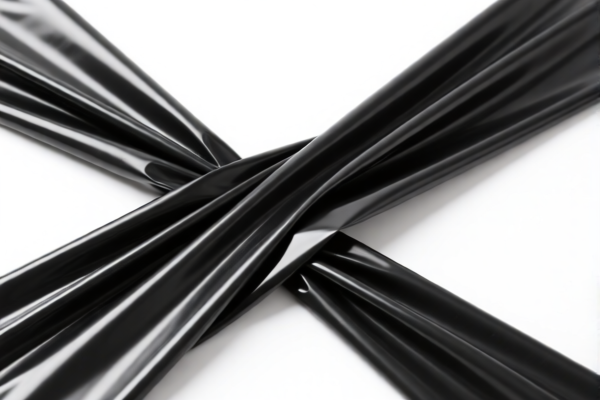



AI Analysis
🧵 Flexible Polyester Plastic Strap (Wide Nonfibrillated Strips & Cables)
🌐 HS Code Reference & Customs Clearance Guide | 2026 Latest Tariff Analysis | Professional Clearance Strategy
📌 I. Product Definition & Classification: What Exactly is a "Flexible Polyester Plastic Strap"?
In international trade, "Flexible Polyester Plastic Strap" is a broad term that covers various plastic strip-like products. However, under the Harmonized System (HS), classification depends heavily on material composition (Polyethylene vs. Polypropylene vs. Other), structure (fibrillated vs. nonfibrillated strip), and end-use (rope/cable vs. industrial belt vs. decorative tassel).
⚠️ Critical Distinction Point:
- If made of Polyethylene (PE) or Polypropylene (PP) and used as rope/cordage → Refer to Chapter 56 (Twine, Cordage, Ropes and Cables).
- If made of other plastics and used as machine belts → Refer to Chapter 39 (Articles of Plastics).
- If made of other plastics and used as decorative cords/tassels → Refer to Chapter 63 (Other Made Up Articles).
- If made of other plastics for document binders → Refer to Chapter 39.
📦 II. HS Code Classification Details (2026 Latest Tariff Authority对照)
Based on your input "Flexible Polyester Plastic Strap", the following HS Codes are the most relevant candidates. Note that "Polyester" is a synthetic fiber, but in plastic forms, it is often grouped under broader plastic categories or specific headings depending on the exact polymer.
| HS Code | Product Description | Application Scenario | Material/Structure |
|---|---|---|---|
5607.49.10.00 |
Twine, Cordage, Ropes, Cables: Of Polyethylene or Polypropylene: Of wide nonfibrillated strip | Industrial strapping,捆绑带 (non-fibrillated), flat plastic ropes | ✅ PE/PP, Nonfibrillated Strip |
5607.49.30.00 |
Twine, Cordage, Ropes, Cables: Of Polyethylene or Polypropylene: Other (Other) | Generic plastic ropes/cords not specified as nonfibrillated strips | ✅ PE/PP, Other |
3926.90.60.10 |
Other Articles of Plastics: Belting and Belts, for Machinery: Other Synchronous Belts | Industrial transmission belts, synchronous belts made of plastic | ✅ Plastic (Non-PE/PP or specific belt use) |
6307.90.40.10 |
Other Made Up Articles: Cords and Tassels: Of Cotton | ⚠️ Mismatch Alert: This is for Cotton, not plastic. | ❌ Cotton |
6307.90.40.20 |
Other Made Up Articles: Cords and Tassels: Other | Decorative cords, tassels, trimmings (non-cotton) | ✅ Other Materials (Plastic/Other) |
3926.90.88.00 |
Other Articles of Plastics: Flexible plastic document binders with tabs, rolled or flat | Plastic document binders, zippered folders with tabs | ✅ Plastic, Document Binders |
🔍 Key Reminder:
- "Polyester" in plastic form is often treated similarly to other thermoplastics. However, if the strap is plaited or braided and used as a rope/cord, it typically falls under Chapter 56 if it’s PE/PP.
- If it is a machine belt (e.g., for conveyors), it falls under 3926.
- If it is a decorative tassel/cord (not for mechanical use), it may fall under 6307.
- Note on HS Code 6307.90.40.10: This is for Cotton. If your strap is 100% polyester plastic, this code is incorrect. Use 6307.90.40.20 for "Other" materials (including plastic) if it's a tassel/cord.
💰 III. 2026 Latest Tariff Rate Breakdown (Including Additional Taxes & Policy Add-ons)
✅ Applicable Country: United States (US)
✅ Origin: China (CN)
✅ Effective Date: 2025 November 10 onwards (including subsequent imports)
🎯 1. 5607.49.10.00 —— Twine/Cordage: Of Polyethylene or Polypropylene: Of Wide Nonfibrillated Strip
| Item | Content |
|---|---|
| Base Tariff | 0% (ad valorem) |
| Additional Tax (Section 301/IEEPA) | 0% |
| Total Tariff | 0% |
| Tax Calculation | CIF Value × 0% |
| De Minimis Eligibility | ✅ Yes (if value ≤ $800) |
| Legal Basis Path | No additional punitive tariffs apply to this specific subheading for China-origin goods under current 2026 rules. |
📌 Explanation:
- This is a zero-tariff item for plastic rope/cordage made of PE/PP.
- Ideal for cost-sensitive industrial strapping or generic plastic cords.
🎯 2. 5607.49.30.00 —— Twine/Cordage: Of Polyethylene or Polypropylene: Other
| Item | Content |
|---|---|
| Base Tariff | 0% |
| Additional Tax | 0% |
| Total Tariff | 0% |
| Tax Calculation | CIF Value × 0% |
| De Minimis Eligibility | ✅ Yes |
| Legal Basis Path | Same as above; no additional penalties. |
📌 Note:
- Also 0%. Whether it’s a nonfibrillated strip or "other" PE/PP cordage, the tariff remains 0%.
🎯 3. 6307.90.40.20 —— Other Made Up Articles: Cords and Tassels: Other (Plastic/Non-Cotton)
| Item | Content |
|---|---|
| Base Tariff | 0% |
| Additional Tax (Section 301) | +7.5% |
| Total Tariff | 7.5% |
| Tax Calculation | CIF Value × 7.5% |
| De Minimis Eligibility | ❌ No (Deny de minimis) |
| Legal Basis Path | IEEPA:9903.01.25 → USITC:6307.90.40.20 |
📌 Explanation:
- If your "flexible polyester strap" is used as a decorative tassel, trim, or cord (not mechanical), it may fall here.
- 7.5% is a moderate tariff.
- Not eligible for de minimis (Section 321), meaning even small shipments will be taxed.
🎯 4. 3926.90.60.10 —— Plastic Articles: Synchronous Belts for Machinery
| Item | Content |
|---|---|
| Base Tariff | 0% |
| Additional Tax | 0% |
| Total Tariff | 0% |
| Tax Calculation | CIF Value × 0% |
| De Minimis Eligibility | ✅ Yes |
📌 Note:
- If the strap is a machine belt (e.g., timing belt), it enjoys 0% tariff.
🎯 5. 6307.90.40.10 —— Cords and Tassels: Of Cotton
| Item | Content |
|---|---|
| Base Tariff | 0% |
| Additional Tax | +7.5% |
| Total Tariff | 7.5% |
| De Minimis Eligibility | ❌ No |
⚠️ Warning:
- Do not use this code if your product is Polyester Plastic. This is strictly for Cotton. Misclassification leads to penalties and retroactive taxes.
🎯 6. 3926.90.88.00 —— Plastic Document Binders
| Item | Content |
|---|---|
| Base Tariff | Error/Failed to Retrieve |
| Status | ⚠️ Uncertain |
| Recommendation | Avoid unless confirmed by Customs Broker. Likely 0% but requires verification. |
📌 Note:
- Only use if the strap is part of a document binder system. Otherwise, irrelevant.
🛠️ IV. Customs Clearance Practical Advice (Battle-Tested Pitfall Guide)
✅ 1. Documentation Checklist (Non-Negotiable)
| Document | Required | Notes |
|---|---|---|
| ✅ Product Specification Sheet | ✔️ | Must specify: Material (e.g., "High-Density Polyethylene"), Width, Thickness, Structure (Nonfibrillated/Braided). |
| ✅ End-Use Declaration | ✔️ | Crucial! Is it for strapping (5607), belting (3926), or decoration (6307)? |
| ✅ Photos (Clear & Labeled) | ✔️ | Show cross-section, edges, and any branding. |
| ✅ Bill of Lading/Packing List | ✔️ | Clearly state "Plastic Strap" or "Polypropylene Cord". |
| ✅ Certificate of Origin | ✔️ | If claiming zero tariff, ensure origin is documented. |
✅ 2. Declaration Tips (Key Mantras)
🔥 "Material First, Structure Second, End-Use Last!"
| Scenario | Correct HS Code | Wrong Practice |
|---|---|---|
| Industrial Strapping Tape (PE/PP, flat, no fraying) | 5607.49.10.00 (0%) |
Declaring as "Plastic Film" → Complex clearance |
| Braided Plastic Rope (PE/PP) | 5607.49.30.00 (0%) |
Declaring as "Textile Rope" → Higher tariff/Regulation |
| Decorative Tassel (Plastic) | 6307.90.40.20 (7.5%) |
Declaring as "Cotton Tassel" → Penalty! |
| Machine Timing Belt | 3926.90.60.10 (0%) |
Declaring as "General Plastic Part" → Ambiguity |
| Polyester Strap (Not PE/PP) | Verify Chapter 39 or 56 | Assuming 0% without checking base material |
📌 Critical Alert:
- "Polyester" is chemically different from Polyethylene (PE) and Polypropylene (PP).
- If your strap is 100% Polyester (PET) plastic, it does NOT automatically qualify for5607.49.10.00(which specifies PE/PP).
- Action: Check if PET straps are classified under5607.49.30.00("Other") or potentially3926depending on structure. Confirm with a broker!
✅ 3. Special Cases Handling
| Case | Handling Advice |
|---|---|
| OEM Custom Straps | Provide client design specs. Ensure "End Use" matches declaration. |
| Mixed Materials | If strap has plastic + metal core, declare as "Steel Wire Rope" or consult broker. |
| Small Shipments (De Minimis) | For 5607 codes, 0% tax + De Minimis Eligible = Fastest clearance. |
| Decorative Use | If using 6307.90.40.20, prepare for 7.5% tax and no de minimis. |
🌍 V. Global Market Clearance Comparison (2026 Latest)
| Country/Region | Recommended HS Code | Tariff | Certification | Notes |
|---|---|---|---|---|
| 🇺🇸 USA | 5607.49.10.00 / 5607.49.30.00 |
0% | None | Best for PE/PP straps. |
| 🇺🇸 USA | 6307.90.40.20 |
7.5% | None | For decorative cords. |
| 🇨🇳 China | 5607.49.10.00 |
0% | N/A | Export duty may apply. |
| 🇪🇺 EU | 5607.49 |
6.5% | CE (if applicable) | No de minimis. |
| 🇯🇵 Japan | 5607.49 |
6.0% | N/A | Lower than EU. |
📌 Conclusion:
- USA offers 0% tariff for PE/PP plastic straps under Chapter 56.
- EU and Japan charge ~6-6.5%.
- Decorative plastic cords face 7.5% in the US.
📌 VI. Common Errors & Pitfalls (Blood Lessons)
❌ Error 1: Declaring Polyester (PET) straps as Polyethylene (PE) straps
👉 Consequence: Misclassification. Customs may assess higher tariffs or penalties for false origin description.
❌ Error 2: Using 6307.90.40.10 (Cotton) for Plastic straps
👉 Consequence: 7.5% Tax + Penalty. Customs will detect material mismatch via inspection.
❌ Error 3: Splitting "Strap + Buckle" into separate lines incorrectly
👉 Consequence: Buckles might be classified as "Metal Fasteners" with different tariffs. Declare as Set if possible, or ensure each part is correctly classified.
❌ Error 4: Ignoring "Nonfibrillated" distinction
👉 Consequence: If your strap is fibrillated (frayed edges), it may fall under a different subheading with different tax rules.
✅ Correct Practice:
"Plastic Strap, High-Density Polyethylene (HDPE), 25mm Width, Nonfibrillated, for Industrial Strapping, Model XYZ"
🎯 VII. Conclusion: Precise Classification Saves Money!
🎯 Remember the Mantra:
🔹 "PE/PP Strap = 0% (US). Decorative Plastic = 7.5% (US). Cotton Code = Trap!"
🔹 "Polyester ≠ Polyethylene! Verify Material First!"
🔹 "Zero Tariff is Great, but Only if the Code is Right!"
📌 Pro Tip:
If your strap is not PE/PP but Polyester (PET), consult a customs broker to confirm if it falls under 5607.49.30.00 (Other) or a different chapter. Do not assume 0% without verification!
📣 Immediate Action:
📞 Contact a licensed customs broker + Provide Material Safety Data Sheet (MSDS) + Apply for HS Code Advance Ruling
🚀 Ensure your Flexible Polyester Plastic Strap clears customs smoothly, tax-efficiently, and without delays!
✨ Professional Clearance, Starting with Accurate Classification!
💼 Every Percentage Point Matters in Global Trade!
Customer Reviews
About HS Code Classification
The Harmonized System (HS) is an internationally standardized nomenclature developed by the World Customs Organization (WCO) to classify traded products. Over 200 countries use the HS system as the basis for customs tariffs, trade statistics, and import/export regulations.
Each HS code follows a hierarchical structure:
- Chapter (2 digits) — Broad category of goods (e.g., Chapter 84: Machinery and Mechanical Appliances)
- Heading (4 digits) — More specific grouping within the chapter
- Subheading (6 digits) — Internationally standardized breakdown, used by all WCO member countries
- National subdivisions (8-10 digits) — Country-specific extensions for further classification, such as US HTSUS 10-digit codes
Correct HS code classification is essential for smooth customs clearance, accurate duty payment, and compliance with trade regulations. Misclassification can lead to customs delays, overpayment of duties, or penalties.
When importing from CN to US, the applicable tariff rates may include:
- Most-Favored-Nation (MFN) rate — The standard duty rate applied to WTO members
- General rate — Applied to countries without trade agreements
- Trade remedy duties — Additional tariffs such as Section 301 (anti-dumping), Section 232 (national security), or countervailing duties
The information provided on this page is for reference purposes only. For official classification, please consult with your local customs authority or a licensed customs broker.