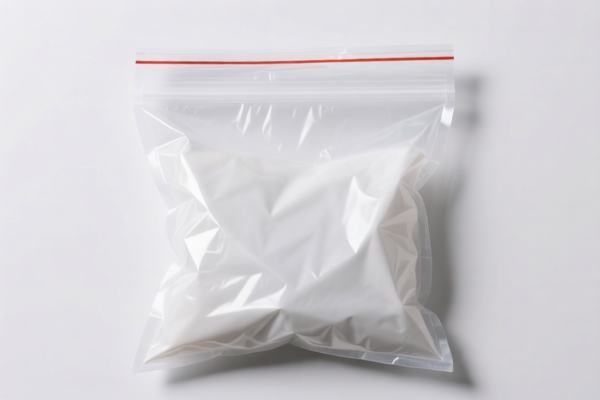
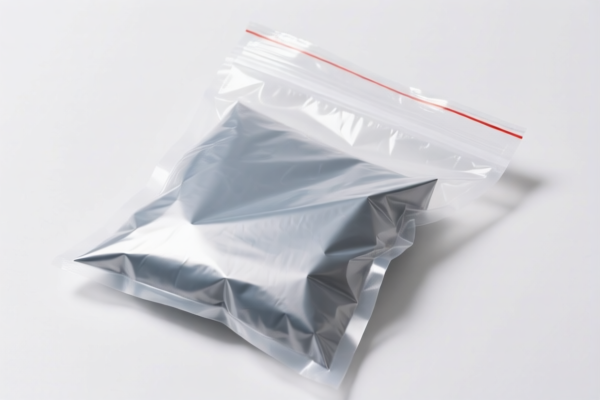
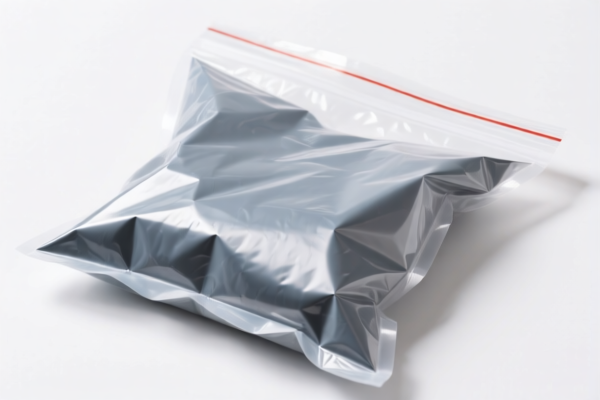
Flexible plastic packaging bag
CN → USProduct Images
AI Analysis
🛍️ Flexible Plastic Packaging Bags (Flexible Plastic Packaging)
🌐 HS Code Reference & Customs Clearance Guide | 2026 Latest Tariff Analysis | Professional Customs Strategy
📌 Part I: Product Definition & Classification: Do You Really Understand "Plastic Bags"?
Flexible plastic packaging bags are ubiquitous in global trade, used for food, textiles, electronics, and industrial goods. In international trade, they are primarily classified based on material composition and whether they are lined or coated. The most critical distinction is between bags made of polyethylene (PE), polypropylene (PP), polyester (PET), or other plastics, and whether they are merely simple bags or part of a "laminated" structure.
Polyethylene Bags (PE Bags): Commonly used for general purpose, grocery, and industrial packaging. High-density (HDPE) and Low-density (LDPE) fall here. Polypropylene Bags (PP Bags): Often woven or non-woven, used for bulk goods, rice, sugar, or consumer retail bags. Other Plastics (PET, PVC, etc.): Used for specific high-barrier or aesthetic packaging.
⚠️ Key Distinction Point:
- If the bag is made of Polyethylene (PE) or Polypropylene (PP) → Generally falls under Chapter 39.
- If the bag is laminated with paper, aluminum foil, or other materials, it may still fall under Chapter 39 if the plastic layer is the essential character, but verification is required.
- If the bag is textile-based (e.g., cotton, jute) → Falls under Chapter 63.
- Crucial Note: "Flexible packaging" is a broad term. Customs focuses on the material of the outermost layer or the essential material.
📦 Part II: HS Code Classification Details (2026 Latest Tariff Authority Reference)
| HS Code | Product Description | Application Scenario | Material | Essential Character |
|--------|--------------------------|----------|------------------------|
| 3923.21.00.00 | Sacks and bags, of polyethylene | Bulk packaging, agricultural products, heavy-duty bags | PE (Polyethylene) | ✅ Yes |
| 3923.29.00.00 | Other sacks and bags | Non-PE/PP bags (e.g., PVC, PET, Laminated) | Other Plastics | ✅ Yes |
| 3923.30.00.00 | Carboys, bottles and similar articles | Not applicable (rigid containers) | N/A | ❌ N/A |
| 6305.33.00.00 | Sacks and bags, of man-made fibers | Non-woven PP bags, woven PP bags (often classified here if woven) | Man-made Fibers (Polypropylene) | ✅ Yes |
| 6305.39.00.00 | Other sacks and bags, of man-made fibers | Other textile-based flexible bags | Man-made Fibers | ✅ Yes |
| 4819.10.00.00 | Sacks and bags, of paper | Paper bags | Paper | ✅ Yes |
🔍 Critical Reminders:
- Woven PP Bags (common for rice, fertilizer) are often classified under6305.33.00.00as "sacks of man-made fibers," NOT plastic bags, because they are woven textiles.
- Non-woven PP Bags (shopping bags) may fall under3923.29.00.00(plastic) if they are not considered "textile" by the specific country's interpretation, but6305.33.00.00is also common.
- PE Bags (supermarket bags, trash bags) almost always fall under3923.21.00.00.
- Laminated Bags (e.g., Pet-food bags with aluminum lining): If the plastic layer is essential, classify under3923.29.00.00. If the paper layer is essential, classify under4819.
💰 Part III: 2026 Latest Tariff Rate Details (Including Surcharges & Policy Additions)
✅ Applicable Country: United States (US)
✅ Origin: China (CN)
✅ Effective Date: From November 10, 2025 (including subsequent imports)
🎯 1. 3923.21.00.00 —— Sacks and Bags, of Polyethylene (PE)
| Item | Content |
|---|---|
| Base Tariff Rate | 3.4% (ad valorem) |
| USITC Additional Tariff | +25% (Under Section 301, Footnote 9903.88.01) |
| IEEPA Additional Tariff | +10% (Targeting China/HK products, from Nov 10, 2025) |
| Total Tariff Rate | ~38.4% |
| Tax Calculation | CIF Value × 38.4% |
| De Minimis Eligibility | ❌ Not Eligible (deny_de_minimis) |
| Legal Basis Path | IEEPA:9903.01.25 → IEEPA:9903.01.24 → USITC:3923.21.00.00 → FOOTNOTE:9903.88.01 |
📌 Explanation:
- "USITC Additional Tariff 25%" is from the Section 301 Trade Act;
- "IEEPA 10%" is the new additional tariff on Chinese goods;
- Total ~38.4% is high, especially for low-margin packaging goods.
- Note: Some specific PE bags may have different rates if they are "single-use" or have specific exemptions, but generally, packaging is taxed.
🎯 2. 3923.29.00.00 —— Other Sacks and Bags (Non-PE, e.g., PVC, PET, Laminated)
| Item | Content |
|---|---|
| Base Tariff Rate | 3.4% |
| USITC Additional Tariff | +25% |
| IEEPA Additional Tariff | +10% |
| Total Tariff Rate | ~38.4% |
| Tax Calculation | CIF × 38.4% |
| De Minimis Eligibility | ❌ Not Eligible |
| Legal Basis Path | IEEPA:9901.25 → IEEPA:9903.01.24 → USITC:3923.29.00.00 → FOOTNOTE:9903.88.01 |
📌 Note:
- Same as above; most plastic packaging from China faces this high tariff.
🎯 3. 6305.33.00.00 —— Sacks and Bags, of Man-Made Fibers (Woven PP)
| Item | Content |
|---|---|
| Base Tariff Rate | 0% - 3.5% (varies by specific woven type) |
| USITC Additional Tariff | +25% |
| IEEPA Additional Tariff | +10% |
| Total Tariff Rate | ~35% - 38.5% |
| Tax Calculation | CIF × Total Rate |
| De Minimis Eligibility | ❌ Not Eligible |
📌 Note:
- Woven PP bags (for rice, cement) are often classified here.
- Tariff is still high due to Section 301 and IEEPA.
🛠️ Part IV: Customs Clearance Practical Advice (Real-World Pitfall Avoidance Guide)
✅ 1. Document Checklist (All Required)
| Document | Must Provide | Description |
|---|---|---|
| ✅ Product Specification Sheet | ✔️ | Material type (PE, PP, PET), thickness, dimensions, print details |
| ✅ Composition Declaration | ✔️ | Exact percentage of each layer (for laminated bags) |
| ✅ Product Photos (Including Markings) | ✔️ | Show logo, recycling symbol, material code (e.g., #2 HDPE, #5 PP) |
| ✅ FDA Compliance (If Food Contact) | ✔️ | FDA 21 CFR compliance statement for food-grade bags |
| ✅ Commercial Invoice | ✔️ | Clearly state "Flexible Plastic Packaging Bags" |
| ✅ Packing List | ✔️ | Detail weight, quantity, and packaging type |
| ✅ Certificate of Origin (CO) | ✔️ | If not from China, for potential preference |
✅ 2. Declaration Tips (Key Mantra)
🔥 "Material First, Structure Clear, Name Precise, Tariff Lower!"
| Scenario | Correct Declaration | Wrong Practice |
|---|---|---|
| PE Bags (Supermarket, Trash) | 3923.21.00.00 |
Misclassified as "Textile Bags" → 38.4% vs 0% (if textile) |
| Woven PP Bags (Rice, Cement) | 6305.33.00.00 |
Misclassified as "Plastic Bags" → 38.4% |
| Laminated Bags (Pet Food) | 3923.29.00.00 |
Misclassified as "Paper Bags" → 38.4% vs 0-5% (if paper essential) |
| Non-Woven Shopping Bags | 3923.29.00.00 or 6305.39.00.00 |
Ambiguous → Delay |
✅ 3. Special Cases Handling
| Scenario | Handling Advice |
|---|---|
| Food-Grade Bags | Provide FDA compliance letter. Without it, customs may seize or reclassify. |
| Biodegradable Bags | Provide certification (e.g., ASTM D6400). May qualify for lower tariff if recognized as "bioplastic" under specific HS codes, but generally still Chapter 39. |
| Laminated Bags | Clearly declare the essential material. If plastic is essential, use 3923.29. If paper is essential, use 4819. |
| OEM Custom Bags | Provide design files and print authorization to avoid IP issues. |
🌍 Part V: Global Main Market Customs Comparison (2026 Latest)
| Country/Region | Recommended HS Code | Tariff | Certification Requirement | Notes |
|---|---|---|---|---|
| 🇺🇸 United States | 3923.21.00.00 / 6305.33.00.00 |
~38.4% | FDA (if food), CPC (if kids) | High tariff due to Section 301 + IEEPA |
| 🇨🇳 China | 3923.21.00.00 |
3.4% | None | No additional surcharges |
| 🇪🇺 European Union | 3923.21.00.00 |
4.5% | REACH, RoHS | No Section 301 surcharge |
| 🇬🇧 United Kingdom | 3923.21.00.00 |
4.5% | UKCA, REACH | Post-Brexit alignment with EU |
| 🇦🇺 Australia | 3923.21.00.00 |
5.0% | RCM | No additional surcharge |
| 🇯🇵 Japan | 3923.21.00.00 |
0% - 6.0% | JIS, Food Safety | No additional surcharge |
📌 Conclusion:
- US is the most expensive market for plastic packaging due to combined tariffs.
- EU, UK, Australia, Japan have much lower tariffs (0-6%).
- China domestic market has low tariffs (3.4%).
- Strategy: If targeting the US, consider supply chain relocation (e.g., Vietnam, Mexico) to avoid IEEPA and Section 301 tariffs.
📌 Part VI: Common Mistakes & Pitfall Avoidance Guide (Lessons Learned)
❌ Mistake 1: Classifying Woven PP Bags as Plastic Bags (3923.29)
👉 Consequence: Tariff is the same, but inspection risk increases. Woven bags are often treated as textiles.
👉 Correct: Use 6305.33.00.00 if woven.
❌ Mistake 2: Not declaring FDA Compliance for Food-Grade Bags
👉 Consequence: Detention, destruction, or return by FDA.
👉 Correct: Include FDA 21 CFR compliance statement in invoice.
❌ Mistake 3: Misclassifying Laminated Bags as Pure Paper
👉 Consequence: If plastic is essential, tariff is 38.4% instead of 0-5%.
👉 Correct: Determine essential character. If plastic layer provides barrier function, it's plastic.
❌ Mistake 4: Using "Plastic Bag" as a generic name without material specification
👉 Consequence: Customs may assign highest possible tariff (38.4%).
👉 Correct: Specify "Polyethylene Bag" or "Polypropylene Woven Bag".
✅ Correct Practice:
"HDPE Plastic Bags, 12x16 inches, 2 mil thickness, Food-Grade, FDA Compliant, Recyclable #2"
🎯 Part VII: Conclusion: Professional Classification Saves Money!
🎯 Remember the Mantra:
🔹 "Woven is Textile, Non-Woven is Plastic, Laminated Needs Care!"
🔹 "US Tariff is High, Supply Chain is Key, FDA Compliance is Mandatory!"
📌 Tips:
- If your bags are original from Vietnam, Mexico, Thailand, Malaysia, you can apply for IEEPA exemption, reducing tariff to 0%~5%.
- Suggest pre-classification ruling for new product lines.
📣 Immediate Action:
📞 Contact professional customs broker + Provide product samples + Apply for FDA compliance + Verify HS Code
🚀 Let your packaging clear customs smoothly, reduce costs, and boost profits!
✨ Professional Customs, Starts with Accurate Classification!
💼 Every cent of your cost deserves precise calculation!
Customer Reviews
About HS Code Classification
The Harmonized System (HS) is an internationally standardized nomenclature developed by the World Customs Organization (WCO) to classify traded products. Over 200 countries use the HS system as the basis for customs tariffs, trade statistics, and import/export regulations.
Each HS code follows a hierarchical structure:
- Chapter (2 digits) — Broad category of goods (e.g., Chapter 84: Machinery and Mechanical Appliances)
- Heading (4 digits) — More specific grouping within the chapter
- Subheading (6 digits) — Internationally standardized breakdown, used by all WCO member countries
- National subdivisions (8-10 digits) — Country-specific extensions for further classification, such as US HTSUS 10-digit codes
Correct HS code classification is essential for smooth customs clearance, accurate duty payment, and compliance with trade regulations. Misclassification can lead to customs delays, overpayment of duties, or penalties.
When importing from CN to US, the applicable tariff rates may include:
- Most-Favored-Nation (MFN) rate — The standard duty rate applied to WTO members
- General rate — Applied to countries without trade agreements
- Trade remedy duties — Additional tariffs such as Section 301 (anti-dumping), Section 232 (national security), or countervailing duties
The information provided on this page is for reference purposes only. For official classification, please consult with your local customs authority or a licensed customs broker.