Floodlight
CN → US| HS Code | Tariff Rate | Origin | Destination | Doc |
|---|---|---|---|---|
| 8543709860 | 37.6% | CN | US | Official Doc |
| 8539520091 | 12.0% | CN | US | Official Doc |
| 9405428410 | 38.9% | CN | US | Official Doc |
| 9405428440 | 38.9% | CN | US | Official Doc |
| 8543707100 | 37.0% | CN | US | Official Doc |
| 8539510000 | 35.0% | CN | US | Official Doc |
Product Images
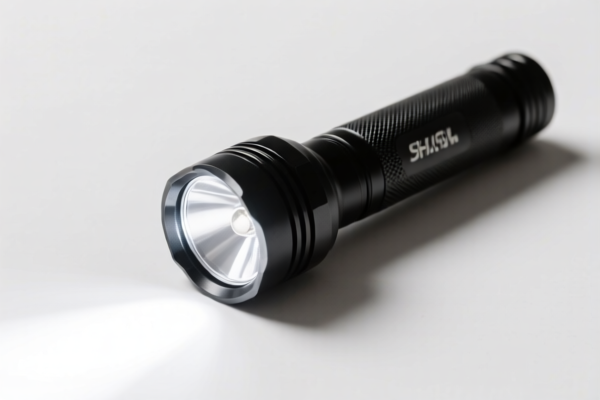
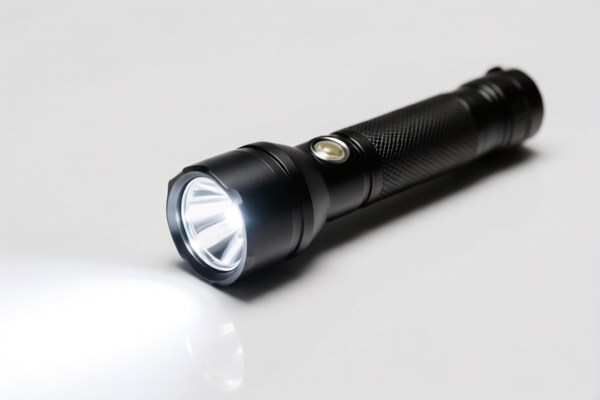
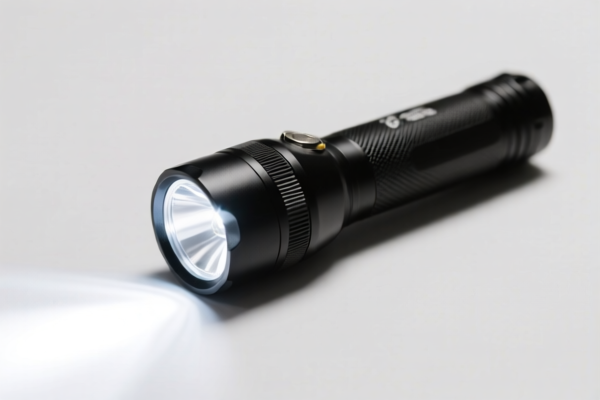
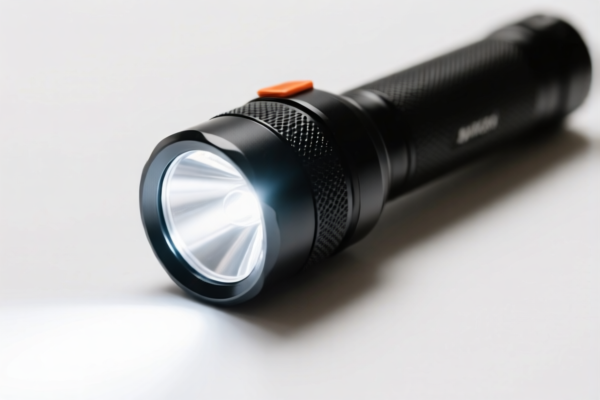
AI Analysis
🔦 LED Floodlight (LED Floodlights)
🌐 HS Code Reference & Customs Clearance Guide | 2026 Latest Tariff Analysis | Professional Clearance Strategy
📌 Part 1: Product Definition & Classification: Do You Really Understand "LED Floodlight"?
An LED Floodlight is a high-intensity, broad-beam electric light used for outdoor illumination, security, sports fields, and architectural lighting. In international trade, the classification depends heavily on whether the product is considered a light source/component or a finished lighting fixture/appliance.
Two Main Categories: 1. Light Source/Component Category (Chapter 85): If the product is viewed primarily as an electrical apparatus or a specific type of lamp without the full context of a "fixture" designed for general illumination purposes. 2. Lighting Fixture Category (Chapter 94): If the product is a complete "lighting apparatus" designed to emit light, including the housing, reflector, and mounting mechanism, fitting the definition of "electric lamps and lighting fittings."
⚠️ Key Distinction Point:
- If classified under Chapter 85, it is often treated as an "electrical machine, apparatus, or having individual function" or specific LED lamp types.
- If classified under Chapter 94, it is treated as a "Lighting Fitting" or "Lamp."
- The difference in tax rates can be massive (from 12% to nearly 39%) due to specific US trade remedies (Section 301 and Section 122 tariffs).
📦 Part 2: HS Code Classification Details (2026 Latest Tariff Authority Comparison)
| HS Code | Product Description (Based on Data Summary) | Tax Rate Summary | Key Classification Logic | |--------|----------|--------------------------| | 8543.70.98.60 | Other machines and apparatus with individual function. | 37.6% | Treated as an "apparatus with individual function" rather than a standard light fixture. | | 8539.52.00.91 | Light-emitting diode (LED) lamps. | 12.0% | Directly classified as an "LED Lamp" (Light Source). Lowest Tax Option. | | 9405.42.84.10 | Lighting fittings primarily powered by LEDs. | 38.9% | Classified as a "Lighting Appliance" with LED source. | | 9405.42.84.40 | Other electric lamps and lighting fittings. | 38.9% | Classified as "Other Electric Lamps" using LED technology. | | 8543.70.71.00 | Electric luminescent lamps. | 37.0% | Classified under electrical lamps/apparatus with individual function. | | 8539.51.00.00 | Other lamps and lighting fittings using LED sources. | 35.0% | Classified as "Other LED Lamps/Fittings." |
🔍 Critical Observation:
- The lowest tax rate is 12.0% (HS Code8539.52.00.91). This requires strict adherence to the definition of an "LED Lamp."
- The highest tax rates are ~37-39% (HS Codes9405.42.84.10,9405.42.84.40,8543.70.98.60). These fall under "Lighting Fittings" or "Individual Function Apparatus," which attract higher Section 301 tariffs.
- Section 122 Tariffs (10%) are applied across all these categories for products from China.
💰 Part 3: 2026 Latest Tariff Rate Breakdown (Including Additional Taxes)
✅ Applicable Country: United States (US)
✅ Origin: China (CN)
✅ Effective Time: Current US Trade Policy (Section 301 + Section 122)
🎯 1. 8539.52.00.91 — LED Lamps (Lowest Tax Strategy)
| Item | Content |
|---|---|
| Base Rate | 2.0% (Ad Valorem) |
| USITC Add-on Tariff (Section 301) | 0.0% |
| IEEPA / Section 122 Tariff | 10.0% |
| Total Effective Tax Rate | 12.0% |
| Tax Calculation | CIF Value × 12.0% |
| De Minimis Exemption | ❌ Not Applicable (Subject to high scrutiny if used in Section 301 contexts, though 12% is low enough to avoid some de minimis complexities compared to higher brackets) |
| Legal Path | USITC:8539.52.00.91 → IEEPA:Section 122 (10%) |
📌 Explanation:
- This code treats the product primarily as an LED Lamp (light source).
- No Section 301 25% tariff is applied to this specific subheading in the provided data, making it the most cost-effective.
- Risk: Must prove the item is an "LED Lamp" and not a "Fixture" (Chapter 94) or "Apparatus" (Chapter 85 general).
🎯 2. 8539.51.00.00 — Other LED Lamps/Fittings
| Item | Content |
|---|---|
| Base Rate | 0.0% |
| USITC Add-on Tariff (Section 301) | 25.0% |
| IEEPA / Section 122 Tariff | 10.0% |
| Total Effective Tax Rate | 35.0% |
| Tax Calculation | CIF Value × 35.0% |
| De Minimis Exemption | ❌ Not Applicable |
| Legal Path | USITC:8539.51.00.00 → USITC:Footnote 9903.88.01 → IEEPA:Section 122 |
📌 Explanation:
- Classified as "Other" LED lamps.
- Subject to the standard 25% Section 301 tariff for China-origin goods.
- Total 35% is significantly higher than the 12% option.
🎯 3. 8543.70.71.00 & 8543.70.98.60 — Electric Lamps / Apparatus
| Item | Content |
|---|---|
| Base Rate | 2.0% - 2.6% |
| USITC Add-on Tariff (Section 301) | 25.0% |
| IEEPA / Section 122 Tariff | 10.0% |
| Total Effective Tax Rate | 37.0% - 37.6% |
| Tax Calculation | CIF Value × 37.0-37.6% |
| De Minimis Exemption | ❌ Not Applicable |
| Legal Path | USITC:8543.70.71.00 → USITC:Footnote 9903.88.01 → IEEPA:Section 122 |
📌 Explanation:
- These codes classify the product as an "Apparatus" or "Electric Luminescent Lamp" under Chapter 85.
- Subject to 25% Section 301 + 10% Section 122.
- High cost; avoid unless the product strictly does not fit Chapter 94 or standard LED lamp definitions.
🎯 4. 9405.42.84.10 & 9405.42.84.40 — Lighting Fittings (Highest Tax)
| Item | Content |
|---|---|
| Base Rate | 3.9% |
| USITC Add-on Tariff (Section 301) | 25.0% |
| IEEPA / Section 122 Tariff | 10.0% |
| Total Effective Tax Rate | 38.9% |
| Tax Calculation | CIF Value × 38.9% |
| De Minimis Exemption | ❌ Not Applicable |
| Legal Path | USITC:9405.42.84.10 → USITC:Footnote 9903.88.01 → IEEPA:Section 122 |
📌 Explanation:
- Classified as Lighting Fittings (Chapter 94).
- This is the most expensive classification.
- Avoid this code if possible, as it attracts the highest total tariff burden (38.9%).
🛠️ Part 4: Customs Clearance Practical Advice (Battle-Tested Guide)
✅ 1. Preparation Checklist (Non-Negotiable)
| Material | Required | Description |
|---|---|---|
| ✅ Product Specifications | ✔️ | Must clearly state "LED Lamp" vs. "Lighting Fixture." Include lumens, wattage, beam angle. |
| ✅ Technical Diagrams | ✔️ | Show if it contains separate drive circuits vs. integrated LED chips. |
| ✅ Product Photos | ✔️ | Clear shots of the LED chips, housing, and any separate drivers. |
| ✅ Certifications | ✔️ | DLC, UL, Energy Star, CE, RoHS (helps prove it's a compliant LED light source). |
| ✅ Commercial Invoice | ✔️ | Use precise language: "LED Light Source/Lamp" rather than "Decorative Lighting Fixture" if aiming for 12% tax. |
| ✅ Packing List | ✔️ | Ensure no extra accessories (like mounting brackets) are listed separately if they distract from the "lamp" classification. |
✅ 2. Declaration Strategy (Key Mantra)
🔥 "Source Over Fixture, LED Over Electric, 12% is King!"
| Scenario | Recommended HS Code | Tax Rate | Why? |
|---|---|---|---|
| Best Case | 8539.52.00.91 |
12.0% | Classified as "LED Lamp." No Section 301 25% tariff. Lowest risk. |
| Medium Risk | 8539.51.00.00 |
35.0% | Classified as "Other LED Lamp/Fitting." High Section 301 tariff. |
| Worst Case | 9405.42.84.10 |
38.9% | Classified as "Lighting Fitting." Highest Section 301 + Base tariff. |
| Alternative | 8543.70.98.60 |
37.6% | Classified as "Apparatus." High tax, avoids Chapter 94 but still high. |
📌 Critical Warning:
- Do NOT declare as "Lighting Fixture" (9405) if you want to avoid the 38.9% rate.
- Do NOT declare as "Machine/Apparatus" (8543) unless necessary, as 37%+ is still very high.
- Aim for8539.52.00.91: Ensure the product is described as an LED Lamp (the light source itself) rather than a Fixture (the housing/holder). If the housing is integral, argue that the essential character is the LED component.
✅ 3. Special Cases & Pitfalls
| Situation | Advice |
|---|---|
| Integrated vs. Separate Driver | If the driver is separate, it may support classification as a "lamp" (8539) rather than a "fixture" (9405). |
| Security Cameras with Built-in Lights | Be careful. These may fall under Chapter 85 (Cameras) or 94 (Lighting). Misclassification leads to audits. |
| Smart LED Floodlights | IoT features might push it toward Chapter 85 (Electronic Apparatus). Consult a broker to see if 8543 or 8539 is better. |
| Bulk Import for Retail | Ensure the end-use is clear. Retail-ready units might be viewed as "fixtures." |
🌍 Part 5: Global Market Comparison (2026 Latest)
| Country/Region | Recommended HS Code | Est. Tariff (China Origin) | Notes |
|---|---|---|---|
| 🇺🇸 USA | 8539.52.00.91 |
12.0% | Best Option. Avoid 9405 (38.9%). |
| 🇨🇳 China | 9405.42.00.00 |
5-13% | Standard import duty. No Section 301. |
| 🇪🇺 EU | 9405.42.00.00 |
0% (if RoHS/CE compliant) | No major anti-dumping on LEDs currently. |
| 🇦🇺 Australia | 9405.42.00.00 |
5% | GST applies, but low duty. |
📌 Conclusion:
- The USA is the most challenging market due to Section 301 and Section 122 tariffs.
- Chapter 94 (Lighting Fixtures) is a tax trap (38.9%).
- Chapter 85 (LED Lamps) offers a lifeline at 12% if classified correctly under8539.52.00.91.
📌 Part 6: Common Errors & How to Avoid Them (Blood Lessons)
❌ Error 1: Using "LED Floodlight" in the description without specifying "Lamp."
👉 Consequence: Customs may default to Chapter 94 (Lighting Fitting) → 38.9% Tax.
✅ Fix: Use "LED Lamp Assembly" or "LED Light Source" in technical descriptions.
❌ Error 2: Declaring as "Part of Lighting Fixture" to lower base rate.
👉 Consequence: May still attract 25% Section 301 if not carefully coded.
✅ Fix: Ensure the HS Code itself has 0% Section 301 (like 8539.52.00.91).
❌ Error 3: Ignoring Section 122 (10% Tariff).
👉 Consequence: All these codes have a 10% IEEPA tariff.
✅ Fix: Calculate total landed cost including the 10% on top of the base + 301 tariffs.
🎯 Part 7: Conclusion: Precise Classification Saves 26%+ in Taxes!
🎯 Remember the Mantra:
🔹 "12% is the Target, 39% is the Trap."
🔹 "LED Lamp (8539) beats Lighting Fixture (9405) every time."
📌 Pro Tip:
If your supplier can separate the LED Module from the Housing in documentation, argue for the LED Module classification (8539.52.00.91). This is the single most effective way to reduce tariffs from ~39% to 12%.
📣 Immediate Action:
📞 Contact your customs broker with the technical datasheet highlighting "LED Lamp" features.
📝 Request an Advance Ruling (Ruling Letter) from CBP for HS Code8539.52.00.91.
🚀 Protect your margin! A 26% tax difference is the cost of profit.
✨ Professional Clearance Starts with Precise Classification!
💼 Every Dollar Counted, Every Tariff Avoided.
Customer Reviews
About HS Code Classification
The Harmonized System (HS) is an internationally standardized nomenclature developed by the World Customs Organization (WCO) to classify traded products. Over 200 countries use the HS system as the basis for customs tariffs, trade statistics, and import/export regulations.
Each HS code follows a hierarchical structure:
- Chapter (2 digits) — Broad category of goods (e.g., Chapter 84: Machinery and Mechanical Appliances)
- Heading (4 digits) — More specific grouping within the chapter
- Subheading (6 digits) — Internationally standardized breakdown, used by all WCO member countries
- National subdivisions (8-10 digits) — Country-specific extensions for further classification, such as US HTSUS 10-digit codes
Correct HS code classification is essential for smooth customs clearance, accurate duty payment, and compliance with trade regulations. Misclassification can lead to customs delays, overpayment of duties, or penalties.
When importing from CN to US, the applicable tariff rates may include:
- Most-Favored-Nation (MFN) rate — The standard duty rate applied to WTO members
- General rate — Applied to countries without trade agreements
- Trade remedy duties — Additional tariffs such as Section 301 (anti-dumping), Section 232 (national security), or countervailing duties
The information provided on this page is for reference purposes only. For official classification, please consult with your local customs authority or a licensed customs broker.