Floor Cleaning Slippers
CN → US| HS Code | Tariff Rate | Origin | Destination | Doc |
|---|---|---|---|---|
| 8509801000 | 10.0% | CN | US | Official Doc |
| 8509805095 | 14.2% | CN | US | Official Doc |
| 6404192520 | 25.0% | CN | US | Official Doc |
| 6402993110 | 16.0% | CN | US | Official Doc |
| 6405209015 | 22.5% | CN | US | Official Doc |
Product Images
AI Analysis
🏠 Floor Cleaning Slippers (The "Hybrid" Hazard)
🌐 HS Code Reference & Customs Clearance Guide | 2026 Latest Tariff Analysis | Professional Clearance Strategy
📌 One Item, Two Worlds: Is it a Machine or a Shoe?
"Floor Cleaning Slippers" is a deceptive product category in international trade. It is a hybrid entity that straddles the line between Household Appliances (Electrical Machinery) and Footwear.
🚨 Critical Distinction:
If it has a motor/electric component for cleaning (e.g., vibrating head, water jet, scrubbing brush) → It is classified as Electrical Machinery/Appliance.
If it is passive footwear (e.g., a slipper with a cleaning pad attached, no electricity) → It is classified as Footwear (Slippers).
The HS Code determination drastically changes the tax burden, ranging from 10% to 25%. Below is the precise breakdown based on the provided data.
📦 二、HS Code Classification Matrix (2026 Latest Tariff Reference)
| HS Code | Product Description | Key Characteristics | Primary Classification Category |
|---|---|---|---|
| 8509.80.10.00 | Floor Cleaning Machines | Specifically designed for floor cleaning functions. Likely attributes of a floor polishing machine. | Electrical Machinery |
| 8509.80.50.95 | Floor Cleaning Appliances | Household electrical appliances like floor washers or electric cleaning brushes. Possesses its own electric motor. | Electrical Machinery |
| 6404.19.25.20 | House Slippers (Non-Fabric) | Slippers for indoor use. Outsole likely rubber/plastic, upper likely vegetable fibers. | Footwear |
| 6402.99.31.10 | House Slippers (Rubber/Plastic) | Indoor slippers. Both outsole and upper made of rubber or plastic. | Footwear |
| 6405.20.90.15 | House Slippers (Textile) | Slippers for indoor use ("House slippers"). Upper made of textile materials. | Footwear |
🔍 Classification Logic:
- Electrical Classification (85xx): Applies if the slipper performs an active cleaning function via an electric motor.
- Footwear Classification (64xx): Applies if the item is primarily footwear, potentially with a passive cleaning pad (non-motorized).
- Material Matters: Within footwear, the tax rate varies significantly by material (Rubber vs. Textile).
💰 三、Detailed Tariff Breakdown (Including Surtaxes & Policy Add-ons)
✅ Applicable Country: United States (US)
✅ Origin: China (CN)
✅ 生效时间 (Effective Date): Including subsequent imports (2026 Context)
✅ Note: All rates below include the Section 122 Surtax (10%) as per the provided data.
🎯 1. Electrical Machinery Classification (Lower Tax Bracket)
A. HS Code 8509.80.10.00 — Floor Polishing/Cleaning Machines
| Item | Detail |
|---|---|
| Product Summary | Floor cleaning commodities, purpose: floor cleaning. Matches attributes of floor polishing machines. |
| Base Tariff | 0.0% |
| Surtax (122 Clause) | +10.0% |
| Other Add-ons | 0.0% |
| Total Tax Rate | 10.0% |
| Legal Path | 8509.80.10.00 + 122 Clause Surcharge |
B. HS Code 8509.80.50.95 — Electric Floor Washers/Cleaning Brushes
| Item | Detail |
|---|---|
| Product Summary | Household electrical appliances (e.g., floor washers, electric cleaning brushes). Attributes: Own electric motor. |
| Base Tariff | 4.2% |
| Surtax (122 Clause) | +10.0% |
| Other Add-ons | 0.0% |
| Total Tax Rate | 14.2% |
| Legal Path | 8509.80.50.95 + 122 Clause Surcharge |
📌 Analysis:
- If your product is motorized, the best-case scenario is 10% (if classified as a specialized polishing machine).
- If it is a general-purpose electric cleaning slipper/brush, the rate is 14.2%.
- Key Advantage: Electrical machinery generally faces lower base tariffs than footwear in this specific dataset.
🎯 2. Footwear Classification (Higher Tax Bracket)
Footwear incurs significantly higher taxes due to higher base tariffs and, in some cases, additional surtaxes.
C. HS Code 6404.19.25.20 — Slippers (Vegetable Fiber/Non-Fabric Upper)
| Item | Detail |
|---|---|
| Product Summary | Slippers for indoor use. Outsole: Rubber/Plastic. Upper: Vegetable fibers. |
| Base Tariff | 7.5% |
| Surtax (Additional) | +7.5% |
| Surtax (122 Clause) | +10.0% |
| Total Tax Rate | 25.0% |
| Legal Path | 6404.19.25.20 + Base 7.5% + Additional 7.5% + 122 Clause 10% |
⚠️ Warning: This is the highest tax bracket (25%) in the provided data. Avoid this classification if possible by proving electrical functionality or changing materials.
D. HS Code 6405.20.90.15 — Slippers (Textile Upper)
| Item | Detail |
|---|---|
| Product Summary | House slippers. Upper: Textile materials. |
| Base Tariff | 12.5% |
| Surtax (Additional) | 0.0% |
| Surtax (122 Clause) | +10.0% |
| Total Tax Rate | 22.5% |
| Legal Path | 6405.20.90.15 + Base 12.5% + 122 Clause 10% |
📌 Analysis:
- Textile uppers attract a high base tariff (12.5%).
- Total cost is 22.5%, which is still significantly higher than the electrical options.
E. HS Code 6402.99.31.10 — Slippers (Rubber/Plastic Upper & Outsole)
| Item | Detail |
|---|---|
| Product Summary | Indoor slippers. Outsole & Upper: Rubber or Plastic. |
| Base Tariff | 6.0% |
| Surtax (Additional) | 0.0% |
| Surtax (122 Clause) | +10.0% |
| Total Tax Rate | 16.0% |
| Legal Path | 6402.99.31.10 + Base 6.0% + 122 Clause 10% |
📌 Analysis:
- Rubber/Plastic footwear has a moderate base tariff (6.0%).
- Total cost is 16.0%. This is competitive with electrical appliances but still higher than the specialized floor polishing machine (10%).
🛠️ 四、Customs Clearance Strategic Advice (Risk Mitigation)
✅ 1. Clarify the "Core Function" in Documentation
Customs officers will look at the essential character of the good.
* If Motorized: Clearly declare as "Electric Floor Cleaning Appliance" or "Motorized Floor Polisher Slipper."
* Goal: Classify under 8509.
* Target Tax: 10% - 14.2%.
* Evidence: Include circuit diagrams, motor specifications (voltage, RPM), and photos showing buttons/batteries.
* If Passive: Declare as "Footwear (Slippers) with Cleaning Pad."
* Goal: Classify under 64xx.
* Target Tax: 16.0% (Rubber/Plastic) is the lowest footwear option. Avoid Textile (22.5%) or Vegetable Fiber (25%) if you can use synthetic/rubber materials.
* Evidence: Highlight that there is NO motor or electricity.
✅ 2. Optimize Material Choice (If Passive)
If the product cannot be classified as electrical:
* Avoid: Vegetable fiber uppers (25%) and Textile uppers (22.5%).
* Prefer: Rubber or Plastic uppers/outsoles (16.0%).
* Action: Ensure the slipper's upper material is listed as "Synthetic Rubber," "PVC," or "Plastic" in the commercial invoice.
✅ 3. Labeling & Description Tips
- For Electrical:
- Description: "Electric Floor Cleaning Slipper, Model XYZ, 110V/60Hz, with Scrubbing Motor."
- HS Code:
8509.80.10.00(if specialized polishing) or8509.80.50.95(general cleaning).
- For Passive:
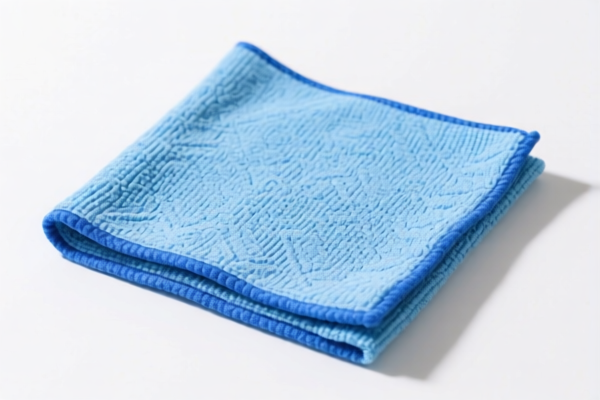
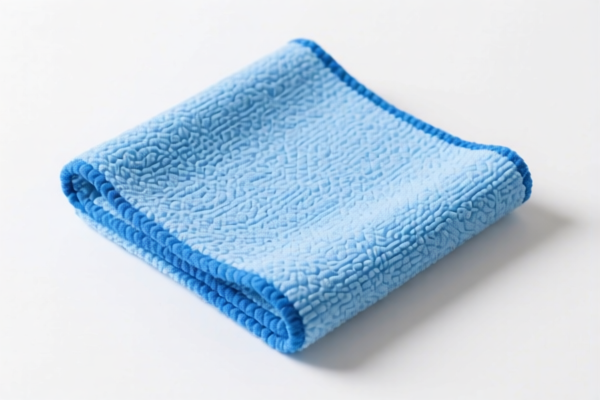
- Description: "Indoor House Slippers, PVC Upper, Rubber Outsole, with Attached Microfiber Cleaning Pad."
- HS Code:
6402.99.31.10.
✅ 4. Avoid Common Pitfalls
- ❌ Misclassification Risk: Labeling an electrical slipper as "Slippers" to save on paperwork.
- Consequence: If customs finds a motor, they may reclassify it, but the penalty for under-declaring electrical goods can be severe. Conversely, declaring a passive slipper as "Electrical Machinery" might raise flags for lacking FCC/UL certs.
- ❌ Ignoring Section 122: All rates above include the 10% Section 122 surcharge. Do not add extra "122" fees manually; it is already baked into the provided totals.
- ❌ Vague Descriptions: "Cleaning Slipper" is too vague. Always specify Material and Power Source.
🌍 五、Conclusion & Action Plan
| Scenario | Recommended HS Code | Total Tax Rate | Strategy |
|---|---|---|---|
| High-End Motorized | 8509.80.10.00 |
10.0% | Best Option. Prove it is a "Floor Polishing Machine." Highlight specialized function. |
| General Electric Slipper | 8509.80.50.95 |
14.2% | Acceptable. Prove it is an "Electric Household Appliance." |
| Passive Rubber/Plastic Slipper | 6402.99.31.10 |
16.0% | Good for non-electric. Ensure materials are strictly Rubber/Plastic. |
| Passive Textile Slipper | 6405.20.90.15 |
22.5% | Avoid unless necessary. High base tariff. |
| Passive Vegetable Fiber Slipper | 6404.19.25.20 |
25.0% | Worst Option. Highest tax. Avoid this material combination. |
🚀 Final Advice:
If your "Floor Cleaning Slipper" has any electric component, fight to classify it under 8509. The tax savings (10-14.2% vs 16-25%) are significant.
If it is purely passive, optimize your materials to Rubber/Plastic to secure the 16.0% rate, and explicitly exclude textile or vegetable fibers.
📌 Disclaimer: This analysis is based strictly on the provided <DATA> for the 2026 tariff context. Always consult with a licensed customs broker for final classification and legal compliance.
Customer Reviews
About HS Code Classification
The Harmonized System (HS) is an internationally standardized nomenclature developed by the World Customs Organization (WCO) to classify traded products. Over 200 countries use the HS system as the basis for customs tariffs, trade statistics, and import/export regulations.
Each HS code follows a hierarchical structure:
- Chapter (2 digits) — Broad category of goods (e.g., Chapter 84: Machinery and Mechanical Appliances)
- Heading (4 digits) — More specific grouping within the chapter
- Subheading (6 digits) — Internationally standardized breakdown, used by all WCO member countries
- National subdivisions (8-10 digits) — Country-specific extensions for further classification, such as US HTSUS 10-digit codes
Correct HS code classification is essential for smooth customs clearance, accurate duty payment, and compliance with trade regulations. Misclassification can lead to customs delays, overpayment of duties, or penalties.
When importing from CN to US, the applicable tariff rates may include:
- Most-Favored-Nation (MFN) rate — The standard duty rate applied to WTO members
- General rate — Applied to countries without trade agreements
- Trade remedy duties — Additional tariffs such as Section 301 (anti-dumping), Section 232 (national security), or countervailing duties
The information provided on this page is for reference purposes only. For official classification, please consult with your local customs authority or a licensed customs broker.