Floor Edge Banding
CN → US| HS Code | Tariff Rate | Origin | Destination | Doc |
|---|---|---|---|---|
| 3925900000 | 40.3% | CN | US | Official Doc |
| 3925305000 | 22.8% | CN | US | Official Doc |
| 7326190080 | 87.9% | CN | US | Official Doc |
| 3918102000 | 40.3% | CN | US | Official Doc |
| 4409295100 | 35.0% | CN | US | Official Doc |
Product Images
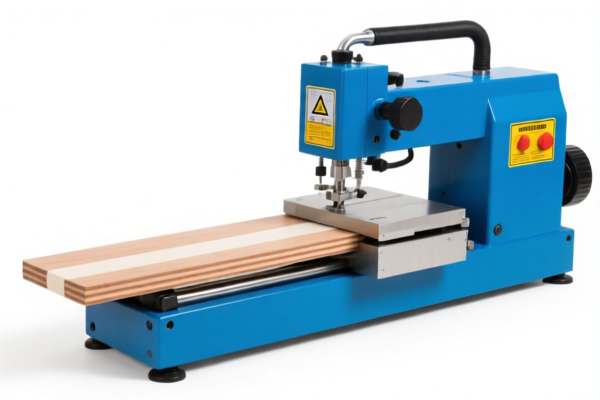
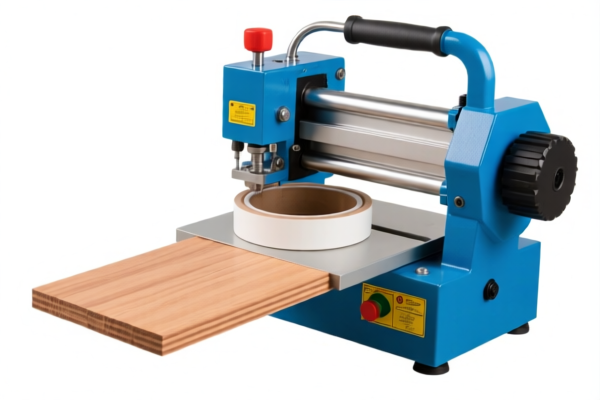
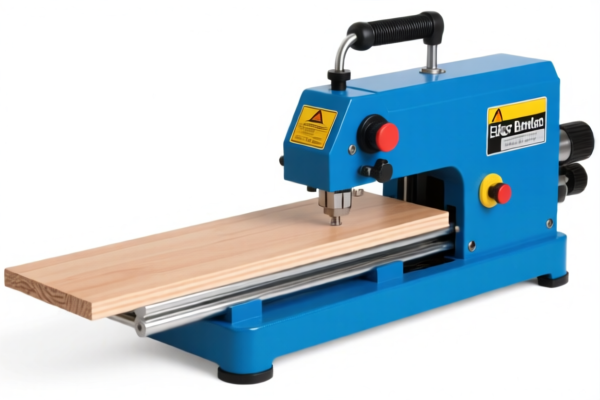
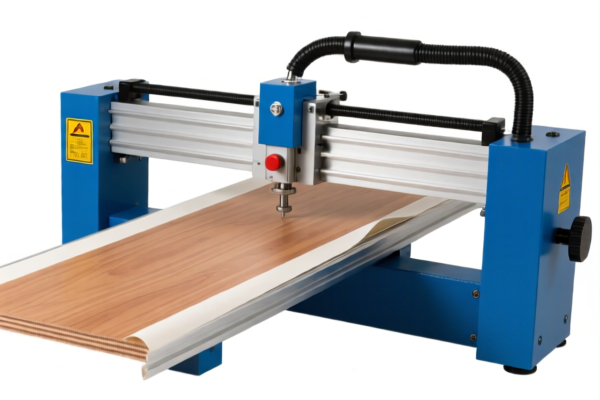
AI Analysis
🏠 Floor Edge Banding (Edge Strips & Trim)
🌐 HS Code Reference & Customs Clearance Guide | 2026 Latest Tariff Analysis | Professional Strategy
📌 1. Product Definition & Classification: What Exactly is "Edge Banding"?
Floor edge banding, also known as floor trim, molding, or finishing strips, is a critical accessory in flooring installation. It serves as the transition piece between the floor covering and walls, doors, or other surfaces. In international trade, its classification is highly sensitive to material composition. While the function is consistent (covering gaps and protecting edges), the HS Code shifts dramatically based on whether the material is Plastic, Steel, or Wood.
⚠️ Key Distinction Point:
- If made of Plastic (PVC/ABS): It falls under Building/Flooring Accessories (Chapter 39).
- If made of Metal (Steel/Aluminum): It falls under General Metal Articles (Chapter 73).
- If made of Wood: It falls under Wood Articles/Decorative Lines (Chapter 44).
📦 2. HS Code Classification Details (2026 Latest Tariff Authority Comparison)
Based on inferred material properties, here are the four most likely HS Code classifications for "Floor Edge Banding":
| HS Code | Product Description | Material Inference | Application Scenario |
|---|---|---|---|
3925.90.00.00 |
Other plastic building components | PVC / ABS (Plastic) | Furniture edges, wall-floor transitions, generic plastic trims |
3925.30.50.00 |
Other plastic building accessories | PVC / Plastic (Plastic) | Floor accessories, underlayment strips, general plastic fittings |
3918.10.20.00 |
Plastic flooring coverings (accessories) | PVC (Plastic) | Specific to floor covering accessories, PVC-based transition strips |
7326.19.00.80 |
Other articles of iron or steel | Steel / Metal (Metal) | Metal floor trim, steel edging, durable metal strips |
4409.29.51.00 |
Non-coniferous wood flooring/molding | Wood (Wood) | Decorative wooden trim, hardwood floor edging strips |
🔍 Critical Reminder:
- Plastic Banding is the most common. However, misclassifying Steel banding as Plastic (39xx) can lead to massive tax discrepancies (87.9% vs ~22-40%).
- Wood Banding is treated as "Decorative Lines" rather than flooring itself, placing it in Chapter 44.
- Always verify the Material Safety Data Sheet (MSDS) or supplier declaration to confirm the base material.
💰 3. 2026 Latest Tariff Rate Breakdown (Including Surtaxes & Policy Add-ons)
✅ Applicable Country: United States (US)
✅ Origin: China (CN)
✅ Effective Date: Post-2025 November 10 (Including subsequent imports)
🎯 1. Plastic-Based Edge Banding (3925.90.00.00, 3918.10.20.00)
| Item | Content |
|---|---|
| Base Tariff | 5.3% (Ad Valorem) |
| Section 301 Surcharge | +25.0% (From USITC Footnote) |
| Section 122 Tariff | +10.0% (Specific Policy Add-on) |
| Total Rate | 40.3% |
| Tax Calculation | CIF Value × 40.3% |
| De Minimis Exemption | ❌ Not Available (High risk of seizure/confiscation) |
📌 Explanation:
- The 25% is the standard Section 301 tariff on Chinese plastics/building materials.
- The 10% Section 122 tariff applies specifically to certain goods from China.
- Combined 40.3% is a heavy burden. Cost-padding is essential to maintain margins.
🎯 2. Alternative Plastic Classification (3925.30.50.00)
| Item | Content |
|---|---|
| Base Tariff | 5.3% (Ad Valorem) |
| Section 301 Surcharge | +7.5% (Reduced Section 301 for specific accessories) |
| Section 122 Tariff | +10.0% (Specific Policy Add-on) |
| Total Rate | 22.8% |
| Tax Calculation | CIF Value × 22.8% |
| De Minimis Exemption | ❌ Not Available |
📌 Note:
- This code (3925.30.50.00) offers a lower total rate (22.8%) compared to3925.90.00.00(40.3%).
- Strategy: If your product fits the definition of "Building Accessories" rather than "Building Components," argue for this lower rate. It requires precise product description alignment.
🎯 3. Steel-Based Edge Banding (7326.19.00.80)
| Item | Content |
|---|---|
| Base Tariff | 2.9% (Ad Valorem) |
| Section 301 Surcharge | +25.0% (From USITC Footnote) |
| Section 122 Tariff | +10.0% (Specific Policy Add-on) |
| Steel/Aluminum Copper Surcharge | +50.0% (Targeted Anti-Dumping/Countervailing) |
| Total Rate | 87.9% |
| Tax Calculation | CIF Value × 87.9% |
| De Minimis Exemption | ❌ Not Available |
📌 Warning:
- 87.9% is an extremely high tariff.
- The +50% surcharge is specific to steel/aluminum products from China.
- Do NOT declare Steel Banding as Plastic to avoid this. It is considered fraud. If you have steel banding, you must pay this rate or seek alternative supply chains.
🎯 4. Wood-Based Edge Banding (4409.29.51.00)
| Item | Content |
|---|---|
| Base Tariff | 0.0% (Ad Valorem) |
| Section 301 Surcharge | +25.0% (From USITC Footnote) |
| Section 122 Tariff | +10.0% (Specific Policy Add-on) |
| Total Rate | 35.0% |
| Tax Calculation | CIF Value × 35.0% |
| De Minimis Exemption | ❌ Not Available |
📌 Note:
- While the base rate is 0%, the surcharges bring it to 35%.
- This is more competitive than Steel (87.9%) but slightly cheaper than standard Plastic Components (40.3%).
- Ensure it is "Non-Coniferous" (hardwood) to fit this specific subheading.
🛠️ 4. Customs Clearance Practical Advice (Battle-Tested Pitfall Guide)
✅ 1. Preparation Checklist (Missing items will cause delays)
| Document | Required | Explanation |
|---|---|---|
| ✅ Product Specification Sheet | ✔️ | Must explicitly state MATERIAL (PVC, Steel, Wood, ABS). |
| ✅ Product Photos | ✔️ | Clear images of cross-section to prove material composition. |
| ✅ Commercial Invoice | ✔️ | Must list "Floor Edge Banding" or "Transition Strip," NOT generic "Plastic Rod." |
| ✅ Packing List | ✔️ | Include weight and dimensions accurately. |
| ✅ Material Declaration | ✔️ | Signed statement confirming no prohibited substances (e.g., asbestos in old metal parts). |
✅ 2. Declaration Strategy (Key Mnemonic)
🔥 “Material Defines Code, Steel is Expensive, Plastic is Moderate, Wood is Sweet!”
| Scenario | Correct Declaration | Wrong Practice | Consequence |
|---|---|---|---|
| PVC Edge Strip | 3925.90.00.00 (40.3%) or 3925.30.50.00 (22.8%) |
Call it "Plastic Rod" | Misclassification, audits, fines |
| Steel Edge Strip | 7326.19.00.80 (87.9%) |
Call it "Plastic" to save tax | Fraud Alert, seizure, 87.9%+ penalties |
| Wood Trim | 4409.29.51.00 (35.0%) |
Call it "Furniture Part" | Duty evasion detection |
| Mixed Material | Declare primary material | Ignore minor metal components | Incomplete declaration, delays |
✅ 3. Special Situations Handling
| Situation | Handling Advice |
|---|---|
| OEM Custom Colors | Provide color codes in the invoice. Do not change the HS Code based on color. |
| Kit Sets (Trim + Adhesive) | If adhesive is included, ensure it doesn’t change the primary function. Usually, the trim dictates the code. |
| Pre-Cut vs. Roll | Pre-cut strips are still "Edge Banding." Rolls are "Plastic Flooring Accessories." Both likely fall under Chapter 39 but different subheadings. |
| Aluminum Trim | Check if it falls under the +50% Steel/Aluminum surcharge. If so, 87.9% rate applies. Avoid if possible unless price-adjusted. |
🌍 5. Global Market Clearance Comparison (2026 Latest)
| Country/Region | Recommended HS Code (Plastic) | Tariff Rate | Certification | Notes |
|---|---|---|---|---|
| 🇺🇸 USA | 3925.90.00.00 / 3925.30.50.00 |
22.8% - 40.3% | None usually | Highest cost market due to Section 301 + 122 |
| 🇨🇳 China | 3925.90.00.00 |
0% - 5% | CCC (if applicable) | Low duty, focus on quality |
| 🇪🇺 EU | 3925.90.00 |
0% - 6% | CE (if electrical, unlikely) | Standard FTAs may apply |
| 🇦🇺 Australia | 3925.90.00 |
5% | RCM | No major surcharges |
📌 Conclusion:
- The US market is the most expensive for importing edge banding from China due to the 22.8% to 87.9% effective tariff rates.
- Plastic is generally cheaper than Steel for US imports.
- Wood offers a middle ground at 35%.
📌 6. Common Errors & Pitfall Guide (Blood & Tears Lessons)
❌ Error 1: Declaring Steel edge banding as Plastic (39xx) to avoid the 50% surcharge.
👉 Consequence: Customs inspection will reveal steel content. 87.9% tax + penalties + shipment seizure.
❌ Error 2: Using vague terms like "Decorative Strip" without material specification.
👉 Consequence: Customs officer assigns default higher tariff or requests expensive samples for testing.
❌ Error 3: Ignoring the Section 122 Tariff (10%).
👉 Consequence: Underpayment. The 10% is often overlooked but applies to most Chinese goods.
❌ Error 4: Assuming "De Minimis" ($800) exemption applies.
👉 Consequence: False. Section 301 and Section 122 tariffs do not apply to de minimis. Your $700 package will still be taxed heavily upon entry.
✅ Correct Practice:
"PVC Floor Edge Banding, Gray, 2.4m Length, Material: PVC, HS Code: 3925.90.00.00, Origin: China"
🎯 7. Conclusion: Precise Classification Saves Money!
🎯 Remember the Mnemonic:
🔹 "Steel is 87.9% (Avoid!), Plastic is 22.8-40.3% (Best), Wood is 35% (Middle)."
🔹 "Material First, Code Second, Tax Third. Don't guess!"
📌 Pro Tip:
If you are importing Plastic Edge Banding, try to qualify for 3925.30.50.00 (22.8%) instead of 3925.90.00.00 (40.3%) by defining your product as a "Building Accessory" rather than a "Building Component." This 17.5% savings is significant!
Recommendation: Request a Binding Ruling from CBP before large shipments to lock in the 22.8% rate if eligible.
📣 Immediate Action:
📞 Verify material with supplier → Choose HS Code → Calculate 22.8%-87.9% cost → File Entry.
🚀 Clear Customs Smoothly, Protect Margins, Expand Global Sales!
✨ Professional Clearance Starts with Accurate Classification!
💼 Every Percent of Tax Saved is Pure Profit!
Customer Reviews
About HS Code Classification
The Harmonized System (HS) is an internationally standardized nomenclature developed by the World Customs Organization (WCO) to classify traded products. Over 200 countries use the HS system as the basis for customs tariffs, trade statistics, and import/export regulations.
Each HS code follows a hierarchical structure:
- Chapter (2 digits) — Broad category of goods (e.g., Chapter 84: Machinery and Mechanical Appliances)
- Heading (4 digits) — More specific grouping within the chapter
- Subheading (6 digits) — Internationally standardized breakdown, used by all WCO member countries
- National subdivisions (8-10 digits) — Country-specific extensions for further classification, such as US HTSUS 10-digit codes
Correct HS code classification is essential for smooth customs clearance, accurate duty payment, and compliance with trade regulations. Misclassification can lead to customs delays, overpayment of duties, or penalties.
When importing from CN to US, the applicable tariff rates may include:
- Most-Favored-Nation (MFN) rate — The standard duty rate applied to WTO members
- General rate — Applied to countries without trade agreements
- Trade remedy duties — Additional tariffs such as Section 301 (anti-dumping), Section 232 (national security), or countervailing duties
The information provided on this page is for reference purposes only. For official classification, please consult with your local customs authority or a licensed customs broker.