Floor Edge Trim
CN → US| HS Code | Tariff Rate | Origin | Destination | Doc |
|---|---|---|---|---|
| 7326190080 | 87.9% | CN | US | Official Doc |
| 3918102000 | 40.3% | CN | US | Official Doc |
| 4409295100 | 35.0% | CN | US | Official Doc |
| 7326908688 | 87.9% | CN | US | Official Doc |
| 4409105000 | 35.0% | CN | US | Official Doc |
Product Images
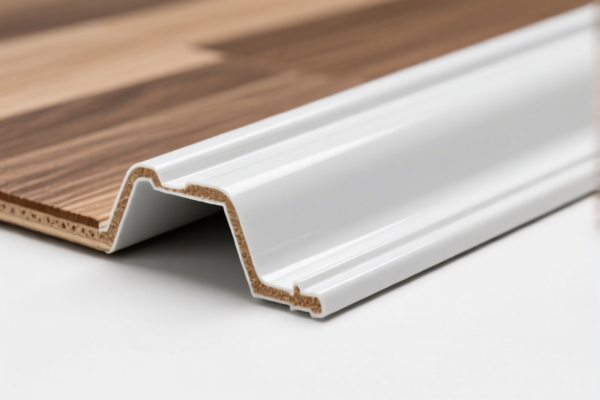

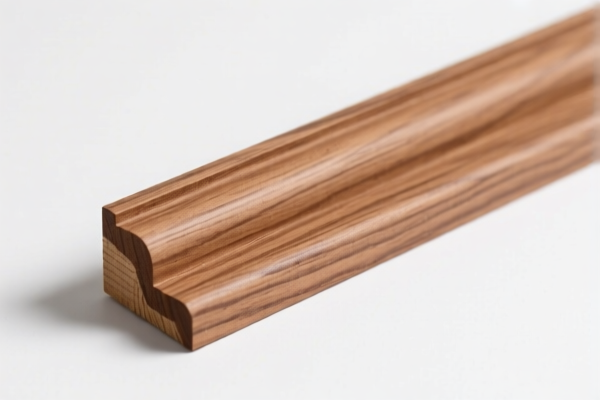
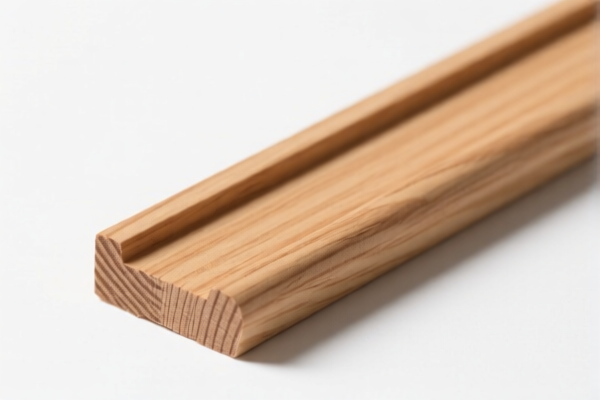
AI Analysis
🏠 Floor Edge Trim (Skirting Board/Threshold)
🌐 HS Code Reference & Customs Clearance Guide | 2026 Latest Tariff Analysis | Professional Clearance Strategy
📌 Part 1: Product Definition & Classification Logic: Do You Understand "Edge Trim" Enough?
Floor Edge Trims, also known as skirting boards, baseboards, or threshold strips, are essential finishing components in flooring installations. They serve both aesthetic and functional purposes: protecting the wall-floor junction from damage and covering expansion gaps. In international trade, their classification hinges critically on material composition, as the HS Code system prioritizes material over final use.
Based on common industry standards and logical inference from the provided data, these trims are typically manufactured from Plastic (PVC), Wood, or Metal (Steel/Iron). The following analysis breaks down the classification based on these three primary material possibilities.
⚠️ Key Distinction Point:
- If the trim is made of PVC/Plastic, it falls under Chapter 39.
- If the trim is made of Wood, it falls under Chapter 44 (depending on whether it's coniferous/non-coniferous).
- If the trim is made of Steel/Iron, it falls under Chapter 73.
Misclassification here leads to drastic tax differences (from 35% to 87.9%)!
📦 Part 2: HS Code Classification Details (2026 Latest Tariff Authority Cross-Reference)
| HS Code | Product Description | Material Inference | Application Scenario |
|---|---|---|---|
3918.10.20.00 |
Other plastic flooring coverings; PVC accessories/trims | Plastic (PVC) | Common for DIY flooring kits, moisture-resistant areas |
4409.29.51.00 |
Wood (non-coniferous) continuous shaped (e.g., tongued, grooved) | Wood (Non-Coniferous) | High-end hardwood flooring accessories |
4409.10.50.00 |
Wood (coniferous/Spruce/Pine) continuous shaped | Wood (Coniferous) | Standard pine/fir flooring trims |
7326.19.00.80 |
Other articles of iron or steel | Metal (Steel/Iron) | Industrial or modern minimalist metal trims |
7326.90.86.88 |
Other articles of iron or steel (general category) | Metal (Steel/Iron) | General metal edging, less specific than above |
🔍 Important Note:
- The term "Floor Edge Trim" does not specify material. Customs requires the material to be declared.
- If the material is mixed, the principal material determines the classification.
- Wood vs. Plastic: Visually similar; must check density/melt test.
- Steel Types: Different sub-headings may apply based on precise steel alloy or form, but tax implications are similar due to high ad valorem rates.
💰 Part 3: 2026 Latest Tariff Rate Breakdown (Including Surtaxes & Policy Add-ons)
✅ Applicable Country: United States (US)
✅ Origin: China (CN)
✅ Effective Date: 2025 November 10 onwards (and subsequent imports)
🎯 1. 3918.10.20.00 — Plastic (PVC) Floor Trim
| Item | Detail |
|---|---|
| Base Tariff | 5.3% (ad valorem) |
| Section 301 Surtax | +25.0% |
| IEEPA Surcharge (122) | +10.0% |
| Total Tax Rate | 40.3% |
| Tax Calculation | CIF Value × 40.3% |
| De Minimis Eligibility | ❌ No (denied for de minimis) |
| Legal Basis Path | Base: 3918.10 → Section 301: 25% → IEEPA: 10% |
📌 Explanation:
- PVC trims are classified under Chapter 39.
- Subject to both Section 301 (25%) and IEEPA (10%) surcharges.
- Total 40.3% is moderately high but lower than metal alternatives.
🎯 2. 4409.29.51.00 — Wood (Non-Coniferous) Floor Trim
| Item | Detail |
|---|---|
| Base Tariff | 0.0% (ad valorem) |
| Section 301 Surtax | +25.0% |
| IEEPA Surcharge (122) | +10.0% |
| Total Tax Rate | 35.0% |
| Tax Calculation | CIF Value × 35.0% |
| De Minimis Eligibility | ❌ No (denied for de minimis) |
| Legal Basis Path | Base: 4409.29 → Section 301: 25% → IEEPA: 10% |
📌 Explanation:
- Wood trims benefit from a 0% base tariff.
- Despite the low base, surcharges still apply.
- Total 35.0% is the lowest among the three major material categories. This makes wood the most tax-efficient option if feasible.
🎯 3. 4409.10.50.00 — Wood (Coniferous) Floor Trim
| Item | Detail |
|---|---|
| Base Tariff | 0.0% (ad valorem) |
| Section 301 Surtax | +25.0% |
| IEEPA Surcharge (122) | +10.0% |
| Total Tax Rate | 35.0% |
| Tax Calculation | CIF Value × 35.0% |
| De Minimis Eligibility | ❌ No (denied for de minimis) |
| Legal Basis Path | Base: 4409.10 → Section 301: 25% → IEEPA: 10% |
📌 Explanation:
- Similar to non-coniferous wood, coniferous wood (pine/spruce) also has a 0% base tariff.
- Total 35.0% is identical to non-coniferous wood.
- Note: Ensure accurate declaration of wood type (Coniferous vs. Non-Coniferous) as HS codes differ, though tax rates are the same in this specific surcharge context.
🎯 4. 7326.19.00.80 — Metal (Steel/Iron) Floor Trim
| Item | Detail |
|---|---|
| Base Tariff | 2.9% (ad valorem) |
| Section 301 Surtax | +25.0% |
| IEEPA Surcharge (122) | +10.0% |
| Section 232 Steel Surcharge | +50.0% |
| Total Tax Rate | 87.9% |
| Tax Calculation | CIF Value × 87.9% |
| De Minimis Eligibility | ❌ No (denied for de minimis) |
| Legal Basis Path | Base: 7326.19 → Section 301: 25% → IEEPA: 10% → Section 232: 50% |
📌 Explanation:
- Steel products face the Section 232 National Security Tariff (50%) in addition to Section 301 (25%) and IEEPA (10%).
- Total 87.9% is extremely high.
- Crucial Warning: Metal trims are heavily penalized. Consider alternative materials if cost is a concern.
🎯 5. 7326.90.86.88 — Other Metal (Steel/Iron) Floor Trim
| Item | Detail |
|---|---|
| Base Tariff | 2.9% (ad valorem) |
| Section 301 Surtax | +25.0% |
| IEEPA Surcharge (122) | +10.0% |
| Section 232 Steel Surcharge | +50.0% |
| Total Tax Rate | 87.9% |
| Tax Calculation | CIF Value × 87.9% |
| De Minimis Eligibility | ❌ No (denied for de minimis) |
| Legal Basis Path | Base: 7326.90 → Section 301: 25% → IEEPA: 10% → Section 232: 50% |
📌 Explanation:
- Even under a more generic "Other articles" heading, steel products are still subject to the Section 232 50% surcharge.
- Total 87.9% remains prohibitively high.
- No benefit from using this broader category.
🛠️ Part 4: Customs Clearance Practical Advice (Real-World Pitfall Avoidance)
✅ 1. Required Documentation Checklist (Mandatory)
| Document | Mandatory? | Description |
|---|---|---|
| ✅ Product Specification Sheet | ✔️ | Must explicitly state Material (e.g., "100% PVC", "Solid Pine Wood", "Stainless Steel") |
| ✅ Product Photos | ✔️ | Clear images showing cross-section to verify material density/layering |
| ✅ Commercial Invoice | ✔️ | Must describe goods as "Floor Edge Trim" + Material |
| ✅ Packing List | ✔️ | Details weight, dimensions, and quantity |
| ✅ Certificate of Origin (CO) | ✔️ | If from non-China countries, may qualify for different rates |
✅ 2. Declaration Strategy (Key Mantra)
🔥 "Material First, Use Second! Don't Guess, Declare!"
| Scenario | Correct Declaration | Wrong Practice | Consequence |
|---|---|---|---|
| PVC Trim | "PVC Floor Edge Trim" → 3918.10.20.00 |
"Wood Trim" (Mistake) | High tax + Penalty |
| Wood Trim | "Wood Skirting Board" → 4409.xxxx |
"Plastic Trim" (Mistake) | High tax + Penalty |
| Metal Trim | "Steel Floor Trim" → 7326.19.00.80 |
"Aluminum Trim" (If Steel) | Wrong classification |
| Mixed Material | Declare Principal Material | Ignore material | Customs seizure/audit |
📌 Pro Tip:
- If the trim has a wood core with PVC veneer, it may still be classified as Wood (Chapter 44) or Plastic (Chapter 39) depending on substantial transformation rules. Consult a broker for mixed materials! - Avoid vague terms like "Trim" or "Molding" alone. Always add Material.
✅ 3. Special Case Handling
| Scenario | Handling Advice |
|---|---|
| OEM Custom Colors | Provide color swatches if requested, but material remains key |
| Importing from Vietnam/Thailand | Check if IEEPA/301 Exclusions apply. Non-China origin may avoid surcharges |
| Small Samples (De Minimis) | ❌ Not Eligible. Even under $800, steel/wood/plastic trims from China are denied de minimis exemption due to Section 301/IEEPA |
| Pre-Cutting vs. Raw Profiles | If cut to size, still classified under same HS code if no further manufacturing |
🌍 Part 5: Global Market Comparison (2026 Latest)
| Country/Region | Recommended HS Code | Total Tax Rate (China Origin) | Certification Requirements | Notes |
|---|---|---|---|---|
| 🇺🇸 USA | 4409.xxxx (Wood) / 3918.10 (PVC) |
35% (Wood) / 40.3% (PVC) | None specific | Avoid Metal (7326) due to 87.9% |
| 🇨🇳 China | 4409.xxxx / 3918.10 |
5-6% (Import Duty) | No special surcharges | Low tax, but export from US faces high tariffs |
| 🇪🇺 EU | 4409.10 / 3918.10 |
0-5% | CE Marking (if applicable) | No Section 301/IEEPA surcharges |
| 🇦🇺 Australia | 4409.xxxx / 3918.10 |
5% | RCM (if electronic components) | No major surcharges |
| 🇯🇵 Japan | 4409.xxxx / 3918.10 |
0-3% | PSE (if powered, not applicable) | Low tariffs |
📌 Conclusion:
- USA is the most expensive market due to Section 301, IEEPA, and Section 232 tariffs.
- Wood trims are the most tax-efficient for the US market (35%).
- Metal trims are cost-prohibitive in the US (87.9%). Consider sourcing from non-China origins for metal products.
📌 Part 6: Common Mistakes & Pitfall Guide (Lessons Learned)
❌ Mistake 1: Declaring "Floor Trim" without specifying material
👉 Consequence: Customs flags for review, delays shipment, or assigns highest duty rate by default.
❌ Mistake 2: Misidentifying Wood as Plastic (or vice versa)
👉 Consequence: Underpayment of tax (if Wood is declared as Plastic) → Back taxes + Penalties.
❌ Mistake 3: Attempting to use De Minimis for Steel Trims
👉 Consequence: Seizure. Steel trims from China are explicitly excluded from de minimis.
❌ Mistake 4: Not accounting for Section 232 on Steel
👉 Consequence: Unexpected 87.9% tax bill at border, causing cash flow crisis.
✅ Correct Action:
"Wood Floor Skirting Board, 2m Length, Pine, Natural Finish"
"PVC Floor Trim, White, 3mm Thickness"
Always include MATERIAL.
🎯 Part 7: Conclusion: Precise Classification, Cost Efficiency!
🎯 Remember the Mantra:
🔹 "Wood is King (35%), Plastic is Queen (40%), Steel is Enemy (88%)"
🔹 "Material is Key, Use is Secondary. Declare Accurately, Sleep Better!"
📌 Pro Tip:
If you are importing Wood or PVC trims from Vietnam, Mexico, or Thailand, you may qualify for IEEPA/301 Exemptions, reducing taxes to 0-5%.
Consider Supply Chain Diversification for US-bound goods!
📣 Immediate Action:
📞 Contact a Professional Customs Broker + Provide Material Specs + Apply for Advance Ruling if unsure.
🚀 Optimize Your Supply Chain, Minimize Tariffs, Maximize Profit!
✨ Professional Clearance Starts with Accurate Classification!
💼 Every Percent Saved is Pure Profit!
Customer Reviews
About HS Code Classification
The Harmonized System (HS) is an internationally standardized nomenclature developed by the World Customs Organization (WCO) to classify traded products. Over 200 countries use the HS system as the basis for customs tariffs, trade statistics, and import/export regulations.
Each HS code follows a hierarchical structure:
- Chapter (2 digits) — Broad category of goods (e.g., Chapter 84: Machinery and Mechanical Appliances)
- Heading (4 digits) — More specific grouping within the chapter
- Subheading (6 digits) — Internationally standardized breakdown, used by all WCO member countries
- National subdivisions (8-10 digits) — Country-specific extensions for further classification, such as US HTSUS 10-digit codes
Correct HS code classification is essential for smooth customs clearance, accurate duty payment, and compliance with trade regulations. Misclassification can lead to customs delays, overpayment of duties, or penalties.
When importing from CN to US, the applicable tariff rates may include:
- Most-Favored-Nation (MFN) rate — The standard duty rate applied to WTO members
- General rate — Applied to countries without trade agreements
- Trade remedy duties — Additional tariffs such as Section 301 (anti-dumping), Section 232 (national security), or countervailing duties
The information provided on this page is for reference purposes only. For official classification, please consult with your local customs authority or a licensed customs broker.