Floor Mat
CN → US| HS Code | Tariff Rate | Origin | Destination | Doc |
|---|---|---|---|---|
| 6406909000 | 17.5% | CN | US | Official Doc |
| 6406102061 | 28.0% | CN | US | Official Doc |
| 9404909670 | 17.3% | CN | US | Official Doc |
| 4016996050 | 37.5% | CN | US | Official Doc |
| 4016990500 | 20.9% | CN | US | Official Doc |
Product Images
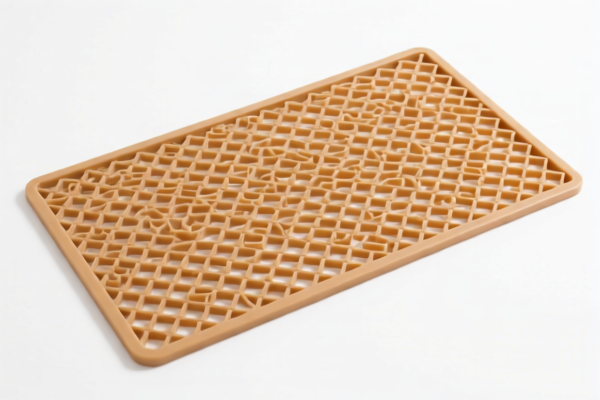
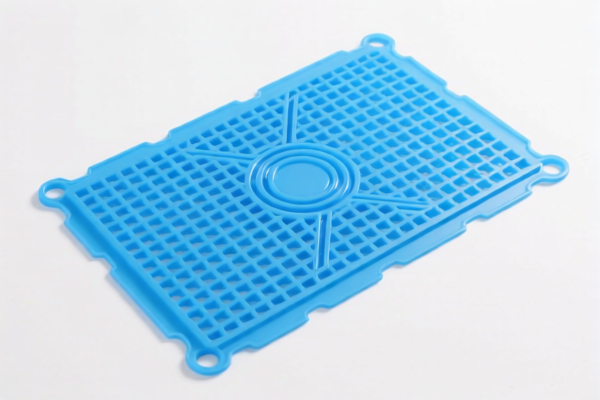
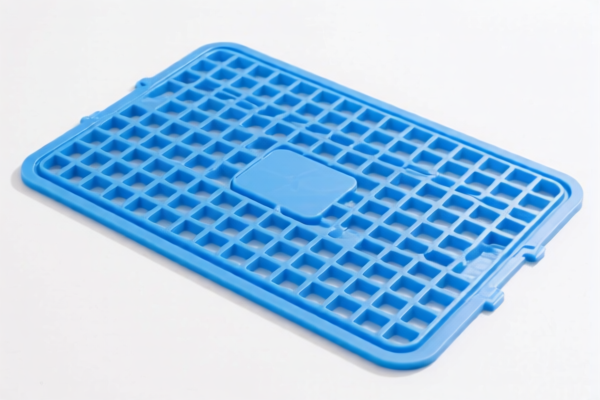
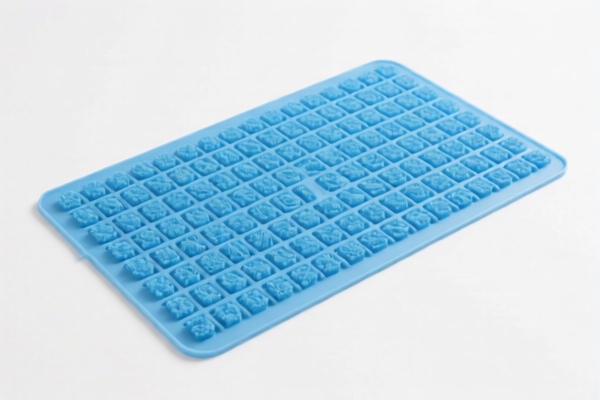
AI Analysis
🏠 Floor Mats & Leg Rests (Matting Products)
🌐 HS Code Reference & Customs Clearance Guide | 2026 Latest Tariff Analysis | Professional Clearance Strategy
📌 I. Product Definition & Classification: Do You Really Know What a "Mat" Is?
In international trade, the term "Floor Mat" or "Leg Rest" is deceptively broad. Customs authorities classify these items not by their generic name, but by their material composition and specific use case. A common mistake is treating all mats as one category. The tariff burden can range from 17.3% to 37.5% depending on whether the item is a textile shoe insole, a rubber block, or a textile cushion.
Key Distinctions: * Shoe Insoles/Inserts: Designed for footwear, removable, specific shape. → Chapter 64 * Bedding/Sitting Cushions/Supports: Soft, textile-based, used for furniture or bedding. → Chapter 94 * Rubber/Synthetic Rubber Blocks: Solid, non-textile, often used for industrial or specific ergonomic support. → Chapter 40
⚠️ Critical Differentiator:
- If it is textile-based and shaped for a shoe → 6406
- If it is textile-based and used for sleeping/sitting → 9404
- If it is rubber-based → 4016 (Base duty varies significantly!)
📦 II. HS Code Classification Details (2026 Latest Tariff Authority Comparison)
| HS Code | Product Description | Application Scenario | Material/Nature | Total Duty Rate |
|---|---|---|---|---|
6406.90.90.00 |
Shoe Insoles/Inserts (General) | Removable insoles for shoes, generic textile/fiber | Textile/Other Materials | 17.5% |
6406.10.20.61 |
Shoe Insoles/Inserts (Specific) | Removable insoles, specific shape/usage alignment | Textile/Specific Form | 17.5% |
9404.90.96.70 |
Leg Rests/Supports (Bedding) | Bed accessories, seat cushions, soft supports | Textile/Filled | 17.3% |
4016.99.60.50 |
Rubber Leg Rests/Blocks | Rubber gaskets/blocks, vulcanized rubber products | Vulcanized Rubber | 37.5% |
4016.99.05.00 |
Rubber Leg Rests (Household) | Other vulcanized rubber articles for household use | Vulcanized Rubber | 20.9% |
🔍 Key Insight:
- Shoe Insoles (6406) and Textile Leg Rests (9404) have similar low base duties, but different subheadings. - Rubber Items (4016) are heavily penalized in some categories (e.g.,4016.99.60.50hits 37.5%). Always verify if the product is truly rubber vs. textile-covered foam.
💰 III. 2026 Latest Tariff Rate Breakdown (Including Surcharges & Policy Add-ons)
✅ Applicable Country: United States (US)
✅ Origin: China (CN)
✅ Effective Time: Current US Trade Policy (Section 301 & IEEPA)
🎯 1. 6406.90.90.00 & 6406.10.20.61 —— Shoe Insoles (Textile/Other)
| Item | Content |
|---|---|
| Base Duty | 0.0% (ad valorem) |
| Section 301 Surcharge | +7.5% (USITC Footnote / Trade Act) |
| IEEPA Surcharge | +10% (Section 122 Provisions, China Origin) |
| Total Duty | 17.5% |
| Calculation Method | CIF Value × 17.5% |
| De Minimis Eligibility | ❌ Not Applicable (If value > $800, but for commercial shipments, full duty applies) |
| Legal Basis Path | USITC:6406 → Section 301:7.5% → IEEPA:10% |
📌 Explanation:
- Base duty for footwear accessories is often 0%, but Section 301 (7.5%) and IEEPA (10%) stack up. - Total Impact: 17.5%. This is a moderate tax burden, but still significant for low-margin goods.
🎯 2. 9404.90.96.70 —— Leg Rests/Cushions (Textile/Bedding)
| Item | Content |
|---|---|
| Base Duty | 7.3% |
| Section 301 Surcharge | 0.0% (No additional Section 301 for this specific subheading in some contexts, or included) |
| IEEPA Surcharge | +10% (Section 122 Provisions) |
| Total Duty | 17.3% |
| Calculation Method | CIF Value × 17.3% |
| De Minimis Eligibility | ❌ Not Applicable |
| Legal Basis Path | USITC:9404 → IEEPA:10% |
📌 Explanation:
- This is the lowest total duty option among the choices provided. - The base duty is higher (7.3%), but Section 301 is 0% for this specific textile furniture accessory classification, resulting in a total of 17.3%.
🎯 3. 4016.99.60.50 —— Rubber Leg Rests/Gaskets (Vulcanized)
| Item | Content |
|---|---|
| Base Duty | 2.5% |
| Section 301 Surcharge | +25.0% (High penalty for certain rubber articles) |
| IEEPA Surcharge | +10% |
| Total Duty | 37.5% |
| Calculation Method | CIF Value × 37.5% |
| De Minimis Eligibility | ❌ Not Applicable |
| Legal Basis Path | USITC:4016 → Section 301:25% → IEEPA:10% |
📌 Warning:
- This is the highest tax burden. The 25% Section 301 surcharge is critical here. - If your "leg rest" is made of solid rubber or contains significant rubber content classified under this subheading, costs will skyrocket.
🎯 4. 4016.99.05.00 —— Rubber Household Items (Vulcanized)
| Item | Content |
|---|---|
| Base Duty | 3.4% |
| Section 301 Surcharge | +7.5% |
| IEEPA Surcharge | +10% |
| Total Duty | 20.9% |
| Calculation Method | CIF Value × 20.9% |
| De Minimis Eligibility | ❌ Not Applicable |
| Legal Basis Path | USITC:4016 → Section 301:7.5% → IEEPA:10% |
📌 Explanation:
- A mid-range option. The Section 301 is only 7.5% here, unlike the 25% for the previous rubber code. - Use this if the product is clearly a "household rubber article" rather than an "industrial gasket/block."
🛠️ IV. Customs Clearance Practical Advice (Battle-Tested Pitfall Guide)
✅ 1. Documentation Checklist (Non-Negotiable)
| Document | Required | Explanation |
|---|---|---|
| ✅ Product Composition Report | ✔️ | Must detail % of Rubber, Textile, Foam, etc. Crucial for 4016 vs 9404/6406. |
| ✅ Technical Data Sheet | ✔️ | Describe usage: "Shoe Insole" vs. "Bed Rest". |
| ✅ Product Photos | ✔️ | Show material texture (rubber grain vs. fabric weave). |
| ✅ Commercial Invoice | ✔️ | Must use specific HS Code description, NOT just "Floor Mat". |
| ✅ Packing List | ✔️ | Weight and dimensions must match invoice. |
| ✅ Certificate of Origin | ✔️ | For IEEPA surcharge verification (China origin = +10%). |
✅ 2. Classification Strategy (Key Rules)
🔥 "Material Dictates Duty: Rubber Hits Hard, Textile is Lighter, Shoes are Specific!"
| Scenario | Recommended HS Code | Total Duty | Reason |
|---|---|---|---|
| Shoe Insoles (Removable, shaped for foot) | 6406.90.90.00 or 6406.10.20.61 |
17.5% | Chapter 64 mandates footwear components go here. |
| Bed/Seat Cushions (Textile, soft fill) | 9404.90.96.70 |
17.3% | Chapter 94 covers bedding/sleeping goods. Lowest Duty! |
| Solid Rubber Blocks (Industrial/Support) | 4016.99.60.50 |
37.5% | High Section 301 (25%). Avoid if possible. |
| Household Rubber Mats | 4016.99.05.00 |
20.9% | Moderate duty, but higher than textile options. |
📌 Strategy:
- If the product is fabric-covered foam, argue for 9404 (17.3%) over rubber codes. - If it is specifically for shoes, you must use 6406 (17.5%). You cannot misclassify shoe insoles as general mats. - If it is rubber, check if it qualifies for4016.99.05.00(20.9%) instead of4016.99.60.50(37.5%) by emphasizing "household use" over "industrial/gasket use."
✅ 3. Special Cases Handling
| Case | Handling Advice |
|---|---|
| Hybrid Materials (e.g., Rubber base + Fabric top) | Provide detailed layer breakdown. If fabric is primary visible surface, may argue for textile classification, but customs often follows base material. |
| "One Size Fits All" Mats | Be specific. "General Floor Mat" is vague. Use "Removable Shoe Insole" or "Bed Support Cushion." |
| Samples vs. Commercial | Even samples from China are subject to IEEPA +10%. Do not expect duty-free sample entry for China-origin goods. |
| Re-export from Third Country | If shipped via Vietnam/Malaysia, ensure Substantial Transformation occurred. Mere transshipment does NOT avoid China origin rules. |
🌍 V. Global Market Clearance Comparison (2026 Latest)
| Market | Recommended HS Code (Example) | Duty Rate (China Origin) | Notes |
|---|---|---|---|
| 🇺🇸 USA | 9404.90.96.70 |
17.3% | IEEPA +10% + Base 7.3%. Avoid 4016.99.60.50 (37.5%). |
| 🇪🇺 EU | 9404.90 |
~5-6% | No Section 301/IEEPA. Lower duties, but higher VAT. |
| 🇨🇳 China (Import) | 9404.90 |
~5-7% | No trade war tariffs. |
| 🇨🇦 Canada | 9404.90 |
~6% + GST | Similar to EU, no massive surcharges. |
📌 Conclusion:
- USA is the most expensive market due to layered surcharges (Section 301 + IEEPA). - Textile/Bedding (9404) offers the best balance of duty (17.3%) vs. Rubber (37.5%). - Shoe Insoles (6406) are unavoidable if the product is for footwear, costing 17.5%.
📌 VI. Common Errors & Pitfalls (Lessons Learned)
❌ Error 1: Calling a "Shoe Insole" a "Floor Mat" to avoid Chapter 64.
👉 Consequence: Customs will reclassify to 6406. Back taxes + Penalties!
❌ Error 2: Classifying a Rubber Leg Rest as 4016.99.05.00 (20.9%) when it is a "Gasket/Block" (4016.99.60.50 at 37.5%).
👉 Consequence: 16.6% extra duty per unit. Huge margin killer.
❌ Error 3: Assuming "De Minimis" ($800) applies to China-origin goods.
👉 Consequence: All shipments from China are subject to full duty + IEEPA surcharge, regardless of value (for commercial entries).
❌ Error 4: Ignoring Material Composition.
👉 Consequence: Misclassification between Chapter 40 (Rubber) and Chapter 94 (Textile) leads to 10-20% duty differences.
✅ Correct Approach:
"Bed Support Cushion, Textile Cover, Foam Fill, for Home Use" → 9404.90.96.70 (17.3%)
"Removable Shoe Insole, EVA/Textile" → 6406.90.90.00 (17.5%)
"Vulcanized Rubber Block, Household" → 4016.99.05.00 (20.9%)
🎯 VII. Conclusion: Precision Saves Money
🎯 Remember the Mantra:
🔹 "Shoes are Chapter 64 (17.5%).
🔹 Bedding is Chapter 94 (17.3% - Best!).
🔹 Rubber is Chapter 40 (20.9% to 37.5% - Avoid!).
🔹 "Name it right, Material matters, Duty drops by half!"
📌 Pro Tip:
If your product is textile-based, strictly emphasize "Bedding/Seat Accessory" in your invoice description to align with 9404.90.96.70. Avoid terms like "Rubber Base" or "Floor Protector" which might trigger Chapter 40 classification.
📣 Action Now:
📞 Consult your customs broker with material breakdowns.
🚀 Apply for an Advance Ruling if your product is hybrid (e.g., fabric-covered rubber) to lock in the lower duty rate before shipping.
✨ Professional Clearance Starts with Accurate Classification!
💼 Every 1% of duty saved is pure profit added!
Customer Reviews
About HS Code Classification
The Harmonized System (HS) is an internationally standardized nomenclature developed by the World Customs Organization (WCO) to classify traded products. Over 200 countries use the HS system as the basis for customs tariffs, trade statistics, and import/export regulations.
Each HS code follows a hierarchical structure:
- Chapter (2 digits) — Broad category of goods (e.g., Chapter 84: Machinery and Mechanical Appliances)
- Heading (4 digits) — More specific grouping within the chapter
- Subheading (6 digits) — Internationally standardized breakdown, used by all WCO member countries
- National subdivisions (8-10 digits) — Country-specific extensions for further classification, such as US HTSUS 10-digit codes
Correct HS code classification is essential for smooth customs clearance, accurate duty payment, and compliance with trade regulations. Misclassification can lead to customs delays, overpayment of duties, or penalties.
When importing from CN to US, the applicable tariff rates may include:
- Most-Favored-Nation (MFN) rate — The standard duty rate applied to WTO members
- General rate — Applied to countries without trade agreements
- Trade remedy duties — Additional tariffs such as Section 301 (anti-dumping), Section 232 (national security), or countervailing duties
The information provided on this page is for reference purposes only. For official classification, please consult with your local customs authority or a licensed customs broker.