Floral Apron
CN → US| HS Code | Tariff Rate | Origin | Destination | Doc |
|---|---|---|---|---|
| 6211498090 | 24.8% | CN | US | Official Doc |
| 6211498010 | 24.8% | CN | US | Official Doc |
| 3926209010 | 40.0% | CN | US | Official Doc |
| 3926903300 | 16.5% | CN | US | Official Doc |
| 6210508090 | 23.7% | CN | US | Official Doc |
| 6210508070 | 23.7% | CN | US | Official Doc |
Product Images
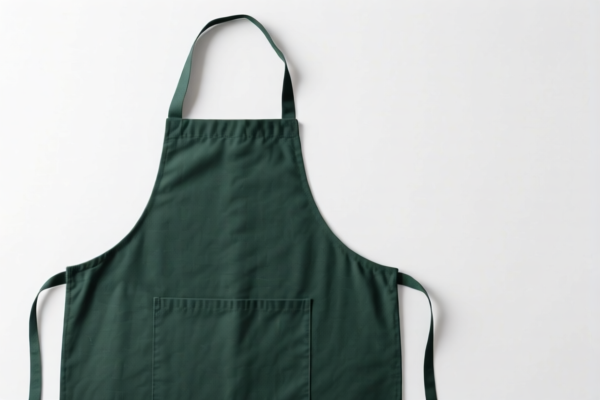
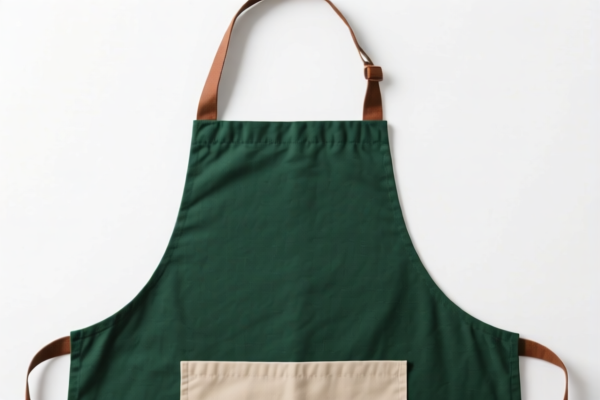
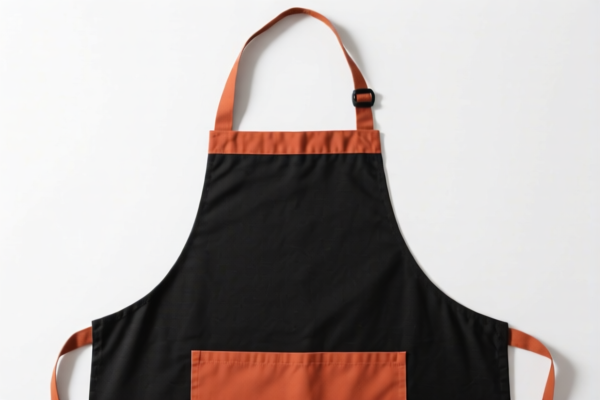
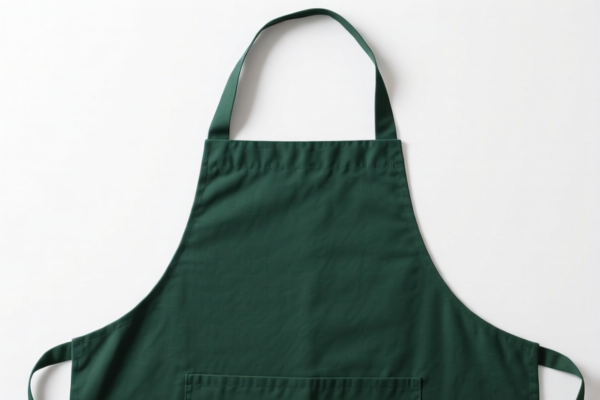
AI Analysis
🌸 Floral Apron (Aprons)
🌐 HS Code Reference & Customs Clearance Guide | 2026 Latest Tariff Analysis | Professional Clearance Strategy
📌 I. Product Definition & Classification: Is It Plastic or Fabric?
The term "Floral Apron" is a descriptive marketing term, not a customs classification term. In international trade, an apron can be classified into two completely different categories based on its material composition:
1. Plastic Aprons (Headings 3901–3914):
Made entirely or primarily of plastic materials (e.g., PVC, PE). Even if it has a "floral" print, if the base material is plastic, it falls under Chapter 39.
2. Textile Aprons (Headings 6201–6211):
Made of woven or knitted fabrics (cotton, polyester, nylon, etc.). The "floral" pattern is merely a design feature on textile fabric. These fall under Chapter 62 (Articles of Apparel).
⚠️ Critical Distinction Point:
- If the main body is Plastic → Go to Section VI (Plastics) → HS 3926.
- If the main body is Textile → Go to Section XI (Textiles) → HS 6210 or 6211.
- Note: The provided DATA only contains specific sub-headings for specific fabric types (non-woven, technical fabrics). General cotton/polyester aprons might require further verification, but we must strictly use the DATA provided.
📦 II. HS Code Classification Details (Based on Provided DATA)
Since the user input is generic ("Floral Apron"), we must look at the specific descriptions in the DATA to see which items match "Apron" or related apparel/accessories.
🎯 1. 3926.20.90.10 – The Direct Match for "Apron"
Description: Other articles of plastics... Articles of apparel and clothing accessories... Other Aprons
This is the only HS Code in the provided data that explicitly lists "Aprons".
| Attribute | Detail |
|---|---|
| HS Code | 3926.20.90.10 |
| Material | Plastic (Headings 3901-3914) |
| Product Type | Apron |
| Design | "Floral" pattern is irrelevant if made of plastic; it’s still a plastic article. |
| Applicability | Use this ONLY if the apron is made of PVC, PE, or other plastic sheets/films. |
📌 Why this code?
The description explicitly states: "Articles of apparel and clothing accessories... Other Aprons". This is the precise match for a plastic apron.
🎯 2. 6210.50.80.90 & 6210.50.80.70 – Textile Aprons (Specific Fabric Types)
Description: Garments, made up of fabrics of heading 5602, 5603, 5903, 5906 or 5907...
These codes apply ONLY if your "Floral Apron" is made of specific technical fabrics: - Heading 5602/5603: Felt or non-woven fabrics. - Heading 5903/5906/5907: Textile fabrics impregnated, coated, covered, or laminated with plastics/rubber.
| HS Code | Product Type | Fabric Requirement |
|---|---|---|
6210.50.80.90 |
Other women's/girls' garments | Of headings 5602, 5603, 5903, 5906, 5907. "Other" category. |
6210.50.80.70 |
Overalls and Coveralls | Same fabric requirements as above. |
⚠️ Caution:
- If your apron is standard cotton or polyester woven fabric, it does NOT fit these codes (which require specific technical fabrics).
- However, if your "floral apron" is a rain apron (coated with plastic, Heading 5903) or a non-woven disposable apron (Heading 5603), then these codes may apply.
🎯 3. 3926.90.33.00 – Beads/Spangles Apron? (Unlikely for "Floral Apron")
Description: Beads, bugles and spangles... Handbags
This code is for Handbags decorated with beads/spangles.
❌ Not applicable to a standard "Floral Apron" unless the apron is actually a bag made of plastic beads.
🎯 4. 6211.49.80.90 & 6211.49.80.10 – Track Suits, Swimwear, Coveralls
Description: Track suits, ski-suits and swimwear; other garments... Coveralls, jumpsuits and similar apparel
❌ Not applicable to a standard apron.
-6211.49.80.10is for Coveralls/Jumpsuits.
- An apron is not a jumpsuit.
- Unless your "floral apron" is actually a full-body protective suit made of technical fabrics, do not use this.
💰 III. 2026 Latest Tariff Rate Details
🎯 1. 3926.20.90.10 – Plastic Apron
✅ Applicable Country: United States (US)
✅ Origin: China (CN)
| Item | Value |
|---|---|
| Base Tariff | 5.0% |
| Additional Tariff (Section 301) | 25.0% |
| Total Tariff Rate | 30.0% |
| Tax Detail | 基础关税: 5.0%, 加征关税: 25.0% |
| Calculation | CIF Value × 30% |
| De Minimis Exemption? | ❌ No (High tariff item) |
| Legal Basis | USITC Footnote for Chapter 39, Section 301 Tariff List |
📌 Explanation:
- Plastic articles are subject to standard MFN rates plus significant Section 301 additional tariffs due to US-China trade tensions.
- Total cost impact: 30% is a significant cost driver. Must be factored into pricing.
🎯 2. 6210.50.80.90 & 6210.50.80.70 – Technical Fabric Apparel
✅ Applicable Country: United States (US)
✅ Origin: China (CN)
| Item | Value |
|---|---|
| Base Tariff | 0.0% |
| Additional Tariff | 0.0% |
| Total Tariff Rate | 0.0% |
| Tax Detail | 基础关税: 0.0%, 加征关税: 0.0% |
| Calculation | CIF Value × 0% = $0 |
| De Minimis Exemption? | ✅ Yes (Potentially, if value < $800) |
📌 Explanation:
- Garments made from specific technical fabrics (non-woven, coated) often enjoy lower or zero tariffs under certain HTSUS subheadings.
- Zero Tariff is highly advantageous for cost competitiveness.
🎯 3. 6211.49.80.90 & 6211.49.80.10 – Other Textile Garments
✅ Applicable Country: United States (US)
✅ Origin: China (CN)
| Item | Value |
|---|---|
| Base Tariff | 0.0% |
| Additional Tariff | 0.0% |
| Total Tariff Rate | 0.0% |
| Tax Detail | 基础关税: 0.0%, 加征关税: 0.0% |
| Calculation | CIF Value × 0% = $0 |
| De Minimis Exemption? | ✅ Yes (Potentially, if value < $800) |
📌 Explanation:
- Similar to above, these specific subheadings for "Other garments" and "Coveralls" show 0% tax in the provided data.
- However, ensure your product truly fits the description (e.g., "Coveralls" for6211.49.80.10). A standard apron does NOT fit here.
🎯 4. 3926.90.33.00 – Handbags/Accessories
✅ Applicable Country: United States (US)
✅ Origin: China (CN)
| Item | Value |
|---|---|
| Base Tariff | 6.5% |
| Additional Tariff | 0.0% |
| Total Tariff Rate | 6.5% |
| Tax Detail | 基础关税: 6.5%, 加征关税: 0.0% |
| Calculation | CIF Value × 6.5% |
📌 Explanation:
- This code is for Handbags.
- If you mistakenly classify an apron as a "handbag" or "accessory made of beads," you might pay 6.5%.
- Do not use for aprons.
🛠️ IV. Customs Clearance Practical Advice (Real-World Pitfall Avoidance)
✅ 1. Material Verification is Key
| Scenario | Correct HS Code | Tariff | Risk |
|---|---|---|---|
| PVC/Plastic Apron (e.g., kitchen cleaning apron) | 3926.20.90.10 |
30% | High tariff. Must declare accurately. |
| Non-Woven Apron (e.g., medical/disposable) | 6210.50.80.90 |
0% | Verify it meets Heading 5603. |
| Coated/Weatherproof Apron (e.g., rain apron) | 6210.50.80.90 |
0% | Verify it meets Heading 5903/5906/5907. |
| Standard Cotton/Polyester Apron | NOT in DATA | Unknown | May require additional HS codes (e.g., 6211.42/49). Do not force-fit into 0% codes if wrong. |
| Apron made of beads/spangles | 3926.90.33.00 (Misclassified) |
6.5% | If it’s a bag, yes. If it’s an apron, wrong code. |
📌 Critical Warning:
- Do NOT classify a standard fabric apron under3926.20.90.10just because it’s cheap. It will be rejected by customs for material mismatch.
- Do NOT classify a plastic apron under6210.50.80.90to avoid tariffs. Customs will inspect and reclassify, leading to fines and delays.
✅ 2. Declaration Best Practices
| Document | Requirement | Tip |
|---|---|---|
| Product Name | Be specific. | Use "Plastic Apron" or "Non-Woven Apron" instead of just "Floral Apron". |
| Material Composition | 100% PVC, 100% Non-Woven PP, etc. | Provide % breakdown. |
| Function | Kitchen use, Medical, Protective. | Helps determine if it’s "Apparel" or "Technical Good". |
| Photos | Clear image of texture. | Show if it’s shiny (plastic) or matte/fibrous (textile). |
✅ 3. Special Cases & Pitfalls
| Situation | Recommendation |
|---|---|
| "Floral" Print | Ignore the print for HS classification. Focus on material. |
| Mixed Materials (e.g., Plastic strap, Fabric body) | Classify based on essential character. If fabric is primary, likely Chapter 62. If plastic is primary, Chapter 39. |
| Sample vs. Bulk | Same classification rules apply. |
| Origin Marking | Ensure "Made in China" is visible. Affects duty rates. |
🌍 V. Global Market Comparison (Quick Reference)
| Market | Recommended HS Code (Plastic Apron) | Tariff Rate | Note |
|---|---|---|---|
| 🇺🇸 USA | 3926.20.90.10 |
30% | High Section 301 tariff. |
| 🇪🇺 EU | 3926.20.90 | ~4% + 0% | No Section 301. |
| 🇨🇳 China | 3926.20.90 | ~5% | Import tariff for plastic aprons. |
| 🇬🇧 UK | 3926.20.90 | ~4% | Post-Brexit tariffs similar to EU. |
📌 Conclusion for USA Importers:
- Plastic Aprons are expensive to import due to 30% tariff.
- Technical Fabric Aprons (Non-woven/Coated) have 0% tariff – consider switching materials if possible.
📌 VI. Common Errors & Pitfalls (Lessons Learned)
❌ Error 1: Classifying a Cotton Apron as 3926.20.90.10 (Plastic)
👉 Consequence: Customs rejects, demands proof of material, delays shipment.
❌ Error 2: Classifying a Plastic Apron as 6210.50.80.90 (Textile) to save tax
👉 Consequence: Customs inspects, finds it’s plastic, charges 30% + penalties + interest.
❌ Error 3: Using "Floral Apron" as the HS Description
👉 Consequence: Ambiguous. Customs may assign a wrong code. Use "Plastic Apron" or "Non-Woven Apron".
❌ Error 4: Ignoring Section 301 Tariffs for plastic goods
👉 Consequence: Underestimating landed cost. Budget for 30%, not 5%.
🎯 VII. Conclusion: Professional Declaration, Save Money!
🎯 Remember the Rule:
🔹 "Material First, Design Second!"
🔹 "Plastic = 30%, Technical Fabric = 0%!"
🔹 "Floral is just a pattern, not a category!"
📌 Pro Tip:
If your "Floral Apron" is made of standard cotton, check other HTSUS codes (e.g., 6211.42/49) not listed in this DATA.
If it’s plastic, use 3926.20.90.10 and budget for 30% duty.
If it’s non-woven/coated, use 6210.50.80.90 and enjoy 0% duty.
📣 Action Required:
📞 Contact your customs broker with:
1. Material Specification (e.g., "100% PVC", "Non-Woven PP")
2. Product Photos (Texture close-up)
3. Intended Use
🚀 Get an Advance Ruling if unsure to avoid costly misclassification!
✨ Accurate Classification Saves Money!
💼 Don't let "Floral" fool you – let "Material" guide you!
Customer Reviews
About HS Code Classification
The Harmonized System (HS) is an internationally standardized nomenclature developed by the World Customs Organization (WCO) to classify traded products. Over 200 countries use the HS system as the basis for customs tariffs, trade statistics, and import/export regulations.
Each HS code follows a hierarchical structure:
- Chapter (2 digits) — Broad category of goods (e.g., Chapter 84: Machinery and Mechanical Appliances)
- Heading (4 digits) — More specific grouping within the chapter
- Subheading (6 digits) — Internationally standardized breakdown, used by all WCO member countries
- National subdivisions (8-10 digits) — Country-specific extensions for further classification, such as US HTSUS 10-digit codes
Correct HS code classification is essential for smooth customs clearance, accurate duty payment, and compliance with trade regulations. Misclassification can lead to customs delays, overpayment of duties, or penalties.
When importing from CN to US, the applicable tariff rates may include:
- Most-Favored-Nation (MFN) rate — The standard duty rate applied to WTO members
- General rate — Applied to countries without trade agreements
- Trade remedy duties — Additional tariffs such as Section 301 (anti-dumping), Section 232 (national security), or countervailing duties
The information provided on this page is for reference purposes only. For official classification, please consult with your local customs authority or a licensed customs broker.