Floral Foam
CN → US| HS Code | Tariff Rate | Origin | Destination | Doc |
|---|---|---|---|---|
| 6806900090 | 35.0% | CN | US | Official Doc |
| 6806200000 | 35.0% | CN | US | Official Doc |
| 3926909989 | 22.8% | CN | US | Official Doc |
| 3926903500 | 16.5% | CN | US | Official Doc |
| 3921190090 | 41.5% | CN | US | Official Doc |
| 3921135000 | 39.2% | CN | US | Official Doc |
Product Images
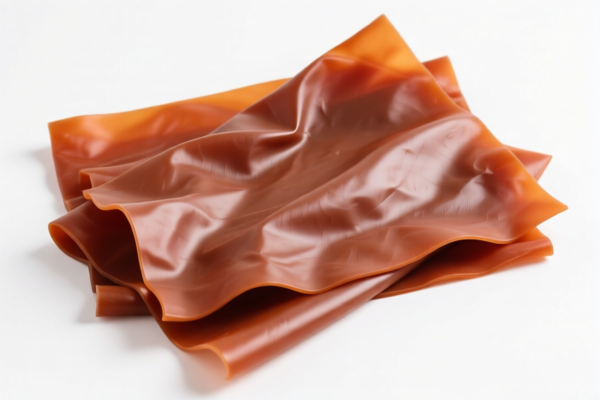

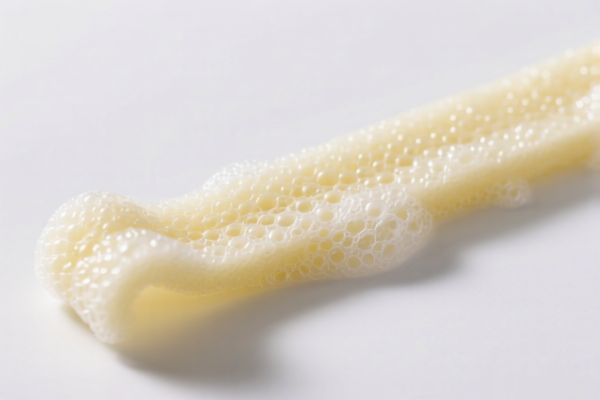
AI Analysis
🌸 Floral Foam (Oasis Foam) | The Ultimate Greenery & Artisan Guide
🌐 HS Code Reference & Clearance Strategy | 2026 Tax Regime Breakdown | Professional Customs Decoding
📌 I. What is "Floral Foam"? Are You Calling It the Right Thing?
Floral Foam (often branded as "Oasis") is a chemical sponge used by florists to hold flower stems in floral arrangements. It is critical to distinguish between the plastic-based cellular foam (the most common) and mineral-based insulation foams (which might be confused if the material description is vague).
In international trade, the classification hinges entirely on the raw material: 1. Plastic Cellular Foam (Most Common): Made of phenolic, urethane, or other synthetic polymers. This is the standard "water-holding" foam. 2. Mineral Wool/Expanded Clay: Sometimes mistaken for foam but used for insulation, not floristry.
⚠️ Critical Distinction:
- If the item is a sponge-like plastic foam for holding flowers → Headings 3921.
- If the item is mineral wool, rock wool, or expanded clay (insulation material) → Heading 6806.
- Do not confuse "floral foam" with "sound-insulating mineral materials" unless explicitly stated otherwise.
📦 II. HS Code Classification Details (Based on 2026 Data)
| HS Code | Product Description | Material Basis | Tax Status (Base + Additional) |
|---|---|---|---|
| 3921.19.00.90 | Cellular plastic plates/sheets/film (Of other plastics) | Plastic (Phenolic, Polyurethane, etc.) | 0.0% (Base: 0% + Additional: 0%) |
| 3921.13.50.00 | Cellular plastic: Of polyurethanes (Other) | Polyurethane Plastic | 29.2% (Base: 4.2% + Additional: 25%) |
| 6806.90.00.90 | Mineral wools, expanded clays, foamed slag (Heat/Sound insulating) | Mineral (Rock wool, slag, vermiculite) | 25.0% (Base: 0% + Additional: 25%) |
| 6806.20.00.00 | Exfoliated vermiculite, expanded clays, foamed slag | Mineral (Expanded materials) | 25.0% (Base: 0% + Additional: 25%) |
| 3926.90.99.89 | Other articles of plastics (Not elsewhere specified) | Miscellaneous Plastic | 12.8% (Base: 5.3% + Additional: 7.5%) |
| 3926.90.35.00 | Beads, bugles, spangles, articles thereof | Plastic beads/spangles | 0.0% (Base: 0% + Additional: 0%) |
🔍 Key Insight for Floral Foam:
- Most standard green floral foam is Cellular Plastic.
- If the foam is made of Polyurethane, it falls under 3921.13.50.00 with a high tariff (29.2%).
- If the foam is made of Phenolic or "Other Plastics", it falls under 3921.19.00.90 with 0% tariff.
- Do not classify mineral insulation materials (6806.xx) as floral foam unless they are explicitly sold as mineral-based alternatives (rare for floristry).
💰 III. 2026 Tariff Rate Deep Dive (Detailed Tax Clauses)
✅ Target Market: United States (US)
✅ Origin: China (CN) (Implied by "Additional Tariff" structure in data)
✅ Effective Date: Current Trade War Tariff Regime (Section 301 & IEEPA)
🎯 1. 3921.19.00.90 —— Cellular Plastic (Other Plastics, Non-Polyurethane)
The "Sweet Spot" for Green Floral Foam (Phenolic/Epoxy) | Item | Detail | | :--- | :--- | | Base Duty | 0.0% | | Section 301 (USITC) Additional | 0.0% | | Total Tax | 0.0% | | Why 0%? | Classified as "Other plastics" (not polyurethane) and often qualifies for duty-free entry under specific trade agreements or exemptions. | | Strategic Value | Lowest Cost Entry. Ideal for bulk green floral foam imports. |
🎯 2. 3921.13.50.00 —— Cellular Plastic (Of Polyurethanes)
The "High Tax" Zone | Item | Detail | | :--- | :--- | | Base Duty | 4.2% | | Section 301 (USITC) Additional | +25.0% | | Total Tax | 29.2% | | Why so High? | Polyurethane cellular foams are a specific target of Section 301 tariffs due to US-China trade friction. | | Strategic Warning | Avoid if possible. If your floral foam is PU-based, costs will skyrocket. Switch supplier to phenolic-based foam or seek Section 301 exclusions. |
🎯 3. 6806.90.00.90 & 6806.20.00.00 —— Mineral Wool / Expanded Clays
The "Insulation" Trap | Item | Detail | | :--- | :--- | | Base Duty | 0.0% | | Additional Tariff | +25.0% | | Total Tax | 25.0% | | Material Reality | These are NOT standard floral foam. They are for construction insulation (rock wool, vermiculite). | | Risk | Misclassification Risk. If you import "Floral Foam" but the material is actually mineral wool (e.g., "green mineral sponge"), you pay 25% tax. Do not use this code for standard plastic floral foam. |
🎯 4. 3926.90.99.89 —— Other Plastic Articles
| Item | Detail |
|---|---|
| Base Duty | 5.3% |
| Additional Tariff | +7.5% |
| Total Tax | 12.8% |
| Usage | Only if the foam does not fit "Cellular" definitions (e.g., shaped blocks not meeting cellular criteria). Generally higher cost than 3921.19. |
🛠️ IV. Custom Clearance Practical Advice (Actionable Tips)
✅ 1. Product Specification Checklist (Must-Haves)
To avoid being classified into the 29.2% or 25.0% brackets, you must prove your material.
| Document | Requirement | Why? |
|---|---|---|
| Material Safety Data Sheet (MSDS) | Must explicitly state "Phenolic" or "Other Plastic". | Crucial: If it says "Polyurethane" or "PU", you face 29.2% tax. |
| Chemical Composition Report | % of polymer type, % of water, % of resin. | Proves it is not "Mineral Wool" (6806). |
| Product Photos | Show the sponge texture (porous, water-holding) vs. fibrous texture. | Customs officers visually inspect to distinguish foam (3921) from insulation (6806). |
| Usage Statement | "Specifically manufactured for floral arrangements and water retention." | Helps justify "Cellular" classification under 3921. |
✅ 2. Declaration Strategy (The "Golden Rule")
🚨 WARNING: DO NOT simply write "Floral Foam" on the invoice. Be specific!
| Scenario | Correct Declaration | Incorrect Declaration | Result |
|---|---|---|---|
| Standard Green Foam | 3921.19.00.90: "Cellular plastic foam, Phenolic resin, for floral use" |
"Plastic Foam" (Vague) | Risk of audit/audit delay. |
| Polyurethane Foam | 3921.13.50.00: "Cellular Polyurethane Foam" |
"Floral Foam" | 29.2% Tax applied automatically. |
| Mineral Alternative | 6806.20.00.00: "Expanded Vermiculite" |
"Floral Foam" | 25.0% Tax + Misdeclaration penalty. |
| Shaped Plastic Blocks | 3926.90.99.89: "Other plastic articles" |
"Foam" | 12.8% Tax (Higher than cellular). |
✅ 3. Common Pitfalls & Solutions
| ❌ Mistake | 🚨 Consequence | 🛠️ Solution |
|---|---|---|
| Calling it "Polyurethane" by mistake | Pay 29.2% instead of 0%. | Verify chemical composition. If it's Phenolic, declare as "Other Plastics" (3921.19). |
| Confusing with Insulation (6806) | Pay 25.0% + Seizure risk. | Ensure packaging clearly states "Not for Construction/Insulation". |
| Splitting Shipments | Increased administrative cost. | Consolidate under 3921.19.00.90 if all are Phenolic-based. |
| Missing "Cellular" Detail | Re-classification to "Other" (3926). | Ensure invoice describes structure as "Cellular/Cell-foam". |
🌍 V. Global Market Clearance Comparison (2026 Outlook)
| Region | Recommended HS Code | Tariff (CN Origin) | Key Requirement |
|---|---|---|---|
| 🇺🇸 USA | 3921.19.00.90 |
0.0% (Phenolic) 29.2% (PU) |
MSDS + Chemical Composition |
| 🇪🇺 EU | 3921.19.00 |
Variable (Revolving 0-6%) | REACH Compliance (Phthalates) |
| 🇨🇳 China | 3921.19.00 |
5% | Standard Import Tax |
| 🇯🇵 Japan | 3921.19.00 |
0% | JIS Standard Compliance |
📌 Conclusion:
- The USA market is the most critical for "Floral Foam" due to the Polyurethane penalty (29.2%).
- If you are exporting Phenolic-based floral foam (the standard green sponge), ensure your declaration specifies "Other Plastics" to secure the 0% rate.
- Never declare mineral insulation materials as "Floral Foam" unless they are specifically mineral-based products intended for floristry (very rare).
📌 VI. Quick Summary for Freight Forwarders
| Key Action | Instruction |
|---|---|
| Material Check | Is it Polyurethane? → 3921.13.50.00 (29.2%). Is it Phenolic/Other? → 3921.19.00.90 (0%). |
| Avoid | Do not classify as 6806 (Mineral Wool) unless it is actually mineral. |
| Docs Needed | MSDS, Chemical Formula, "For Floral Use" label. |
| Final Advice | Verify the resin type! A 25% tariff difference can make or break your profit margin. |
📣 Call to Action:
📞 Contact your logistics partner NOW to verify the Chemical Composition of your Floral Foam batch.
🚀 Claim your 0% Duty by correctly declaring "Cellular Plastic, Other Plastics" (3921.19.00.90)!
💡 Don't let a 25% tax wipe out your margins!
✨ Precise Classification = Maximum Profit!
💼 Floral Foam: One word can save you thousands!
Customer Reviews
About HS Code Classification
The Harmonized System (HS) is an internationally standardized nomenclature developed by the World Customs Organization (WCO) to classify traded products. Over 200 countries use the HS system as the basis for customs tariffs, trade statistics, and import/export regulations.
Each HS code follows a hierarchical structure:
- Chapter (2 digits) — Broad category of goods (e.g., Chapter 84: Machinery and Mechanical Appliances)
- Heading (4 digits) — More specific grouping within the chapter
- Subheading (6 digits) — Internationally standardized breakdown, used by all WCO member countries
- National subdivisions (8-10 digits) — Country-specific extensions for further classification, such as US HTSUS 10-digit codes
Correct HS code classification is essential for smooth customs clearance, accurate duty payment, and compliance with trade regulations. Misclassification can lead to customs delays, overpayment of duties, or penalties.
When importing from CN to US, the applicable tariff rates may include:
- Most-Favored-Nation (MFN) rate — The standard duty rate applied to WTO members
- General rate — Applied to countries without trade agreements
- Trade remedy duties — Additional tariffs such as Section 301 (anti-dumping), Section 232 (national security), or countervailing duties
The information provided on this page is for reference purposes only. For official classification, please consult with your local customs authority or a licensed customs broker.