Floral Printed Fabric
CN → US| HS Code | Tariff Rate | Origin | Destination | Doc |
|---|---|---|---|---|
| 5407440030 | 47.0% | CN | US | Official Doc |
| 5407540020 | 32.4% | CN | US | Official Doc |
| 5007200035 | 35.0% | CN | US | Official Doc |
| 5007200025 | 35.0% | CN | US | Official Doc |
| 6204230050 | 0.0% | CN | US | Official Doc |
| 6204434010 | 33.5% | CN | US | Official Doc |
| 5208516060 | 46.4% | CN | US | Official Doc |
| 5208524055 | 46.4% | CN | US | Official Doc |
| 6303922050 | 28.8% | CN | US | Official Doc |
| 6303910010 | 27.8% | CN | US | Official Doc |
Product Images
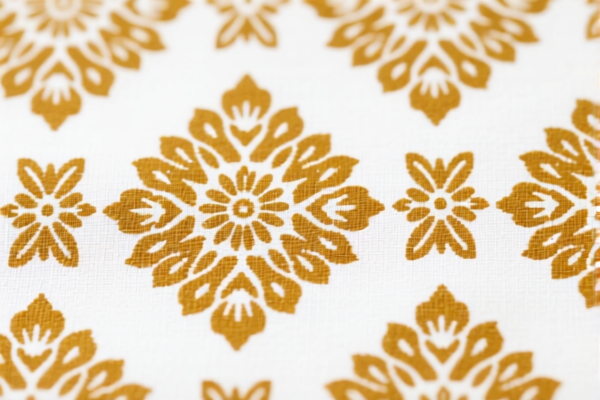
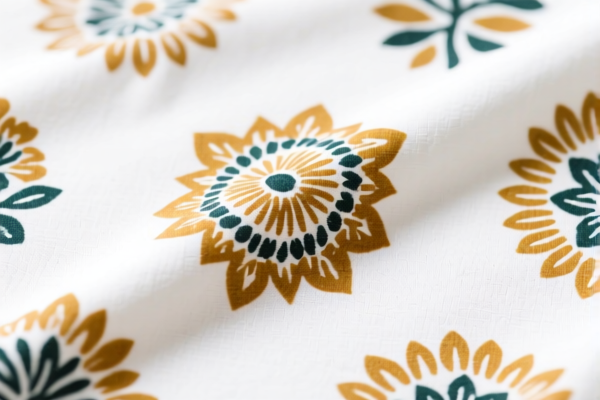
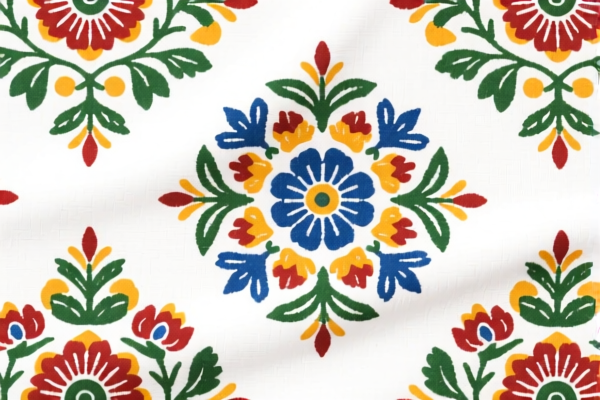
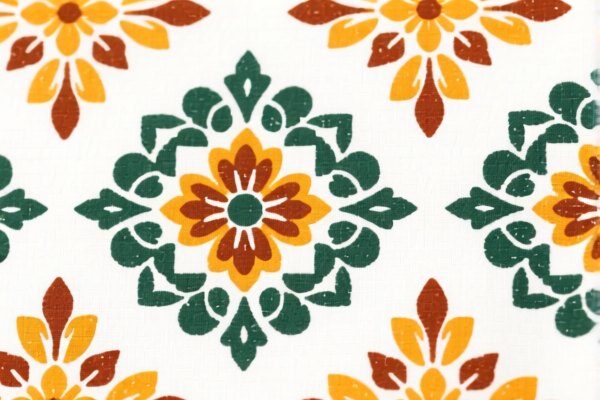
AI Analysis
🌸 Floral Printed Fabric (Textiles for Fashion & Home Decor)
🌐 HS Code Reference & Customs Clearance Guide | 2024/2026 Latest Tariff Analysis | Professional Clearance Strategy
📌 I. Product Definition & Classification: What Exactly is "Floral Printed Fabric"?
"Floral Printed Fabric" is a generic commercial term that lacks specificity in international trade. It refers to woven textiles featuring floral patterns, applied to curtains, upholstery, garments, or linings. In customs terminology, classification depends entirely on three critical factors: 1. Fiber Composition (Cotton, Silk, Synthetic, etc.) 2. Weight/Weave Type (e.g., plain weave, g/m²) 3. End Use/Structure (e.g., curtains vs. plain fabric rolls)
⚠️ Critical Distinction Point:
- If the item is already finished as curtains or blinds → It falls under Chapter 63 (Curtains/Blinds).
- If the item is raw or semi-finished fabric rolls → It falls under Chapters 50–55 (Woven Fabrics).
- Misclassification Risk: Declaring finished curtains as "fabric" to avoid higher duties, or vice versa, triggers customs audits and penalties.
📦 II. HS Code Classification Details (Based on Provided Data)
Below are the only HS Codes relevant to "Floral Printed Fabric" from the provided dataset, categorized by material and form.
| HS Code | Product Description | Material | Key Characteristics | Tax Rate |
|---|---|---|---|---|
| 6303.92.20.50 | Curtains (including drapes) and interior blinds; curtain or bed valances: Other: Of synthetic fibers: Other Other: Other (666) | Synthetic Fibers | Finished curtains/blinds made of synthetic materials (e.g., polyester, nylon). | 0.0% |
| 6303.91.00.10 | Curtains (including drapes) and interior blinds; curtain or bed valances: Other: Of cotton Window curtains (including drapes) and window valances (369) | Cotton | Finished window curtains/drapes made of cotton. | 0.0% |
| 5007.20.00.35 | Woven fabrics of silk or of silk waste: Other fabrics, containing 85%+ silk: Printed: Other: Other | Silk (≥85%) | Printed silk fabric rolls (not curtains). Narrow width or specific types not listed elsewhere. | 25.0% |
| 5007.20.00.25 | Woven fabrics of silk or of silk waste: Other fabrics, containing 85%+ silk: Printed: Other: More than 127 cm in width | Silk (≥85%) | Printed silk fabric rolls, wider than 127 cm. | 25.0% |
| 5208.51.60.60 | Woven fabrics of cotton (≥85%), ≤200 g/m²: Printed: Plain weave, ≤100 g/m²: Other: Of numbers 43 to 68 Printcloth (315) | Cotton (≥85%) | Light printed cotton fabric (≤100 g/m²), plain weave, narrow printcloth. | 0.0% |
| 5208.52.40.55 | Woven fabrics of cotton (≥85%), ≤200 g/m²: Printed: Plain weave, >100 g/m²: Other: Of numbers 43 to 68 Printcloth: Discharge printed (315) | Cotton (≥85%) | Heavier printed cotton fabric (>100 g/m²), plain weave, discharge printed. | 0.0% |
| 5407.44.00.30 | Woven fabrics of synthetic filament yarn (≥85% nylon/polyamide): Printed: Weighing ≤170 g/m² (620) | Nylon/Polyamide (Synthetic) | Printed synthetic filament fabric (lightweight, ≤170 g/m²). | 0.0% |
| 5407.54.00.20 | Woven fabrics of synthetic filament yarn (≥85% textured polyester): Printed: Weighing ≤170 g/m²: Flat fabrics (619) | Polyester (Synthetic) | Printed textured polyester fabric (lightweight, flat weave, ≤170 g/m²). | 0.0% |
| 6204.23.00.50 | Women's/Girls' suits, ensembles, etc.: Ensembles: Of synthetic fibers: Other: Blouses and shirts: With two or more colors in warp/filling (641) | Synthetic Fibers | Garments, not fabric. Printed blouses/shirts in ensembles. | 0.0% |
| 6204.43.40.10 | Women's/Girls' dresses: Of synthetic fibers: Other: Other With two or more colors in warp/filling: Women's (636) | Synthetic Fibers | Garments, not fabric. Printed dresses. | 0.0% |
🔍 Key Observation:
- Most fabric rolls (Chapters 50–55) and finished curtains (Chapter 63) have 0% base + 0% additional tariff in this dataset.
- Exception: Silk fabrics (HS 5007.20.00.25 & .35) attract a 25% total tax due to the "Additional Tariff" component.
- Garments (HS 6204.xxxx) are 0% total tax but are not fabric; they are finished clothing.
💰 III. 2024/2026 Latest Tariff Rate Breakdown
✅ Scope: Based strictly on the provided data (likely US ITC duties, with 0% or 25% totals).
✅ No Hidden Fees: The dataset shows "Total Tax" directly.
🎯 1. Zero-Tariff Items (0.0% Total)
Applicable to: - Cotton curtains (6303.91.00.10) - Synthetic curtains (6303.92.20.50) - Cotton printcloths (5208.51.60.60, 5208.52.40.55) - Nylon/Polyamide printed fabrics (5407.44.00.30, 5407.54.00.20) - Synthetic blouses/dresses (6204.23.00.50, 6204.43.40.10)
| Project | Content |
|---|---|
| Base Tariff | 0.0% |
| Additional Tariff (e.g., Section 301) | 0.0% |
| Total Effective Rate | 0.0% |
| Comment | Highly Competitive. No duty burden for these specific descriptions. |
🎯 2. High-Tariff Item (25.0% Total)
Applicable to: - Silk Fabrics (5007.20.00.35, 5007.20.00.25)
| Project | Content |
|---|---|
| Base Tariff | 0.0% |
| Additional Tariff | 25.0% |
| Total Effective Rate | 25.0% |
| Comment | Significant Cost Impact. Likely due to trade restrictions or high duties on luxury silk imports from specific origins. |
🛠️ IV. Customs Clearance Practical Advice (Avoid Pitfalls)
✅ 1. Critical Documentation Checklist
| Document | Required? | Why? |
|---|---|---|
| ✅ Product Composition Label | YES | Must specify % of Silk, Cotton, Polyester, etc. Incorrect % leads to wrong HS code. |
| ✅ Fabric Weight (g/m²) | YES | Critical for distinguishing HS codes (e.g., ≤100 g/m² vs >100 g/m² for cotton). |
| ✅ Width Measurement | YES | Required for Silk fabrics (>127 cm vs ≤127 cm). |
| ✅ Pattern Description | YES | Must confirm "Printed" vs "Woven" vs "Embroidered" to match HS description. |
| ✅ Final Form Confirmation | YES | Is it a roll of fabric or finished curtains? This is the #1 error source. |
✅ 2. Classification Strategy (How to Declare)
| Scenario | Correct Declaration | Risk if Wrong |
|---|---|---|
| Silk Floral Fabric | 5007.20.00.25 (if >127cm) or .35 |
25% Duty. Misdeclaring as cotton (0%) → Penalty + Back Duty. |
| Cotton Floral Curtains | 6303.91.00.10 |
0% Duty. Misdeclaring as fabric → May be rejected if not suitable for use as fabric. |
| Polyester Floral Fabric | 5407.54.00.20 (if ≤170g/m²) |
0% Duty. Must specify "Textured Polyester" and "Flat Fabric". |
| Floral Blouse | 6204.43.40.10 |
0% Duty. Not fabric. Do not declare as "textile". |
✅ 3. Special Notes for "Floral Printed" Items
- Silk Premium Tax: Even though the base tariff is 0%, the 25% additional tariff on silk fabrics is a major cost driver. Ensure you are not over-classifying silk blends if they don't meet the 85% threshold (though the data only lists ≥85%).
- Cotton Weight Thresholds: For cotton printcloths (5208.xxxx), the weight cutoff at 100 g/m² changes the subheading. Always have lab test reports for weight.
- Synthetic Filament vs. Staple: For synthetic fabrics (5407.xxxx), distinguish between filament (smooth, like nylon/polyester yarn) and staple (spun). The provided data specifies filament yarns.
🌍 V. Market Comparison & Strategic Advice
| Market/Scenario | HS Code Category | Total Tax | Recommendation |
|---|---|---|---|
| 🇺🇸 US Import (Silk) | 5007.20.00.25 |
25% | High cost. Consider sourcing from countries with FTAs if available, or verify if blend allows lower duty classification. |
| 🇺🇸 US Import (Curtains/Synthetics) | 6303.xxxx / 5407.xxxx |
0% | No Duty Advantage. Focus on logistics efficiency, not duty optimization. |
| 🇪🇺 EU Import | Not in Data | Check Local | EU often has lower duties for textiles but stricter labeling (fiber content). |
| 🇨🇳 China Export | Not in Data | Export Duty | Usually 0% export duty, but ensure compliance with China's export certification. |
📌 VI. Common Mistakes & Pitfalls (Blood Lessons)
❌ Mistake 1: Declaring Silk Curtains as "Cotton Curtains" to get 0% tax.
👉 Consequence: Customs inspection reveals silk content → 25% Back Duty + Fine.
❌ Mistake 2: Declaring Finished Curtains as "Fabric Rolls".
👉 Consequence: HS Code mismatch (Chapter 63 vs 52/54). Customs may reject entry or reclassify, causing delays.
❌ Mistake 3: Ignoring Weight (g/m²) for Cotton.
👉 Consequence: Wrong subheading (5208.51 vs 5208.52). While both are 0% in this data, incorrect declaration raises audit flags.
❌ Mistake 4: Confusing Silk Blends with Pure Silk.
👉 Consequence: If silk content <85%, it may fall under a different, potentially cheaper or more expensive, category not listed here. Verify % content!
✅ Correct Practice:
"Woven Printed Silk Fabric, 100% Silk, 150 cm Width, 50 g/m², Floral Pattern" → 5007.20.00.35 (25% Tax)
🎯 VII. Conclusion: Precision in Classification Saves Money!
🎯 Key Takeaway:
🔹 Silk = 25% Tax. Everything else in this dataset = 0% Tax.
🔹 Form Matters: Curtains (Ch63) ≠ Fabric (Ch50-55).
🔹 Data is Specific: The provided data only covers specific subsets (e.g., cotton printcloths, not all cotton fabrics). Do not extrapolate beyond this data.
📌 Pro Tip:
If you are importing Silk, the 25% tariff is significant.
- Option A: Verify if the fabric can be classified as a "Silk Blend" with <85% silk (if data allows).
- Option B: Ensure the width is >127 cm to use .25 vs .35 if duty rates differ (in this data, both are 25%, but other codes may vary).
📣 Action Item:
📞 Verify Fiber Content & Weight with your supplier immediately.
🚀 Use Correct HS Code from the table above.
✅ 0% Duty Opportunity: Maximize use of Cotton/Synthetic categories for cost efficiency.
✨ Accurate Classification is Your Best Friend in Global Trade!
💼 Don't Let a 25% Silk Tax Eat Your Profit Margin!
Customer Reviews
About HS Code Classification
The Harmonized System (HS) is an internationally standardized nomenclature developed by the World Customs Organization (WCO) to classify traded products. Over 200 countries use the HS system as the basis for customs tariffs, trade statistics, and import/export regulations.
Each HS code follows a hierarchical structure:
- Chapter (2 digits) — Broad category of goods (e.g., Chapter 84: Machinery and Mechanical Appliances)
- Heading (4 digits) — More specific grouping within the chapter
- Subheading (6 digits) — Internationally standardized breakdown, used by all WCO member countries
- National subdivisions (8-10 digits) — Country-specific extensions for further classification, such as US HTSUS 10-digit codes
Correct HS code classification is essential for smooth customs clearance, accurate duty payment, and compliance with trade regulations. Misclassification can lead to customs delays, overpayment of duties, or penalties.
When importing from CN to US, the applicable tariff rates may include:
- Most-Favored-Nation (MFN) rate — The standard duty rate applied to WTO members
- General rate — Applied to countries without trade agreements
- Trade remedy duties — Additional tariffs such as Section 301 (anti-dumping), Section 232 (national security), or countervailing duties
The information provided on this page is for reference purposes only. For official classification, please consult with your local customs authority or a licensed customs broker.