Flour Sifter
CN → US| HS Code | Tariff Rate | Origin | Destination | Doc |
|---|---|---|---|---|
| 8210000000 | 38.7% | CN | US | Official Doc |
| 8210000000 | 38.7% | CN | US | Official Doc |
| 8438100010 | 17.5% | CN | US | Official Doc |
| 8438100090 | 17.5% | CN | US | Official Doc |
| 7323999080 | 88.4% | CN | US | Official Doc |
| 7323999030 | 88.4% | CN | US | Official Doc |
Product Images

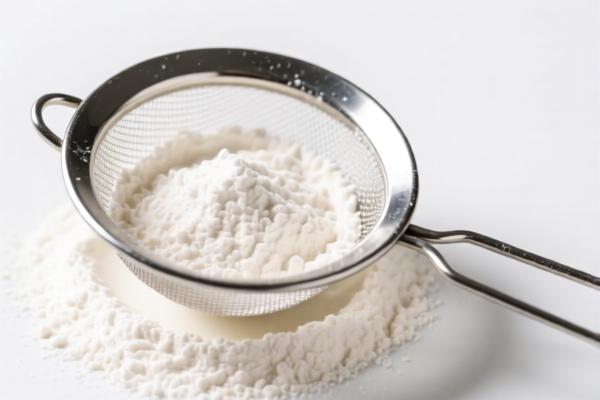
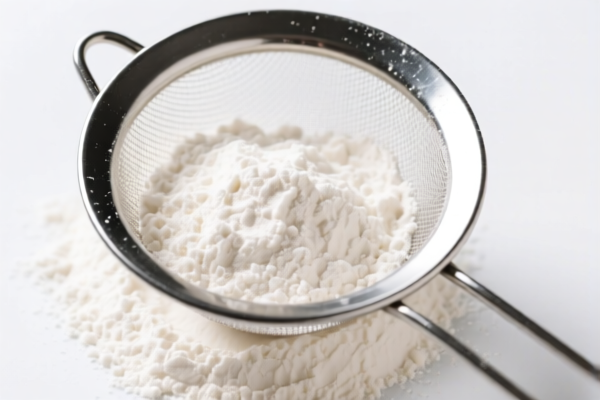
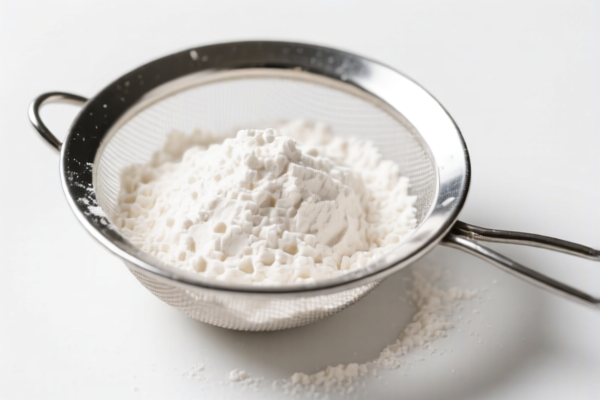
AI Analysis
🌾 Hand-Operated Flour Sifter (Manual Kitchen Appliances)
🌐 HS Code Reference & Customs Clearance Guide | 2026 Latest Tariff Analysis | Professional Compliance Strategy
📌 1. Product Definition & Classification: What exactly is a "Flour Sifter"?
A Flour Sifter is a handheld or stand-mounted mechanical device used in domestic or light commercial food preparation to aerate, de-clump, and separate dry ingredients like flour, sugar, or cocoa powder.
In international trade, the critical distinction lies in the weight and mechanism:
✅ Hand-Operated & ≤ 10 kg:
If the sifter is manually operated (cranked, shaken, or pressed) and weighs 10 kg or less, it falls under Chapter 82 (Tools, Implements, Cutlery...). It is classified as a "Hand-operated mechanical appliance... for the preparation of food."
❌ Industrial/Electric & > 10 kg:
If it is motorized, electric, or weighs more than 10 kg, it may fall under Chapter 84 (Machinery). However, based on the provided data, we strictly focus on the manual, lightweight category.
⚠️ Key Classification Point:
- If it is a manual crank/shaker sifter (metal mesh, handle, mechanism) → HS 8210.00.00.00
- If it is a heavy-duty industrial mixer or electric sifter → Not covered in this specific DATA set, but likely 8438.
- Do NOT confuse with stainless steel kitchen utensils (like spoons or ladles), which fall under Chapter 73. The sifter has a mechanical function (sifting/separating), not just holding food.
📦 2. HS Code Classification Details (Based on Provided Data)
| HS Code | Product Description | Weight Limit | Mechanism | Key Features |
|---|---|---|---|---|
8210.00.00.00 |
Hand-operated mechanical appliances for food/drink prep | ≤ 10 kg | Manual (Crank/Shake/Press) | Includes flour sifters, potato mashers, manual meat grinders, egg beaters. |
7323.99.90.80 |
Table/kitchen articles of iron/steel | N/A | Static/Passive | Non-mechanical items like pots, pans, scouring pads, basic racks. |
7323.99.90.30 |
Kitchen/tableware for food contact (Iron/Steel) | N/A | Static/Passive | Specifically "Kitchenware" suitable for food contact, but no mechanical sifting function. |
🔍 Crucial Warning:
- Do NOT use7323codes for a sifter! Although a sifter is made of metal (often stainless steel or aluminum), its function is mechanical (aeration/separation). Chapter 73 is for static articles. Using7323is a misclassification error that triggers high tariffs (see below). - Weight Check: If your sifter weighs over 10 kg, it does not fit8210.00.00.00. It would need to be evaluated under Chapter 84 (Machinery), which is not in the provided data.
💰 3. 2026 Tariff Rate Breakdown (Detailed Analysis)
✅ Applicable Country: United States (US)
✅ Origin: China (CN) (Assumed based on typical trade context for these HS codes)
✅ Data Source: Provided<DATA>JSON
🎯 1. 8210.00.00.00 — Hand-Operated Mechanical Food Appliances (Correct Classification)
| Item | Detail |
|---|---|
| Product | Manual Flour Sifter (Hand-crank or shake type, ≤10kg) |
| Basic Tariff | 3.7% |
| Additional Tariff (Section 301) | 0.0% |
| Total Tariff Rate | 3.7% |
| Tax Calculation | CIF Value × 3.7% |
| De Minimis Exemption | ❌ Not Applicable (Usually > $800 threshold applies for commercial, but for small parcels, check specific trade agreements. However, standard rate is 3.7%.) |
| Legal Basis | HTSUS 8210.00.00 |
📌 Explanation:
- This is the correct and preferred classification for manual flour sifters. - The tariff rate is low (3.7%), making it highly competitive. - No additional Section 301 tariffs apply to this specific subheading for Chinese goods in the provided data.
🚫 2. 7323.99.90.80 — Misclassification Risk (Stainless Steel Kitchenware)
| Item | Detail |
|---|---|
| Product | Incorrectly classified sifter as "other steel articles" |
| Basic Tariff | 3.4% |
| Additional Tariff (Section 301) | 25.0% |
| Additional Surcharge (Steel/Aluminum) | 50.0% |
| Total Tariff Rate | 78.4% |
| Tax Calculation | CIF Value × 78.4% |
| Legal Basis | HTSUS 7323.99.90 |
⚠️ WARNING:
- If customs officers determine the item is "just another steel kitchen tool" and not a "mechanical appliance," they may misclassify it here. - Resulting Tax: 78.4% — Over 20x higher than the correct rate! - Why? Steel products from China face additional punitive tariffs (50% surcharge on top of 301 tariffs).
🚫 3. 7323.99.90.30 — Misclassification Risk (Kitchenware for Food Contact)
| Item | Detail |
|---|---|
| Product | Incorrectly classified sifter as "kitchenware" |
| Basic Tariff | 3.4% |
| Additional Tariff (Section 301) | 25.0% |
| Additional Surcharge (Steel/Aluminum) | 50.0% |
| Total Tariff Rate | 78.4% |
| Tax Calculation | CIF Value × 78.4% |
| Legal Basis | HTSUS 7323.99.90 |
⚠️ WARNING:
- Even if labeled "Food Grade Stainless Steel," the mechanical function dictates Chapter 82, not Chapter 73. - Same catastrophic rate: 78.4% due to steel-specific surcharges.
🛠️ 4. Customs Clearance Practical Advice (Avoid Pitfalls)
✅ 1. Documentation Checklist (Must-Haves)
| Document | Required | Purpose |
|---|---|---|
| Product Photos | ✔️ | Show the mechanism (crank, handle, mesh). Prove it's not a static pot. |
| Product Specification Sheet | ✔️ | Must state: "Hand-operated," "Manual," "No Electric Motor," "Weight: X kg (under 10kg)." |
| Commercial Invoice | ✔️ | Description: "Manual Flour Sifter, Hand-Crank, Stainless Steel Mesh, For Kitchen Use" |
| Weight Declaration | ✔️ | Explicitly state weight < 10 kg. If >10kg, this HS Code is invalid. |
| Material Certificate | ✔️ | Confirm if parts are iron/steel (affects Chapter 73 vs 82, but function is key). |
✅ 2. Declaration Tips (Golden Rules)
🔥 "Mechanical Function, Under 10kg, Chapter 82!"
| Scenario | Correct HS Code | Tariff | Error Risk |
|---|---|---|---|
| Manual Hand-Crank Sifter | 8210.00.00.00 |
3.7% | ✅ Low (if weight <10kg) |
| Electric Motor Sifter | Not in Data | See Ch. 84 | ❌ High (Misclassification) |
| Sifter Weight 12 kg | Not in Data | See Ch. 84 | ❌ High (Weight limit exceeded) |
| Static Mesh Strainer (No Mechanism) | 7323.99.90.80 |
78.4% | ✅ Low (but high tax!) |
💡 Pro Tip:
- In the invoice description, avoid words like "Pot," "Pan," or "Utensil" alone.
- Use: "Mechanical Hand-Operated Sifter" or "Manual Food Preparation Appliance."
- Clearly state "Weight: 0.5 kg" (or actual weight) to prove it falls under the ≤10kg limit.
✅ 3. Special Case Handling
| Situation | Recommendation |
|---|---|
| OEM Custom Sifter | Provide design diagram showing the hand-crank or shake mechanism. |
| Sifter with Electric Motor | NOT eligible for 8210.00.00.00. Must be reclassified under Chapter 84 (e.g., 8438.10 or similar). Check latest tariff for motorized devices. |
| Heavy-Duty Industrial Sifter (>10kg) | NOT eligible for 8210.00.00.00. Likely falls under 8438.10 (Bakery Machinery). Tariff: 7.5% (Basic 0% + 7.5% Add'l). |
| Stainless Steel vs. Iron | The material doesn't change the Chapter 82 classification for mechanical appliances, but ensure the description matches the physical product. |
🌍 5. Market Comparison (2026 Overview)
| Market | Correct HS Code | Tariff Rate | Notes |
|---|---|---|---|
| 🇺🇸 USA | 8210.00.00.00 |
3.7% | Best Rate. Avoid 7323 (78.4%). |
| 🇨🇳 China (Export to) | Varies | Check China Import Tariffs | N/A for this guide. |
| 🇪🇺 EU | Not in Data | Typically 4.5% - 6% | No steel surcharge, but different HS structure. |
| 🇬🇧 UK | Not in Data | Typically 4.5% - 6% | Post-Brexit rules apply. |
📌 Conclusion:
- USA offers the lowest tariff (3.7%) for manual sifters IF correctly classified under8210.
- Misclassification to Chapter 73 results in a 78.4% tax hit, destroying profit margins.
- Accuracy in Description and Weight Declaration is critical.
📌 6. Common Errors & Pitfalls (Blood Lessons)
❌ Error 1: Labeling a manual sifter as "Stainless Steel Kitchen Tool" → 78.4% Tax
👉 Solution: Emphasize "Mechanical Hand-Operated Appliance" in the invoice.
❌ Error 2: Declaring weight as "15 kg" for a large industrial sifter → Wrong HS Code
👉 Solution: If >10kg, use Chapter 84 (8438.10). Do not force it into Chapter 82.
❌ Error 3: Using "Flour Sifter" alone without weight/mechanism details → Customs Scrutiny
👉 Solution: Add "Hand-Operated, <10kg, Manual Crank/Shake" to the description.
❌ Error 4: Assuming all steel kitchen items are cheap tariffs → High Steel Surcharge
👉 Solution: Remember the 50% additional surcharge on steel/aluminum articles from China under 7323.
✅ Correct Declaration Example:
"Manual Hand-Crank Flour Sifter, Stainless Steel Mesh, Weight: 0.8kg, No Electric Motor, For Domestic Kitchen Use"
🎯 7. Conclusion: Precision Saves Money!
🎯 Remember the Golden Rule:
🔹 "Mechanical + Manual + <10kg = 3.7% Tariff"
🔹 "Static Steel + >10kg OR Wrong Function = 78.4% Tariff"
🔹 "Electric/Motorized = Chapter 84 (Check 8438)"
📌 Action Item:
1. Verify Weight: Ensure the sifter is under 10 kg.
2. Confirm Mechanism: Ensure it is hand-operated (no motor).
3. Use HS Code: 8210.00.00.00
4. Invoice Description: Clearly state "Hand-Operated Mechanical Appliance."
5. Avoid: Words like "Pot," "Pan," or "Utensil" without mechanical context.
✨ Professional Customs Clearance Starts with Accurate Classification!
💼 Save 74.7% in Tariffs by Using the Correct HS Code!
Customer Reviews
About HS Code Classification
The Harmonized System (HS) is an internationally standardized nomenclature developed by the World Customs Organization (WCO) to classify traded products. Over 200 countries use the HS system as the basis for customs tariffs, trade statistics, and import/export regulations.
Each HS code follows a hierarchical structure:
- Chapter (2 digits) — Broad category of goods (e.g., Chapter 84: Machinery and Mechanical Appliances)
- Heading (4 digits) — More specific grouping within the chapter
- Subheading (6 digits) — Internationally standardized breakdown, used by all WCO member countries
- National subdivisions (8-10 digits) — Country-specific extensions for further classification, such as US HTSUS 10-digit codes
Correct HS code classification is essential for smooth customs clearance, accurate duty payment, and compliance with trade regulations. Misclassification can lead to customs delays, overpayment of duties, or penalties.
When importing from CN to US, the applicable tariff rates may include:
- Most-Favored-Nation (MFN) rate — The standard duty rate applied to WTO members
- General rate — Applied to countries without trade agreements
- Trade remedy duties — Additional tariffs such as Section 301 (anti-dumping), Section 232 (national security), or countervailing duties
The information provided on this page is for reference purposes only. For official classification, please consult with your local customs authority or a licensed customs broker.