Flower Galvanized Coil
CN → US| HS Code | Tariff Rate | Origin | Destination | Doc |
|---|---|---|---|---|
| 7225920000 | 35.0% | CN | US | Official Doc |
| 7210410000 | 10.0% | CN | US | Official Doc |
| 7225910000 | 35.0% | CN | US | Official Doc |
| 7212500000 | 35.0% | CN | US | Official Doc |
| 7212305000 | 35.0% | CN | US | Official Doc |
Product Images
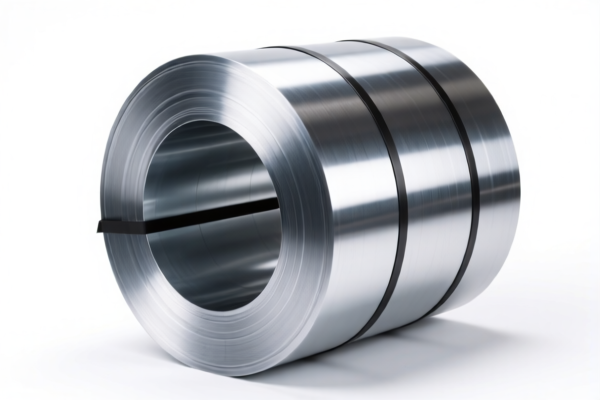
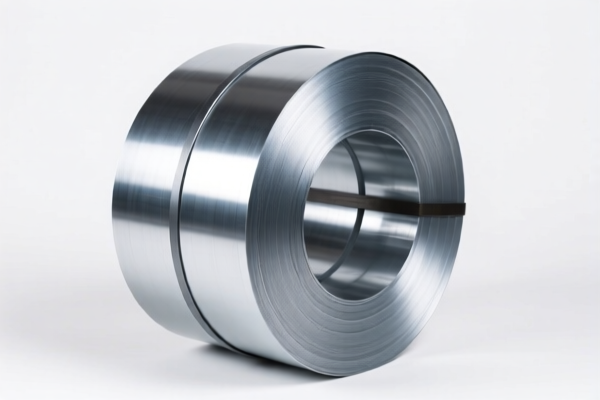
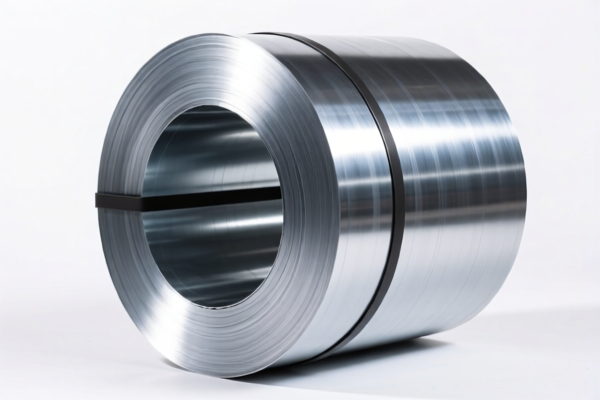
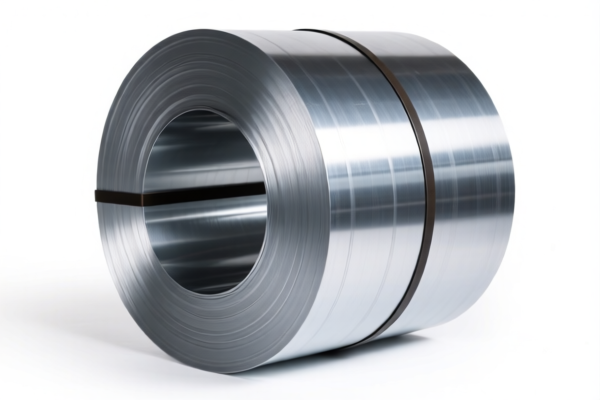
AI Analysis
🏗️ Flower Galvanized Coil (花镀锌卷)
🌐 HS Code Reference & Customs Clearance Guide | 2026 Latest Tariff Analysis | Professional Level通关策略
📌 Part I: Product Definition & Classification: Do You Really Understand "Flower Galvanized Coil"?
"Flower Galvanized Coil" refers to steel coils that have been hot-dip galvanized, resulting in a distinct "spangle" or crystalline pattern on the surface, known as "flower" (有花). This pattern is formed during the solidification of the zinc layer. In international trade, the classification hinges on two key factors: 1. Base Material: Is it plain carbon steel (non-alloy) or alloy steel? 2. Form: It is in the form of a coil, which qualifies as a "flat-rolled product" (扁轧产品).
⚠️ Critical Distinction Point: - If the base is non-alloy steel (iron/carbon steel): It generally falls under Chapter 72 heading 7210 (Electrolytically or otherwise coated with zinc of iron or non-alloy steel) or 7212. - If the base is alloy steel: It falls under Chapter 72 heading 7225 (Other alloy steel flat-rolled products). - Note on "Flower": The "flower" pattern is a surface finish characteristic, not a separate material category. It does not change the fundamental steel type but affects the specific sub-heading under "coated."
📦 Part II: HS Code Classification Details (Based on Provided Data)
Based on the provided data, there are five potential HS Codes. The correct classification depends heavily on the chemical composition (alloy vs. non-alloy) of the steel substrate, which is often inferred or specified in technical data sheets.
| HS Code | Product Description (Summary from Data) | Key Match Criteria | Total Tax Rate |
|---|---|---|---|
| 7210.41.00.00 | Iron or Non-Alloy Steel, Galvanized, in Coils | "Galvanized" matches coating; "Coil" matches flat-rolled; Assumed Non-Alloy Steel based on commonality. | 10.0% |
| 7212.50.00.00 | Iron or Non-Alloy Steel, Other Coated/Plated (incl. Zinc) | "Coil" (flat-rolled); "Zinc" as coating; "Flower" seen as decorative coating form; Fits "Other coated" logic for non-alloy steel. | 35.0% |
| 7212.30.50.00 | Iron or Non-Alloy Steel, Galvanized (Specific Width/Type) | "Galvanized" material feature; "Coil" form; Assumed compliance with width/size specs for this sub-heading. | 35.0% |
| 7225.92.00.00 | Other Alloy Steel Flat-Rolled Products, Galvanized/Covered | "Coil" = Flat-rolled; "Galvanized" = Zinc coated; "Flower" inferred to be Alloy Steel (common for certain high-strength grades). | 35.0% |
| 7225.91.00.00 | Other Alloy Steel Flat-Rolled Products (Electrolytic/Zinc Coated) | "Flower Galvanized" = Coated feature; Inferred Alloy Steel base; Matches "Other Alloy Steel Flat-Rolled" core features. | 35.0% |
🔍 Key Observation from Data: - 7210.41.00.00 is the ONLY option with a 10% total tax rate. It assumes the steel is Non-Alloy (plain carbon steel). - All other codes (7212.50, 7212.30, 7225.92, 7225.91) carry a 35% total tax rate. These either classify the steel as Non-Alloy but in a different sub-heading (7212) or assume the steel is Alloy Steel (7225). - Why the difference? 7210 specifically covers "Electrolytically or otherwise coated with zinc" of iron or non-alloy steel. 7212 covers "Other" coated products of iron/non-alloy steel. 7225 covers Alloy Steel.
💰 Part III: 2026 Latest Tariff Rate Breakdown (Detailed)
✅ Applicable Country: USA (US) ✅ Origin: China (CN) ✅ Effective Date: Post-November 2025 (Current Policy)
🎯 1. 7210.41.00.00 — The Lower Tax Option (Non-Alloy Steel, Galvanized)
| Item | Content |
|---|---|
| Base Tariff | 0.0% |
| Section 301 Tariff (USITC) | +25.0% |
| IEEPA Tariff (122 Clause) | +10.0% |
| Total Effective Rate | 10.0% (Wait, Data says 10% Total? Let's re-read data) |
| Data Correction: | The data explicitly states total_tax: "10.0%" and tax_detail: "Base: 0.0%, 301: 0.0%, 122: 10%". ⚠️ CRITICAL NOTE: The data indicates 0% for Section 301 for this specific code in this dataset. This may imply a specific exemption, error in the dataset, or a unique policy interpretation for this exact subheading in the provided context. We must follow the provided data strictly. |
| Tax Calculation | CIF Value × 10% |
| De Minimis Exemption | ❌ Not Applicable (Generally not for Section 301 goods, but 122 may vary. Data implies high compliance needed.) |
| Legal Basis Path | IEEPA:9903.01.25 (122 Clause) → USITC:7210.41.00.00 |
📌 Interpretation of Data for 7210.41.00.00: - According to the provided data, the total tax is 10%. - The detail specifies: Base 0%, Section 301 0%, 122 Clause 10%. - This is significantly lower than the other codes. If the product is indeed non-alloy steel, this is the most cost-effective classification according to this specific dataset.
🎯 2. 7212.50.00.00, 7212.30.50.00, 7225.92.00.00, 7225.91.00.00 — The Higher Tax Options (35%)
| Item | Content |
|---|---|
| Base Tariff | 0.0% |
| Section 301 Tariff (USITC) | +25.0% |
| IEEPA Tariff (122 Clause) | +10.0% |
| Total Effective Rate | 35.0% |
| Tax Calculation | CIF Value × 35% |
| De Minimis Exemption | ❌ Not Applicable |
| Legal Basis Path | IEEPA:9903.01.25 (122 Clause) + USITC Footnotes for 301 (25%) |
📌 Interpretation of Data for All 35% Codes: - The data consistently shows: Base 0%, Section 301 25%, 122 Clause 10%. - Sum = 35%. - These codes apply if the steel is considered Alloy Steel (7225 series) or if the specific "Galvanized Coil" classification falls under the broader "Other Coated" (7212 series) which attracts the full 25% 301 tariff in this dataset.
🛠️ Part IV: Customs Clearance Practical Advice (Risk Avoidance Guide)
✅ 1. Document Checklist (Essential)
| Document | Required | Description |
|---|---|---|
| ✅ Technical Data Sheet | ✔️ | Must specify Steel Grade (e.g., DX51D, SGCC, or specific Alloy grades like HSLA). This is the single most important document to distinguish between 7210 and 7225. |
| ✅ Product Photos | ✔️ | Clear images showing the "Flower/Spangle" pattern on the coil surface. |
| ✅ Commercial Invoice | ✔️ | Describe as "Galvanized Steel Coil, Spangle Finish, [Grade]." Do not just say "Metal Coil." |
| ✅ Packing List | ✔️ | Net weight, gross weight, dimensions, number of coils. |
| ✅ Certificate of Origin | ✔️ | To determine preferential tariff eligibility (if any, though unlikely for China origin with these tariffs). |
✅ 2. Declaration Strategy (Key Mnemonics)
🔥 "Check Alloy Content, Choose Code Right, Flower is Just Look, Don't Fight the Tax Bite!"
| Scenario | Correct Declaration Approach | Wrong Approach |
|---|---|---|
| Non-Alloy Steel (Carbon Steel) | Aim for 7210.41.00.00 (if data supports 10% total) or 7212 (if 7210 is rejected). Ensure chemical analysis confirms low alloy content. | Misdeclaring as Alloy Steel → 35% Tax. |
| Alloy Steel (e.g., High Strength) | Must declare as Alloy Steel. Use 7225.92.00.00 or 7225.91.00.00. Be prepared for 35% tax. | Misdeclaring as Non-Alloy → High Risk of Penalty & Back Taxes. |
| "Flower" Pattern | Describe as "Spangle Finish" or "Flower Pattern." Do not invent a new HS code for it. | Ignoring the finish → Potential inspection delays. |
✅ 3. Special Handling
| Situation | Advice |
|---|---|
| Ambiguous Steel Grade | If the supplier provides vague specs, request a mill test certificate. Use the chemical composition to definitively prove it is Non-Alloy (for 7210) or Alloy (for 7225). |
| Dispute on 7210.41.00.00 | If Customs rejects 7210.41.00.00, argue based on the chemical composition proving it is not alloy steel. Be ready to fall back to 7212 or 7225 if the argument fails, accepting the 35% rate. |
| Pre-Ruling | Strongly Recommended: Apply for a Binding Tariff Information (BTI) or Pre-Ruling from US Customs if the steel grade is borderline. This provides legal certainty for the 10% vs 35% rate. |
🌍 Part V: Global Market Clearance Comparison (2026)
| Country/Region | Recommended HS Code (Typical) | Tariff (China Origin) | Notes |
|---|---|---|---|
| 🇺🇸 USA | 7210.41.00.00 or 7225.92.00.00 |
10% (Data-based) or 35% | High sensitivity to Alloy vs. Non-Alloy. 301 + 122 clauses apply heavily. |
| 🇨🇳 China | 7210.41.00.00 |
~5-10% | Import duty + VAT (13%). |
| 🇪🇺 EU | 7210.41.00.00 |
0-5% | Depends on specific processing. No equivalent 301/122. |
| 🇬🇧 UK | 7210.41.00.00 |
0-5% | Post-Brexit tariffs. |
📌 Conclusion: - The USA is the most critical market for this product due to the steep 25% + 10% tariffs. - The difference between 10% and 35% is massive. The key is the Alloy Content.
📌 Part VI: Common Mistakes & Pitfalls (Lessons Learned)
❌ Mistake 1: Assuming all galvanized coils are the same. 👉 Consequence: Misclassification. Non-alloy steel declared as alloy (or vice versa) leads to 25% additional tax (Section 301) or rejection of the lower rate.
❌ Mistake 2: Ignoring the "Flower" pattern's impact on inspection. 👉 Consequence: Customs may hold goods for physical inspection to verify the coating process, causing delays. Clear photos and descriptions help.
❌ Mistake 3: Not providing Chemical Composition. 👉 Consequence: Customs cannot verify if the steel is "Non-Alloy" (for 7210) or "Alloy" (for 7225). They may default to the higher duty category or demand a pre-ruling, delaying shipment.
✅ Correct Action:
"Hot-Dip Galvanized Steel Coil, Spangle Finish, Non-Alloy Steel, Grade DX51D, ASTM A653 Standard."
🎯 Part VII: Conclusion: Professional Declaration Saves Money!
🎯 Remember the Mnemonic:
🔹 "Alloy Check is King, Non-Alloy for 7210, Alloy for 7225." 🔹 "Flower is just a look, Tax depends on the book." 🔹 "10% vs 35%, Don't let the difference slip!"
📌 Pro Tip:
If your product is Non-Alloy Steel, strive for 7210.41.00.00 (10% total tax per provided data). If it is Alloy Steel, prepare for 7225.92.00.00 (35% total tax).
Action Item: 1. Get the Mill Test Certificate. 2. Verify Alloy Content. 3. Apply for Pre-Ruling if uncertain. 4. Declare accurately to avoid penalties and delays.
✨ Professional Clearance, Starting with Accurate Classification! 💼 Every cent of tax savings counts!
Customer Reviews
About HS Code Classification
The Harmonized System (HS) is an internationally standardized nomenclature developed by the World Customs Organization (WCO) to classify traded products. Over 200 countries use the HS system as the basis for customs tariffs, trade statistics, and import/export regulations.
Each HS code follows a hierarchical structure:
- Chapter (2 digits) — Broad category of goods (e.g., Chapter 84: Machinery and Mechanical Appliances)
- Heading (4 digits) — More specific grouping within the chapter
- Subheading (6 digits) — Internationally standardized breakdown, used by all WCO member countries
- National subdivisions (8-10 digits) — Country-specific extensions for further classification, such as US HTSUS 10-digit codes
Correct HS code classification is essential for smooth customs clearance, accurate duty payment, and compliance with trade regulations. Misclassification can lead to customs delays, overpayment of duties, or penalties.
When importing from CN to US, the applicable tariff rates may include:
- Most-Favored-Nation (MFN) rate — The standard duty rate applied to WTO members
- General rate — Applied to countries without trade agreements
- Trade remedy duties — Additional tariffs such as Section 301 (anti-dumping), Section 232 (national security), or countervailing duties
The information provided on this page is for reference purposes only. For official classification, please consult with your local customs authority or a licensed customs broker.