Flower Pot
CN → US| HS Code | Tariff Rate | Origin | Destination | Doc |
|---|---|---|---|---|
| 6912004810 | 19.8% | CN | US | Official Doc |
| 6912005000 | 16.0% | CN | US | Official Doc |
| 3924104000 | 13.4% | CN | US | Official Doc |
| 3924905650 | 20.9% | CN | US | Official Doc |
| 6914108000 | 44.0% | CN | US | Official Doc |
| 6914908000 | 40.6% | CN | US | Official Doc |
Product Images


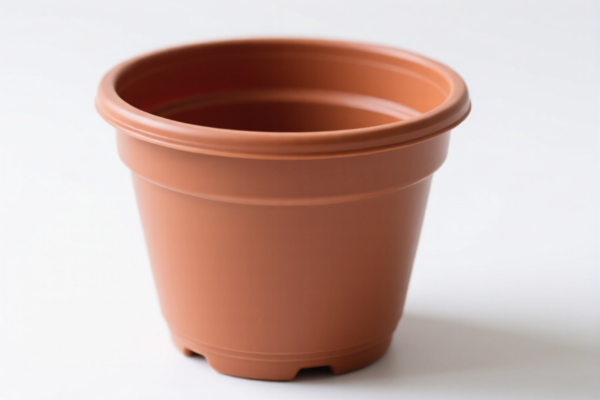
AI Analysis
🌸 Flower Pot (Garden Vessel)
🌐 HS Code Reference & Clearance Guide | 2026 Latest Tax Rules | Strategic Customs Strategy
📌 I. Product Definition & Classification: Do You Really Know "Flower Pots"?
Flower pots are essential containers for horticulture, indoor decoration, and commercial landscaping. In international trade, they are classified based on material composition, function, and chemical/physical properties. Unlike generic "household items," flower pots have distinct classifications depending on whether they are ceramic, plastic, or composite materials.
⚠️ Key Distinction:
- Ceramic/Porcelain (e.g., terracotta, glazed clay) → Strictly classified under Chapter 69.
- Plastic/Resin (e.g., polyethylene, polypropylene) → Classified under Chapter 39.
- Misclassification Risk: Reporting a ceramic pot as "plastic" or vice versa leads to 25% tariff penalties and potential seizure.
📦 II. HS Code Classification Details (2026 Latest Tax Rules)
Based on the current data, here is the authoritative breakdown for Flower Pots:
| HS Code | Product Description | Material Type | Total Tax Rate | Key Tax Components |
|---|---|---|---|---|
| 6912.00.48.10 | Ceramic Flower Pot (Ceramic household item) | Ceramic / Porcelain | 19.8% | Base: 9.8% + Section 122: 10% |
| 6912.00.50.00 | Non-Porcelain Flower Pot (Plastic/Resin mix) | Non-Porcelain | 16.0% | Base: 6.0% + Section 122: 10% |
| 3924.10.40.00 | Unspecified Material Pot (Other household goods) | Unclear / Mixed | 13.4% | Base: 3.4% + Section 122: 10% |
| 3924.90.56.50 | Plastic Flower Pot (Plastic household item) | Plastic / Resin | 20.9% | Base: 3.4% + Added: 7.5% + Section 122: 10% |
| 6914.10.80.00 | Explicitly Ceramic Pot (Ceramic household item) | Ceramic | 44.0% | Base: 9.0% + Added: 25.0% + Section 122: 10% |
🔍 Critical Analysis:
- Why the difference?
-6912.00.48.10vs.6914.10.80.00: Both are ceramic, but6914attracts a 25% "Added Duty" (likely a punitive or specific trade measure), pushing the total to 44%.
-3924.10.40.00vs.3924.90.56.50: Plastic pots have two paths. If categorized as "Other," tax is 20.9% (due to 7.5% added duty). If "Unspecified," tax is only 13.4%, but this is risky if material is actually plastic.
- Section 122: Applies to all categories listed above (10% surcharge).
💰 III. 2026 Latest Tariff Rate Breakdown (Detailed Tax Clauses)
✅ Applicable Country: Importing Market (Based on "Section 122" clause context)
✅ Origin: China (CN)
✅ Effective Date: 2025-11-10 onwards (Including subsequent imports)
🎯 1. 6912.00.48.10 —— Standard Ceramic Flower Pot
| Item | Content |
|---|---|
| Base Tax | 9.8% (Standard MFN rate) |
| Section 122 Duty | +10.0% (Specific punitive/additional tariff) |
| Total Tax | 19.8% |
| Added Duty | 0.0% |
| Tax Calculation | CIF Value × 19.8% |
| Legal Basis | HS: 6912.00.48.10 + Section 122 Clause |
📌 Explanation:
- This is the safest and most common classification for standard ceramic pots.
- Total cost impact is moderate (~20%).
🎯 2. 6912.00.50.00 —— Non-Porcelain Flower Pot
| Item | Content |
|---|---|
| Base Tax | 6.0% |
| Section 122 Duty | +10.0% |
| Total Tax | 16.0% |
| Added Duty | 0.0% |
| Tax Calculation | CIF Value × 16.0% |
📌 Note:
- Applies to pots made of stone, concrete, or non-porcelain ceramic.
- Lower base rate than pure porcelain, but still subject to Section 122.
🎯 3. 3924.10.40.00 —— Unspecified Material Pot
| Item | Content |
|---|---|
| Base Tax | 3.4% |
| Section 122 Duty | +10.0% |
| Total Tax | 13.4% |
| Added Duty | 0.0% |
| Tax Calculation | CIF Value × 13.4% |
⚠️ Warning:
- This code is for "Other household goods" where material is not clearly defined.
- Risk: If customs inspect and find it is actually plastic, they may reclassify to3924.90.56.50(higher tax).
🎯 4. 3924.90.56.50 —— Plastic Flower Pot
| Item | Content |
|---|---|
| Base Tax | 3.4% |
| Added Duty | +7.5% (Specific trade penalty) |
| Section 122 Duty | +10.0% |
| Total Tax | 20.9% |
| Tax Calculation | CIF Value × 20.9% |
📌 Note:
- Highest base penalty for plastic (7.5%) in addition to Section 122.
- Common for mass-produced resin pots.
🎯 5. 6914.10.80.00 —— Explicitly Ceramic Pot (High Penalty)
| Item | Content |
|---|---|
| Base Tax | 9.0% |
| Added Duty | +25.0% (Severe punitive measure) |
| Section 122 Duty | +10.0% |
| Total Tax | 44.0% |
| Tax Calculation | CIF Value × 44.0% |
⚠️ CRITICAL ALERT:
- Do NOT use this code unless the product exactly matches the narrow definition of6914.10.80.00.
- If your product is a standard ceramic pot (6912), never classify as6914to avoid 44% tax.
- This category likely represents specialized/industrial ceramic vessels or a specific trade restriction category.
🛠️ IV. Clearance Practical Advice (Pitfall Avoidance)
✅ 1. Preparation Checklist (Must-Haves)
| Document | Required | Explanation |
|---|---|---|
| ✅ Material Certificate | ✔️ | Must explicitly state "Ceramic", "Plastic", or "Resin". |
| ✅ Product Photos | ✔️ | Show texture (glazed vs. matte) to distinguish ceramic types. |
| ✅ Declaration Form | ✔️ | Clearly specify "Flower Pot" + "Material: Ceramic/Plastic". |
| ✅ Bill of Lading | ✔️ | Ensure packaging description matches HS Code logic. |
✅ 2. Declaration Tips (Key Mantras)
🔥 "Material First, Code Second: Avoid 44% Trap!"
| Scenario | Correct Declaration | Wrong Action |
|---|---|---|
| Standard Ceramic Pot | 6912.00.48.10 | Misdeclare as 6914 → 44% tax |
| Plastic/Resin Pot | 3924.90.56.50 | Misdeclare as 3924.10 → Risk of audit |
| Unclear Material | 3924.10.40.00 | Use only if material is truly undefined |
| "Household Item" | 3924.10.40.00 | Only if not clearly plastic or ceramic |
💡 Strategy:
- If the pot is glazed and fired clay, use 6912.00.48.10.
- If the pot is molded plastic, use 3924.90.56.50 (accept 20.9% tax, avoid fraud).
- Never claim "Ceramic" for a6914classification unless you are 100% sure it qualifies for the 25% added duty category (likely a mistake).
✅ 3. Special Handling
| Situation | Advice |
|---|---|
| Mixed Materials (e.g., Ceramic body + Plastic liner) | Declare based on primary material (usually the outer shell). |
| Custom Designs | Provide detailed design specs to avoid "Unspecified" classification. |
| Section 122 Impact | Factor 10% additional cost into all quotes. |
| Avoid 44% Tax | Double-check if 6914.10.80.00 applies. It is likely too high for standard pots. |
🌍 V. Market Comparison (2026 Overview)
| Country/Region | Recommended HS Code | Tax Rate | Notes |
|---|---|---|---|
| US (Standard) | 6912.00.48.10 |
19.8% | Best for ceramic |
| US (Plastic) | 3924.90.56.50 |
20.9% | Includes 7.5% added tax |
| EU | 6912.00.48.10 |
~6.5% | Lower base rates, no Section 122 |
| China | 6912.00.48.10 |
~10% | Domestic production incentives |
📌 Conclusion:
- Section 122 is the dominant factor driving costs in the target market (10% surcharge on everything).
- Ceramic (6912) is generally cheaper than Plastic (3924) if the plastic triggers the 7.5% added duty.
- Avoid6914unless your product is a specific, high-value industrial vessel.
📌 VI. Common Errors & Pitfalls (Lessons Learned)
❌ Mistake 1: Classifying standard ceramic pots as 6914.10.80.00
👉 Result: 44% Tax vs. 19.8% → Loss of 24.2% margin!
❌ Mistake 2: Declaring plastic pots as "Unspecified" (3924.10.40.00) to avoid 7.5% added duty
👉 Result: Customs audit → Reclassification + Penalty.
❌ Mistake 3: Ignoring Section 122 (10% flat surcharge)
👉 Result: Underestimating landed cost by 10% of CIF.
✅ Correct Approach:
"Ceramic Flower Pot, Glazed, 12 inch, 6912.00.48.10, 19.8% Total Tax"
"Plastic Flower Pot, Resin, Outdoor, 3924.90.56.50, 20.9% Total Tax"
🎯 VII. Conclusion: Precision in Classification Saves Money!
🎯 Remember the Mantra:
🔹 "Ceramic 6912 (19.8%), "Plastic 3924 (20.9%), "Avoid 6914 (44%!).
🔹 "Section 122 applies to ALL (10%), "Material matters most!
📌 Pro Tip:
If your product is standard ceramic, always aim for
6912.00.48.10.
If it is plastic, accept3924.90.56.50but ensure the material is 100% plastic.
Never guess the HS Code; a wrong code can cost you 24% more in taxes.
📣 Action Now:
📞 Verify Material + 📄 Check HS Code + 🚀 Calculate 10% Surcharge
🛡️ Protect your margins with the correct declaration!
✨ Professional Clearance Starts with Accurate HS Codes!
💼 Every dollar saved starts with the right classification!
Customer Reviews
About HS Code Classification
The Harmonized System (HS) is an internationally standardized nomenclature developed by the World Customs Organization (WCO) to classify traded products. Over 200 countries use the HS system as the basis for customs tariffs, trade statistics, and import/export regulations.
Each HS code follows a hierarchical structure:
- Chapter (2 digits) — Broad category of goods (e.g., Chapter 84: Machinery and Mechanical Appliances)
- Heading (4 digits) — More specific grouping within the chapter
- Subheading (6 digits) — Internationally standardized breakdown, used by all WCO member countries
- National subdivisions (8-10 digits) — Country-specific extensions for further classification, such as US HTSUS 10-digit codes
Correct HS code classification is essential for smooth customs clearance, accurate duty payment, and compliance with trade regulations. Misclassification can lead to customs delays, overpayment of duties, or penalties.
When importing from CN to US, the applicable tariff rates may include:
- Most-Favored-Nation (MFN) rate — The standard duty rate applied to WTO members
- General rate — Applied to countries without trade agreements
- Trade remedy duties — Additional tariffs such as Section 301 (anti-dumping), Section 232 (national security), or countervailing duties
The information provided on this page is for reference purposes only. For official classification, please consult with your local customs authority or a licensed customs broker.