Flower Pot Base
CN → US| HS Code | Tariff Rate | Origin | Destination | Doc |
|---|---|---|---|---|
| 6810990080 | 35.0% | CN | US | Official Doc |
| 6810195000 | 38.9% | CN | US | Official Doc |
| 6914108000 | 44.0% | CN | US | Official Doc |
| 6914908000 | 40.6% | CN | US | Official Doc |
| 3926305000 | 22.8% | CN | US | Official Doc |
| 3926909989 | 22.8% | CN | US | Official Doc |
Product Images
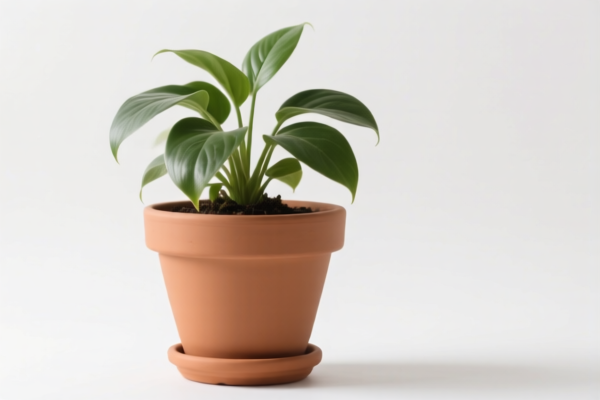
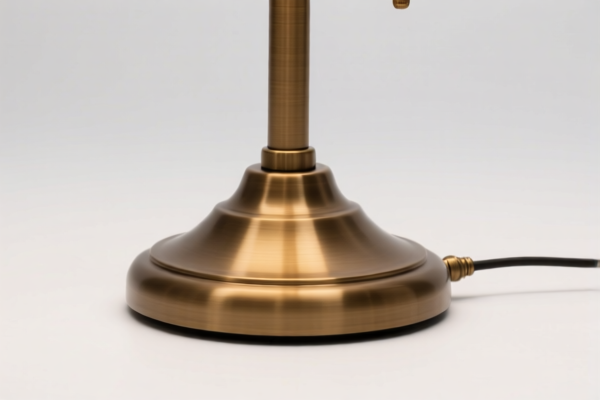
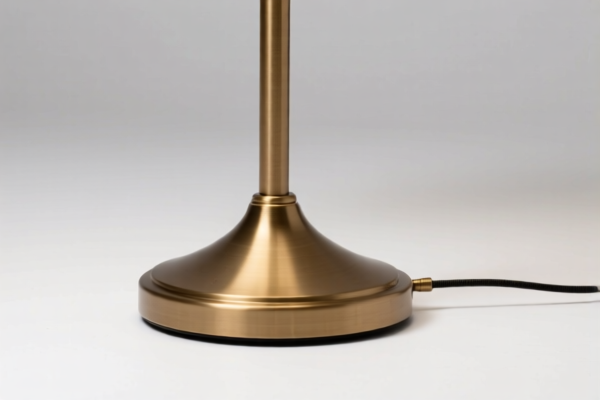
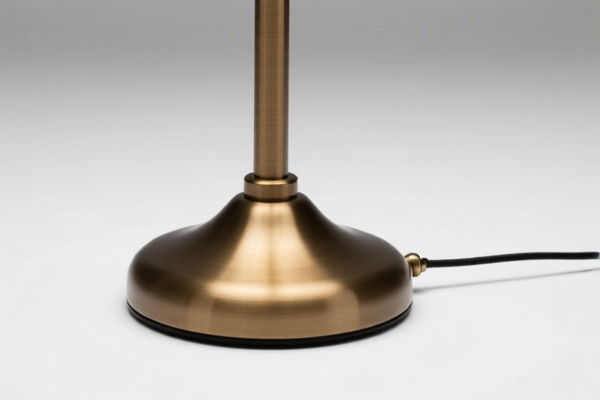
AI Analysis
🌸 Flower Pot Base (Planters, Saucers & Supporting Bases)
🌐 HS Code Reference & Clearance Guide | 2026 Latest Tariff Analysis | Professional Customs Strategy
📌 I. Product Definition & Classification: Do You Know the Difference Between a "Pot" and a "Base"?
In the world of botany and interior design, the Flower Pot Base is a critical component for stability, drainage, and aesthetics. However, in international trade, its classification depends entirely on its material composition:
Ceramic/China Bases: Often decorative, glazed, or unglazed ceramic pieces (saucers, stands). Concrete/Stone Bases: Heavy-duty, functional, often used for large potted plants or outdoor landscaping. Plastic Bases: Lightweight, modular, often used for hydroponic systems or nursery trays.
⚠️ Key Distinction Points:
- If made of Porcelain/China (delicate, glazed) → 6914.10.80.00
- If made of Other Ceramics (earthenware, stoneware, unglazed) → 6914.90.80.00
- If made of Cement/Concrete/Artificial Stone → 6810.99.00.80 or 6810.19.50.00
- If made of Plastic (fittings or general articles) → 3926.30.50.00 or 3926.90.99.89
📦 II. HS Code Classification Breakdown (2026 Latest Tariff Authority)
Based on the provided data, here is the precise mapping for Flower Pot Bases:
| HS Code | Product Description | Material Composition | Applicable Scenario |
|---|---|---|---|
6914.10.80.00 |
Other ceramic articles: Of porcelain or china: Other | Porcelain/China (High-fired, glazed, delicate) | Decorative ceramic saucers, high-end garden pot bases, luxury indoor plant stands. |
6914.90.80.00 |
Other ceramic articles: Other: Other | Other Ceramics (Earthenware, stoneware, unglazed) | Rustic clay bases, terracotta saucers, heavy-duty unglazed ceramic supports. |
6810.99.00.80 |
Articles of cement, concrete or artificial stone: Other articles: Other | Cement/Concrete/Artificial Stone | Heavy outdoor planters, concrete plant bases, landscaping stones used as bases. |
6810.19.50.00 |
Articles of cement...: Tiles, flagstones, bricks...: Other | Concrete/Paving (Tile/Flagstone type) | Concrete slabs or flagstone pieces specifically shaped/used as a base platform. |
3926.30.50.00 |
Other articles of plastics...: Fittings for furniture...: Other | Plastic Fittings | Plastic pot saucers, adjustable plant pot feet, modular plastic stand components. |
3926.90.99.89 |
Other articles of plastics...: Other: Other | General Plastic | Miscellaneous plastic plant holders, generic pot trays not classified as "fittings". |
🔍 Critical Reminder:
- Material is King: The same shape (a saucer) can have wildly different HS codes based on whether it is Porcelain (6914.10), Earthenware (6914.90), Concrete (6810), or Plastic (3926). - Function vs. Material: Even if a concrete base is used as a "stand," it is classified under the Stone/Cement chapter (68), not the "Furniture" chapter.
💰 III. 2026 Latest Tariff Rate Analysis (Detailed Breakdown)
✅ Applicable Country: US (United States)
✅ Origin: China (CN)
✅ Effective Time: 2025+ (Including 301 Tariffs)
✅ Tax Logic: Base Tariff (MFN) + Section 301 Additional Tariffs
🎯 1. 6914.10.80.00 — Porcelain/China Bases (High-End)
| Item | Content |
|---|---|
| Base Tariff (MFN) | 0.0% |
| Additional Tariff (Section 301) | 0.0% |
| Total Tax Rate | 0.0% |
| Tax Detail | Base: 0.0%, Additional: 0.0% |
| Legal Basis | Harmonized Tariff Schedule (HTS) |
📌 Interpretation:
- Excellent News! High-quality Porcelain and China flower pot bases enjoy zero duty from the US. - No Section 301 penalties apply to this specific subheading. - Strategy: If your product is true porcelain (white, translucent, high-fired), this is the most cost-effective route.
🎯 2. 6914.90.80.00 — Other Ceramic Bases (Terracotta/Stoneware)
| Item | Content |
|---|---|
| Base Tariff (MFN) | 5.6% |
| Additional Tariff (Section 301) | 25.0% |
| Total Tax Rate | 30.6% |
| Tax Detail | Base: 5.6%, Additional: 25.0% |
| Legal Basis | HTS 6914 + Section 301 List 4A |
📌 Interpretation:
- High Cost Alert! If your "pot base" is made of earthenware, terracotta, or stoneware (not porcelain), the combined tax is 30.6%. - This is a significant burden. Importers must consider: - Re-classification: Can it be proven to be a "furniture fitting" (Plastic)? - Supplier Location: Can production be moved to Vietnam/Mexico for duty-free entry (if applicable)? - Value-Add: Ensure the product isn't easily misclassified; customs may challenge "Other Ceramic" to the higher rate.
🎯 3. 6810.99.00.80 — Concrete/Cement Bases
| Item | Content |
|---|---|
| Base Tariff (MFN) | 0.0% |
| Additional Tariff (Section 301) | 25.0% |
| Total Tax Rate | 25.0% |
| Tax Detail | Base: 0.0%, Additional: 25.0% |
| Legal Basis | HTS 6810 + Section 301 |
📌 Interpretation:
- Moderate-High Cost. While the base duty is 0%, the Section 301 surcharge of 25% applies. - Concrete bases are heavy and expensive to ship; adding 25% duty significantly impacts the Landed Cost. - Strategy: If the item is a "Tile/Flagstone" (6810.19.50.00), the tax might be lower (see below).
🎯 4. 6810.19.50.00 — Concrete Tiles/Flagstones (as Bases)
| Item | Content |
|---|---|
| Base Tariff (MFN) | 0.0% |
| Additional Tariff (Section 301) | 0.0% |
| Total Tax Rate | 0.0% |
| Tax Detail | Base: 0.0%, Additional: 0.0% |
| Legal Basis | HTS 6810 |
📌 Interpretation:
- Zero Duty Strategy! If your "base" is technically a tile, flagstone, or brick used as a platform (e.g., a flat concrete slab under a pot), it qualifies for 0.0% total tax. - Crucial: You must prove the item is a "tile/flagstone" in function, not just a "pot stand." - Documentation: Provide photos showing the item is flat, thin, and used as a paving material.
🎯 5. 3926.30.50.00 — Plastic Fittings (Furniture-like)
| Item | Content |
|---|---|
| Base Tariff (MFN) | 0.0% |
| Additional Tariff (Section 301) | 0.0% |
| Total Tax Rate | 0.0% |
| Tax Detail | Base: 0.0%, Additional: 0.0% |
| Legal Basis | HTS 3926 |
📌 Interpretation:
- Best for Plastic! If the plastic base is designed as a fitting for furniture (e.g., adjustable pot feet, leveling pads, modular stand components), it enjoys 0.0% duty. - Strategy: Market plastic pot bases as "Furniture Accessories" or "Pot Leveling Fittings" rather than generic "Plant Trays."
🎯 6. 3926.90.99.89 — Other Plastic Articles (Generic)
| Item | Content |
|---|---|
| Base Tariff (MFN) | 5.3% |
| Additional Tariff (Section 301) | 7.5% |
| Total Tax Rate | 12.8% |
| Tax Detail | Base: 5.3%, Additional: 7.5% |
| Legal Basis | HTS 3926 + Section 301 |
📌 Interpretation:
- Moderate Cost. Generic plastic trays or non-fitting bases fall here. - Comparison: This is significantly cheaper than Ceramic (30.6%) or Concrete (25.0%), but more expensive than "Fittings" (0.0%). - Action: If possible, redesign the plastic base to qualify as a "furniture fitting" (3926.30.50) to save 12.8% in duties.
🛠️ IV. Customs Clearance Practical Suggestions (Pitfall Avoidance)
✅ 1. Material Verification (The "Gold Standard")
Before shipping, you must have a lab report or manufacturer certificate confirming the exact material. | Scenario | Risk | Solution | | :--- | :--- | :--- | | Claiming "Porcelain" but it's "Earthenware" | Tax Jump: 0% → 30.6% | Get a chemical composition test to prove high-firing porcelain. | | Claiming "Concrete Tile" but it's a "Heavy Stand" | Tax Jump: 0% → 25.0% | Design the product as a flat slab (flagstone) or provide architectural usage photos. | | Claiming "Plastic Fitting" but it's a "Tray" | Tax Jump: 0% → 12.8% | Use terminology like "Adjustable Pot Leveling Fitting" instead of "Plant Saucer." |
✅ 2. Declaration Strategy (Naming Matters)
Customs officers rely heavily on the Commercial Invoice Description. - ❌ Bad Description: "Ceramic Flower Pot Base" (Vague, risks 30.6%) - ✅ Good Description: "Porcelain Decorative Plant Saucer, High-Fired, 0% Duty" - ✅ Good Description: "Concrete Flagstone for Garden Landscaping, 0% Duty" - ✅ Good Description: "Plastic Furniture Fitting - Adjustable Pot Base, 0% Duty"
✅ 3. Special Cases & Tips
- Set Imports: If a pot and base are sold together, declare them separately if possible. If the pot is 30.6% and the base is 0%, separating them might help, but often they are treated as a "set" under the highest rate principle.
- Artificial Stone: Ensure the "Artificial Stone" base isn't classified as a "Tile" (0%) if it has a specific 3D shape (25%).
- Plastic Color: If the plastic base is painted or colored, ensure it doesn't trigger different subheadings that might carry higher rates (though in this list, both plastic options have low/zero rates).
🌍 V. Global Market Comparison (2026 Outlook)
| Region | Recommended HS Code | Estimated Duty | Notes |
|---|---|---|---|
| 🇺🇸 USA | 6914.10.80 / 6810.19.50 / 3926.30 |
0% | Critical: Avoid 6914.90 (30.6%) and 6810.99 (25%). |
| 🇪🇺 EU | Similar ceramic codes | 0% - 6.5% | Generally lower Section 301 impact, but VAT applies (19-27%). |
| 🇨🇦 Canada | Similar codes | 0% - 5% | Lower additional tariffs, but complex HS rules for stone/plastic. |
| 🇦🇺 Australia | Similar codes | 0% - 5% | GSP/GSAA benefits may apply for developing nations. |
📌 Conclusion:
- USA is the most complex market for Flower Pot Bases due to Section 301 tariffs. - Porcelain and Concrete Tiles are the 0% Champions. - Plastic Fittings are the Best Alternative for synthetic bases. - Avoid: Generic "Other Ceramics" (6914.90.80) unless you have no other choice (30.6% is steep).
📌 VI. Common Mistakes & Avoidance (Lessons Learned)
❌ Mistake 1: Calling a Terracotta saucer "Porcelain" to get 0% duty.
👉 Consequence: Customs audit → Re-classification to 6914.90.80 → Back Taxes + 30.6% + Penalties.
❌ Mistake 2: Declaring a concrete pot base as "Concrete Tile" (6810.19) when it is a 3D stand.
👉 Consequence: Denied clearance → 25% Duty or Demurrage fees.
❌ Mistake 3: Grouping Plastic Tray + Pot together without specifying the base material.
👉 Consequence: Misclassification risk → 12.8% Tax instead of potentially 0% for fittings.
✅ Correct Action:
"Provide material safety data sheet (MSDS) or ceramic composition report."
"Use specific HS Code descriptions on the invoice: 'Porcelain Saucer' vs 'Concrete Flagstone' vs 'Plastic Fitting'."
🎯 VII. Final Verdict: Strategic Importing
🎯 The Golden Rule:
"Material Defines Duty, Description Defines Clearance."
- Porcelain? → 0% ✅
- Concrete Tile? → 0% ✅
- Plastic Fitting? → 0% ✅
- Concrete Stand? → 25% ⚠️
- Ceramic (Non-Porcelain)? → 30.6% ⚠️⚠️
Pro Tip: If you are importing Terracotta bases, consider restructuring the product line to include Plastic Fittings or Porcelain to save 30.6% in duties. For Concrete, ensure the design is flat (Tile/Flagstone) to hit 0%.
📌 Next Steps:
1. Verify material composition with your factory.
2. Adjust product naming (Invoice/Description) to match the 0% HS Code.
3. Prepare Material Test Reports for Customs submission.
4. Avoid generic "Ceramic" descriptions; be specific!
🚀 Smart Classification = Maximized Profit!
✨ Your Flower Pot Bases can cross borders tax-free if classified correctly.
Customer Reviews
About HS Code Classification
The Harmonized System (HS) is an internationally standardized nomenclature developed by the World Customs Organization (WCO) to classify traded products. Over 200 countries use the HS system as the basis for customs tariffs, trade statistics, and import/export regulations.
Each HS code follows a hierarchical structure:
- Chapter (2 digits) — Broad category of goods (e.g., Chapter 84: Machinery and Mechanical Appliances)
- Heading (4 digits) — More specific grouping within the chapter
- Subheading (6 digits) — Internationally standardized breakdown, used by all WCO member countries
- National subdivisions (8-10 digits) — Country-specific extensions for further classification, such as US HTSUS 10-digit codes
Correct HS code classification is essential for smooth customs clearance, accurate duty payment, and compliance with trade regulations. Misclassification can lead to customs delays, overpayment of duties, or penalties.
When importing from CN to US, the applicable tariff rates may include:
- Most-Favored-Nation (MFN) rate — The standard duty rate applied to WTO members
- General rate — Applied to countries without trade agreements
- Trade remedy duties — Additional tariffs such as Section 301 (anti-dumping), Section 232 (national security), or countervailing duties
The information provided on this page is for reference purposes only. For official classification, please consult with your local customs authority or a licensed customs broker.