Flower Pot Feet
CN → US| HS Code | Tariff Rate | Origin | Destination | Doc |
|---|---|---|---|---|
| 6912005000 | 16.0% | CN | US | Official Doc |
| 6912004810 | 19.8% | CN | US | Official Doc |
| 3924104000 | 13.4% | CN | US | Official Doc |
| 3924905650 | 20.9% | CN | US | Official Doc |
Product Images
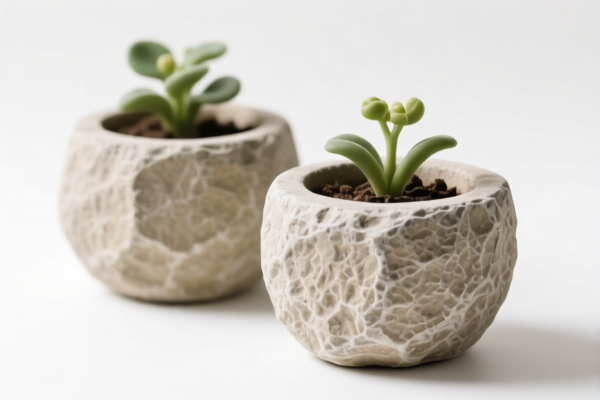
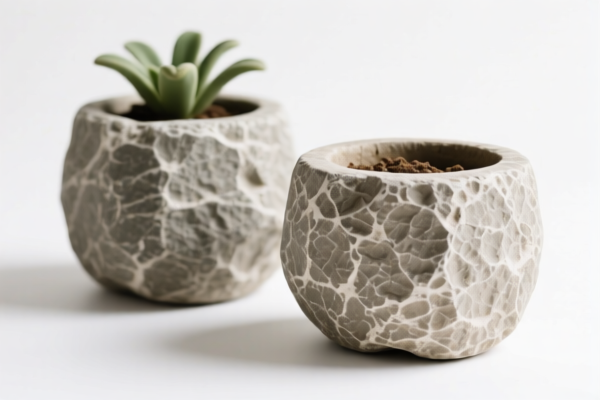
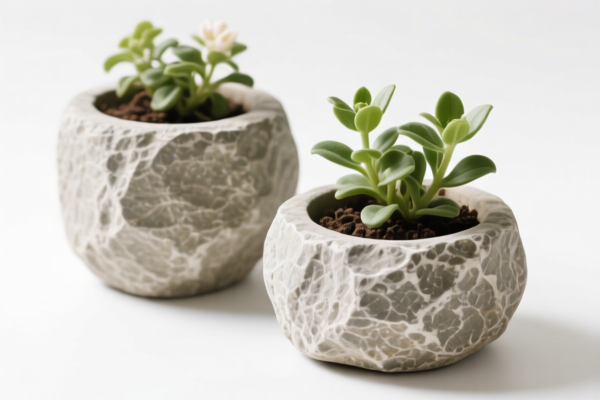

AI Analysis
🌿 Flower Pot Feet (Planters & Stand Accessories)
🌐 HS Code Reference & Customs Clearance Guide | 2026 Latest Tariff Analysis | Professional Clearance Strategy
📌 Part I: Product Definition & Classification: Do You Really Understand "Flower Pot Feet"?
Flower Pot Feet (often referred to as planters, pots, or gardening containers) are essential household and gardening articles used to hold soil and plants. In international trade, the classification depends heavily on the material composition and specific use. Since the input "Flower Pot Feet" is generic, customs authorities often infer the material based on common market varieties. The four potential HS Codes provided below cover the most likely scenarios: Ceramic, Plastic, and Other Non-Ceramic Materials.
⚠️ Key Distinction Points: - Ceramic Material: If the pot is made of fired clay/ceramic (common for decorative indoor/outdoor use) → Go to 6912. - Plastic Material: If the pot is made of polyethylene, polypropylene, or other plastics → Go to 3924. - Other Materials (Resin, etc.): If made of non-ceramic, non-plastic materials (e.g., resin, composite) → May fall under 6912.00.50.00 (Other household articles) or 3924.10.40.00 (Household articles of plastic, though some resin products may be classified here as "other" if not strictly plastic).
📦 Part II: HS Code Classification Details (2026 Latest Tariff Authority Comparison)
| HS Code | Product Description | Applicable Scenario | Material Inference |
|---|---|---|---|
6912.00.48.10 |
Ceramic tableware, kitchenware, other household articles & toilet articles | Decorative ceramic pots, terra cotta planters | ✅ Ceramic (Clay/Ceramic) |
6912.00.50.00 |
Other household articles & toilet articles (Non-Ceramic) | Pots made of plastic, resin, or other non-ceramic materials not elsewhere specified | ✅ Non-Ceramic (Plastic/Resin/Other) |
3924.10.40.00 |
Tableware & Kitchenware / Household Articles (Plastic) | Plastic pots, greenhouse trays, generic household plastic containers | ✅ Plastic (Household Articles) |
3924.90.56.50 |
Other Plastic Household Articles | Plastic pots falling under general "other plastic household goods" category | ✅ Plastic (General Other) |
🔍 Key Reminder: - Ceramic Pots: Must be clearly identified as ceramic. Misclassifying ceramic as plastic can lead to penalties. - Plastic Pots: The distinction between
3924.10.40.00(Tableware/Kitchenware/Household) and3924.90.56.50(Other) depends on the specific design and whether it fits the "household article" definition broadly. Both are plastic but have different base rates. - No Material Specified: If the material is unknown, customs may infer based on "common sense" or default to the most common material (Plastic or Ceramic), or use the "other" category.
💰 Part III: 2026 Latest Tariff Rate Breakdown (Including Additional Taxes, Policy Surcharges)
✅ Applicable Country: United States (US)
✅ Country of Origin: China (CN)
✅ Effective Date: From November 10, 2025 (including subsequent imports)
🎯 1. 6912.00.48.10 —— Ceramic Planters / Flower Pots
| Item | Content |
|---|---|
| Base Tariff Rate | 9.8% (ad valorem) |
| Section 301 Additional Tariff | 0.0% |
| Section 122 Tariff (IEEPA) | +10% (Against China/HK products) |
| Total Tariff Rate | 19.8% |
| Tax Calculation | CIF Value × 19.8% |
| De Minimis Eligibility | ❌ Not Eligible (deny_de_minimis) |
| Legal Basis Path | IEEPA:9903.01.25 → USITC:6912.00.48.10 → FOOTNOTE:122 |
📌 Explanation: - Base Tariff: 9.8% for ceramic household articles. - Section 122 Tariff: An additional 10% is applied to Chinese-origin goods. - No Section 301: Ceramic pots are generally exempt from the 25% Section 301 tariffs that apply to electronics or steel. - Total: 19.8% is the final rate.
🎯 2. 6912.00.50.00 —— Other Household Articles (Non-Ceramic)
| Item | Content |
|---|---|
| Base Tariff Rate | 6.0% (ad valorem) |
| Section 301 Additional Tariff | 0.0% |
| Section 122 Tariff (IEEPA) | +10% (Against China/HK products) |
| Total Tariff Rate | 16.0% |
| Tax Calculation | CIF Value × 16.0% |
| De Minimis Eligibility | ❌ Not Eligible (deny_de_minimis) |
| Legal Basis Path | IEEPA:9903.01.25 → USITC:6912.00.50.00 → FOOTNOTE:122 |
📌 Explanation: - Base Tariff: 6.0% for "other" ceramic/household articles not specified elsewhere. - Section 122 Tariff: Additional 10% for Chinese origin. - Total: 16.0%. This code is often used for non-ceramic, non-plastic, or ambiguous materials when classified under Chapter 69.
🎯 3. 3924.10.40.00 —— Plastic Household Articles (Other)
| Item | Content |
|---|---|
| Base Tariff Rate | 3.4% (ad valorem) |
| Section 301 Additional Tariff | 0.0% |
| Section 122 Tariff (IEEPA) | +10% (Against China/HK products) |
| Total Tariff Rate | 13.4% |
| Tax Calculation | CIF Value × 13.4% |
| De Minimis Eligibility | ❌ Not Eligible (deny_de_minimis) |
| Legal Basis Path | IEEPA:9903.01.25 → USITC:3924.10.40.00 → FOOTNOTE:122 |
📌 Explanation: - Base Tariff: 3.4% for plastic household articles. - Section 122 Tariff: Additional 10% for Chinese origin. - Total: 13.4%. This is one of the most common codes for plastic pots.
🎯 4. 3924.90.56.50 —— Other Plastic Household Articles (With Section 301)
| Item | Content |
|---|---|
| Base Tariff Rate | 3.4% (ad valorem) |
| Section 301 Additional Tariff | +7.5% (USITC Footnote 9903.88.01 / Section 301) |
| Section 122 Tariff (IEEPA) | +10% (Against China/HK products) |
| Total Tariff Rate | 20.9% |
| Tax Calculation | CIF Value × 20.9% |
| De Minimis Eligibility | ❌ Not Eligible (deny_de_minimis) |
| Legal Basis Path | IEEPA:9903.01.25 → USITC:3924.90.56.50 → FOOTNOTE:301 → FOOTNOTE:122 |
📌 Explanation: - Base Tariff: 3.4% for other plastic household articles. - Section 301 Tariff: An additional 7.5% is applied. Note: Not all plastic household items are subject to Section 301, but this specific subheading includes it. - Section 122 Tariff: Additional 10% for Chinese origin. - Total: 20.9%. This is the highest rate among the options, so precise classification is critical to avoid overpayment.
🛠️ Part IV: Customs Clearance Practical Advice (Real-World Pitfall Avoidance)
✅ 1. Preparation Checklist (All Documents Required)
| Document | Required | Description |
|---|---|---|
| ✅ Product Specification Sheet | ✔️ | Must include Material (Ceramic, Plastic, Resin, etc.), Dimensions, Weight, Capacity |
| ✅ Product Photos | ✔️ | Clear images showing the product, texture, and any branding. Crucial for material verification. |
| ✅ Commercial Invoice | ✔️ | Must accurately describe the product as "Flower Pot" or "Planter" and state the material. |
| ✅ Packing List | ✔️ | Detail contents per box. Avoid vague terms like "Gardening Supplies." |
| ✅ Material Certificate | ✔️ | If possible, provide a manufacturer's statement confirming the material (e.g., "100% Polypropylene"). |
| ✅ Origin Certificate (CO) | ✔️ | To prove Chinese origin for tariff calculation. |
✅ 2. Declaration Tips (Key Mantras)
🔥 "Material is King, Description is Queen, HS Code is the Crown!"
| Scenario | Correct Declaration | Wrong Approach |
|---|---|---|
| Ceramic Pot | "Ceramic Flower Pot, 10-inch, Glazed, For Indoor/Outdoor Use" | Misdeclaring as "Plastic" → 13.4% vs 19.8% (Potential Penalty) |
| Plastic Pot | "Plastic Flower Pot, PP Material, 5L Capacity" | Misdeclaring as "Ceramic" → 19.8% vs 13.4% (Overpayment) |
| Resin/Other | "Resin Plant Pot, Decorative Style" | Vague "Gardening Accessory" → May be audited and reclassified |
| Mixed Packaging | Declare the main item (Pot) clearly. Don't hide pots under "Miscellaneous." | Splitting one pot into multiple parts to lower rates → Fraud Risk |
✅ 3. Special Handling
| Situation | Advice |
|---|---|
| Ambiguous Material | If the material is unclear (e.g., "composite"), provide a detailed description. Customs may infer based on appearance. Better to declare the likely material and be ready to prove it. |
| OEM/Custom Design | Provide design drawings and material specs to justify the HS Code. |
| Section 301 Impact | For 3924.90.56.50, the 7.5% Section 301 tariff applies. If you can reclassify to 3924.10.40.00 (if eligible), you save 7.5%. Consult a customs broker. |
| De Minimis Exemption | ❌ None of these codes qualify for De Minimis (Section 321) exemption. All shipments are subject to full duty collection. |
🌍 Part V: Global Market Comparison (2026 Latest)
| Country/Region | Recommended HS Code | Tariff Rate (China Origin) | Certification Requirements | Notes |
|---|---|---|---|---|
| 🇺🇸 USA | 3924.10.40.00 (Plastic) |
13.4% | N/A | High tariffs apply to all Chinese goods. |
| 🇺🇸 USA | 6912.00.48.10 (Ceramic) |
19.8% | N/A | Ceramic has higher base rate. |
| 🇨🇳 China | 3924.10.40.00 |
5% | N/A | Lower base tariff. |
| 🇪🇺 EU | 3924.10.00 |
0% (Most FTA) | CE, REACH | No Section 301/122 equivalents. |
| 🇬🇧 UK | 3924.10.00 |
0% (Post-Brexit FTA) | UKCA | Check specific post-Brexit rules. |
📌 Conclusion: - USA Tariffs are High: Due to Section 122 (10%) and potentially Section 301 (up to 7.5% for some plastics), Chinese flower pots face significant duties. - Material Matters: Ceramic pots (19.8%) are taxed higher than most plastic pots (13.4% or 20.9%), but plastic pots in certain subheadings attract Section 301. - No De Minimis: Unlike small parcels, these goods are fully dutiable.
📌 Part VI: Common Errors & Pitfall Avoidance (Lessons Learned)
❌ Error 1: Declaring "Plastic Pot" when it's actually Ceramic
👉 Consequence: Underpayment of duty (13.4% vs 19.8%) → Penalties + Back Duties!
❌ Error 2: Vague Description "Gardening Tool"
👉 Consequence: Customs detention, reclassification, and delays.
❌ Error 3: Ignoring Section 122 Tariff
👉 Consequence: Assuming only base tariff applies → Underpayment by 10%!
❌ Error 4: Not Distinguishing Between 3924.10 and 3924.90
👉 Consequence: Misclassification leads to 20.9% instead of 13.4% → Unnecessary Cost Increase.
✅ Correct Practice:
"Plastic Flower Pot, 10-inch, Polypropylene, Outdoor Use, Model XYZ, Made in China"
🎯 Part VII: Conclusion: Professional Classification Saves Money!
🎯 Remember the Mantra:
🔹 "Material First, HS Code Second, Tariff Third!"
🔹 "Ceramic 19.8%, Plastic 13.4% or 20.9%, Don't Guess!"
🔹 "Section 122 is Always On for China, Add 10% Every Time!"
📌 Pro Tip: If your flower pots are originally from Vietnam, Mexico, or Thailand, you may apply for IEEPA Exemption or lower tariffs. Recommend Advance Ruling or consulting a customs broker to verify the exact material classification before shipment.
📣 Immediate Action:
📞 Contact a professional customs broker + Provide product photos + Verify material
🚀 Ensure your flower pots, clear customs smoothly, reduce costs, and boost profits!
✨ Professional Clearance Starts with Accurate Classification!
💼 Every cent of your cost deserves precise calculation!
Customer Reviews
About HS Code Classification
The Harmonized System (HS) is an internationally standardized nomenclature developed by the World Customs Organization (WCO) to classify traded products. Over 200 countries use the HS system as the basis for customs tariffs, trade statistics, and import/export regulations.
Each HS code follows a hierarchical structure:
- Chapter (2 digits) — Broad category of goods (e.g., Chapter 84: Machinery and Mechanical Appliances)
- Heading (4 digits) — More specific grouping within the chapter
- Subheading (6 digits) — Internationally standardized breakdown, used by all WCO member countries
- National subdivisions (8-10 digits) — Country-specific extensions for further classification, such as US HTSUS 10-digit codes
Correct HS code classification is essential for smooth customs clearance, accurate duty payment, and compliance with trade regulations. Misclassification can lead to customs delays, overpayment of duties, or penalties.
When importing from CN to US, the applicable tariff rates may include:
- Most-Favored-Nation (MFN) rate — The standard duty rate applied to WTO members
- General rate — Applied to countries without trade agreements
- Trade remedy duties — Additional tariffs such as Section 301 (anti-dumping), Section 232 (national security), or countervailing duties
The information provided on this page is for reference purposes only. For official classification, please consult with your local customs authority or a licensed customs broker.