Flower Toy
CN → US| HS Code | Tariff Rate | Origin | Destination | Doc |
|---|---|---|---|---|
| 9503000073 | 10.0% | CN | US | Official Doc |
| 9503000071 | 10.0% | CN | US | Official Doc |
| 6702104000 | 13.4% | CN | US | Official Doc |
| 6702903500 | 19.0% | CN | US | Official Doc |
| 3926400090 | 15.3% | CN | US | Official Doc |
Product Images
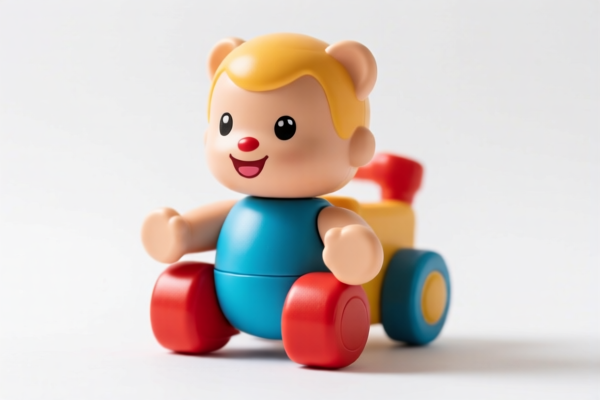
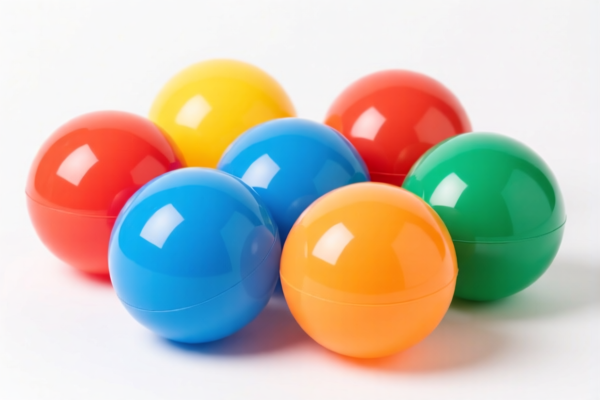
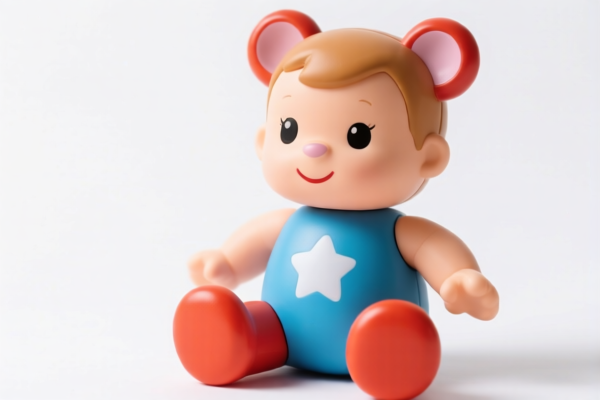
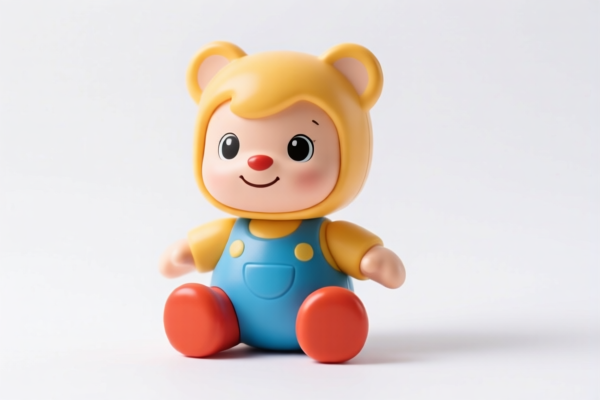
AI Analysis
🌸 Flower Toy – Comprehensive HS Code & Tariff Guide (2026 Update)
🌐 HS Code Classification & Customs Clearance Strategy | 2026 Latest Tariff Rules | Expert-Level Import Planning
📦 1. Product Definition & Classification: What Exactly Is a "Flower Toy"?
A "Flower Toy" is a decorative, play-oriented item designed to resemble real flowers but intended for recreational or imaginative use—often used in children’s play, pretend gardening, or as part of dollhouse accessories. Despite its floral appearance, its primary function is entertainment, not botanical or agricultural use.
⚠️ Key Classification Principle:
- If the item is not a real flower, not used for floral arrangements, and intended for play or imaginative use, it falls under toy classification. - The presence of “flower” in the name does not override functional purpose—function determines classification.
🧩 2. HS Code Breakdown (2026 Official Tariff Table – U.S. Focus)
| HS Code | Product Description | Classification Logic | Applicable Tax Rate |
|---|---|---|---|
9503.00.00.71 |
Toys representing flowers, dolls, or other play items; includes decorative toys for children's imaginative play | Matches "other toys" under HS 9503.00.00; "flower toy" fits within "playful floral figures" category | 10.0% Total Tax |
6702.10.40.00 |
Artificial flowers, not for floral arrangements, made of plastic or synthetic materials | Based on material (plastic) and non-agricultural use; fits "artificial flowers" category with no decorative intent | 13.4% Total Tax |
6702.90.35.00 |
Other artificial flowers, made of synthetic fibers or plastic, used as accessories or parts | Classified under "other artificial floral items"; fits components for toys or playsets | 19.0% Total Tax |
3926.40.00.90 |
Other plastic articles for decoration or ornamentation, not otherwise specified | If the flower toy is plastic-based and purely ornamental, it may fall here | 15.3% Total Tax |
🔍 Critical Insight:
- The same physical product can be classified under multiple HS codes, depending on intended use and product description. - "Flower Toy" is not a standalone category—it must be matched to purpose, material, and function.
💰 3. 2026 U.S. Tariff Breakdown (Detailed & Compliant)
🎯 1. 9503.00.00.71 – Flower Toy as a Play Item (Toy Classification)
| Tax Component | Rate | Legal Basis | Notes |
|---|---|---|---|
| Base Duty | 0.0% | U.S. HTSUS §9503.00.00 | Standard rate for toys |
| Section 301 (USITC) Tariff | 0.0% | Not applicable to this code | No additional 301 duties |
| Section 122 (IEEPA) Tariff | 10.0% | IEEPA: 9903.01.24 | Applies to China-origin goods under emergency economic powers |
| Total Effective Tax | 10.0% | — | CIF × 10% |
📌 Why This Applies:
- The product is marketed and used as a toy (e.g., for children’s play, dolls, pretend gardening).
- Even if it looks like a flower, its function is play, not decoration or agriculture.
- Matches "other toys" under 9503.00.00 — excludes "artificial flowers".
🎯 2. 6702.10.40.00 – Artificial Flowers (Plastic, Non-Decorative Use)
| Tax Component | Rate | Legal Basis | Notes |
|---|---|---|---|
| Base Duty | 3.4% | HTSUS §6702.10.40 | Standard rate for plastic artificial flowers |
| Section 301 Tariff | 0.0% | Not applicable | No 301 duty on this subheading |
| Section 122 (IEEPA) Tariff | 10.0% | IEEPA: 9903.01.24 | Applies to China-origin goods |
| Total Effective Tax | 13.4% | — | CIF × 13.4% |
📌 Why This Applies:
- The item is not marketed as a toy but as an artificial flower.
- Made of plastic, not natural materials.
- Used in non-play contexts (e.g., home decor, crafts).
- If no child play function is evident, this is the correct code.
🎯 3. 6702.90.35.00 – Other Artificial Floral Items (Synthetic Fiber/Plastic)
| Tax Component | Rate | Legal Basis | Notes |
|---|---|---|---|
| Base Duty | 9.0% | HTSUS §6702.90.35 | Higher base rate for non-standard artificial flowers |
| Section 301 Tariff | 0.0% | Not applicable | No 301 duty |
| Section 122 (IEEPA) Tariff | 10.0% | IEEPA: 9903.01.24 | Applies to China-origin goods |
| Total Effective Tax | 19.0% | — | CIF × 19.0% |
📌 Why This Applies:
- The product is not a full flower, but a component or part (e.g., petals, stems).
- Made of synthetic fiber or plastic.
- Used in toy sets, craft kits, or accessories.
- Falls under "other artificial floral items" — higher base duty due to material and complexity.
🎯 4. 3926.40.00.90 – Plastic Decorative Articles (Non-Specific Use)
| Tax Component | Rate | Legal Basis | Notes |
|---|---|---|---|
| Base Duty | 5.3% | HTSUS §3926.40.00 | Standard rate for plastic decorative items |
| Section 301 Tariff | 0.0% | Not applicable | No 301 duty |
| Section 122 (IEEPA) Tariff | 10.0% | IEEPA: 9903.01.24 | Applies to China-origin goods |
| Total Effective Tax | 15.3% | — | CIF × 15.3% |
📌 Why This Applies:
- The item is plastic-based, not a flower, and not a toy.
- Used purely for ornamentation or display.
- If no play function is present, and it's not part of a toy set, this is the fallback code.
🛠️ 4. Customs Clearance Best Practices (Pro Tips for Smooth Import)
✅ 1. Essential Documentation Checklist
| Document | Required? | Purpose |
|---|---|---|
| ✅ Commercial Invoice | ✔️ | Must clearly state "Flower Toy for Children's Play" or "Artificial Flower, Plastic, Decorative Use" |
| ✅ Product Photos | ✔️ | Show size, material, packaging, and use context (e.g., child playing with it) |
| ✅ Material Certificate | ✔️ | Prove plastic/synthetic fiber content (e.g., lab test report) |
| ✅ Product Label / Packaging | ✔️ | Include intended use, age group, manufacturer, origin |
| ✅ Certificate of Origin (CO) | ✔️ | Required for IEEPA 10% exemption eligibility |
| ✅ Declaration of Use | ✔️ | Optional but recommended: "For imaginative play, not for floral arrangements" |
✅ 2.申报技巧(申报口诀)
🔥 "Use defines code: Play = Toy, Plastic = Plastic, Part = Component, Decor = Decor!"
| Scenario | Correct HS Code | Common Mistake |
|---|---|---|
| Child playing with plastic flower | 9503.00.00.71 |
Misclassified as 6702.10.40.00 → +3.4% tax |
| Flower as part of dollhouse set | 6702.90.35.00 |
Misclassified as 9503.00.00.71 → +10% tax |
| Flower used in home decor | 6702.10.40.00 |
Misclassified as 3926.40.00.90 → +1.9% tax |
| Plastic flower with no play use | 3926.40.00.90 |
Misclassified as 6702.10.40.00 → +1.9% tax |
✅ 3. Special Cases & Risk Mitigation
| Situation | Recommended Action |
|---|---|
| Product is both a toy and decorative | Declare as toy (9503.00.00.71) if play function is primary |
| Product is sold in a toy set | Use 9503.00.00.71 — set classification overrides individual parts |
| Product is bulk plastic flowers | Use 6702.10.40.00 or 6702.90.35.00 based on material and complexity |
| Product is made in Vietnam/Mexico | Eligible for IEEPA 10% exemption — apply for Certificate of Origin |
| Product is custom-designed for a toy brand | Submit pre-ruling request to U.S. CBP for HS Code confirmation |
🌍 5. Global Market Comparison (2026)
| Country | Recommended HS Code | Tariff Rate | Certification | Notes |
|---|---|---|---|---|
| 🇺🇸 USA | 9503.00.00.71 |
10.0% (China) | None required | IEEPA 10% applies |
| 🇨🇳 China | 9503.00.00.71 |
5% | CCC | No IEEPA |
| 🇪🇺 EU | 9503.00.00.71 |
0% (if CE) | CE | No 122 clause |
| 🇦🇺 Australia | 9503.00.00.71 |
5% | RCM | No IEEPA |
| 🇯🇵 Japan | 9503.00.00.71 |
0% | PSE | No IEEPA |
📌 Insight:
- Only the U.S. imposes the 10% IEEPA tariff on China-origin goods. - Vietnam/Mexico-origin products are exempt from IEEPA 10% — switching production location can save 10%.
🚫 6. Common Mistakes & Costly Errors (Avoid These!)
❌ Mistake 1: Labeling a toy as "artificial flower" to avoid toy duties
👉 Result: Customs may reclassify as 6702.10.40.00 → +3.4% tax + risk of penalty
❌ Mistake 2: Declaring a plastic flower as 3926.40.00.90 when it’s clearly for play
👉 Result: Underpaid duties → audits, fines, back taxes
❌ Mistake 3: Not providing photos showing play use
👉 Result: Customs may assume it’s decorative → higher tariff
❌ Mistake 4: Using generic name like “Flower” without context
👉 Result: Misclassification → delays, rejection, or seizure
✅ Correct Declaration Example:
"Plastic Flower Toy, 3-inch, for Children’s Play, Part of Dollhouse Set, Made in China, Age 3+ – Intended for Imaginative Use"
🎯 7. Final Verdict: How to Win at Import
🎯 Key Rule:
"If it’s played with, it’s a toy. If it’s displayed, it’s decor. If it’s both, use the primary function."
📌 Pro Tips for Success: - ✅ Apply for HS Code Pre-Ruling with U.S. CBP before shipment. - ✅ Use Vietnam/Mexico production to avoid IEEPA 10%. - ✅ Label clearly with intended use, age group, and material. - ✅ Take photos showing play context — critical for classification.
📣 Act Now!
📞 Contact a U.S.-licensed customs broker + submit product photos + use case
🚀 Get your HS Code confirmed in 3–5 days — avoid costly errors!
✨ Smart Classification = Smooth Customs = Lower Costs = Higher Profits!
💼 Your product’s future depends on one line: the HS Code.
🎯 Get it right — from the start!
Customer Reviews
About HS Code Classification
The Harmonized System (HS) is an internationally standardized nomenclature developed by the World Customs Organization (WCO) to classify traded products. Over 200 countries use the HS system as the basis for customs tariffs, trade statistics, and import/export regulations.
Each HS code follows a hierarchical structure:
- Chapter (2 digits) — Broad category of goods (e.g., Chapter 84: Machinery and Mechanical Appliances)
- Heading (4 digits) — More specific grouping within the chapter
- Subheading (6 digits) — Internationally standardized breakdown, used by all WCO member countries
- National subdivisions (8-10 digits) — Country-specific extensions for further classification, such as US HTSUS 10-digit codes
Correct HS code classification is essential for smooth customs clearance, accurate duty payment, and compliance with trade regulations. Misclassification can lead to customs delays, overpayment of duties, or penalties.
When importing from CN to US, the applicable tariff rates may include:
- Most-Favored-Nation (MFN) rate — The standard duty rate applied to WTO members
- General rate — Applied to countries without trade agreements
- Trade remedy duties — Additional tariffs such as Section 301 (anti-dumping), Section 232 (national security), or countervailing duties
The information provided on this page is for reference purposes only. For official classification, please consult with your local customs authority or a licensed customs broker.