Flower Wood Slice
CN → US| HS Code | Tariff Rate | Origin | Destination | Doc |
|---|---|---|---|---|
| 4420190000 | 13.2% | CN | US | Official Doc |
| 4420908000 | 38.2% | CN | US | Official Doc |
| 4407990295 | 35.0% | CN | US | Official Doc |
| 4407290296 | 35.0% | CN | US | Official Doc |
| 4406120000 | 35.0% | CN | US | Official Doc |
| 4406920000 | 35.0% | CN | US | Official Doc |
Product Images
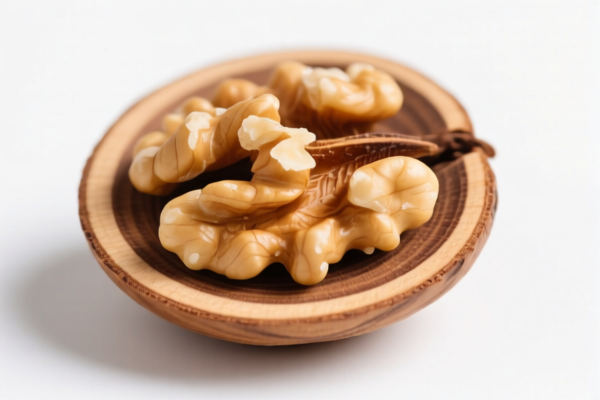
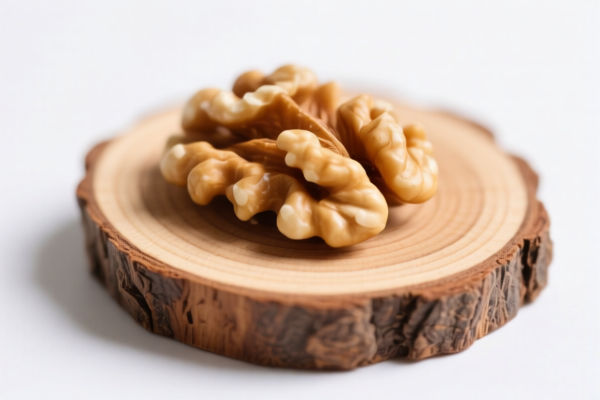
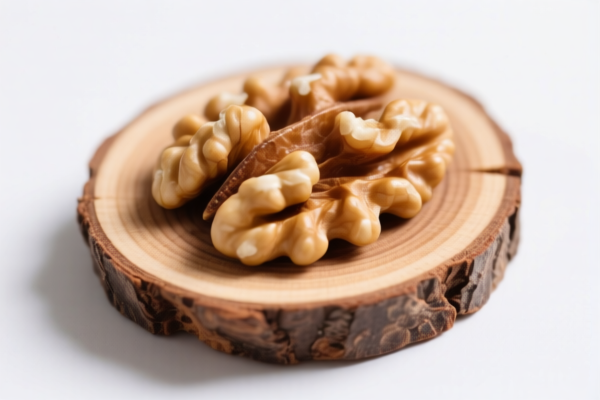
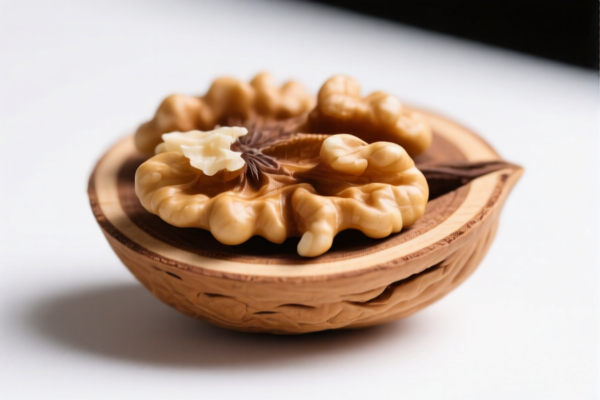
AI Analysis
🌸 Flower Wood Slice (Botanical Wood Veneers & Decorative Slices)
🌐 HS Code Reference & Customs Clearance Guide | 2026 Latest Tariff Analysis | Professional Entry Strategy
📌 I. Product Definition & Classification: Do You Truly Understand "Flower Wood Slice"?
A "Flower Wood Slice" typically refers to thin, decorative slices of wood (often cross-sections or veneers) featuring natural grain patterns resembling flowers, or wood slices embedded with botanical elements. In international trade, these items are classified based on their processing level, thickness, and final use.
They are generally split into two main categories in the provided data: 1. Decorative Ornaments/Statuettes: If the slice is finished, polished, potentially lacquered, and intended for display as a decorative item (e.g., wall art, coasters, small ornaments). 2. Raw/Processed Wood Materials: If the slice is raw wood, simply sawn or sliced, used as material for further manufacturing (e.g., marquetry, inlay work).
⚠️ Key Distinction Point:
- If the product is a finished decorative item (ornament, statuette-like): → Falls under Chapter 44.20 (Wood Marquetry, Ornaments, etc.). - If the product is raw wood material (sawn/sliced, not finished as a final consumer good): → Falls under Chapter 44.06/44.07 (Sawn Wood).
📦 II. HS Code Classification Details (2026 Latest Tariff Authority Comparison)
| HS Code | Product Description | Applicable Scenario | Tax Rate (Total) |
|---|---|---|---|
4420.19.00.00 |
Statuettes and other ornaments: Other | Decorative wood slices used as wall art, coasters, or finished ornaments; non-coniferous; no additional tariffs listed in data. | 3.2% |
4420.90.80.00 |
Other: Other | Decorative wood items not specifically listed as "statuettes/ornaments" under 4420.19; potentially includes complex marquetry pieces or unfinished decorative blocks. | 28.2% |
4406.12.00.00 |
Railway/tramway sleepers: Not impregnated: Nonconiferous | Note: Unlikely for "Flower Wood Slices". Included in data for raw wood sleepers only. | 25.0% |
4406.92.00.00 |
Railway/tramway sleepers: Other: Nonconiferous | Note: Unlikely for "Flower Wood Slices". Included in data for raw wood sleepers only. | 25.0% |
4407.99.02.95 |
Wood sawn/sliced... thickness > 6mm: Other Other nonconiferous | Raw wood slices/veneer sheets used for further processing (e.g., marquetry base); non-coniferous wood; not finished as ornaments. | 25.0% |
4407.29.02.96 |
Wood sawn/sliced... thickness > 6mm: Of tropical wood: Other Other | Raw wood slices/veneer sheets from tropical wood; used for further processing. | 25.0% |
🔍 Important Reminder:
- "Flower Wood Slice" as a Decorative Item: If sold as a finished product (e.g., a polished slice with a stand or frame, or a decorative coaster), it most likely falls under 4420.19.00.00 (Ornaments) or 4420.90.80.00.
- "Flower Wood Slice" as Material: If sold as raw material for artisans to create jewelry boxes, inlays, or furniture, it falls under 4407... categories.
- Tropical vs. Non-Coniferous: Identify if the wood source is tropical (e.g., Teak, Rosewood) or non-coniferous (e.g., Oak, Maple). This affects the specific sub-code under 4407.
💰 III. 2026 Latest Tariff Rate Details (Including Additional Duties & Policy Add-ons)
✅ Applicable Country: United States (US)
✅ Origin: China (CN)
✅ Effective Time: 2025+ (Based on provided data structure)
🎯 1. 4420.19.00.00 —— Decorative Ornaments (Non-Coniferous)
| Item | Content |
|---|---|
| Base Duty | 3.2% |
| Section 301 Additional Duty | 0.0% (Not listed in data) |
| Total Rate | 3.2% |
| Calculation | CIF Value × 3.2% |
| De Minimis Eligibility | ❓ Check Specifics: Usually, goods under $800 may qualify, but high-value decorative items may not. |
| Legal Path | USITC:4420.19.00.00 |
📌 Explanation:
- This is the most favorable rate for finished decorative wood slices if classified as "ornaments."
- The data shows 0% additional tariff, making it significantly cheaper than raw wood materials.
- Strategy: Ensure the product is marketed and described as a "decorative ornament" or "wall art" rather than raw lumber.
🎯 2. 4420.90.80.00 —— Other Wood Ornaments/Items
| Item | Content |
|---|---|
| Base Duty | 3.2% |
| Section 301 Additional Duty | 25.0% |
| Total Rate | 28.2% |
| Calculation | CIF Value × 28.2% |
| De Minimis Eligibility | ❌ Not Eligible (High value/additional duty items usually excluded) |
| Legal Path | USITC:4420.90.80.00 → FOOTNOTE:301 |
📌 Explanation:
- If the product does not fit the specific definition of "statuettes/ornaments" under 4420.19, it falls here.
- The 25% additional tariff makes this rate very high.
- Strategy: Avoid this classification if possible by ensuring the product clearly fits the "ornament" description under 4420.19.
🎯 3. Raw Wood Slices (4406.12.00.00, 4406.92.00.00, 4407.99.02.95, 4407.29.02.96)
| Item | Content |
|---|---|
| Base Duty | 0.0% |
| Section 301 Additional Duty | 25.0% |
| Total Rate | 25.0% |
| Calculation | CIF Value × 25.0% |
| De Minimis Eligibility | ❌ Not Eligible |
| Legal Path | USITC:4406.xxxx.00 or 4407.xxxx.95/96 → FOOTNOTE:301 |
📌 Explanation:
- Even though the base duty is 0%, the 25% additional tariff applies to all these raw wood categories.
- Key Difference: These are classified as raw materials (sleepers, sawn wood), not finished goods.
- Strategy: Only use this classification if you are importing bulk raw wood for further processing. It is not cost-effective for selling finished decorative slices due to the 25% added duty.
🛠️ IV. Customs Clearance Practical Advice (Pitfall Avoidance Guide)
✅ 1. Documentation Checklist (All Required)
| Document | Required | Notes |
|---|---|---|
| ✅ Product Specification Sheet | ✔️ | Must specify: Wood type (Tropical/Non-coniferous), thickness, finish (polished/lacquered), use (decorative vs. raw material). |
| ✅ Product Photos | ✔️ | Show finished product (with stand, frame, or packaging) to support "ornament" classification. |
| ✅ Commercial Invoice | ✔️ | Description must align with HS Code: e.g., "Decorative Wood Ornament" vs. "Sawn Wood Slice." |
| ✅ Packing List | ✔️ | Clearly state quantity and weight. |
| ✅ Wood Treatment Certificate | ✔️ | Proof of fumigation/heat treatment (ISPM 15) if required by US Customs. |
| ✅ Material Declaration | ✔️ | Confirm if wood is tropical or non-coniferous for accurate 4407/4420 coding. |
✅ 2. Declaration Tips (Key Mnemonics)
🔥 "Finished = Ornament (3.2%), Raw = Material (25%)! Name it right, save 22%!"
| Scenario | Correct Declaration | Wrong Approach |
|---|---|---|
| Polished slice for wall art | 4420.19.00.00 (Ornament) |
Call it "Wood Veneer" → 25% |
| Raw slice for inlay work | 4407.99.02.95 (Sawn Wood) |
Call it "Decorative Item" → Misclassification |
| Tropical wood slice for decoration | 4420.19.00.00 (If ornament) |
4407.29.02.96 → 25% |
| Sleepers/Cross-ties (Unlikely) | 4406.12.00.00 |
N/A for flower slices |
📌 Critical Advice:
- If you are importing finished decorative slices, always argue for Chapter 44.20. The 3.2% vs. 25% difference is massive.
- To support 4420.19.00.00, ensure the product is presented as a finished good (e.g., packaged as a gift, with mounting hardware, or clearly for display).
- If the product is just a raw slice, you cannot avoid the 25% duty.
✅ 3. Special Cases
| Situation | Handling Advice |
|---|---|
| Mixed Shipments | Separate raw wood from finished ornaments in different boxes if possible, to apply correct HS codes. |
| Tropical Wood Species | Check for CITES permits if the wood is from endangered species (e.g., Rosewood). |
| High-Value Artistic Pieces | If the "slice" is part of a larger art piece, ensure it falls under 4420.19.00.00. |
| Customs Audit Risk | Be prepared to provide samples to prove the item is a "finished ornament" and not raw lumber. |
🌍 V. Global Market Comparison (2026 Latest)
| Country/Region | Recommended HS Code | Tariff (US Origin) | Certification | Notes |
|---|---|---|---|---|
| 🇺🇸 USA | 4420.19.00.00 |
3.2% | ISPM 15 | Best for finished ornaments. |
| 🇺🇸 USA | 4407.xxxx.95 |
25.0% | ISPM 15 | For raw wood materials. |
| 🇪🇺 EU | 4420.10 |
Varies (0-3.9%) | FSC/PEFC | Wood traceability key in EU. |
| 🇨🇳 China | 4420.19 |
Varies | N/A | Domestic trade rules apply. |
📌 Conclusion:
- USA imposes a 25% additional tariff on raw wood materials (Chapter 44.06/44.07).
- Finished decorative wood ornaments (Chapter 44.20) benefit from a much lower effective rate (3.2% if correctly classified as 4420.19.00.00).
- Strategy: Maximize value-add before export. Finish, package, and market as "decorative items" to qualify for the lower tax bracket.
📌 VI. Common Errors & Pitfall Guide (Lessons Learned)
❌ Error 1: Declaring finished decorative wood slices as "Sawn Wood" (4407...)
👉 Consequence: Pay 25% duty instead of 3.2%. Loss of 21.8% profit margin!
❌ Error 2: Declaring raw wood slices as "Ornaments" (4420...)
👉 Consequence: Customs rejection, fines, or forced reclassification. High audit risk.
❌ Error 3: Ignoring "Tropical Wood" classification
👉 Consequence: Incorrect HS Code (4407.29.02.96 vs 4407.99.02.95). Delays and penalties.
❌ Error 4: Not providing ISPM 15 treatment proof
👉 Consequence: Shipment held or destroyed at US border. Total loss.
✅ Correct Approach:
"Decorative Wood Slice Ornament, Polished, Non-Coniferous, Finished for Display, Model XYZ, ISPM 15 Certified"
🎯 VII. Conclusion: Professional Declaration, Save Costs, Enhance Efficiency!
🎯 Remember the Mnemonic:
🔹 "Finished Ornament = 3.2%, Raw Wood = 25%! Declare as Decorative, Not Lumber!"
🔹 "HS Code Determines Tax, Difference is 22%, Misclassification Costs Thousands!"
📌 Pro Tip:
If your wood slices are finely polished, lacquered, and packaged as gifts/art, insist on 4420.19.00.00. Provide photos of the finished product in retail packaging.
For bulk raw slices, accept the 25% duty but ensure accurate tropical/non-coniferous classification.
📣 Immediate Action:
📞 Contact a professional customs broker + Provide product photos + Apply for HS Code Pre-Ruling
🚀 Let your flower wood slices clear customs smoothly, efficiently, and profitably!
✨ Professional Customs Clearance Starts with Accurate Classification!
💼 Every Cent of Cost Deserves Precise Calculation!
Customer Reviews
About HS Code Classification
The Harmonized System (HS) is an internationally standardized nomenclature developed by the World Customs Organization (WCO) to classify traded products. Over 200 countries use the HS system as the basis for customs tariffs, trade statistics, and import/export regulations.
Each HS code follows a hierarchical structure:
- Chapter (2 digits) — Broad category of goods (e.g., Chapter 84: Machinery and Mechanical Appliances)
- Heading (4 digits) — More specific grouping within the chapter
- Subheading (6 digits) — Internationally standardized breakdown, used by all WCO member countries
- National subdivisions (8-10 digits) — Country-specific extensions for further classification, such as US HTSUS 10-digit codes
Correct HS code classification is essential for smooth customs clearance, accurate duty payment, and compliance with trade regulations. Misclassification can lead to customs delays, overpayment of duties, or penalties.
When importing from CN to US, the applicable tariff rates may include:
- Most-Favored-Nation (MFN) rate — The standard duty rate applied to WTO members
- General rate — Applied to countries without trade agreements
- Trade remedy duties — Additional tariffs such as Section 301 (anti-dumping), Section 232 (national security), or countervailing duties
The information provided on this page is for reference purposes only. For official classification, please consult with your local customs authority or a licensed customs broker.