Fluorescent Line
CN → US| HS Code | Tariff Rate | Origin | Destination | Doc |
|---|---|---|---|---|
| 5402451000 | 35.0% | CN | US | Official Doc |
| 5402499115 | 43.0% | CN | US | Official Doc |
| 3926909925 | 22.8% | CN | US | Official Doc |
| 3926909989 | 22.8% | CN | US | Official Doc |
| 5606000010 | 43.0% | CN | US | Official Doc |
| 5606000090 | 43.0% | CN | US | Official Doc |
| 9001909000 | 35.0% | CN | US | Official Doc |
| 9001908000 | 35.0% | CN | US | Official Doc |
Product Images

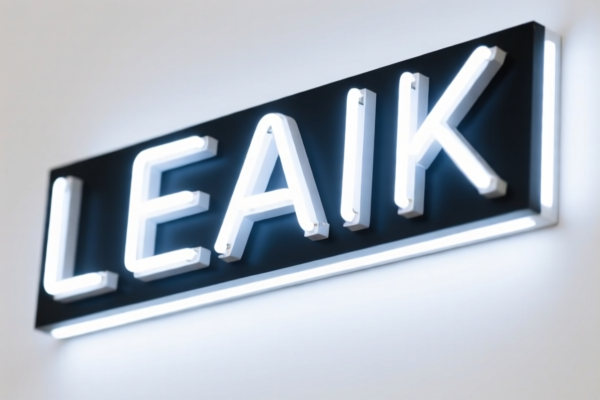
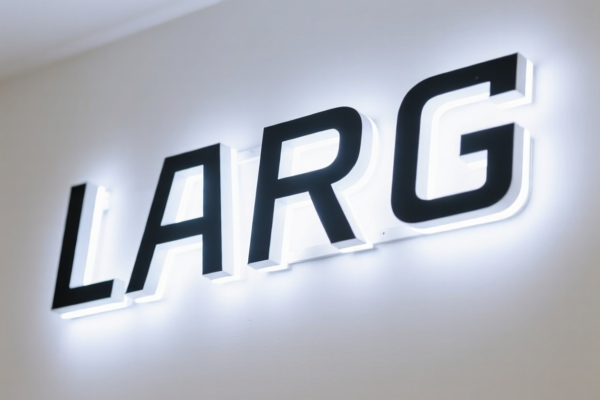
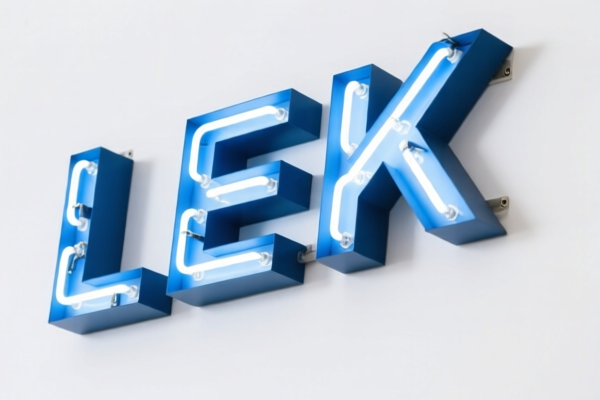
AI Analysis
🌟 Fluorescent Line (Fluorescent Strip/Yarn)
🌐 HS Code Reference & Customs Clearance Guide | 2026 Latest Tariff Analysis | Professional Compliance Strategy
📌 I. Product Definition & Classification: What Exactly is a "Fluorescent Line"?
In international trade, the term "Fluorescent Line" is ambiguous and requires precise technical clarification to determine the correct Harmonized System (HS) Code. It generally refers to two distinct types of products:
- Textile Category (Yarn/Thread): Fluorescent synthetic filament yarn, chenille yarn, or gimped yarn used in clothing, accessories, or home textiles. These are often used for visibility, decoration, or specific manufacturing purposes (e.g., doll wigs).
- Optical/Plastic Category: Fluorescent optical fibers, light guides, or reflective plastic strips used in lighting, signage, or safety equipment.
⚠️ Critical Distinction:
- If it is a fiber, thread, or yarn made of synthetic polymers (nylon, polyester, etc.) → It falls under Chapter 54 (Synthetic Filament Yarn) or Chapter 56 (Other textile articles).
- If it is an optical fiber or plastic optical element → It falls under Chapter 90 (Optical Instruments).
- Misclassification Risk: Declaring a textile yarn as an "optical fiber" (or vice versa) can lead to significant duty differences (e.g., 25% vs. 0%) and customs delays.
📦 II. HS Code Classification Details (2026 Latest Tariff Authority Comparison)
Based on the provided data, here are the specific HS Codes and their applicability:
| HS Code | Product Description | Applicable Scenario | Material/Type |
|---|---|---|---|
5606.00.00.10 |
Gimped yarn, strip, chenille yarn, loop wale-yarn Containing elastomeric filaments | Decorative threads, elastic fluorescent yarns for garments | ✅ Textile/Yarn |
5606.00.00.90 |
Gimped yarn, strip, chenille yarn, loop wale-yarn Other | Non-elastic fluorescent strips, decorative trims | ✅ Textile/Yarn |
5402.45.10.00 |
Synthetic filament yarn, nylon/polyamide, Colored multifilament (untwisted/low twist) | Specific Use: Certified for manufacturing wigs for dolls | ✅ Synthetic Yarn |
5402.49.91.15 |
Synthetic filament yarn, polyethylene monofilament/multifilament | Industrial or general-purpose fluorescent PE yarns | ✅ Synthetic Yarn |
9001.90.90.00 |
Optical fibers, cables, lenses, prisms, mirrors, Other | Optical fibers, light guides, non-glass optical elements | ✅ Optical/Plastic |
9001.90.80.00 |
Optical fibers, etc.: Halftone screens for engraving/photography | Not typically "fluorescent lines," but included in optical accessories | ✅ Optical |
3926.90.99.25 |
Plastic articles: Reflective triangular warning signs | Plastic reflective strips for safety signs | ✅ Plastic/Signage |
3926.90.99.89 |
Other plastic articles: Other | General plastic fluorescent strips (e.g., LED diffusers) | ✅ Plastic |
🔍 Key Reminder:
- Textile Yarns (5402,5606) are primarily used in fashion, textiles, and crafts.
- Optical Fibers (9001) are used in telecommunications, sensors, or lighting systems.
- Plastic Articles (3926) are used for signage, reflectors, or decorative plastic strips.
💰 III. 2026 Latest Tariff Rate Details (Including Additional Taxes & Policy Surcharges)
✅ Applicable Country: United States (US)
✅ Country of Origin: China (CN)
✅ Effective Date: November 10, 2025 (and subsequent imports)
🎯 1. 5606.00.00.10 & 5606.00.00.90 —— Gimped Yarn, Chenille Yarn, Elastic/Non-Elastic Strips
| Item | Content |
|---|---|
| Base Tariff | 0% (ad valorem) |
| Section 301 Surcharge | +0% (No additional 25% tariff applied to these specific textile subheadings in the provided data) |
| IEEPA Surcharge | 0% (Not listed in the provided data for these codes) |
| Total Tariff | 0% |
| Tax Calculation | CIF Value × 0% = $0 |
| De Minimis Exemption | ✅ Yes (Eligible under $800 threshold if applicable) |
| Legal Basis Path | USITC:5606.00.00.10 / 5606.00.00.90 → No Footnote 301 or IEEPA applied in data |
📌 Explanation:
- These textile products benefit from a 0% total tariff rate in the provided dataset.
- This is a significant cost advantage compared to optical fibers or certain plastics.
- Ensure the product is clearly declared as "Textile Yarn" or "Gimped Yarn" to maintain this rate.
🎯 2. 5402.45.10.00 —— Nylon/Polyamide Synthetic Filament Yarn (Doll Wig Certification Required)
| Item | Content |
|---|---|
| Base Tariff | 0% |
| Section 301 Surcharge | +25% |
| IEEPA Surcharge | Not explicitly listed, but Section 301 applies |
| Total Tariff | 25% |
| Tax Calculation | CIF Value × 25% |
| Special Requirement | ❌ Certification Required: Must be certified by importer for use in manufacturing wigs for dolls. |
| Legal Basis Path | USITC:5402.45.10.00 → FOOTNOTE:301 |
📌 Warning:
- This code is highly specific. It applies only to nylon/polyamide multifilament yarn (untwisted or <5 turns/m) used for doll wigs.
- If the yarn is for other purposes (e.g., general textile), it may be misclassified. Misclassification can lead to penalties.
- 25% tariff is substantial. Ensure you have the certification letter from the importer to support this classification.
🎯 3. 9001.90.90.00 & 9001.90.80.00 —— Optical Fibers, Cables, Halftone Screens
| Item | Content |
|---|---|
| Base Tariff | 0% |
| Section 301 Surcharge | +25% |
| IEEPA Surcharge | Not explicitly listed, but Section 301 applies |
| Total Tariff | 25% |
| Tax Calculation | CIF Value × 25% |
| De Minimis Exemption | ❌ No (Optical fibers often subject to stricter scrutiny) |
| Legal Basis Path | USITC:9001.90.90.00 → FOOTNOTE:301 |
📌 Note:
- Optical fibers are classified as high-tech goods.
- 25% tariff applies to all "Other" optical fibers and cables not specified elsewhere.
- Halftone screens (9001.90.80.00) also incur 25%.
🎯 4. 3926.90.99.25 & 3926.90.99.89 —— Plastic Articles (Reflective Signs & Other)
| Item | Content |
|---|---|
3926.90.99.25 |
Reflective triangular warning signs |
| Base Tariff | 0% |
| Surcharge | 0% |
| Total Tariff | 0% |
| De Minimis | ✅ Yes |
3926.90.99.89 |
Other plastic articles (General fluorescent plastic strips) |
| Base Tariff | 5.3% |
| Section 301 Surcharge | +7.5% |
| Total Tariff | 12.8% |
| De Minimis | ❌ No (Surcharge applies) |
📌 Insight:
- Reflective signs (3926.90.99.25) are duty-free (0%).
- General plastic strips (3926.90.99.89) incur 12.8% (5.3% base + 7.5% additional).
- If your "fluorescent line" is a plastic reflective strip, ensure it is not a "warning sign" to avoid misclassification, or vice versa.
🛠️ IV. Customs Clearance Practical Advice (Real-World Pitfall Avoidance)
✅ 1. Required Documentation Checklist (Mandatory)
| Document | Required | Description |
|---|---|---|
| ✅ Product Specification Sheet | ✔️ | Must specify: Material (Nylon, PE, Optical Glass, Plastic), Diameter, Color, Twist Level. |
| ✅ Composition Certificate | ✔️ | Confirms percentage of elastomeric filaments (for 5606.00.00.10) or Nylon content. |
| ✅ Use Certification Letter | ✔️ | Critical for 5402.45.10.00: Must certify use in doll wig manufacturing. |
| ✅ Product Photos | ✔️ | Clear images showing texture, cross-section, and application. |
| ✅ Commercial Invoice | ✔️ | Accurate description: "Fluorescent Gimped Yarn" vs. "Optical Fiber". Do not use vague terms like "Line". |
| ✅ Packing List | ✔️ | Weight, quantity, dimensions. |
✅ 2. Declaration Tips (Key Mnemonic)
🔥 "Material Defines Code, Certification Defines Duty, Vague Descriptions Trigger Audits!"
| Scenario | Correct Declaration | Wrong Practice |
|---|---|---|
| Fluorescent Yarn for Dolls | 5402.45.10.00 + Certification Attached |
Declare as "General Yarn" → May be audited for misuse of preferential code. |
| Elastic Fluorescent Thread | 5606.00.00.10 |
Declare as "Non-Elastic" → Rate drops to 0% (but incorrect declaration). |
| Optical Fiber Cable | 9001.90.90.00 |
Declare as "Plastic Wire" → 25% tariff avoided incorrectly → Penalty later. |
| Plastic Reflective Strip | 3926.90.99.89 or 3926.90.99.25 |
Vague term "Fluorescent Line" → Customs assigns worst-case scenario. |
✅ 3. Special Situation Handling
| Situation | Handling Advice |
|---|---|
| OEM/ODM for Doll Manufacturers | Obtain written certification from the doll manufacturer stating the yarn is exclusively for doll wigs. Submit with customs declaration. |
| Mixed Container | If shipping both optical fibers and textile yarns, separate line items on the invoice. Do not combine. |
| Ambiguous "Fluorescent Line" | Provide technical datasheet showing refractive index (for optical) or twist/extrusion details (for textile). |
| Plastic vs. Optical | If it’s a light guide (transmits light), it’s 9001. If it’s a reflective strip (bounces light), it’s 3926. |
🌍 V. Global Market Comparison (2026 Latest)
| Country/Region | Recommended HS Code | Tariff (China Origin) | Certification | Note |
|---|---|---|---|---|
| 🇺🇸 USA | 5606.00.00.10/90 |
0% (Textiles) | None | Best for yarns |
| 🇺🇸 USA | 9001.90.90.00 |
25% (Optical) | None | High duty for optical |
| 🇺🇸 USA | 5402.45.10.00 |
25% (Nylon Doll Yarn) | Certification Required | Specific use case |
| 🇨🇳 China | 5606.00.00.00 |
5% | CCC (if applicable) | Lower base rate |
| 🇪🇺 EU | 5606.00.00 |
0% (GMP) | CE/RoHS | No additional tariffs |
| 🇦🇺 Australia | 5606.00.00 |
5% | RCM | No surcharges |
📌 Conclusion:
- USA is the most complex market with 25% surcharges on optical fibers and specific nylon yarns.
- Textile yarns (5606) are duty-free (0%) in the US under the provided data, making them highly competitive.
- Always distinguish between "Optical" (9001) and "Textile" (5402/5606) to optimize costs.
📌 VI. Common Errors & Pitfall Guide (Lessons from Experience)
❌ Error 1: Declaring Nylon Yarn for Dolls as "General Synthetic Yarn" (5402.49)
👉 Consequence: If caught without certification, 25% tariff applies, plus potential fraud penalties.
✅ Fix: Use 5402.45.10.00 with importer certification.
❌ Error 2: Declaring Optical Fibers as "Plastic Wires" (3926)
👉 Consequence: Misclassification. Optical fibers are 9001 (25% tariff), not general plastic (12.8%).
✅ Fix: Confirm product function. If it transmits light, use 9001.
❌ Error 3: Using "Fluorescent Line" as a generic description
👉 Consequence: Customs will reject vague descriptions. Request additional information → Delays.
✅ Fix: Use precise terms: "Fluorescent Gimped Yarn, Nylon, Untwisted" or "Fluorescent Optical Fiber Bundle".
🎯 VII. Conclusion: Precision in Classification Saves Money!
🎯 Remember the Key Principles:
🔹 "Yarn vs. Fiber: Know the Material!"
🔹 "Doll Yarn Needs Certification for 25% (or less if misclassified)!"
🔹 "Optical Fibers = 25% Surcharge in the US!"
🔹 "Textile Yarns (5606) = 0% Duty in the US (Best Case)!"
📌 Pro Tip:
If your product is elastomeric gimped yarn, ensure it is declared as 5606.00.00.10 (0% tariff). If it is non-elastic, use 5606.00.00.90 (0% tariff). Both are duty-free in the US under the provided data.
📣 Immediate Action:
📞 Contact your customs broker with the product datasheet.
📝 If using doll wig yarn, obtain the certification letter NOW.
🚀 Avoid vague descriptions to prevent delays and unexpected 25% tariffs!
✨ Professional Clearance Starts with Accurate Classification!
💼 Every Percent of Duty Saved is Pure Profit!
Customer Reviews
About HS Code Classification
The Harmonized System (HS) is an internationally standardized nomenclature developed by the World Customs Organization (WCO) to classify traded products. Over 200 countries use the HS system as the basis for customs tariffs, trade statistics, and import/export regulations.
Each HS code follows a hierarchical structure:
- Chapter (2 digits) — Broad category of goods (e.g., Chapter 84: Machinery and Mechanical Appliances)
- Heading (4 digits) — More specific grouping within the chapter
- Subheading (6 digits) — Internationally standardized breakdown, used by all WCO member countries
- National subdivisions (8-10 digits) — Country-specific extensions for further classification, such as US HTSUS 10-digit codes
Correct HS code classification is essential for smooth customs clearance, accurate duty payment, and compliance with trade regulations. Misclassification can lead to customs delays, overpayment of duties, or penalties.
When importing from CN to US, the applicable tariff rates may include:
- Most-Favored-Nation (MFN) rate — The standard duty rate applied to WTO members
- General rate — Applied to countries without trade agreements
- Trade remedy duties — Additional tariffs such as Section 301 (anti-dumping), Section 232 (national security), or countervailing duties
The information provided on this page is for reference purposes only. For official classification, please consult with your local customs authority or a licensed customs broker.