Flute
CN → US| HS Code | Tariff Rate | Origin | Destination | Doc |
|---|---|---|---|---|
| 4421919880 | 38.3% | CN | US | Official Doc |
| 4421999880 | 38.3% | CN | US | Official Doc |
| 9205904080 | 22.4% | CN | US | Official Doc |
| 9205906000 | 17.5% | CN | US | Official Doc |
Product Images
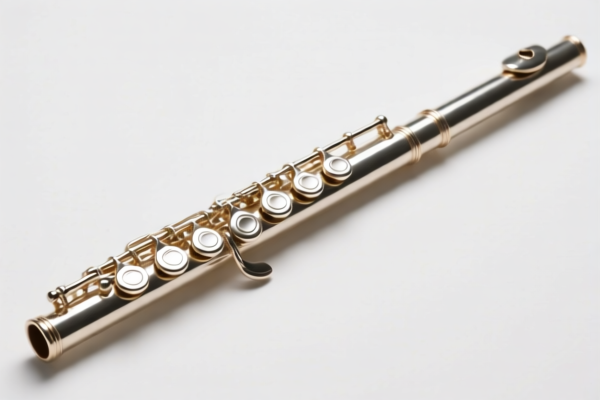
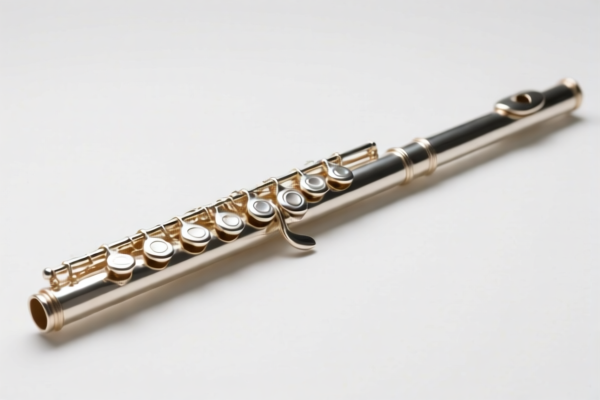
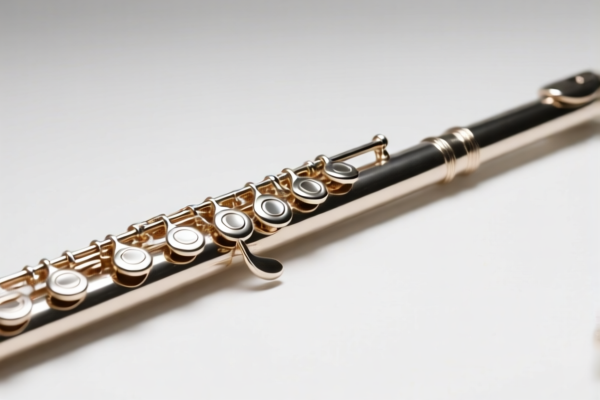
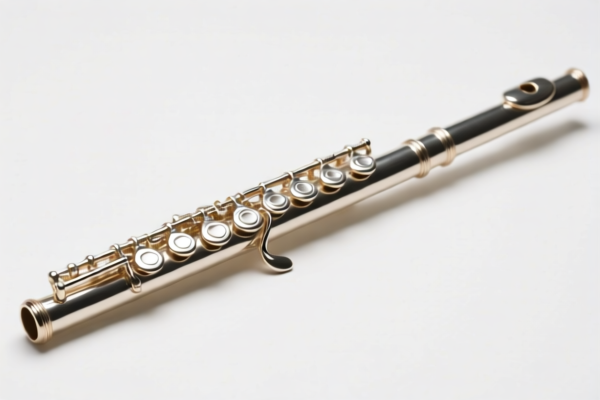
AI Analysis
🎶 Flute (Woodwind Musical Instruments)
🌐 HS Code Reference & Customs Clearance Guide | 2026 Latest Tariff Analysis | Professional Compliance Strategy
📌 I. Product Definition & Classification: Do You Truly Understand the "Flute"?
The flute, a staple in orchestral, folk, and traditional music globally, is primarily crafted from bamboo, wood, metal, or composite materials. In international trade, its HS classification hinges on material composition and functional design:
- Wood/Bamboo Flutes (e.g., Chinese Dizi, Japanese Shinobue, Native American flutes): Often classified under Chapter 44 (Wood Products) if not deemed "musical instruments" by function, or Chapter 92 if recognized as wind instruments.
- Metal/Synthetic Flutes (e.g., Concert C Flutes): Typically fall under Chapter 92 (Musical Instruments) as "wind instruments."
- Key Distinction:
- If primarily bamboo/wood and marketed as "traditional crafts" → Chapter 44.
- If designed as musical instruments (even if wood/bamboo) → Chapter 92.
⚠️ Critical Differentiator:
- Bamboo/wood flutes marketed as "crafts" →4421.91.98.80/4421.99.98.80(Total Tax: 38.3%)
- Wood/Bamboo flutes as "musical instruments" →9205.90.40.80(Total Tax: 22.4%) /9205.90.60.00(Total Tax: 17.5%)
📦 II. HS Code Classification Details (2026 Latest Tariff Authority)
| HS Code | Product Description | Application Scenario | Material Focus |
|---|---|---|---|
4421.91.98.80 |
Other bamboo/wood products, not elsewhere specified | Traditional bamboo/wood flutes marketed as "crafts" or "decorative items" | Bamboo/Wood (Non-instrument function) |
4421.99.98.80 |
Other wood products, not elsewhere specified | Wooden flutes not explicitly classified as musical instruments | Wood (Non-instrument function) |
9205.90.40.80 |
Woodwind instruments (other than keyboards/piano) | Flutes recognized as musical instruments (wood/bamboo) | Wood/Bamboo (Instrument function) |
9205.90.60.00 |
Other wind instruments (not specified) | Flutes classified as general wind instruments (any material) | Any (Instrument function) |
🔍 Key Insight:
-4421.xxxxxx: For flutes sold as "crafts" or "decorative items" (no musical certification).
-9205.xxxxxx: For flutes explicitly marketed as musical instruments (requires sound certification, music store sales, etc.).
- Material alone does not dictate classification → Function is paramount!
💰 III. 2026 Tariff Rate Breakdown (Including Surcharges & Policy Add-ons)
✅ Applicable Market: United States (US)
✅ Origin: China (CN)
✅ Effective Date: November 10, 2025 (ongoing imports)
🎯 1. 4421.91.98.80 / 4421.99.98.80 – Bamboo/Wood Products (Non-Instrument)
| Item | Details |
|---|---|
| Base Tariff | 3.3% |
| Section 301 Surtax | +25.0% (USITC 301) |
| Section 122 Tariff | +10.0% (China-specific) |
| Total Tax Rate | 38.3% |
| Tax Calculation | CIF Value × 38.3% |
| De Minimis Exemption? | ❌ No |
| Legal Basis Path | Section 301:9903.88.01 → Section 122:9903.10.01 → HTSUS:4421.91.98.80/4421.99.98.80 |
📌 Explanation:
- 3.3% Base: Standard Chapter 44 duty for "other wood/bamboo products."
- 25% Section 301: 2018-era China-specific surcharge on non-chapter-specific goods.
- 10% Section 122: New China-specific surcharge effective 2025.
- Total 38.3%: Extremely high – only viable if the flute is not classified as a musical instrument.
🎯 2. 9205.90.40.80 – Woodwind Instruments (Wood/Bamboo)
| Item | Details |
|---|---|
| Base Tariff | 4.9% |
| Section 301 Surtax | +7.5% (USITC 301) |
| Section 122 Tariff | +10.0% (China-specific) |
| Total Tax Rate | 22.4% |
| Tax Calculation | CIF Value × 22.4% |
| De Minimis Exemption? | ❌ No |
| Legal Basis Path | Section 301:9903.88.01 → Section 122:9903.10.01 → HTSUS:9205.90.40.80 |
📌 Explanation:
- 4.9% Base: Chapter 92 duty for "other wind instruments."
- 7.5% Section 301: Reduced surcharge for musical instruments (vs. 25% for crafts).
- 10% Section 122: Same China-specific surcharge.
- Total 22.4%: Lower than crafts – optimal if marketed as instruments.
🎯 3. 9205.90.60.00 – Other Wind Instruments (General)
| Item | Details |
|---|---|
| Base Tariff | 0.0% |
| Section 301 Surtax | +7.5% (USITC 301) |
| Section 122 Tariff | +10.0% (China-specific) |
| Total Tax Rate | 17.5% |
| Tax Calculation | CIF Value × 17.5% |
| De Minimis Exemption? | ❌ No |
| Legal Basis Path | Section 301:9903.88.01 → Section 122:9903.10.01 → HTSUS:9205.90.60.00 |
📌 Explanation:
- 0.0% Base: Lowest base duty for "unspecified wind instruments."
- 7.5% + 10%: Same surcharges as above.
- Total 17.5%: Most tax-efficient – ideal for metal/synthetic flutes or ambiguous cases.
🛠️ IV. Customs Clearance实操建议 (Practical Clearance Guide)
✅ 1. Documentation Checklist (Mandatory for All)
| Document | Required | Purpose |
|---|---|---|
| ✅ Product Specification Sheet | ✔️ | Details material, dimensions, intended use (craft vs. instrument) |
| ✅ Function Declaration | ✔️ | Explicitly state: "Musical Instrument" or "Decorative Craft" |
| ✅ Photos (Including Engraving/Markings) | ✔️ | Show brand, model, material, and "for music use" labels |
| ✅ Third-Party Certification | ✔️ | FCC, CE, RoHS, Musical Instrument Certification (if applicable) |
| ✅ Commercial Invoice | ✔️ | Must specify: "Flute, Woodwind Instrument" or "Bamboo Craft Flute" |
| ✅ Country of Origin Certificate | ✔️ | Avoids misclassification penalties |
| ✅ Packing List | ✔️ | Clarifies if flutes are sold alone, with accessories, or as sets |
✅ 2. Classification Strategy (Critical for Tax Savings)
🔥 Golden Rule:
"Instruments > Crafts" → 17.5%~22.4% tax vs. 38.3%!
| Scenario | Correct Classification | Wrong Classification |
|---|---|---|
| Flute sold in music stores with sound certification | 9205.90.40.80 / 9205.90.60.00 |
4421.91.98.80 (38.3% tax) |
| Bamboo flute sold as "decorative souvenir" | 4421.91.98.80 |
9205.90.40.80 (risk of audit) |
| Metal concert flute | 9205.90.60.00 |
4421.99.98.80 (nonsense classification) |
| Flute + Case + Tuning Kit | All as "Instrument" | Splitting into "craft" + "accessory" → higher tax |
✅ 3. Special Cases & Workarounds
| Situation | Recommendation |
|---|---|
| OEM Custom Flutes | Provide client's design specs + "for musical use" declaration |
| Bamboo Flutes with Metal Keys | Still 9205.90.40.80 – metal parts don't change function |
| Flutes for Educational Kits | Classify as instruments if used for learning music |
| Flutes for Rituals/Religious Use | If no sound production → 4421.91.98.80 (craft) |
🌍 V. Global Market Comparison (2026 Tariff Snapshot)
| Country/Region | Recommended HS Code | Total Tax | Certifications | Notes |
|---|---|---|---|---|
| 🇺🇸 USA | 9205.90.60.00 |
17.5% | FCC + RoHS | 38.3% for crafts |
| 🇪🇺 EU | 9205.90.40.80 |
5.0% | CE + CE Mark | No Section 301/122 |
| 🇨🇦 Canada | 9205.90.60.00 |
8.5% | CSA + Health Canada | Lower surcharges |
| 🇦🇺 Australia | 9205.90.40.80 |
10.0% | RCM | No Section 301/122 |
| 🇯🇵 Japan | 9205.90.60.00 |
3.0% | PSE | Lowest tax globally |
📌 Conclusion:
- USA is the highest-tax market (38.3% for crafts, 17.5% for instruments).
- EU/Canada/Australia/Japan offer lower taxes – consider re-routing if feasible.
📌 VI. Common Mistakes & Avoidance Tactics
❌ Mistake 1: Classifying musical flutes as "wood crafts" → 38.3% tax (vs. 17.5%).
👉 Fix: Add "Musical Instrument" to invoice + provide sound certification.
❌ Mistake 2: Splitting "Flute + Case" into separate shipments → higher tax per item.
👉 Fix: Declare as single "Flute Set" under 9205.90.60.00.
❌ Mistake 3: Using generic terms like "Bamboo Pipe" → customs delays.
👉 Fix: Use "Flute, Woodwind Instrument" on all docs.
❌ Mistake 4: Ignoring Section 122 (10% China surcharge) → unexpected costs.
👉 Fix: Factor in 10%+ to all tax calculations.
✅ Pro Tip:
"Instruments < Crafts" → 17.5% vs. 38.3%!
"Always declare function, not material"
🎯 VII. Final Takeaways: Precision Saves Money!
🎯 Golden Rules:
🔹 "If it makes music →
9205(17.5%~22.4%)"
🔹 "If it's a craft →4421(38.3%)"
🔹 "Never split flutes from cases/accessories"
📌 Quick Action Plan:
1. Confirm Function: Is your flute a musical instrument or craft?
2. Adjust Invoice: Use "Flute, Woodwind Instrument" for music sales.
3. Apply for Pre-Ruling: Submit to CBP for Advance Classification Ruling.
4. Factor in 38.3%: If classified as crafts, budget for high tax.
📣 Ready to Ship?
📞 Contact Customs Broker + Provide Product Photos + Get Pre-Ruling
🚀 Flute Clearance Made Easy, Profit Maximized!
✨ Precision Classification = Lower Taxes + Faster Clearance
💼 Every Tax Dollar Saved is a Profit Dollar Gained!
Customer Reviews
About HS Code Classification
The Harmonized System (HS) is an internationally standardized nomenclature developed by the World Customs Organization (WCO) to classify traded products. Over 200 countries use the HS system as the basis for customs tariffs, trade statistics, and import/export regulations.
Each HS code follows a hierarchical structure:
- Chapter (2 digits) — Broad category of goods (e.g., Chapter 84: Machinery and Mechanical Appliances)
- Heading (4 digits) — More specific grouping within the chapter
- Subheading (6 digits) — Internationally standardized breakdown, used by all WCO member countries
- National subdivisions (8-10 digits) — Country-specific extensions for further classification, such as US HTSUS 10-digit codes
Correct HS code classification is essential for smooth customs clearance, accurate duty payment, and compliance with trade regulations. Misclassification can lead to customs delays, overpayment of duties, or penalties.
When importing from CN to US, the applicable tariff rates may include:
- Most-Favored-Nation (MFN) rate — The standard duty rate applied to WTO members
- General rate — Applied to countries without trade agreements
- Trade remedy duties — Additional tariffs such as Section 301 (anti-dumping), Section 232 (national security), or countervailing duties
The information provided on this page is for reference purposes only. For official classification, please consult with your local customs authority or a licensed customs broker.