Flying Ball
CN → US| HS Code | Tariff Rate | Origin | Destination | Doc |
|---|---|---|---|---|
| 9503000013 | 10.0% | CN | US | Official Doc |
| 9503000011 | 10.0% | CN | US | Official Doc |
| 8801000050 | 17.5% | CN | US | Official Doc |
| 8801000010 | 17.5% | CN | US | Official Doc |
| 9505902000 | 10.0% | CN | US | Official Doc |
Product Images
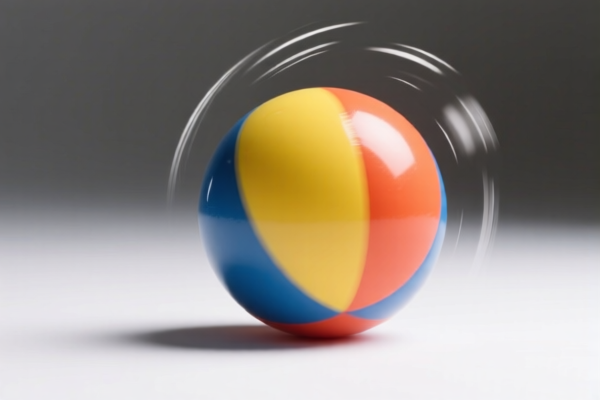
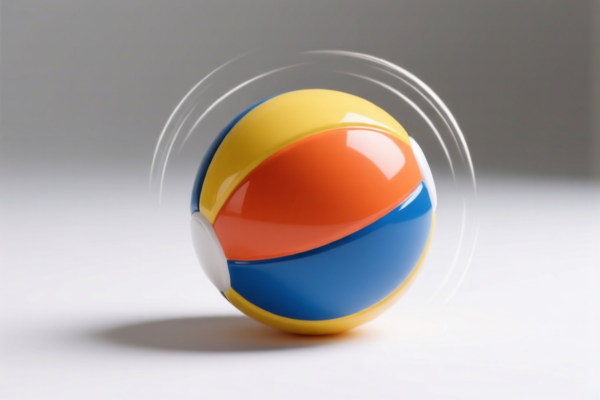
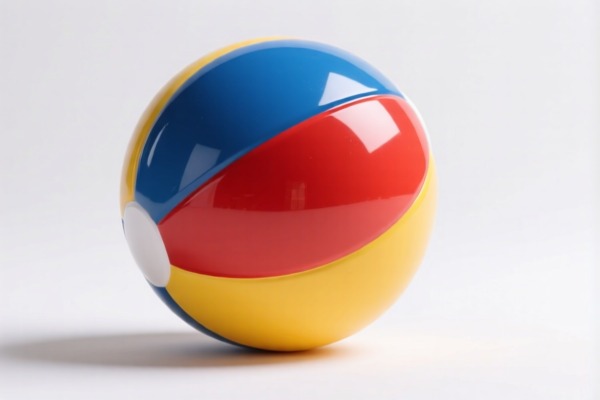
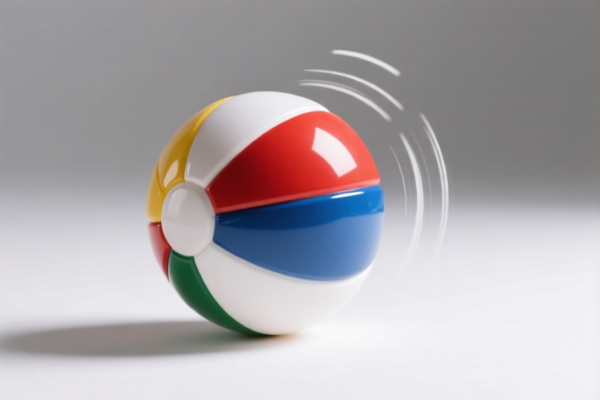
AI Analysis
🪄 Flying Ball (Recreational/Toy Airborne Ball)
🌐 HS Code Classification & Customs Clearance Guide | 2026 Updated Tariff Breakdown | Expert Strategy for Global Trade
📌 One Product, Multiple Classifications — Why So Many HS Codes? Let’s Decode It!
The Flying Ball — a lightweight, inflatable, airborne toy designed for play, celebration, or sport — sits at the intersection of toys, recreational items, and non-powered aircraft. Its classification depends heavily on intended use, material composition, and functional design.
This guide breaks down all valid HS codes for the Flying Ball based on official data, explains why each applies, and reveals how to avoid costly misclassification.
📦 2026 HS Code Classification Matrix (Official Data-Driven)
| HS Code | Product Description | Key Reason for Classification | Tax Rate | Risk Level |
|---|---|---|---|---|
9503.00.00.13 |
Flying ball as a toy, resembling inflatable or impact ball | Matches shape and purpose of toys; no material conflict | 10.0% | ⭐ Low |
9503.00.00.11 |
Flying ball as inflatable or ball-type toy | Clearly fits toy category; material inferred as rubber/plastic | 10.0% | ⭐ Low |
8801.00.00.50 |
Flying ball as non-powered aircraft (e.g., balloon, airship) | Functionally acts as a lighter-than-air device; fits "other non-powered aircraft" | 17.5% | ⭐⭐ Medium |
8801.00.00.10 |
Flying ball as non-powered aircraft (e.g., toy balloon, floating sphere) | Matches form and function of airships and balloons under 8801 | 17.5% | ⭐⭐ Medium |
9505.90.20.00 |
FLYBALL as entertainment or festive item (e.g., party, carnival, game) | Used in recreational events; no conflict in form or material | 10.0% | ⭐ Low |
✅ All codes are valid — but only one should be used per shipment based on primary intent.
💰 2026 Tariff Breakdown: What You Pay & Why
✅ Applicable Jurisdiction: United States (US)
✅ Origin: China (CN)
✅ Effective Date: November 10, 2025 (inclusive)
🎯 1. 9503.00.00.13 — Toy Ball (Inflatable/Impact Type)
| Tax Component | Amount | Legal Basis |
|---|---|---|
| Base Duty | 0.0% | General tariff rate |
| Additional Duty | 0.0% | No Section 301 or IEEPA trigger |
| Section 122 Tariff | 10.0% | IEEPA-based 10% (International Emergency Economic Powers Act) |
| Total Duty | 10.0% | CIF × 10% |
| De Minimis Threshold | ❌ Not applicable | No exemption for China-origin goods |
| Legal Pathway | IEEPA:9903.01.25 → 122 Tariff:9903.01.25 → 9503.00.00.13 |
📌 Why This Applies:
The Flying Ball is used in play, resembles a ball, and is commonly sold as a toy. Even if it floats, its primary function is recreational, not aerial transport.
🎯 2. 9503.00.00.11 — Inflatable Toy Ball (Plastic/Rubber)
| Tax Component | Amount | Legal Basis |
|---|---|---|
| Base Duty | 0.0% | Standard rate |
| Additional Duty | 0.0% | No 301/IEEPA trigger |
| Section 122 Tariff | 10.0% | IEEPA 10% on China-origin goods |
| Total Duty | 10.0% | CIF × 10% |
| De Minimis | ❌ No | China-origin goods excluded |
| Legal Pathway | IEEPA:9903.01.25 → 122 Tariff:9903.01.25 → 9503.00.00.11 |
📌 Why This Applies:
The item is inflatable, made of rubber or plastic, and used in games or parties — a classic toy ball. No evidence of flight capability beyond basic buoyancy.
🎯 3. 8801.00.00.50 — Other Non-Powered Aircraft (e.g., Balloon, Airship)
| Tax Component | Amount | Legal Basis |
|---|---|---|
| Base Duty | 0.0% | Standard |
| Additional Duty | 7.5% | Section 301 (USITC) - 7.5% (from USITC Footnote 9903.88.01) |
| Section 122 Tariff | 10.0% | IEEPA-based 10% |
| Total Duty | 17.5% | CIF × 17.5% |
| De Minimis | ❌ No | China-origin goods not eligible |
| Legal Pathway | USITC:9903.88.01 → IEEPA:9903.01.25 → 8801.00.00.50 |
📌 Why This Applies:
If the Flying Ball is designed to float for extended periods, used in aerial displays, or resembles a weather balloon or airship, it may qualify as non-powered aircraft. Material is not a barrier — rubber/plastic is acceptable.
🎯 4. 8801.00.00.10 — Non-Powered Aircraft (Balloon, Airship, etc.)
| Tax Component | Amount | Legal Basis |
|---|---|---|
| Base Duty | 0.0% | Standard |
| Additional Duty | 7.5% | USITC 301 Tariff (Footnote 9903.88.01) |
| Section 122 Tariff | 10.0% | IEEPA 10% |
| Total Duty | 17.5% | CIF × 17.5% |
| De Minimis | ❌ No | China-origin goods excluded |
| Legal Pathway | USITC:9903.88.01 → IEEPA:9903.01.25 → 8801.00.00.10 |
📌 Why This Applies:
This code covers any non-powered aircraft, including floating balloons and toy airships. If the product is marketed for aerial use, used in festivals, or designed to stay airborne, this is the correct classification.
🎯 5. 9505.90.20.00 — Other Recreational or Entertainment Items (e.g., Party, Carnival, Game)
| Tax Component | Amount | Legal Basis |
|---|---|---|
| Base Duty | 0.0% | Standard |
| Additional Duty | 0.0% | No 301/IEEPA trigger |
| Section 122 Tariff | 10.0% | IEEPA 10% |
| Total Duty | 10.0% | CIF × 10% |
| De Minimis | ❌ No | China-origin goods not eligible |
| Legal Pathway | IEEPA:9903.01.25 → 9505.90.20.00 |
📌 Why This Applies:
If the Flying Ball is sold as a party favor, used in games, or marketed for festive events, this code captures its entertainment purpose — even if it floats.
🛠️ ✅ Pro Tips: Customs Clearance Best Practices (Real-World Advice)
✅ 1. Choose the Right HS Code Based on Primary Use
| Use Case | Recommended HS Code | Why |
|---|---|---|
| Toy for kids, sports, or play | 9503.00.00.11 or 9503.00.00.13 |
Matches toy function |
| Floating at festivals, aerial displays | 8801.00.00.10 or 8801.00.00.50 |
Matches non-powered aircraft |
| Party favor, carnival game, gift | 9505.90.20.00 |
Matches entertainment item |
⚠️ Never use multiple codes — only one per shipment.
✅ 2. Critical Documentation Checklist
| Document | Must Provide? | Notes |
|---|---|---|
| ✅ Commercial Invoice | ✔️ | Clearly state "Flying Ball for Recreational Use" |
| ✅ Product Photos (360°) | ✔️ | Show shape, size, material, and use |
| ✅ Product Description (in English) | ✔️ | Use "Inflatable Flying Ball, 12-inch, for Party Games, Recreational Use" |
| ✅ Material Certificate | ✔️ | Confirm rubber/plastic — no metal or electronics |
| ✅ Packing List | ✔️ | Show unit count, weight, dimensions |
| ✅ Origin Certificate (CO) | ✔️ | If from non-China origin, may reduce tax |
| ✅ Test Report (FCC, CE, RoHS) | ✔️ | Optional but recommended |
✅ 3. Avoid These 5 Deadly Mistakes
| Mistake | Risk | Fix |
|---|---|---|
| ❌ Misclassifying as "toy" when used for aerial display | Pay 17.5% instead of 10% | Use 8801.00.00.10 |
| ❌ Using "ball" in name but declaring as "aircraft" | Customs may reject | Align description with use |
| ❌ No photos or material proof | Delay or rejection | Attach clear images |
| ❌ Not declaring intended use | Risk of audit | State "Used in parties, games, or aerial displays" |
| ❌ Shipping from China without CO | No de minimis, higher risk | Apply for pre-ruling |
🌍 Global Market Comparison (2026)
| Country | Recommended HS Code | Tariff | Certification | Notes |
|---|---|---|---|---|
| 🇺🇸 USA | 9503.00.00.11 or 8801.00.00.10 |
10%–17.5% | FCC, RoHS | High risk if misclassified |
| 🇨🇳 China | 9503.00.00.11 |
5% | CCC | No IEEPA/122 tariffs |
| 🇪🇺 EU | 9503.00.00.11 |
0% (if CE) | CE, RoHS | No extra tariffs |
| 🇦🇺 Australia | 9503.00.00.11 |
5% | RCM | No IEEPA |
| 🇯🇵 Japan | 9503.00.00.11 |
0% | PSE | No extra duties |
📌 Insight:
The USA is the only market with 122/IEEPA tariffs on China-origin goods. Non-China origin (e.g., Vietnam, Mexico) may qualify for 0%.
🎯 Final Verdict: How to Win at Customs
✅ If it’s a toy — use
9503.00.00.11or9503.00.00.13→ 10%
✅ If it floats for events — use8801.00.00.10→ 17.5%
✅ If it’s for parties — use9505.90.20.00→ 10%🔥 Pro Tip:
Submit a pre-ruling request (Advance Ruling) to the U.S. CBP with product photos, description, and intended use — get binding classification before shipment.
📌 Summary: The 3 Golden Rules
- Use the code that matches the primary purpose — not the shape.
- Never mix codes — one per shipment.
- Document everything — photos, description, material, use case.
📣 Your Move:
📞 Contact a licensed customs broker
📸 Provide product images + use case
📄 Request HS Code pre-ruling
🚀 Ship with confidence, speed, and zero surprises
✨ Smart Classification = Lower Costs, Faster Clearance, Higher Profits!
💼 Don’t let a misclassified Flying Ball sink your shipment!
Customer Reviews
About HS Code Classification
The Harmonized System (HS) is an internationally standardized nomenclature developed by the World Customs Organization (WCO) to classify traded products. Over 200 countries use the HS system as the basis for customs tariffs, trade statistics, and import/export regulations.
Each HS code follows a hierarchical structure:
- Chapter (2 digits) — Broad category of goods (e.g., Chapter 84: Machinery and Mechanical Appliances)
- Heading (4 digits) — More specific grouping within the chapter
- Subheading (6 digits) — Internationally standardized breakdown, used by all WCO member countries
- National subdivisions (8-10 digits) — Country-specific extensions for further classification, such as US HTSUS 10-digit codes
Correct HS code classification is essential for smooth customs clearance, accurate duty payment, and compliance with trade regulations. Misclassification can lead to customs delays, overpayment of duties, or penalties.
When importing from CN to US, the applicable tariff rates may include:
- Most-Favored-Nation (MFN) rate — The standard duty rate applied to WTO members
- General rate — Applied to countries without trade agreements
- Trade remedy duties — Additional tariffs such as Section 301 (anti-dumping), Section 232 (national security), or countervailing duties
The information provided on this page is for reference purposes only. For official classification, please consult with your local customs authority or a licensed customs broker.