Foam Cannon Bottle for Washing Machine
CN → US| HS Code | Tariff Rate | Origin | Destination | Doc |
|---|---|---|---|---|
| 3926901000 | 20.9% | CN | US | Official Doc |
| 3926909989 | 22.8% | CN | US | Official Doc |
| 8413200000 | 35.0% | CN | US | Official Doc |
| 8424209000 | 35.0% | CN | US | Official Doc |
| 8424201000 | 37.9% | CN | US | Official Doc |
Product Images
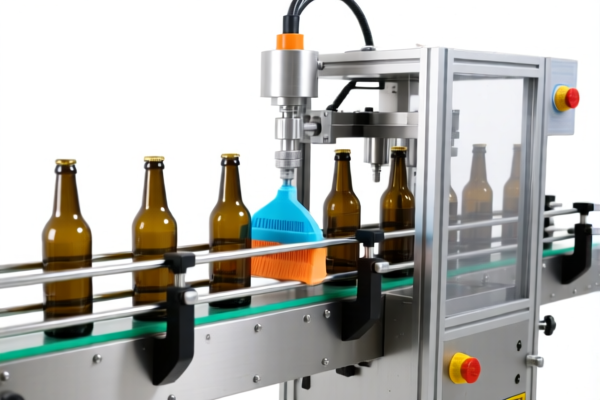
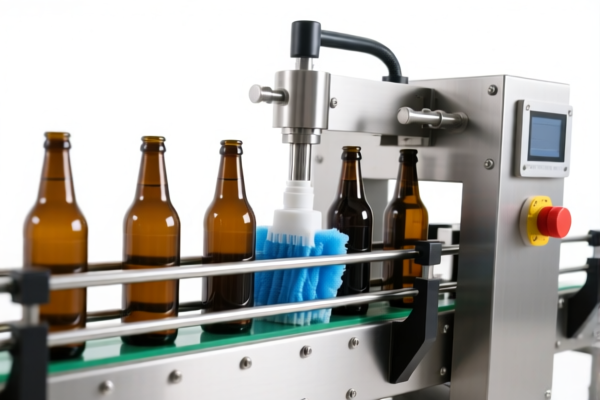
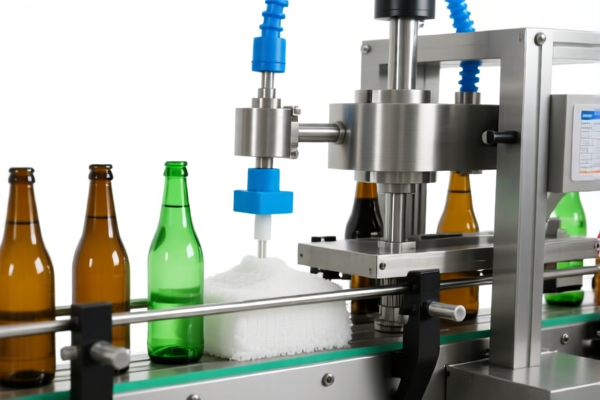
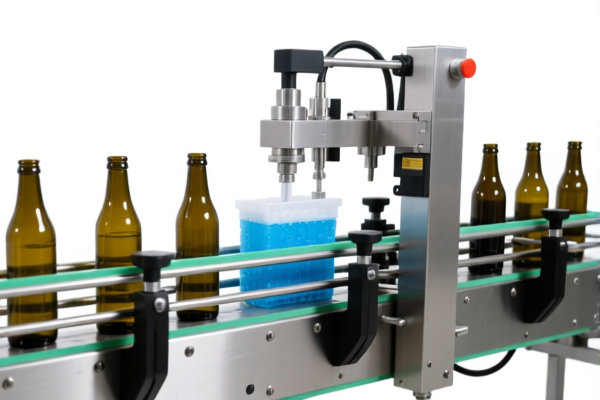
AI Analysis
🧼 Foam Cannon Bottle (Washing Machine Accessory)
🌐 HS Code Reference & Customs Clearance Guide | 2026 Latest Tariff Analysis | Professional-Level Compliance Strategy
📌 I. Product Definition & Classification: Do You Really Understand "Foam Cannon"?
A Foam Cannon Bottle (often used with pressure washers or car wash machines) is a device that mixes water and soap to create thick foam for cleaning. In international trade, its classification depends heavily on its material composition and functional mechanism.
It is generally categorized into two main types:
- Plastic Container/Accessory (Chapter 39): If classified primarily as a plastic vessel or attachment, regardless of whether it has internal mixing mechanisms.
- Mechanical Spraying/Hand Pump Device (Chapter 84/85): If classified based on its function as a hand-operated pump, jetting device, or sprayer.
⚠️ Key Distinction Point:
- If declared simply as a "container" or "bottle" made of plastic →归入 Chapter 39 (Plastics)
- If declared as a "sprayer," "pump," or "jetting device" with mechanical functionality →归入 Chapter 84 (Machinery/Tools)
📦 II. HS Code Classification Details (2026 Latest Tariff Authority Comparison)
Based on the provided data, here are the five potential HS codes for Foam Cannon Bottles, ranging from simple plastic containers to complex mechanical sprayers.
| HS Code | Product Description | Application Scenario | Functional Characteristic |
|---|---|---|---|
3926.90.10.00 |
Plastic Container (Foam Cannon as Vessel) | Plastic foam cannons where the bottle itself is the primary commodity | ✅ Plastic Material, Container Function |
3926.90.99.89 |
Other Plastic Articles (General) | Plastic foam cannons falling under "other plastic articles" | ✅ Plastic Material, Finished Consumer Good |
8413.20.00.00 |
Hand-Operated Pump | Manual foam cannons functioning as hand pumps for lifting/spraying liquid | ✅ Mechanical Pump, Hand-Operated |
8424.20.90.00 |
Sprayers & Similar Appliances (Other) | Foam cannons classified as generic sprayers/guns for liquid application | ✅ Spraying Function, Gun-like Shape |
8424.20.10.00 |
Spray Guns & Similar Appliances (Specific) | Foam cannons specifically categorized under "spray guns" | ✅ Spraying Function, Specific "Spray Gun" Category |
🔍 Key Reminder:
- Lowest Tax Strategy: Often classified as Plastic Containers (3926.90.10.00) to avoid high machinery tariffs.
- Highest Tax Risk: Classified as Mechanical Sprayers (8413/8424) triggers significant "Section 301" and "122 Clause" tariffs.
- Customs Logic: If the product is mostly plastic and the "pump" is minor/auxiliary, customs may lean towards Chapter 39. If it’s a professional-grade metal/plastic hybrid pump, Chapter 84 is more likely.
💰 III. 2026 Latest Tariff Rate Details (Including Surcharges, Policy Add-ons)
✅ Applicable Country: United States (US)
✅ Origin: China (CN)
✅ Effective Date: Post-2025 Tariff Regime (Includes Base + Section 301 + 122 Clause)
🎯 1. 3926.90.10.00 —— Plastic Container (Foam Cannon)
| Item | Detail |
|---|---|
| Base Tariff | 3.4% |
| Section 301 Surcharge | 7.5% |
| 122 Clause Tariff | 10% |
| Total Tax Rate | 20.9% |
| Tax Calculation | CIF Value × 20.9% |
| De Minimis Eligibility | ❌ No (Deemed as subject to additional tariffs) |
| Legal Basis Path | Base: 3926.90.10.00 → Sec301: 7.5% → 122Clause: 10% |
📌 Explanation:
- This is the most cost-effective classification for plastic foam cannons.
- The 10% "122 Clause" tariff is a specific surcharge often applied to certain consumer goods/plastics from China.
- Total burden: 20.9%.
🎯 2. 3926.90.99.89 —— Other Plastic Articles
| Item | Detail |
|---|---|
| Base Tariff | 5.3% |
| Section 301 Surcharge | 7.5% |
| 122 Clause Tariff | 10% |
| Total Tax Rate | 22.8% |
| Tax Calculation | CIF Value × 22.8% |
| De Minimis Eligibility | ❌ No |
| Legal Basis Path | Base: 3926.90.99.89 → Sec301: 7.5% → 122Clause: 10% |
📌 Note:
- Slightly higher base tariff than3926.90.10.00due to being a "catch-all" plastic category.
- Recommended only if the specific "10.00" subheading is rejected by customs.
🎯 3. 8413.20.00.00 —— Hand-Operated Pump
| Item | Detail |
|---|---|
| Base Tariff | 0.0% |
| Section 301 Surcharge | 25.0% |
| 122 Clause Tariff | 10% |
| Total Tax Rate | 35.0% |
| Tax Calculation | CIF Value × 35.0% |
| De Minimis Eligibility | ❌ No |
| Legal Basis Path | Base: 8413.20.00.00 → Sec301: 25.0% → 122Clause: 10% |
📌 Warning:
- Although the base tariff is 0%, the 25% Section 301 tariff drastically increases costs.
- This classification views the item as a mechanical pump, not just a plastic bottle.
🎯 4. 8424.20.90.00 —— Other Sprayers (Guns & Similar)
| Item | Detail |
|---|---|
| Base Tariff | 0.0% |
| Section 301 Surcharge | 25.0% |
| 122 Clause Tariff | 10% |
| Total Tax Rate | 35.0% |
| Tax Calculation | CIF Value × 35.0% |
| De Minimis Eligibility | ❌ No |
| Legal Basis Path | Base: 8424.20.90.00 → Sec301: 25.0% → 122Clause: 10% |
📌 Warning:
- Same high tariff structure as the pump classification.
- Commonly used for professional-grade foam cannons that resemble "guns."
🎯 5. 8424.20.10.00 —— Spray Guns & Similar Appliances
| Item | Detail |
|---|---|
| Base Tariff | 2.9% |
| Section 301 Surcharge | 25.0% |
| 122 Clause Tariff | 10% |
| Total Tax Rate | 37.9% |
| Tax Calculation | CIF Value × 37.9% |
| De Minimis Eligibility | ❌ No |
| Legal Basis Path | Base: 8424.20.10.00 → Sec301: 25.0% → 122Clause: 10% |
📌 Warning:
- Highest Tax Rate among all options (37.9%).
- This is the specific subheading for "Spray Guns." Avoid this unless the product is definitively a mechanical spray gun with metal parts or complex internal mechanisms.
🛠️ IV. Customs Clearance Practical Advice (Real-World Pitfall Guide)
✅ 1. Documentation Checklist (Missing Items = Delays)
| Document | Required? | Explanation |
|---|---|---|
| ✅ Product Specification Sheet | ✔️ | Must detail material (e.g., "PP Plastic"), volume, and whether it includes a nozzle/pump. |
| ✅ Product Photos | ✔️ | Clear shots of the bottle, nozzle, and any mechanical parts. |
| ✅ Commercial Invoice | ✔️ | Description should match the HS Code logic (e.g., "Plastic Foam Cannon Bottle" vs. "Hand Pump Sprayer"). |
| ✅ Packing List | ✔️ | List weights and dimensions accurately. |
| ✅ Material Declaration | ✔️ | Confirm if the item is 100% plastic or contains metal springs/pistons. |
✅ 2. Declaration Strategy (Key Mantras)
🔥 "Plastic Bottle = Low Tax; Mechanical Pump = High Tax!"
| Scenario | Correct Declaration | Wrong Declaration |
|---|---|---|
| Standard Plastic Foam Cannon (Common in car wash kits) | 3926.90.10.00 (Plastic Container) |
8424.20.10.00 (Spray Gun) → Tax Jumps from 20.9% to 37.9% |
| Professional Metal/Plastic Pump Gun | 8424.20.90.00 or 8413.20.00.00 |
3926.90.10.00 → Risk of Audit/Reclassification |
| Accessories Only (Nozzle caps, hoses) | Check Chapter 39 or 84 depending on part | Mixed declaration → Confusion |
✅ 3. Special Handling
| Situation | Handling Advice |
|---|---|
| OEM Custom Colors | Provide color codes, but emphasize material (Plastic) to stay in Ch 39. |
| Integrated Battery/Heater? | If the foam cannon has heating elements or batteries, it moves to Chapter 85. Consult a specialist. |
| Set with Hose? | If sold as a "Kit," declare the main item (Foam Cannon) but be prepared for customs to assess the whole kit. |
| Avoid "Spray Gun" in Name | If using Ch 39, use terms like "Foam Bottle," "Soap Dispenser," or "Sprayer Bottle" rather than "Spray Gun" in the description. |
🌍 V. Global Market Comparison (2026 Latest)
| Country/Region | Recommended HS Code | Tariff (China Origin) | Notes |
|---|---|---|---|
| 🇺🇸 USA | 3926.90.10.00 |
20.9% | Best option. Avoids 35%+ machinery rates. |
| 🇺🇸 USA (Mechanical) | 8424.20.10.00 |
37.9% | Only if clearly a mechanical spray gun. |
| 🇪🇺 EU | 3924.00 or 8424.80 |
0% - 6.5% | Generally no Section 301 equivalent. |
| 🇨🇳 China | 3926.90.90.00 |
~5% | Import duties are low, but focus is on domestic sales. |
| 🇬🇧 UK | 3926.90 |
0% - 4.5% | Post-Brexit rules apply, generally favorable. |
📌 Conclusion:
- The USA is the most critical market for tax optimization.
- Plastic classification (3926.90.10.00) saves ~17% in taxes compared to mechanical classification.
- Ensure your product looks and functions as a plastic container in documentation.
📌 VI. Common Errors & Pitfalls (Lessons Learned)
❌ Error 1: Calling it a "Spray Gun" in the commercial invoice when using HS Code 3926.90.10.00.
👉 Consequence: Customs mismatch, delay, or forced reclassification to 37.9%.
❌ Error 2: Declaring a metal-piston pump as a "Plastic Bottle" (3926.90.10.00).
👉 Consequence: Customs may detect metal components and reclassify to Chapter 84, charging back taxes + penalties.
❌ Error 3: Ignoring the 122 Clause Tariff.
👉 Consequence: Underestimating costs. Remember, even plastic items face the 10% surcharge.
❌ Error 4: Using 8424.20.10.00 (Spray Gun) when the item is a simple plastic bottle.
👉 Consequence: Paying 37.9% instead of 20.9% unnecessarily.
✅ Correct Approach:
"Plastic Foam Cannon Bottle for Car Wash, Handheld, Contains Soap Nozzle, Model ABC, 100% PP Plastic Body"
(Emphasize "Plastic," "Bottle," and avoid "Gun" or "Pump" if aiming for Ch 39)
🎯 VII. Conclusion: Professional Declaration, Cost Optimization!
🎯 Remember the Mantra:
🔹 "Plastic Bottle = 20.9%; Mechanical Gun = 37.9%"
🔹 "Use 'Foam Cannon' or 'Sprayer Bottle', Avoid 'Spray Gun' for Ch 39"
🔹 "122 Clause is 10%, Always Factor it In"
📌 Pro Tip:
If your foam cannon has significant metal parts (e.g., aluminum barrel, steel spring), customs may insist on Chapter 84. In that case, calculate the break-even point:
- Is the extra profit worth the 17% tax difference?
- Consider sourcing components from non-China countries to mitigate Section 301 tariffs if targeting the US.
📣 Immediate Action:
📞 Contact your customs broker with photos and material specs.
🚀 Apply for a Pre-Ruling if shipping high volume.
💼 Accurate HS Code = Accurate Profit!
✨ Professional Clearance Starts with Accurate Classification!
💼 Every Percent Saved is Pure Profit!
Customer Reviews
About HS Code Classification
The Harmonized System (HS) is an internationally standardized nomenclature developed by the World Customs Organization (WCO) to classify traded products. Over 200 countries use the HS system as the basis for customs tariffs, trade statistics, and import/export regulations.
Each HS code follows a hierarchical structure:
- Chapter (2 digits) — Broad category of goods (e.g., Chapter 84: Machinery and Mechanical Appliances)
- Heading (4 digits) — More specific grouping within the chapter
- Subheading (6 digits) — Internationally standardized breakdown, used by all WCO member countries
- National subdivisions (8-10 digits) — Country-specific extensions for further classification, such as US HTSUS 10-digit codes
Correct HS code classification is essential for smooth customs clearance, accurate duty payment, and compliance with trade regulations. Misclassification can lead to customs delays, overpayment of duties, or penalties.
When importing from CN to US, the applicable tariff rates may include:
- Most-Favored-Nation (MFN) rate — The standard duty rate applied to WTO members
- General rate — Applied to countries without trade agreements
- Trade remedy duties — Additional tariffs such as Section 301 (anti-dumping), Section 232 (national security), or countervailing duties
The information provided on this page is for reference purposes only. For official classification, please consult with your local customs authority or a licensed customs broker.