Foamed Polystyrene Advertising Letters
CN → US| HS Code | Tariff Rate | Origin | Destination | Doc |
|---|---|---|---|---|
| 3926400010 | 15.3% | CN | US | Official Doc |
| 3926909989 | 22.8% | CN | US | Official Doc |
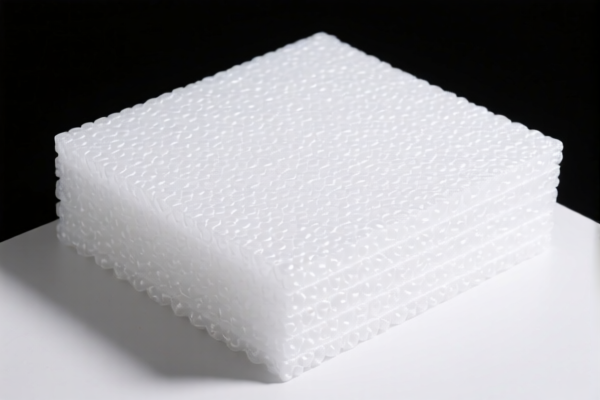
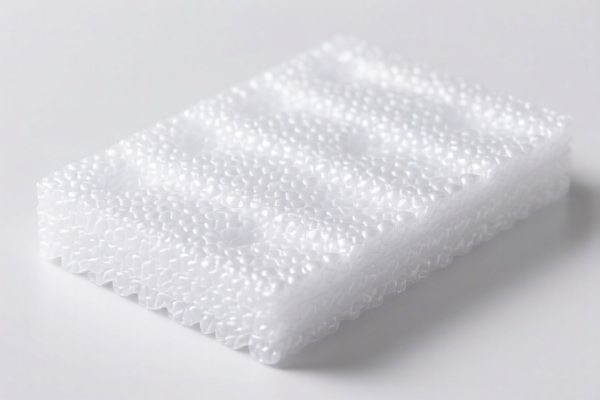
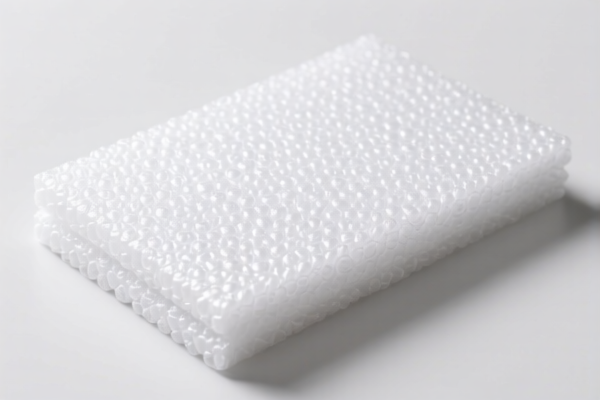
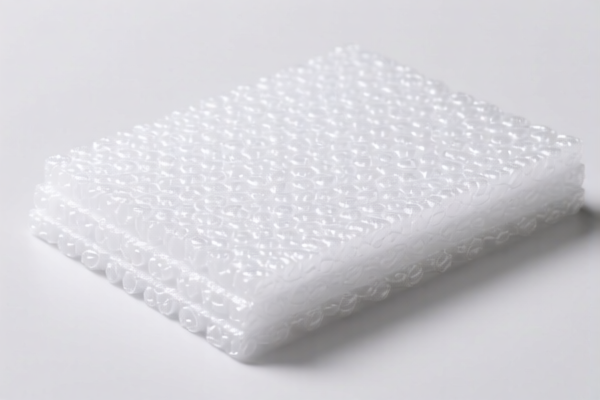
Product Images
AI Analysis
📢 Foamed Polystyrene Advertising Letters (PS Foam Signs)
🌐 HS Code Reference & Clearance Guide | 2026 Latest Tariff Analysis | Professional Clearance Strategy
📌 I. Product Definition & Classification: What are "Foamed Polystyrene Advertising Letters"?
Foamed Polystyrene (often referred to as XPS, EPS, or PS Foam) advertising letters are three-dimensional signage components made from expanded polystyrene beads. They are widely used for: 1. Indoor/Outdoor Signage: Shop fronts, event banners, and exhibition stands. 2. Decorative Props: Party decorations, window displays, and festive ornaments. 3. 3D Letters/Logos: Often painted, foil-wrapped, or lit with LED strips.
In international trade, these products are classified based on their material (Plastics/Polystyrene) and their function (Ornamental/Decorative vs. Functional Machinery Parts).
⚠️ Key Distinction Point:
- If the letters are used purely as decorative items, gifts, or ornamental displays (even if they spell out a brand name), they fall under Heading 3926.
- If they are rigid signs meant for permanent mounting with integrated lighting/electronics, they might be argued for electrical headings, but foamed letters alone are almost exclusively classified as plastic articles.
📦 II. HS Code Classification Details (2026 Latest Tariff Mapping)
Based on the provided data, there are two primary HS Codes for these items depending on their specific nature and completeness.
| HS Code | Product Description | Application Scenario | Classification Logic |
|---|---|---|---|
3926.40.00.10 |
Statuettes and other ornamental articles; Bows and similar products for decorative purposes | Single decorative letters, gift-packaging letters, festive props, non-functional 3D logos | ✅ Decorative/Ornamental Primary Classification |
3926.90.99.89 |
Other articles of plastics; Other: Other | Standard advertising letters without specific "ornamental" status, bulk plain foam letters, or functional components not covered elsewhere | ⚠️ Generic Plastic Article Fallback Classification |
🔍 Critical Note:
-3926.40.00.10is the most accurate for "Advertising Letters" if they are styled as decorative props, gifts, or ornamental signage (e.g., "Happy Birthday" foam letters, boutique logo props).
-3926.90.99.89applies if the letters are considered standard industrial plastic articles without specific ornamental intent, or if customs officers dispute the "ornamental" classification.
💰 III. 2026 Latest Tariff Rate Breakdown (Detailed Tax Analysis)
✅ Applicable Country: United States (US)
✅ Origin: China (CN)
✅ Effective Date: Current 2026 Tariff Schedule
🎯 1. 3926.40.00.10 —— Ornamental/Decorative Plastic Letters
| Item | Content |
|---|---|
| Basic Tariff | 5.3% (Base Ad Valorem) |
| Section 301/Additional Tariff | 0.0% (Specific to this subheading) |
| Total Tax Rate | 5.3% |
| Tax Calculation | CIF Value × 5.3% |
| De Minimis Eligibility | ⚠️ Check Threshold: Typically, de minimis ($800) applies to low-value goods, but commercial shipments must declare fully. |
| Legal Basis Path | HTSUS:3926.40 → USITC:3926.40.00.10 |
📌 Explanation:
- This classification benefits from lower additional tariffs compared to general plastic goods.
- The "0.0%" additional tariff suggests that decorative plastic items are exempt from certain punitive Section 301 tariffs that apply to broader plastic manufacturing inputs.
- Cost Advantage: This is the preferred classification for importers to minimize duty costs.
🎯 2. 3926.90.99.89 —— Other Plastic Articles (Generic)
| Item | Content |
|---|---|
| Basic Tariff | 5.3% (Base Ad Valorem) |
| Additional Tariff | +7.5% (Trade Remedy/Section 301 Additional Duty) |
| Total Tax Rate | 12.8% |
| Tax Calculation | CIF Value × 12.8% |
| De Minimis Eligibility | ⚠️ Subject to Higher Scrutiny |
| Legal Basis Path | HTSUS:3926.90 → USITC:3926.90.99.89 → AddTariff:7.5% |
📌 Warning:
- The 7.5% additional tariff significantly increases the landed cost.
- This classification is more expensive and should be avoided if the product can be justified as "ornamental."
🛠️ IV. Clearance Practical Advice (Avoiding Pitfalls)
✅ 1. Documentation Checklist (Must-Have)
| Document | Required? | Description |
|---|---|---|
| ✅ Commercial Invoice | ✔️ | Must clearly state "Foamed Polystyrene Advertising Letters" or "Decorative Plastic Props." |
| ✅ Product Photos | ✔️ | Show the letters as finished decorative items (e.g., painted, foil-wrapped, or displayed at an event). Avoid showing raw, bulk foam blocks. |
| ✅ Material Certificate | ✔️ | Confirm material is Polystyrene (PS) or Expanded Polystyrene (EPS). Do not list as "Polyethylene" or other plastics. |
| ✅ Packing List | ✔️ | Detail quantity, weight, and dimensions. |
| ✅ Customs Ruling (Optional) | ✔️ | If high volume, apply for a Pre-Ruling to lock in 3926.40.00.10. |
✅ 2. Declaration Strategy (Key Tips)
🔥 “Decorative Intent, Ornamental Description, Lower Tax Rate!”
| Scenario | Correct Declaration | Incorrect Declaration | Risk |
|---|---|---|---|
| Party/Event Letters | "Decorative Foamed PS Letters for Event Props" | "Plastic Packaging" | Misclassification → 12.8% or higher |
| Storefront 3D Logos | "Ornamental Plastic Statuette/Logo" | "Signage Hardware" | Wrong Heading → Delayed Clearance |
| Raw Foam Blocks | "Other Plastic Articles" (3926.90.99.89) |
"Ornamental Articles" | Rejection → Base rate 5.3% + 7.5% |
✅ 3. Special Considerations
| Issue | Solution |
|---|---|
| Paint/Varnish Content | If heavily painted, declare as "Decorative." If purely raw foam, 3926.90.99.89 may be forced. |
| LED Integration | If letters have built-in wiring/batteries, customs may classify under Chapter 85 (Electrical). Keep electronics separate if possible to retain Chapter 39 classification. |
| Bulk vs. Retail | Bulk shipments of plain letters are at higher risk of being classified as 3926.90.99.89. Retail-ready, styled letters favor 3926.40.00.10. |
🌍 V. Global Market Comparison (2026)
| Country/Region | Recommended HS Code | Tariff Rate | Remarks |
|---|---|---|---|
| 🇺🇸 USA | 3926.40.00.10 |
5.3% | Best for ornamental/decorative intent. |
| 🇺🇸 USA | 3926.90.99.89 |
12.8% | Generic plastic articles. Avoid if possible. |
| 🇪🇺 EU | 3926.40 |
4.7% | Similar classification logic. |
| 🇨🇳 China | 3926.40 |
5.3% | Consistent with US structure. |
📌 Conclusion:
- The US offers a 7.5% tax savings by correctly classifying foam letters as "ornamental" (3926.40.00.10) rather than "other plastic articles" (3926.90.99.89).
- Documentation is key: Proving the "decorative/ornamental" nature is essential to qualify for the lower rate.
📌 VI. Common Errors & Pitfalls (Lessons Learned)
❌ Error 1: Declaring as "Plastic Packaging"
👉 Result: Incorrect HS Code, potential anti-dumping duties.
❌ Error 2: Declaring as "Signage" without proving "Ornamental" status
👉 Result: Customs may default to 3926.90.99.89 (12.8%) due to lack of proof of decorative intent.
❌ Error 3: Ignoring the "Ornamental" definition
👉 Result: If the letters are plain, uncolored, and sold in bulk as raw materials, they cannot be declared as ornamental. Use 3926.90.99.89.
✅ Best Practice:
"3D Decorative Foamed Polystyrene Letters, Painted/Foil-Wrapped, for Party/Event Decoration, Model XYZ, HS Code 3926.40.00.10"
🎯 VII. Conclusion: Smart Classification, Higher Margins
🎯 Key Takeaway:
🔹 "Decorative = 5.3% | Generic = 12.8%"
🔹 Prove it’s Ornamental through photos, descriptions, and usage context.
🔹 Avoid "Plastic Packaging" or "Hardware" misclassifications.
📌 Pro Tip:
If you are importing large volumes, apply for an Advance Ruling from CBP (U.S. Customs and Border Protection) to confirm 3926.40.00.10 eligibility. This prevents unexpected 12.8% duties at the port of entry.
📣 Act Now:
📞 Review your product photos and invoice descriptions.
🚀 Ensure "Decorative/Ornamental" keywords are present.
💡 Save 7.5% on every shipment!
✨ Precision in Classification, Profit in Clearance!
💼 Don’t let a 7.5% mistake cost you your margin!
Customer Reviews
About HS Code Classification
The Harmonized System (HS) is an internationally standardized nomenclature developed by the World Customs Organization (WCO) to classify traded products. Over 200 countries use the HS system as the basis for customs tariffs, trade statistics, and import/export regulations.
Each HS code follows a hierarchical structure:
- Chapter (2 digits) — Broad category of goods (e.g., Chapter 84: Machinery and Mechanical Appliances)
- Heading (4 digits) — More specific grouping within the chapter
- Subheading (6 digits) — Internationally standardized breakdown, used by all WCO member countries
- National subdivisions (8-10 digits) — Country-specific extensions for further classification, such as US HTSUS 10-digit codes
Correct HS code classification is essential for smooth customs clearance, accurate duty payment, and compliance with trade regulations. Misclassification can lead to customs delays, overpayment of duties, or penalties.
When importing from CN to US, the applicable tariff rates may include:
- Most-Favored-Nation (MFN) rate — The standard duty rate applied to WTO members
- General rate — Applied to countries without trade agreements
- Trade remedy duties — Additional tariffs such as Section 301 (anti-dumping), Section 232 (national security), or countervailing duties
The information provided on this page is for reference purposes only. For official classification, please consult with your local customs authority or a licensed customs broker.