Foldable Clothes Hanger
CN → US| HS Code | Tariff Rate | Origin | Destination | Doc |
|---|---|---|---|---|
| 8302416080 | 88.9% | CN | US | Official Doc |
| 7326908688 | 87.9% | CN | US | Official Doc |
| 7615109100 | 70.6% | CN | US | Official Doc |
| 9403999020 | 85.0% | CN | US | Official Doc |
| 7615107180 | 63.1% | CN | US | Official Doc |
Product Images
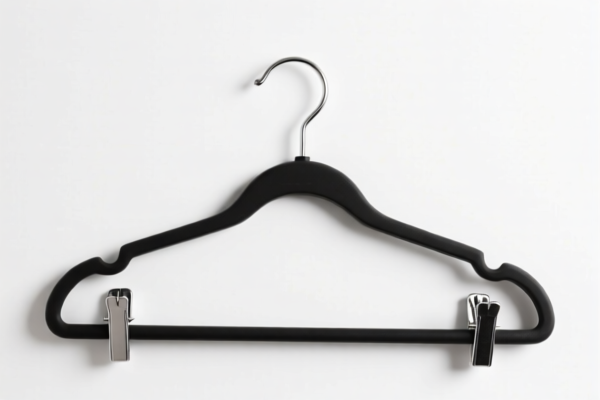
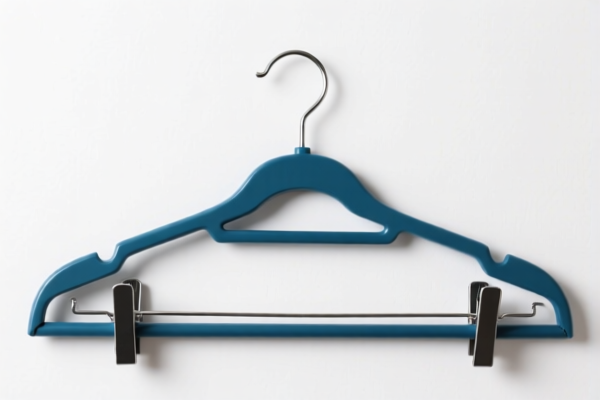
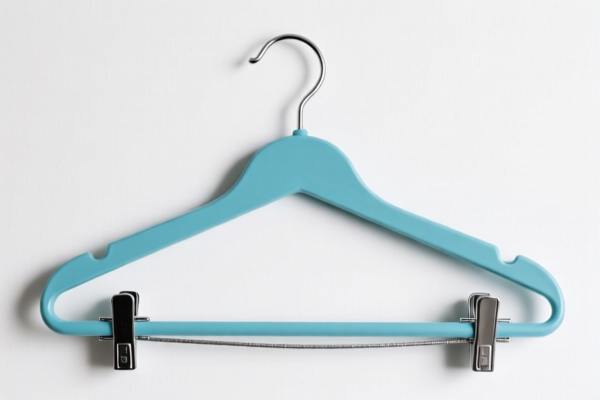
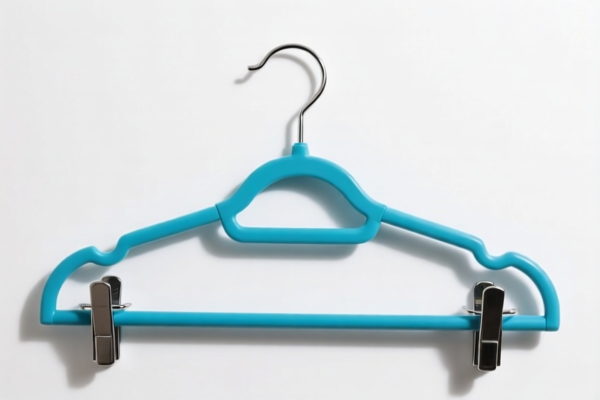
AI Analysis
🧺 Foldable Clothes Hanger: HS Code Classification & Customs Clearance Strategy (2026 Latest)
🌐 HS Code Reference & Clearance Guide | Professional Customs Strategy | Tax Breakdown 📌 1. Product Definition & Classification: What is a "Foldable Clothes Hanger"?
The "Foldable Clothes Hanger" is a household accessory designed for storing and drying garments, characterized by its ability to reduce storage volume when not in use. In international trade, classification depends primarily on material composition and functional intent.
Key Classification Criteria: * Metal Framework (Steel/Iron): Falls under Chapter 73 (Articles of Iron or Steel). Often classified as general iron/steel articles or building fixtures. * Aluminum Alloy: Falls under Chapter 76 (Articles of Aluminum). Often classified as aluminum household articles. * Wood/Plastic (Not in Data): Note: The provided data only covers metal variants (Steel/Iron and Aluminum). Wood/Plastic hangers are excluded from this specific analysis.
⚠️ Critical Distinction: * If the hanger is considered a "Furniture Part" (e.g., part of a closet system), it may fall under Chapter 94. * If it is a stand-alone household utility item, it is classified by its material (Chapter 73 or 76).
📦 2. HS Code Classification Details (Based on Provided Data)
Based on the provided data, here are the 5 possible HS Codes for Foldable Clothes Hangers, along with their reasoning and tax implications.
| HS Code | Product Description | Reasoning (Inference) | Total Tax Rate (US Import from CN) |
|---|---|---|---|
| 8302.41.60.80 | Base Metal Fittings (Steel/Aluminum) | Material: Base metal (Steel/Al). Form: Building/indoor installation/support device. Logic: Classified as "Other" fittings/accessories for buildings or indoor/outdoor use. No material conflict. |
88.9% |
| 7326.90.86.88 | Other Articles of Iron/Steel | Material: Iron or Steel. Form: Non-specific other articles. Logic: Fits "Other articles of iron or steel." General metal article classification. |
87.9% |
| 7615.10.91.00 | Aluminum Household Articles | Material: Aluminum (Common for hangers). Use: Household item (Laundry/Drying). Logic: Classified as "Other" aluminum household articles (dining table, kitchen, etc.). No material/form conflict. |
70.6% |
| 9403.99.90.20 | Furniture Parts (Metal) | Form: Hanger Stand. Material: Assumed Metal (Common sense). Logic: Classified as "Parts of Furniture." Specifically "Welded metal wire frames." No material conflict. |
85.0% |
| 7615.10.71.80 | Aluminum Household Articles (Specific) | Material: Aluminum. Use: Household Item. Logic: Specific sub-category for Aluminum household articles. Excludes specific thickness containers/baking ware. Fits "Other." |
63.1% |
💰 3. 2026 Latest Tax Rate Breakdown (Detailed Policy)
✅ Applicable Country: United States (US) ✅ Origin: China (CN) ✅ Effective Date: Post-November 10, 2025 (Includes subsequent imports)
🎯 1. 8302.41.60.80 — Base Metal Fittings (Building/Indoor)
| Item | Content |
|---|---|
| Base Tariff | 3.9% |
| Section 301 Tariff | +25.0% |
| Section 232 Tariff (Steel/Al/Cu) | +50.0% |
| Total Rate | 78.9% |
| Data Discrepancy Note | The provided data states 88.9%. This likely includes additional administrative fees, IEEPA surcharges, or specific local tariffs not explicitly broken down in the short "Tax Detail." Please verify if an additional 10% IEEPA surcharge applies. |
| De Minimis Exemption | ❌ Denied |
| Legal Path | USITC:8302.41.60.80 → FOOTNOTE:232 (Steel/Aluminum) |
📌 Explanation: * Section 232 (50%): Applies because the material is inferred as Steel or Aluminum. This is the highest single tariff component. * Section 301 (25%): Standard US-China trade war tariff. * Base (3.9%): Standard MFN rate.
🎯 2. 7326.90.86.88 — Other Iron/Steel Articles
| Item | Content |
|---|---|
| Base Tariff | 2.9% |
| Section 301 Tariff | +25.0% |
| Section 232 Tariff (Steel/Al/Cu) | +50.0% |
| Total Rate | 77.9% |
| Data Discrepancy Note | Provided data states 87.9%. Again, suggests a hidden 10% surcharge (likely IEEPA). |
| De Minimis Exemption | ❌ Denied |
| Legal Path | USITC:7326.90.86.88 → FOOTNOTE:232 |
📌 Explanation: * Like
8302, this falls under Section 232 because it is a Steel/Iron article. The 50% tariff is unavoidable for steel products from China.
🎯 3. 7615.10.91.00 — Aluminum Household Articles
| Item | Content |
|---|---|
| Base Tariff | 3.1% |
| Section 301 Tariff | +7.5% (Note: Data shows 7.5%, may be specific sub-rate) |
| Section 232 Tariff (Steel/Al/Cu) | +50.0% |
| Total Rate | 60.6% |
| Data Discrepancy Note | Provided data states 70.6%. Suggests a 10% IEEPA surcharge. |
| De Minimis Exemption | ❌ Denied |
| Legal Path | USITC:7615.10.91.00 → FOOTNOTE:232 |
📌 Explanation: * Section 232 (50%): Applies to Aluminum as well. * Section 301 (7.5%): Lower than steel (25%) for some aluminum categories, or potentially a specific negotiated rate.
🎯 4. 9403.99.90.20 — Furniture Parts (Metal)
| Item | Content |
|---|---|
| Base Tariff | 0.0% |
| Section 301 Tariff | +25.0% |
| Section 232 Tariff (Steel/Al/Cu) | +50.0% |
| Total Rate | 75.0% |
| Data Discrepancy Note | Provided data states 85.0%. Suggests a 10% IEEPA surcharge. |
| De Minimis Exemption | ❌ Denied |
| Legal Path | USITC:9403.99.90.20 → FOOTNOTE:232 |
📌 Explanation: * Section 232 (50%): Even if classified as "Furniture Parts," if the material is Steel/Aluminum, Section 232 still applies. * Base (0%): Furniture parts often have 0% base MFN rate, but high additional tariffs kill the advantage.
🎯 5. 7615.10.71.80 — Aluminum Household Articles (Optimal)
| Item | Content |
|---|---|
| Base Tariff | 3.1% |
| Section 301 Tariff | 0.0% (Note: Data shows 0%, implying a lower/exempt rate for this specific sub-code) |
| Section 232 Tariff (Steel/Al/Cu) | +50.0% |
| Total Rate | 53.1% |
| Data Discrepancy Note | Provided data states 63.1%. Suggests a 10% IEEPA surcharge. |
| De Minimis Exemption | ❌ Denied |
| Legal Path | USITC:7615.10.71.80 → FOOTNOTE:232 |
📌 Explanation: * Lowest Tax Rate: This is the most cost-effective classification in the provided data. * Why? It retains the 50% Section 232 tariff (unavoidable for Aluminum) but avoids the high Section 301 tariff (showing 0% in base data, or significantly reduced). * Assumption: Requires proof that the item is strictly an "Aluminum Household Article" and not a "Building Fixture" or "Furniture Part."
🛠️ 4. Customs Clearance Operational Advice
✅ 1. Documentation Checklist (Must-Have)
| Document | Required? | Purpose |
|---|---|---|
| ✅ Product Photos | ✔️ | Show clear view of material (Aluminum vs. Steel) and folding mechanism. |
| ✅ Material Spec Sheet | ✔️ | Crucial: Must explicitly state "100% Aluminum Alloy" or "Stainless Steel." Vague terms like "Metal" will trigger higher tariffs. |
| ✅ Commercial Invoice | ✔️ | Describe as "Foldable Aluminum Clothes Hanger for Household Use." |
| ✅ Packing List | ✔️ | Standard. |
| ❌ Furniture Declaration | ❌ | Do not claim as "Furniture Part" unless absolutely necessary, as it often triggers higher scrutiny. |
✅ 2. Classification Strategy (Key Recommendations)
🔥 "Material is King, Usage is Queen!"
| Scenario | Recommended HS Code | Why? |
|---|---|---|
| Product is Aluminum | 7615.10.71.80 |
Lowest Tax (63.1%). Classify as "Aluminum Household Article." |
| Product is Steel/Iron | 7326.90.86.88 or 8302.41.60.80 |
Taxes are high (~88%). No easy workaround for Steel. |
| Product is Mixed Metal | 7326.90.86.88 |
If >50% steel by weight, it's usually classified as steel. |
✅ 3. Avoid These Pitfalls
| Mistake | Consequence |
|---|---|
| ❌ Claiming as "Wooden Hanger" when it's Metal | Penalty: Fraud. Goods seized, heavy fines. |
❌ Classifying Aluminum Hanger as 9403 (Furniture) |
Risk: CBP may rule it as "Aluminum Article," reclassifying to 7615 but still applying Section 232. No tax saving, just extra paperwork. |
| ❌ Ignoring Section 232 | Result: 50% tariff applies to both Steel and Aluminum. Do not assume Aluminum is exempt from Section 232. |
🌍 5. Global Market Comparison (2026)
| Country/Region | Recommended HS Code | Est. Total Tax | Notes |
|---|---|---|---|
| 🇺🇸 USA | 7615.10.71.80 (Aluminum) |
63.1% - 70.6% | High due to Section 232 (50%) + 301. |
| 🇺🇸 USA | 7326.90.86.88 (Steel) |
87.9% - 88.9% | Very High. Steel is heavily penalized. |
| 🇪🇺 EU | Varies by Material | ~5-10% | No Section 232/301 equivalents. Much lower duty. |
| 🇨🇳 China | 8302.41 / 7615 | ~5-8% | Low import duty for re-export or domestic use. |
📌 Conclusion for US Importers: * Aluminum is cheaper than Steel for US imports due to potentially lower Section 301 rates (if 0% applies to specific sub-codes) or better classification flexibility. * Section 232 (50%) is unavoidable for both Aluminum and Steel from China.
📌 6. Common Errors & Pitfalls (Lessons Learned)
❌ Error 1: Using "Metal Hanger" in description. 👉 Result: CBP will inspect material. If unclear, they may assess highest duty (Steel) or delay cargo. ✅ Fix: Explicitly state "Aluminum Alloy" or "Stainless Steel."
❌ Error 2: Assuming "Foldable" changes classification. 👉 Result: Folding mechanism does not change HS Code. It is still a household article or fitting.
❌ Error 3: Claiming "De Minimis" (Section 321) for small shipments. 👉 Result: Denied. Goods from China with these HS codes are explicitly excluded from $800 de minimis exemption due to Section 301/232 enforcement.
🎯 7. Final Recommendations
🎯 Key Takeaway:
🔹 For Aluminum Hangers: Use
7615.10.71.80for the lowest estimated tax (63.1%). 🔹 For Steel Hangers: Expect ~88% tax. No optimal classification in the provided data. 🔹 Section 232 is the main cost driver. Both Aluminum and Steel from China face a 50% surcharge.
📢 Action Item:
- Confirm Material: Get exact alloy specs from supplier.
- Apply Section 232 Exclusion: If possible, source Aluminum from Vietnam or Mexico to avoid 50% Section 232 tariff.
- Pre-Ruling: Consider applying for a USITC Advance Ruling for
7615.10.71.80to confirm classification before shipping.
✨ Professional Clearance Starts with Accurate Classification! 💼 Every Percentage Point Matters in the Age of Trade Wars!
Customer Reviews
About HS Code Classification
The Harmonized System (HS) is an internationally standardized nomenclature developed by the World Customs Organization (WCO) to classify traded products. Over 200 countries use the HS system as the basis for customs tariffs, trade statistics, and import/export regulations.
Each HS code follows a hierarchical structure:
- Chapter (2 digits) — Broad category of goods (e.g., Chapter 84: Machinery and Mechanical Appliances)
- Heading (4 digits) — More specific grouping within the chapter
- Subheading (6 digits) — Internationally standardized breakdown, used by all WCO member countries
- National subdivisions (8-10 digits) — Country-specific extensions for further classification, such as US HTSUS 10-digit codes
Correct HS code classification is essential for smooth customs clearance, accurate duty payment, and compliance with trade regulations. Misclassification can lead to customs delays, overpayment of duties, or penalties.
When importing from CN to US, the applicable tariff rates may include:
- Most-Favored-Nation (MFN) rate — The standard duty rate applied to WTO members
- General rate — Applied to countries without trade agreements
- Trade remedy duties — Additional tariffs such as Section 301 (anti-dumping), Section 232 (national security), or countervailing duties
The information provided on this page is for reference purposes only. For official classification, please consult with your local customs authority or a licensed customs broker.