Foldable Lunch Box
CN → US| HS Code | Tariff Rate | Origin | Destination | Doc |
|---|---|---|---|---|
| 7323999080 | 88.4% | CN | US | Official Doc |
| 7323999030 | 88.4% | CN | US | Official Doc |
| 3924104000 | 13.4% | CN | US | Official Doc |
| 3924101000 | 13.4% | CN | US | Official Doc |
| 4202920809 | 42.0% | CN | US | Official Doc |
| 4202920807 | 42.0% | CN | US | Official Doc |
Product Images
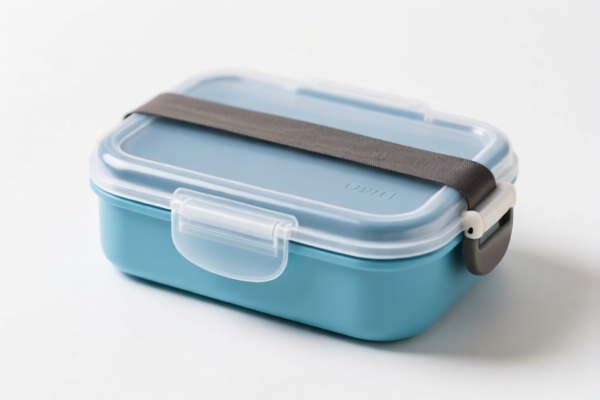
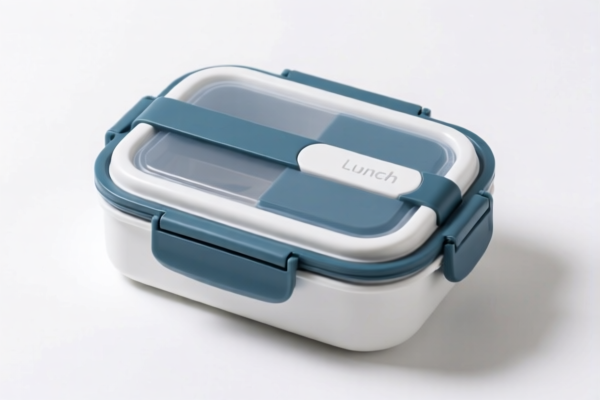
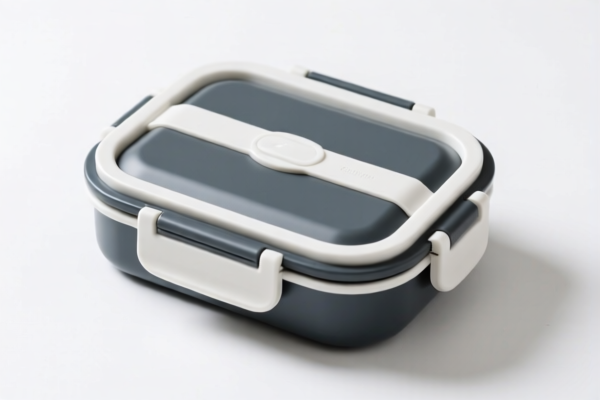
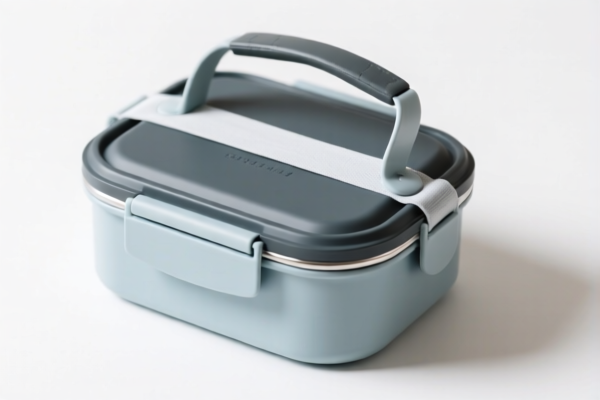
AI Analysis
🥗 Foldable Lunch Box (Silicone/Flexible Kitchenware)
🌐 HS Code Reference & Customs Clearance Guide | 2026 Latest Tariff Analysis | Professional Level Compliance Strategy
📌 1. Product Definition & Classification: What Exactly is a "Foldable Lunch Box"?
A Foldable Lunch Box typically refers to kitchenware or household containers designed for food storage and transport, featuring flexible materials (usually food-grade silicone or plastic) that allow them to collapse or fold for space-saving. In international trade, classification depends heavily on the material and primary use.
Key Distinctions: * Plastic/Silicone Containers: If made of plastics (including silicone, which is often classified under plastics or rubber depending on specific formulation and national tariff schedules, but here we look at the provided data), they fall under Chapter 39 (Plastics). * Metal Containers: If the "lunch box" has a rigid metal frame or is made of stainless steel/iron, it falls under Chapter 73 (Iron/Steel). * Insulated Bags: If the product is a soft, flexible bag with insulation layers (no rigid box structure), it may fall under Chapter 42 (Articles of Leather/Textiles/Plastics Sheets).
⚠️ Critical Classification Point:
- If it is a rigid or semi-rigid container made of plastic/silicone for direct food contact → HS 3924.10.xxxxx (Plastics).
- If it is a metal box (even if collapsible/foldable in design but made of steel) → HS 7323.99.xxxxx (Iron/Steel).
- If it is a soft insulated bag (fabric/textile outer, insulated) → HS 4202.92.xxxxx (Bag).
📦 2. HS Code Classification Details (Based on Provided Data)
| HS Code | Product Description | Material/Structure | Applicable Scenario |
|---|---|---|---|
7323.99.90.80 |
Table, kitchen or other household articles... of iron or steel; ... Other: Other: Not coated or plated with precious metal: Other: Other Other | Iron/Steel | Metal lunch boxes, stainless steel containers, steel pot scourers (if misclassified as part of article). Note: Most foldable lunch boxes are NOT metal. |
7323.99.90.30 |
... Other: Other Kitchen or tableware suitable for food or drink contact | Iron/Steel | Specific steel kitchenware suitable for food. Rare for "foldable" unless metal accordion-style. |
3924.10.40.00 |
Tableware, kitchenware... of plastics: Tableware and kitchenware: Other | Plastic/Silicone | Most Common. Silicone folding containers, plastic Tupperware-style boxes, flexible food storage. |
3924.10.10.00 |
... Tableware and kitchenware: Salt, pepper, mustard and ketchup dispensers... | Plastic | Dispensers, not typical lunch boxes. Exclude. |
4202.92.08.09 |
... Insulated food or beverage bags: With outer surface of textile materials: Other Other (870) | Textile/Soft Bag | Soft insulated lunch totes, bento bags, collapsible fabric carriers. No rigid box. |
4202.92.08.07 |
... Insulated food or beverage bags: With outer surface of textile materials: Other Of man-made fibers (670) | Man-made Fiber/Soft Bag | Synthetic fiber insulated bags. No rigid box. |
🔍 Focus Analysis:
Most "Foldable Lunch Boxes" sold globally are Silicone (Plastics) or Plastic. Therefore, HS 3924.10.40.00 is the most likely correct classification for the container itself.
If the product is a soft insulated bag carrying food, use HS 4202.92.08.09 or 4202.92.08.07.
Iron/Steel (HS 7323) is unlikely unless specifically made of metal.
💰 3. Tariff Rate Details (2026 Latest Tariff Rates)
✅ Applicable Country: United States (US)
✅ Origin: China (CN) [Assuming origin based on high tariff context in data]
✅ Effective Time: Current rates as per provided data
🎯 1. 3924.10.40.00 —— Plastic Tableware and Kitchenware (Most Likely)
| Item | Content |
|---|---|
| Base Tariff | 3.4% (ad valorem) |
| Section 301/Additional Tariff | 0.0% |
| Total Tariff | 3.4% |
| Tax Calculation | CIF Value × 3.4% |
| De Minimis Eligibility | ❌ No (Standard for full container loads; LCL may vary but generally not eligible if >$800 value per shipment) |
| Legal Basis | Standard USITC Tariff Schedule for Plastics |
📌 Explanation:
- Plastic kitchenware (including silicone folding containers) enjoys a low base tariff of 3.4%.
- Crucially, the provided data shows 0% additional tariff for this HS Code. This is significantly lower than the 25% or 50% rates applied to steel/aluminum products.
- Cost Advantage: This is a low-risk, low-cost classification for US imports compared to metal goods.
🎯 2. 7323.99.90.80 & 7323.99.90.30 —— Iron/Steel Articles (If Misclassified)
| Item | Content |
|---|---|
| Base Tariff | 3.4% |
| Section 301/Additional Tariff | 25.0% (Standard) + 50% (Steel/Aluminum/Copper Specific) |
| Total Tariff | 78.4% |
| Tax Calculation | CIF Value × 78.4% |
| De Minimis Eligibility | ❌ No |
| Legal Basis | USITC Footnotes for Steel/Aluminum |
📌 Warning:
- If your "foldable lunch box" is mistakenly declared as steel (e.g., due to metal hinges or frames), you face a 78.4% total tariff.
- Action: Ensure material is correctly declared as Plastic/Silicone to avoid this massive tax hike.
🎯 3. 4202.92.08.09 / 4202.92.08.07 —— Insulated Fabric Bags (Soft Version)
| Item | Content |
|---|---|
| Base Tariff | 0.0% |
| Additional Tariff | 0.0% |
| Total Tariff | 0.0% |
| Tax Calculation | CIF Value × 0.0% |
| De Minimis Eligibility | ❌ No (Usually) |
| Legal Basis | USITC Tariff Schedule for Textile/Plastic Sheet Bags |
📌 Note:
- If you sell soft insulated bento bags (no rigid box), the tariff is 0%.
- However, if the product includes a rigid silicone/plastic container inside, customs may reclassify it to 3924.10.40.00 (3.4% tariff) rather than 0%.
- Recommendation: If selling both, clearly separate: "Soft Bag" vs. "Plastic Container".
🛠️ 4. Customs Clearance Practical Advice (Pitfall Avoidance Guide)
✅ 1. Required Documentation Checklist
| Document | Mandatory? | Description |
|---|---|---|
| ✅ Product Photos | ✔️ | Must clearly show material (silicone/plastic texture), foldability, and any metal parts. |
| ✅ Material Declaration | ✔️ | Explicitly state: "100% Food Grade Silicone" or "Polypropylene Plastic". Avoid vague terms like "mixed material" without breakdown. |
| ✅ Commercial Invoice | ✔️ | Description must match HS Code. Use: "Silicone Foldable Food Container, Plastic, For Kitchen Use". |
| ✅ FDA Compliance Letter | ✔️ | Required for food-contact items. Must confirm LFGB or FDA standards. |
| ✅ Packing List | ✔️ | List contents separately if bag + container are sold together. |
✅ 2. Classification Tips (Key Mnemonics)
🔥 “Silicone is Plastic, Metal is Steel, Bag is Textile!”
| Scenario | Correct HS Code | Tariff | Wrong Code | Risk |
|---|---|---|---|---|
| Silicone Folding Box | 3924.10.40.00 |
3.4% | 7323.99.90.80 |
78.4% Tax! |
| Hard Plastic Box | 3924.10.40.00 |
3.4% | 4202.92.08.09 |
Potential reclassification, but lower risk than steel error. |
| Soft Insulated Bag | 4202.92.08.09 |
0.0% | 3924.10.40.00 |
Overpaying 3.4% (minor loss). |
| Steel Lunch Box | 7323.99.90.30 |
78.4% | 3924.10.40.00 |
Under-declaration, heavy penalty + back taxes. |
✅ 3. Special Cases
| Case | Handling Advice |
|---|---|
| Product has Metal Hinges | If <5% by weight, still classify as Plastic (3924.10.40.00). Declare "Plastic with minor metal components". |
| Silicone vs. Rubber | Silicone is classified under Chapter 39 (Plastics) in the US for this type of article. Do not classify as Rubber (Chapter 40) to avoid potential 301 tariffs if any applied to rubber. |
| Set Sales (Bag + Box) | Declare separately. Bag as 4202.92.08.09 (0%), Box as 3924.10.40.00 (3.4%). Do not bundle into one high-tax code. |
🌍 5. Global Market Comparison (2026)
| Country | Recommended HS Code | Tariff | Notes |
|---|---|---|---|
| 🇺🇸 USA | 3924.10.40.00 |
3.4% | Low risk, no additional tariffs on plastics. |
| 🇨🇳 China | 3924.10.40.00 |
0% | Free trade for domestic production; low import for re-export. |
| 🇪🇺 EU | 3924.10 |
0% | Generally duty-free for plastic tableware. |
| 🇬🇧 UK | 3924.10 |
0% | Post-Brexit tariff remains low. |
📌 Conclusion:
- The US market is favorable for silicone/plastic foldable lunch boxes due to the 3.4% total tariff vs. 78.4% for steel.
- Avoid misclassification as steel to prevent catastrophic tax increases.
📌 6. Common Errors & Pitfalls (Lessons Learned)
❌ Error 1: Declaring Silicone as "Rubber"
👉 Consequence: Potential tariff differences and regulatory confusion. Silicone is typically treated under Plastics (Ch 39) for kitchenware in the US.
❌ Error 2: Calling a Metal Box "Foldable" to escape Steel Tariffs
👉 Consequence: Customs inspection reveals steel material → 78.4% tariff + fines.
❌ Error 3: Bundling Bag and Box into One Description
👉 Consequence: Ambiguity → Customs may assess the highest applicable tariff (78.4% if they suspect metal parts).
❌ Error 4: Ignoring FDA/LFGB Compliance
👉 Consequence: Goods detained at border for health safety reasons.
✅ Correct Practice:
"Silicone Foldable Lunch Container, Food Grade, BPA-Free, Collapsible Design, HS 3924.10.40.00"
🎯 7. Conclusion: Professional Declaration, Cost Optimization!
🎯 Remember the Rule:
🔹 "Silicone = Plastic = 3.4% Tax"
🔹 "Steel = Steel = 78.4% Tax"
🔹 "Bag = Bag = 0% Tax"
🔹 "Don't Mix Them Up or Lose Your Profit!"
📌 Tip:
If your product is primarily a soft insulated bag with no rigid container, use HS 4202.92.08.09 for 0% tariff.
If it includes a rigid silicone container, use HS 3924.10.40.00 for 3.4% tariff.
Always provide material composition and photos to support your classification.
📣 Immediate Action:
📞 Confirm material with manufacturer
📸 Take clear photos of cross-section (to show silicone/plastic, not steel)
📝 Prepare FDA compliance documents
🚀 Ship with confidence, keep tariffs low, maximize profits!
✨ Professional Customs Clearance Starts with Accurate Classification!
💼 Every percentage point of tariff saved is pure profit!
Customer Reviews
About HS Code Classification
The Harmonized System (HS) is an internationally standardized nomenclature developed by the World Customs Organization (WCO) to classify traded products. Over 200 countries use the HS system as the basis for customs tariffs, trade statistics, and import/export regulations.
Each HS code follows a hierarchical structure:
- Chapter (2 digits) — Broad category of goods (e.g., Chapter 84: Machinery and Mechanical Appliances)
- Heading (4 digits) — More specific grouping within the chapter
- Subheading (6 digits) — Internationally standardized breakdown, used by all WCO member countries
- National subdivisions (8-10 digits) — Country-specific extensions for further classification, such as US HTSUS 10-digit codes
Correct HS code classification is essential for smooth customs clearance, accurate duty payment, and compliance with trade regulations. Misclassification can lead to customs delays, overpayment of duties, or penalties.
When importing from CN to US, the applicable tariff rates may include:
- Most-Favored-Nation (MFN) rate — The standard duty rate applied to WTO members
- General rate — Applied to countries without trade agreements
- Trade remedy duties — Additional tariffs such as Section 301 (anti-dumping), Section 232 (national security), or countervailing duties
The information provided on this page is for reference purposes only. For official classification, please consult with your local customs authority or a licensed customs broker.