Foldable Sports Bag
CN → US| HS Code | Tariff Rate | Origin | Destination | Doc |
|---|---|---|---|---|
| 4202923120 | 52.6% | CN | US | Official Doc |
| 4202923131 | 52.6% | CN | US | Official Doc |
| 9506996080 | 21.5% | CN | US | Official Doc |
Product Images
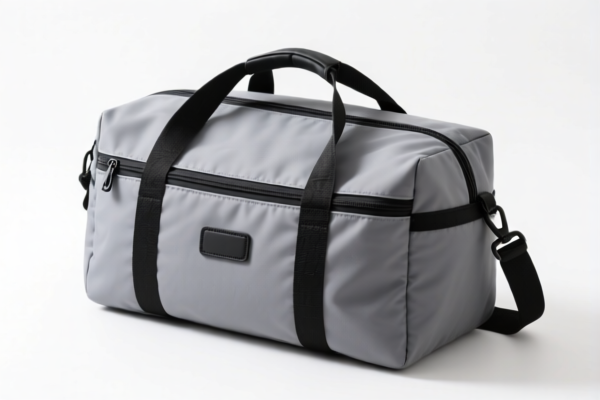
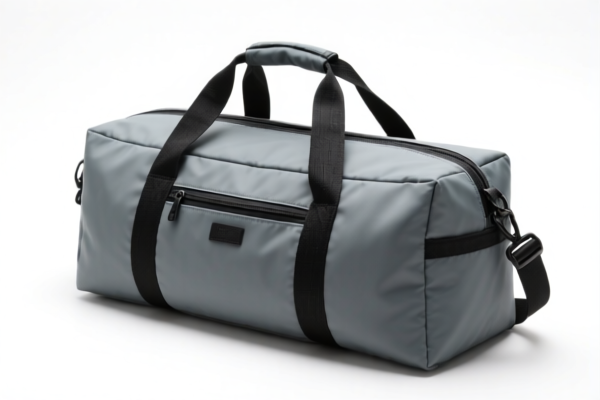
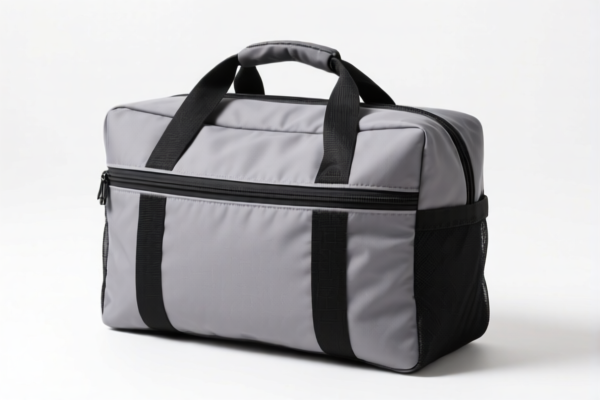
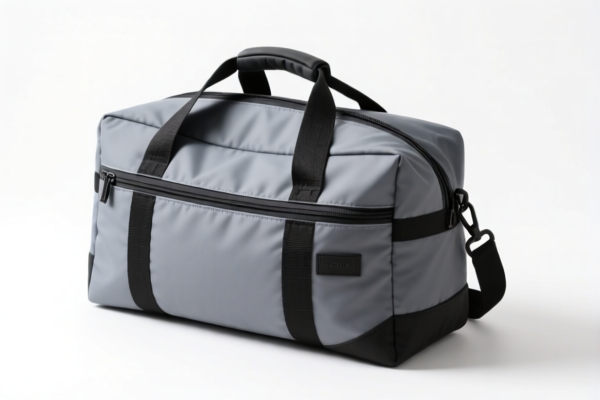
AI Analysis
🎒 Foldable Sports Bag: HS Code Classification & US Customs Clearance Guide (2026)
🌐 HS Code Reference & Clearance Strategy | 2026 Latest Tariff Analysis | Professional Entry Strategy
📌 1. Product Definition & Classification: Do You Really Understand "Foldable Sports Bags"?
A Foldable Sports Bag is a versatile carrying case designed for athletes, travelers, or outdoor enthusiasts. In international trade, its classification depends heavily on its primary material, structure, and intended use.
The critical distinction lies in the outer surface material: * Textile/Artificial Fiber Bags: If the outer surface is made of woven fabric, non-woven material, or synthetic fibers (e.g., nylon, polyester, canvas). * Leather/Leather Goods Bags: If the outer surface is made of genuine leather or composition leather.
⚠️ Key Differentiation Point:
- If the outer surface is Textile/Synthetic → Classified under Heading 4202 (Travel, Sports, and Similar Bags).
- If the outer surface is Leather → Also Classified under Heading 4202 (Travel, Sports, and Similar Bags), but with a different material subheading.
- Note: Despite being "foldable," it does not fall under Chapter 95 (Toys/Sports Equipment) unless it is an integral part of a specific game accessory. As a standalone bag, it belongs to Chapter 42.
📦 2. HS Code Classification Details (2026 Latest Tariff Authority Comparison)
Based on the provided data, the Foldable Sports Bag is classified into two primary HS Codes depending on the outer material:
| HS Code | Product Description | Material Analysis | Applicable Scenario |
|---|---|---|---|
4202.92.31.20 |
Foldable Sports Bag (Textile/Artificial Fiber) | Outer surface inferred as Textile/Artificial Fiber. Fits "Other" category under Chapter 42. | Standard nylon/polyester foldable bags, gym duffels, travel totes. |
4202.92.31.31 |
Foldable Sports Bag (Textile/Artificial Fiber) | Outer surface inferred as Textile Material (Artificial Fiber). Fits "Other" category. | Similar to above; specific subtype within textile sports bags. |
9506.99.60.80 |
Leather Sports Bag | Outer surface is Leather. Used as "Sports or Outdoor Game Articles." | High-end leather gym bags, premium sports duffels. (Note: Despite being a bag, the data assigns this specific HS code for leather sports items) |
🔍 Critical Reminder:
- Textile Bags (4202.92.31.20/4202.92.31.31) are subject to a Total Tax Rate of 52.6%.
- Leather Bags (9506.99.60.80) are subject to a Total Tax Rate of 21.5%.
- Do not confuse the leather sports bag with textile ones; the material dictates the HS code and significantly impacts the duty cost.
💰 3. 2026 Latest Tariff Rate Details (Including Additional Taxes & Policy Surcharges)
✅ Applicable Country: United States (US)
✅ Origin: China (CN)
✅ Effective Date: 2025/2026 (Current Trade Framework)
🎯 1. 4202.92.31.20 & 4202.92.31.31 —— Textile/Artificial Fiber Foldable Sports Bags
| Item | Content |
|---|---|
| Base Tariff | 17.6% (General Ad Valorem) |
| Section 301 Surcharge | +25.0% (Additional Duty for Chinese Origin) |
| 122-Clause Surcharge | +10.0% (Specific trade clause surcharge) |
| Total Tax Rate | 52.6% |
| Tax Calculation | CIF Value × 52.6% |
| De Minimis Exemption | ❌ Not Eligible (De Minimis rules generally do not apply to goods subject to Section 301 or specific surcharges above certain thresholds) |
| Legal Basis Path | HTS:4202.92.31.20 → USITC:301-Surcharge → 122-Clause |
📌 Explanation:
- The Base Tariff (17.6%) is the standard duty for "Travel, Sports, and Similar Bags" made of textile materials.
- The 25% Section 301 Surcharge is the major cost driver for Chinese-origin goods.
- The 10% 122-Clause Surcharge is an additional layer targeting specific categories of Chinese imports.
- Total of 52.6% is extremely high. Price competitiveness must be carefully managed.
🎯 2. 9506.99.60.80 —— Leather Sports Bag
| Item | Content |
|---|---|
| Base Tariff | 4.0% (General Ad Valorem) |
| Section 301 Surcharge | +7.5% (Note: Data indicates lower surcharge for this specific leather item) |
| 122-Clause Surcharge | +10.0% |
| Steel/Aluminum/Copper Surcharge | +50% (Applicable if components contain these materials, otherwise not) |
| Total Tax Rate (Standard) | 21.5% |
| Tax Calculation | CIF Value × 21.5% |
| De Minimis Exemption | ❌ Not Eligible (Subject to surcharges) |
| Legal Basis Path | HTS:9506.99.60.80 → USITC:301-Surcharge → 122-Clause |
📌 Note:
- The base tariff for leather sports items is significantly lower (4.0%) than textile ones (17.6%).
- Even with the 7.5% and 10% surcharges, the total remains 21.5%, which is far more cost-effective than the 52.6% for textile bags.
- ⚠️ Warning: If the bag has metal hardware (zippers, buckles) classified under steel/aluminum/copper, a 50% surcharge may apply to those specific components, potentially increasing the total duty significantly. Verify component classification.
🛠️ 4. Customs Clearance Practical Advice (Real-World Pitfall Guide)
✅ 1. Required Documentation Checklist (Non-Negotiable)
| Document | Must Provide? | Explanation |
|---|---|---|
| ✅ Product Specification Sheet | ✔️ | Must clearly state: "Foldable," "Sports Bag," and Outer Material Composition (e.g., "100% Polyester Outer"). |
| ✅ High-Resolution Photos | ✔️ | Front, back, inside, and label close-up. Must show material texture to distinguish leather vs. textile. |
| ✅ Commercial Invoice | ✔️ | Describe item as "Foldable Sports Bag, [Material], for Gym/Travel." Avoid vague terms like "Bag" only. |
| ✅ Packing List | ✔️ | Detail contents. If packed with other items, ensure they are separately listed. |
| ✅ Material Test Report | ✔️ | Recommended to prove if the "leather" is genuine or synthetic. Crucial for avoiding misclassification. |
✅ 2. Declaration Tips (Key Mnemonics)
🔥 “Material is King, HS Code Follows, Don’t Guess, Get it Right!”
| Scenario | Correct Declaration | Wrong Practice | Consequence |
|---|---|---|---|
| Outer Surface is Nylon/Polyester | HS: 4202.92.31.20 or 31 |
Declare as Leather | Overpayment of Tax (17.6% base vs 4.0%)? No, risk of Under-declaration Penalty if audited. |
| Outer Surface is Genuine Leather | HS: 9506.99.60.80 |
Declare as Textile | Overpayment of Tax (Pay 52.6% instead of 21.5%). Huge loss of profit! |
| Bag has Metal Zippers/Buckles | Ensure no Steel/Aluminum surcharge triggers if possible | Ignore hardware | Unexpected +50% on metal components if classified separately. |
| "Foldable" Feature | Mention in description | Hide it | Foldable nature doesn’t change HS, but helps customs understand the product function. |
✅ 3. Special Circumstances Handling
| Situation | Handling Suggestion |
|---|---|
| Hybrid Material Bags (e.g., Leather body + Textile pockets) | Usually classified by dominant material or outer surface. If outer is textile, use 4202 codes. |
| OEM Private Label Bags | Ensure the brand label doesn’t imply a different category. Provide PO and design specs. |
| Leather vs. "Leather-Look" | If it’s PU/Vinyl (synthetic), it’s Textile/Plastic → Use 4202 codes (52.6%). Only genuine leather qualifies for 9506 (21.5%). |
| Steel/Aluminum Hardware | Check if the metal parts exceed de minimis thresholds. If high, consider non-metal alternatives (plastic zippers) to avoid the 50% surcharge. |
🌍 5. Global Market Comparison (2026 Latest)
| Country/Region | Recommended HS Code | Estimated Duty (China Origin) | Certification Requirements | Remarks |
|---|---|---|---|---|
| 🇺🇸 USA | 4202.92.31.20 (Textile) |
52.6% | None specific for bags | High tariff due to 301 & 122 clauses. |
| 🇺🇸 USA | 9506.99.60.80 (Leather) |
21.5% | None specific for bags | Much better margin for leather goods. |
| 🇪🇺 EU | 4202.92.00 (Textile) |
~5-10% | CE (if safety equipment), REACH | No Section 301 equivalent, but watch for anti-dumping. |
| 🇨🇳 China | 4202.92.00 (Textile) |
~10-15% | CCC (if applicable) | Import duty lower than US. |
📌 Conclusion:
- The US market imposes a massive tax burden on textile sports bags (52.6%).
- Leather sports bags are significantly more tax-efficient in the US (21.5%).
- For textile bags, ensure the FOB price can absorb the 52.6% duty, or consider alternative markets (EU, Asia) with lower tariffs.
📌 6. Common Errors & Pitfall Guide (Lessons Learned)
❌ Error 1: Misclassifying a Synthetic Leather (PU) bag as Genuine Leather.
👉 Result: If audited, customs will reclassify as Textile/Plastic → Tax jumps from 21.5% to 52.6% + Penalties.
❌ Error 2: Ignoring the 122-Clause Surcharge.
👉 Result: Even if you know the 301 duty (25%), forgetting the 10% 122-Clause leads to underpayment and customs holds.
❌ Error 3: Declaring "Sports Bag" without specifying Outer Material.
👉 Result: Customs may classify it under the highest default rate or hold the shipment for inspection.
✅ Correct Approach:
"Foldable Sports Bag, Outer Surface: 100% Polyester Textile, Inner: Nylon, for Gym Use, Model XYZ"
OR
"Foldable Sports Duffel, Outer Surface: Genuine Leather, for Outdoor Sports, Model ABC"
🎯 7. Conclusion: Precision Classification Saves Money!
🎯 Remember the Mnemonic:
🔹 "Textile 52, Leather 21, Don't Guess, Check the Skin!"
🔹 "301 is 25, 122 is 10, Base 17 or 4, Add them Up!"
🔹 "Foldable doesn't matter for HS, Material is the Key!"
📌 Pro Tip:
- For Textile Bags: If profit margins are thin, consider sourcing from non-Chinese origins (e.g., Vietnam, Bangladesh) to potentially avoid US surcharges (subject to rules of origin).
- For Leather Bags: Verify the leather authenticity rigorously. If it’s faux leather, stick to the 4202 codes but ensure accurate material description to avoid fraud charges.
📣 Immediate Action:
📞 Consult a Licensed Customs Broker + Provide Material Samples + Request HS Code Advance Ruling if shipment value is high.
🚀 Clear Customs Smoothly, Maximize Margins, Avoid Surprises!
✨ Professional Clearance Starts with Accurate Classification!
💼 Every Percent of Duty Counts – Optimize Your Supply Chain!
Customer Reviews
About HS Code Classification
The Harmonized System (HS) is an internationally standardized nomenclature developed by the World Customs Organization (WCO) to classify traded products. Over 200 countries use the HS system as the basis for customs tariffs, trade statistics, and import/export regulations.
Each HS code follows a hierarchical structure:
- Chapter (2 digits) — Broad category of goods (e.g., Chapter 84: Machinery and Mechanical Appliances)
- Heading (4 digits) — More specific grouping within the chapter
- Subheading (6 digits) — Internationally standardized breakdown, used by all WCO member countries
- National subdivisions (8-10 digits) — Country-specific extensions for further classification, such as US HTSUS 10-digit codes
Correct HS code classification is essential for smooth customs clearance, accurate duty payment, and compliance with trade regulations. Misclassification can lead to customs delays, overpayment of duties, or penalties.
When importing from CN to US, the applicable tariff rates may include:
- Most-Favored-Nation (MFN) rate — The standard duty rate applied to WTO members
- General rate — Applied to countries without trade agreements
- Trade remedy duties — Additional tariffs such as Section 301 (anti-dumping), Section 232 (national security), or countervailing duties
The information provided on this page is for reference purposes only. For official classification, please consult with your local customs authority or a licensed customs broker.