Folder with Data Cable
CN → US| HS Code | Tariff Rate | Origin | Destination | Doc |
|---|---|---|---|---|
| 6307909891 | 24.5% | CN | US | Official Doc |
| 6307909875 | 24.5% | CN | US | Official Doc |
| 4202322000 | 55.0% | CN | US | Official Doc |
| 3926908700 | 40.3% | CN | US | Official Doc |
| 4202329300 | 52.6% | CN | US | Official Doc |
Product Images
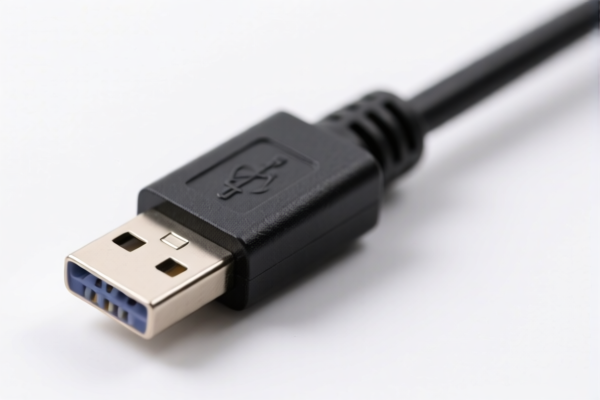
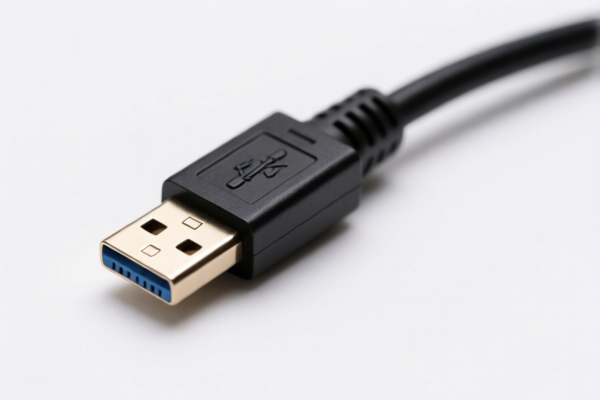
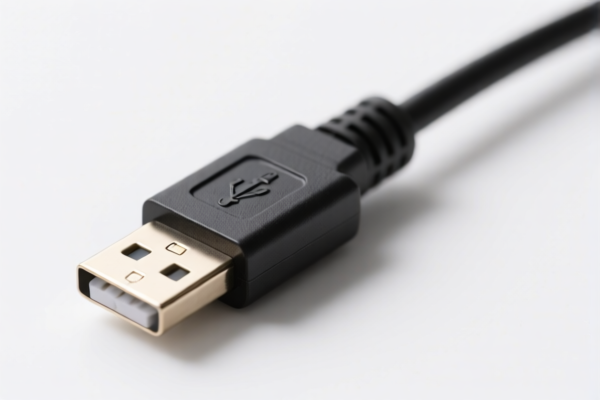

AI Analysis
🎒 Data Cable Organizer /收纳袋 (Data Cable Storage Bag)
🌐 HS Code Reference & Customs Clearance Guide | 2026 Latest Tariff Analysis | Professional Clearance Strategy
📌 I. Product Definition & Classification: What Exactly Is a "Data Cable Bag"?
A "Data Cable Organizer" is a small accessory designed to store, protect, and organize electronic cables (USB, HDMI, Lightning, etc.). In international trade, its classification depends heavily on material and intended use. It is generally categorized under: 1. Travel Accessories (Chapter 42): If it resembles a small pouch, wallet, or case with an exterior surface of plastic sheeting or textile materials. 2. Miscellaneous Plastic Articles (Chapter 39): If it is primarily defined as a plastic container or holder without specific textile features. 3. Other Made-Up Articles (Chapter 63): If it is a general textile or plastic item not elsewhere specified.
⚠️ Key Distinction Point: - If the bag has an exterior surface of plastic sheeting or textile material and is designed for carrying small items (cables) → It likely falls under HS Code 4202 (Articles of a kind normally carried in the pocket or handbag). - If it is purely a plastic mold/holder without textile/plastic sheeting exterior features typical of "bags" → It may fall under HS Code 3926 (Other plastic articles). - If it is made of non-woven fabric or other textile materials not fitting specific bag definitions → It may fall under HS Code 6307 (Other made-up textile articles).
📦 II. HS Code Classification Details (2026 Latest Tariff Authority Comparison)
| HS Code | Product Description | Application Scenario | Material/Feature |
|---|---|---|---|
4202.32.20.00 |
Articles of a kind normally carried in the pocket or handbag, with outer surface of plastic sheeting or textile materials. | Generic cable pouches, zippered organizers, exterior plastic/fabric. | ✅ Exterior: Plastic/Textile |
4202.32.93.00 |
Other articles of a kind normally carried in the pocket or handbag, with outer surface of textile materials. | Fabric-only cable bags, non-plastic exterior organizers. | ✅ Exterior: Textile |
3926.90.87.00 |
Other articles of plastic, not elsewhere specified or included. | Plastic cable holders, rigid organizers, silicone sleeves. | ✅ Material: Plastic/Silicone |
6307.90.98.91 |
Other made-up textile articles, not elsewhere specified. | Non-woven fabric bags, general textile storage pouches. | ✅ Material: Textile (Misc) |
6307.90.98.75 |
Other made-up textile articles, specifically for masks/respirator accessories. | Note: Rarely applicable for cables, but listed in data as a potential misclassification or niche accessory. | ⚠️ Unlikely for standard cables |
🔍 Important Reminder: - HS Code 4202 is often the most favorable for "bags/pouches" if the exterior material matches. However, current tariffs for Chapter 42 items from China are very high due to additional duties. - HS Code 3926 (Plastic Articles) has a moderate base rate but carries significant additional duties. - HS Code 6307 (Other Textile Articles) generally has the lowest total tax burden among the options provided, despite being a "miscellaneous" category.
💰 III. 2026 Latest Tariff Rate Breakdown (Including Additional Taxes & Policy Surcharges)
✅ Applicable Country: USA (US)
✅ Origin: China (CN)
✅ Effective Date: Post-2025 (Current policy context including Section 301, Section 232/122, etc.)
🎯 1. 6307.90.98.91 —— Other Made-Up Textile Articles (Best Option for Cost)
| Item | Content |
|---|---|
| Base Tariff | 7.0% (ad valorem) |
| Section 301 Additional Tariff | 7.5% (Specific to this subheading) |
| Section 122 / Other Surcharges | 10.0% |
| Total Tax Rate | 24.5% |
| Tax Calculation | CIF Value × 24.5% |
| De Minimis Eligibility | ❌ No (High tariff item, subject to scrutiny) |
| Legal Basis Path | USITC:6307.90.98.91 → Section 301:7.5% → Section 122:10% |
📌 Explanation: - This classification benefits from the lowest combined tax rate (24.5%) among all options. - Ideal for generic non-woven fabric or simple textile pouches. - Crucial: Ensure the product description emphasizes "textile article" and not "plastic bag" to avoid misclassification.
🎯 2. 6307.90.98.75 —— Other Made-Up Textiles (Masks/Respirator Accessories)
| Item | Content |
|---|---|
| Base Tariff | 7.0% |
| Section 301 Additional Tariff | 7.5% |
| Section 122 / Other Surcharges | 10.0% |
| Total Tax Rate | 24.5% |
| Tax Calculation | CIF Value × 24.5% |
| De Minimis Eligibility | ❌ No |
| Legal Basis Path | USITC:6307.90.98.75 → Section 301:7.5% → Section 122:10% |
📌 Note: - Same tax rate as above. However, this code is specifically for mask/respirator accessories. Using this for cables is risky and may be rejected by customs unless the bag is explicitly marketed as part of a mask kit. Not recommended for general cable organizers.
🎯 3. 3926.90.87.00 —— Other Plastic Articles
| Item | Content |
|---|---|
| Base Tariff | 5.3% |
| Section 301 Additional Tariff | 25.0% |
| Section 122 / Other Surcharges | 10.0% |
| Total Tax Rate | 40.3% |
| Tax Calculation | CIF Value × 40.3% |
| De Minimis Eligibility | ❌ No |
| Legal Basis Path | USITC:3926.90.87.00 → Section 301:25% → Section 122:10% |
📌 Explanation: - Higher base tariff? No, base is low (5.3%). - BUT the Section 301 surcharge is 25%, making the total 40.3%. - Applicable for rigid plastic holders, silicone sleeves, or plastic cable ties/organizers. - Cost Warning: Significantly more expensive than textile options.
🎯 4. 4202.32.20.00 —— Articles with Outer Surface of Plastic Sheet or Textile (Plastic Exterior)
| Item | Content |
|---|---|
| Base Tariff | 20.0% |
| Section 301 Additional Tariff | 25.0% |
| Section 122 / Other Surcharges | 10.0% |
| Total Tax Rate | 55.0% |
| Tax Calculation | CIF Value × 55.0% |
| De Minimis Eligibility | ❌ No |
| Legal Basis Path | USITC:4202.32.20.00 → Section 301:25% → Section 122:10% |
📌 Explanation: - Extremely High Tax Rate (55%). - Applies if the bag’s exterior surface is plastic sheeting (e.g., laminated plastic, PVC) and it fits the "bag" definition. - Avoid this classification if possible due to cost. Consider reclassifying as textile (
6307) if the fabric is non-woven or woven, not plastic sheeting.
🎯 5. 4202.32.93.00 – Articles with Outer Surface of Textile Materials (Textile Exterior)
| Item | Content |
|---|---|
| Base Tariff | 17.6% |
| Section 301 Additional Tariff | 25.0% |
| Section 122 / Other Surcharges | 10.0% |
| Total Tax Rate | 52.6% |
| Tax Calculation | CIF Value × 52.6% |
| De Minimis Eligibility | ❌ No |
| Legal Basis Path | USITC:4202.32.93.00 → Section 301:25% → Section 122:10% |
📌 Explanation: - High tax rate (52.6%). - Applies to fabric bags that clearly qualify as "articles carried in pocket/handbag." - Even though it's textile, the Chapter 42 classification triggers the 25% Section 301 surcharge on top of the high base rate. - Comparison:
6307(24.5%) is much cheaper than4202(~50%+). Preference: Choose 6307 over 4202 if legally permissible.
🛠️ IV. Customs Clearance Practical Advice (Battle-Tested Pitfall Guide)
✅ 1. Preparation Checklist (Mandatory)
| Document | Required | Description |
|---|---|---|
| ✅ Product Specifications | ✔️ | Material composition (e.g., "100% Non-Woven Polyester"), dimensions, weight. |
| ✅ Material Certificate | ✔️ | Proof of fabric/plastic type to support HS Code 6307 vs 4202. |
| ✅ Product Photos | ✔️ | Clear images showing exterior material (textile vs plastic sheet) and interior lining. |
| ✅ Commercial Invoice | ✔️ | Clearly state "Data Cable Organizer (Textile/Plastic)" – do not just say "Bag." |
| ✅ Packing List | ✔️ | Confirm net/gross weight. |
| ✅ Brand Authorization | ✔️ | If branded, provide POA to avoid IPR issues. |
✅ 2. Declaration Strategy (Key Mantra)
🔥 "Material Dictates Code, 6307 Saves Money!"
| Scenario | Correct Declaration | Risk |
|---|---|---|
| Non-woven fabric bag | 6307.90.98.91 |
Low tax (24.5%). Recommended. |
| Woven fabric bag | 6307.90.98.91 (if not "bag" per Ch42) |
Low tax (24.5%). Recommended. |
| PVC/Plastic Sheet bag | 4202.32.20.00 |
High tax (55%). Avoid if possible. |
| Fabric bag (Chapter 42) | 4202.32.93.00 |
High tax (52.6%). Avoid if 6307 fits. |
| Hard Plastic Holder | 3926.90.87.00 |
Medium-High tax (40.3%). |
📌 Critical Insight: - The US Customs and Border Protection (CBP) often classifies small fabric pouches as Chapter 42 bags. - However, if the item is a "made-up article" not specifically described as a bag, Chapter 63 can be argued, resulting in significant tax savings (24.5% vs 52.6%). - Action: Provide strong evidence that the item is a "generic storage pouch" (Ch 63) rather than a "personal carry-on accessory" (Ch 42).
✅ 3. Special Handling
| Scenario | Handling Advice |
|---|---|
| Mixed Materials | If the bag has a plastic exterior coating, CBP may classify it as Ch 42. Use uncoated textile to qualify for Ch 63. |
| With Logo | Ensure no trademark infringement. Provide authorization letter. |
| Small Quantity | Even if under $800, high tariffs apply. No de minimis exemption for these HS codes from China. |
| OEM/ODM | Provide design specs showing material composition clearly. |
🌍 V. Global Market Clearance Comparison (2026)
| Country/Region | Recommended HS Code | Estimated Total Tax (China Origin) | Certification | Notes |
|---|---|---|---|---|
| 🇺🇸 USA | 6307.90.98.91 |
24.5% | No special | Lowest risk/cost option |
| 🇺🇸 USA | 4202.32.93.00 |
52.6% | No special | High tariff, avoid if possible |
| 🇨🇳 China | 6307.90.98.91 |
10-15% (Import Duty) | N/A | N/A |
| 🇪🇺 EU | 6307.90.98.91 |
10.5% | CE/ROHS if electronic accessory | No Section 301 |
| 🇬🇧 UK | 6307.90.98.91 |
10.5% | UKCA | No Section 301 |
📌 Conclusion: - USA is the most complex market due to Section 301 and 122 tariffs. - Strategic Choice: Classify as 6307.90.98.91 (Miscellaneous Textile Article) to achieve 24.5% total tax, saving ~30% compared to Chapter 42 classifications. - Avoid
4202codes unless the product is explicitly a "pocket bag" with plastic sheeting exterior.
📌 VI. Common Mistakes & Pitfalls (Blood & Tears Lessons)
❌ Mistake 1: Declaring a fabric pouch as 4202.32.93.00
👉 Consequence: Pay 52.6% tax instead of 24.5%.
💡 Fix: Argue it is a "made-up textile article" under Ch 63, not a "bag" under Ch 42.
❌ Mistake 2: Using plastic sheeting exterior and declaring as Ch 63
👉 Consequence: Customs reclassifies to 4202.32.20.00 → 55% tax + penalties.
💡 Fix: If using plastic exterior, accept higher tax or redesign with textile exterior.
❌ Mistake 3: Ignoring Section 122/301 tariffs in cost calculation
👉 Consequence: Margin erosion. A 24.5% vs 55% difference can kill profit.
💡 Fix: Always include all surcharges in landed cost analysis.
❌ Mistake 4: Misusing 6307.90.98.75 (Mask accessory code)
👉 Consequence: Customs rejection or delay for mismatched description.
💡 Fix: Only use mask-specific codes if the product is genuinely for masks. Use 6307.90.98.91 for general cables.
🎯 VII. Conclusion: Smart Classification, Maximum Savings!
🎯 Remember the Mantra:
🔹 "Textile > Plastic in Tax, 6307 Beats 4202!"
🔹 "24.5% vs 55%, Choose Wisely, Don't Lose!"
📌 Pro Tip:
If your bag is made of non-woven fabric, strongly advocate for HS Code 6307.90.98.91. This is your best path to minimizing duties from 55% down to 24.5%.
Consult a customs broker to submit a Pre-Ruling Request if importing large volumes. This locks in the 24.5% rate and avoids post-clearance audits.
📣 Immediate Action:
📞 Contact your customs broker with material samples.
📄 Provide detailed material specs (e.g., "Non-woven PP, 100% textile").
🚀 Optimize for HS Code 6307 to save thousands in duties.
✨ Professional Customs Clearance Starts with Precise Classification!
💼 Every percentage point saved is pure profit!
Customer Reviews
About HS Code Classification
The Harmonized System (HS) is an internationally standardized nomenclature developed by the World Customs Organization (WCO) to classify traded products. Over 200 countries use the HS system as the basis for customs tariffs, trade statistics, and import/export regulations.
Each HS code follows a hierarchical structure:
- Chapter (2 digits) — Broad category of goods (e.g., Chapter 84: Machinery and Mechanical Appliances)
- Heading (4 digits) — More specific grouping within the chapter
- Subheading (6 digits) — Internationally standardized breakdown, used by all WCO member countries
- National subdivisions (8-10 digits) — Country-specific extensions for further classification, such as US HTSUS 10-digit codes
Correct HS code classification is essential for smooth customs clearance, accurate duty payment, and compliance with trade regulations. Misclassification can lead to customs delays, overpayment of duties, or penalties.
When importing from CN to US, the applicable tariff rates may include:
- Most-Favored-Nation (MFN) rate — The standard duty rate applied to WTO members
- General rate — Applied to countries without trade agreements
- Trade remedy duties — Additional tariffs such as Section 301 (anti-dumping), Section 232 (national security), or countervailing duties
The information provided on this page is for reference purposes only. For official classification, please consult with your local customs authority or a licensed customs broker.