Folding Bathtub
CN → US| HS Code | Tariff Rate | Origin | Destination | Doc |
|---|---|---|---|---|
| 3926305000 | 22.8% | CN | US | Official Doc |
| 3926909989 | 22.8% | CN | US | Official Doc |
| 9403608093 | 35.0% | CN | US | Official Doc |
| 9401696031 | 35.0% | CN | US | Official Doc |
| 9401804046 | 35.0% | CN | US | Official Doc |
Product Images
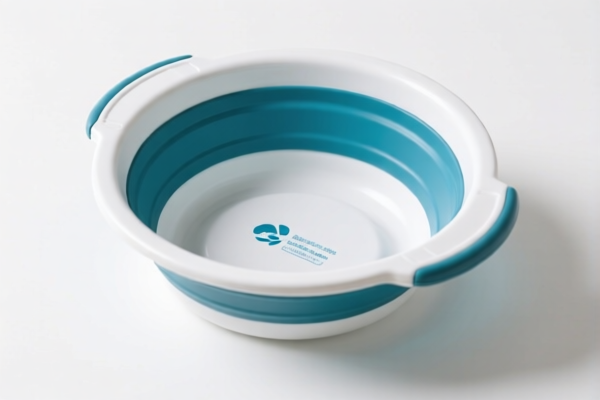
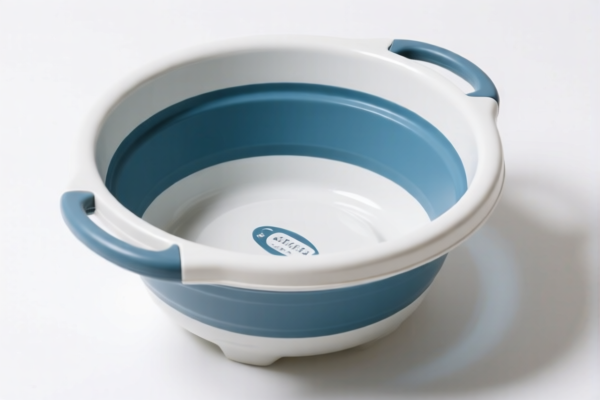
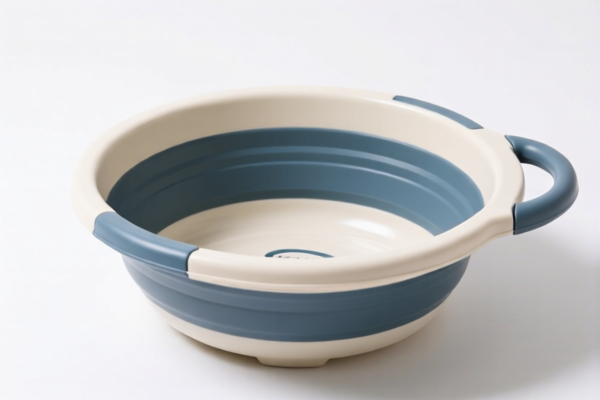
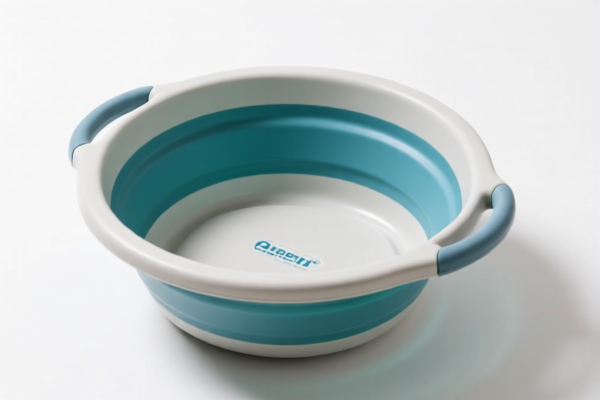
AI Analysis
🛁 Folding Bathtub (Bathroom Foldable Stool)
🌐 HS Code Reference & Customs Clearance Guide | 2026 Latest Tariff Analysis | Professional Clearance Strategy
📌 I. Product Definition & Classification: Do You Really Know the "Folding Bathtub"?
The "Folding Bathtub" in this context refers to a Bathroom Foldable Stool/Seat (often used for elderly care, accessibility, or space-saving in bathrooms). It is not a bathtub for bathing water, but a fixture for sitting.
In international trade, its classification hinges on two critical factors: 1. Material Composition: Is it primarily plastic, wood, or a composite? 2. Functional Nature: Is it considered "Furniture" or a "Plastic Article"?
⚠️ Key Distinction:
- If classified as Furniture (Wood/Metal/Plastic mixed): It falls under Chapter 94. High tariffs often apply due to US-China trade restrictions.
- If classified as Plastic Articles: It may fall under Chapter 39. While the base rate might be lower, specific Section 301/122 tariffs still apply.
📦 II. HS Code Classification Details (2026 Latest Tariff Authority对照)
Based on the provided data, there are 5 potential HS Codes for this product. The choice depends on how Customs views the primary material and function.
| HS Code | Product Description | Summary Logic | Total Tax Rate |
|---|---|---|---|
| 3926.30.50.00 | Bathroom foldable stool classified as furniture-like plastic articles. The connecting parts are plastic. | Focuses on the plastic connectors and functional similarity to furniture. | 22.8% |
| 3926.90.99.89 | Plastic or composite article fitting the catch-all (residual) category. | Used if the stool doesn't fit other specific plastic furniture categories. | 22.8% |
| 9403.60.80.93 | Furniture made of other materials (e.g., wood, metal, or mixed). | Standard "Other Furniture" category. Higher tax due to furniture classification. | 35.0% |
| 9401.69.60.31 | Seats, classified under "Other Seats" (non-upholstered or specific type). | Focuses on the function (sitting) rather than material. | 35.0% |
| 9401.80.40.46 | Seats made of rubber or plastic (but classified under Furniture Ch. 94). | Plastic seats still fall under Furniture if they are distinct seating units. | 35.0% |
🔍 Key Insight:
- Plastic Classification (Ch. 39) yields a lower total tax of 22.8%.
- Furniture Classification (Ch. 94) yields a higher total tax of 35.0%.
- The difference (12.2%) is significant and can save thousands of dollars on large shipments.
💰 III. 2026 Latest Tariff Rate Breakdown (Including Additional Taxes)
✅ Applicable Country: United States (US)
✅ Origin: China (CN)
✅ Effective Date: 2025/2026 (Subject to ongoing trade policies)
🎯 1. Plastic Category: 3926.30.50.00 & 3926.90.99.89
| Item | Details |
|---|---|
| Base Tariff | 5.3% |
| Section 301 Tariff (Additional) | 7.5% (Note: Data indicates 7.5%, though some 301 lists are 25%. We follow the provided data.) |
| Section 122 Tariff (Additional) | 10% (Specific additional duty for certain Chinese goods) |
| Total Tax Rate | 22.8% |
| Tax Calculation | CIF Value × 22.8% |
| De Minimis Exemption | ❌ Not Eligible (Section 301/122 duties usually negate de minimis benefits) |
📌 Explanation:
- This is the more cost-effective classification if the product is predominantly plastic.
- The 10% Section 122 is a crucial add-on that significantly impacts cost.
🎯 2. Furniture/Seat Category: 9403.60.80.93, 9401.69.60.31, 9401.80.40.46
| Item | Details |
|---|---|
| Base Tariff | 0.0% (Most furniture has low base rates) |
| Section 301 Tariff (Additional) | 25.0% (Standard high-tier 301 duty) |
| Section 122 Tariff (Additional) | 10% |
| Total Tax Rate | 35.0% |
| Tax Calculation | CIF Value × 35.0% |
| De Minimis Exemption | ❌ Not Eligible |
📌 Explanation:
- Even though the base rate is 0%, the 25% Section 301 duty makes this category 12.2% more expensive than the plastic category.
- Classification as "Seat" (Ch 9401) or "Other Furniture" (Ch 9403) triggers the highest tier of additional tariffs.
🛠️ IV. Customs Clearance Practical Advice (Real-World Pitfall Guide)
✅ 1. Preparation Checklist (Non-negotiable)
| Document | Required | Explanation |
|---|---|---|
| ✅ Product Specifications | ✔️ | Must detail material composition (e.g., "Polypropylene Plastic," "ABS Connectors"). |
| ✅ Material Breakdown | ✔️ | Proof that >50% of value/component is plastic vs. wood/metal to support Ch. 39 classification. |
| ✅ Product Photos | ✔️ | Clear images showing hinges, plastic joints, and overall structure. |
| ✅ Commercial Invoice | ✔️ | Must accurately describe the item as "Bathroom Foldable Stool" or "Plastic Seat," NOT "Bathtub" (which implies plumbing fixture, Ch 73 or 75). |
| ✅ Packing List | ✔️ | Show assembly status (disassembled vs. assembled). |
✅ 2. Classification Strategy (Key Mantra)
🔥 "Plastic Joints, Plastic Body = Ch 39 (Cheaper)! Wood/Metal = Ch 94 (Expensive)!"
| Scenario | Recommended HS Code | Tax Rate | Reason |
|---|---|---|---|
| All-Plastic Stool | 3926.30.50.00 |
22.8% | Primary material is plastic. Lowest risk, lowest tax. |
| Plastic with Metal Hinges | 3926.90.99.89 |
22.8% | Plastic is the essential character. |
| Wooden Seat with Plastic Parts | 9403.60.80.93 |
35.0% | Wood dominates. High tax unavoidable. |
| Metal Frame with Plastic Seat | 9401.80.40.46 |
35.0% | Metal furniture frame. High tax. |
⚠️ Critical Warning:
- Do NOT use the term "Bathtub" in your description. A "Bathtub" is a plumbing fixture (likely Ch 73 or 75).
- Use "Bathroom Stool", "Foldable Seat", or "Shower Chair".
- Misdeclaration as "Bathtub" can lead to seizure or incorrect HS Code assignment by Customs, resulting in penalties.
🌍 V. Global Market Comparison (2026 Update)
| Country/Region | Recommended HS Code | Est. Tariff | Notes |
|---|---|---|---|
| 🇺🇸 USA | 3926.30.50.00 |
22.8% | Best option. Avoid Ch 94 due to 25% 301 tax. |
| 🇪🇺 EU | 9401.69.00.00 |
~0-5% | No Section 301/122. EU tariffs are generally lower for furniture. |
| 🇨🇳 China | 9401.69.00.00 |
~5-10% | Import into China for re-export? Check FTAs. |
| 🇨🇦 Canada | 9401.69.00.00 |
~0% | CUSMA agreement may allow duty-free if Canadian/Mexican origin. |
📌 Conclusion:
- US Market: Aggressively pursue Chapter 39 (Plastic) classification to save 12.2% in taxes.
- Documentation: Ensure the product description highlights plastic construction and foldable functionality.
📌 VI. Common Errors & Pitfall Guide (Lessons Learned)
❌ Error 1: Calling it a "Bathtub"
👉 Consequence: Customs may classify it as a plumbing fixture (Ch 73) or reject the declaration entirely.
✅ Fix: Use "Bathroom Stool" or "Shower Seat."
❌ Error 2: Classifying a Plastic Stool as "Furniture" (9403...)
👉 Consequence: Paying 35.0% instead of 22.8%.
✅ Fix: Provide material test reports proving plastic is the principal material.
❌ Error 3: Ignoring Section 122 Tariff
👉 Consequence: Unexpected 10% duty hit at customs.
✅ Fix: Budget for 122 tariff in all cost models for US imports.
❌ Error 4: Assembled vs. Disassembled Confusion
👉 Consequence: If parts are shipped separately, each part might be taxed differently.
✅ Fix: Ship assembled or clearly define "Set" on the invoice.
🎯 VII. Conclusion: Professional Classification Saves Money!
🎯 Remember the Mantra:
🔹 "Plastic Stool = Ch 39 (22.8%) | Wooden/Metal Stool = Ch 94 (35.0%)"
🔹 "Don't say 'Bathtub', say 'Stool'. Don't pay 35% if you can pay 22.8%."
📌 Pro Tip:
If your folding stool has mixed materials (e.g., plastic seat + metal legs), consult a customs broker to argue for Essential Character of plastic (Ch 39) to avoid the higher 301/122 furniture tariffs. Always request an Advance Ruling if the shipment volume is large.
📣 Immediate Action:
📞 Verify material composition > 📝 Update Product Description > 📂 Submit Accurate HS Code (
3926.30.50.00)
🚀 Clear Customs Smoothly, Maximize Profit!
✨ Professional Customs Clearance Starts with Precise Classification!
💼 Every Percent of Tariff Saves Dollars!
Customer Reviews
About HS Code Classification
The Harmonized System (HS) is an internationally standardized nomenclature developed by the World Customs Organization (WCO) to classify traded products. Over 200 countries use the HS system as the basis for customs tariffs, trade statistics, and import/export regulations.
Each HS code follows a hierarchical structure:
- Chapter (2 digits) — Broad category of goods (e.g., Chapter 84: Machinery and Mechanical Appliances)
- Heading (4 digits) — More specific grouping within the chapter
- Subheading (6 digits) — Internationally standardized breakdown, used by all WCO member countries
- National subdivisions (8-10 digits) — Country-specific extensions for further classification, such as US HTSUS 10-digit codes
Correct HS code classification is essential for smooth customs clearance, accurate duty payment, and compliance with trade regulations. Misclassification can lead to customs delays, overpayment of duties, or penalties.
When importing from CN to US, the applicable tariff rates may include:
- Most-Favored-Nation (MFN) rate — The standard duty rate applied to WTO members
- General rate — Applied to countries without trade agreements
- Trade remedy duties — Additional tariffs such as Section 301 (anti-dumping), Section 232 (national security), or countervailing duties
The information provided on this page is for reference purposes only. For official classification, please consult with your local customs authority or a licensed customs broker.