Folding Cover
CN → US| HS Code | Tariff Rate | Origin | Destination | Doc |
|---|---|---|---|---|
| 7326190080 | 87.9% | CN | US | Official Doc |
| 7326908688 | 87.9% | CN | US | Official Doc |
| 6307909891 | 24.5% | CN | US | Official Doc |
Product Images
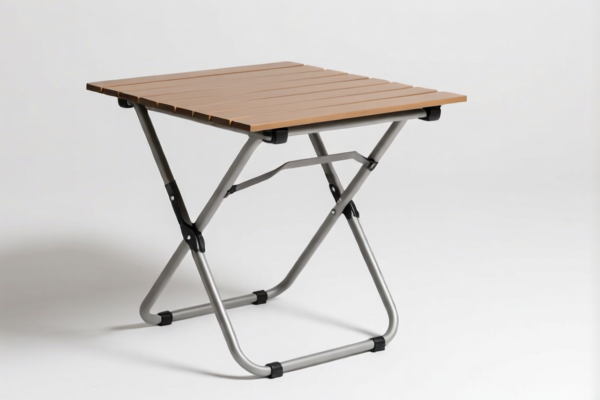
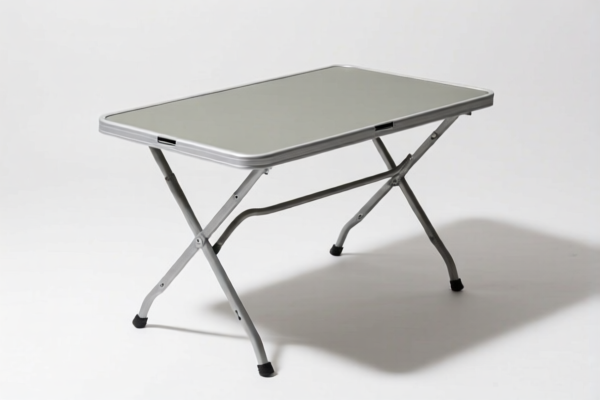
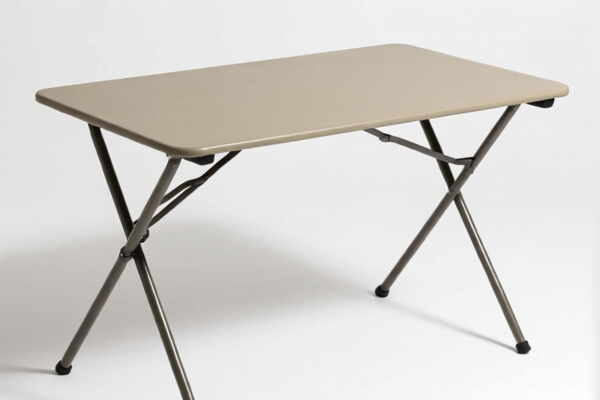
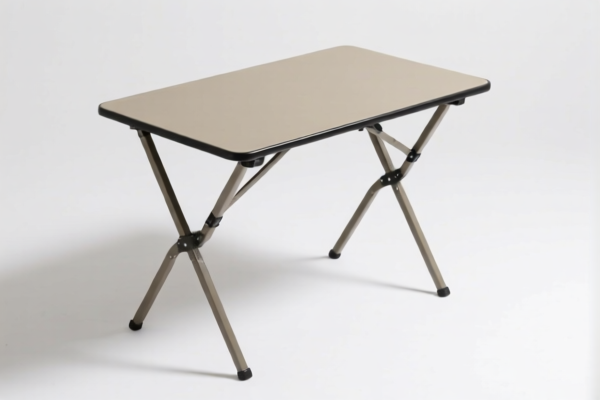
AI Analysis
🏕️ Folding Covers (Tarpaulins, Awnings, Sunblinds, Tents & Camping Goods)
🌐 HS Code Reference & Customs Clearance Guide | 2024/2025 Latest Tariff Analysis | Professional Clearance Strategy
📌 1. Product Definition & Classification: Do You Really Understand "Folding Covers"?
"Folding Covers" is a broad commercial term that lacks a precise customs definition. In international trade, these items are classified based on their material composition, structure, and intended use. They generally fall under Chapter 63: Other made up textile articles; sets; worn clothing and worn clothing articles; rags.
The core distinction lies in whether the product is a synthetic fiber tarp/awning or a canvas/other textile tarp/awning.
⚠️ Key Distinction Point: - If made of Synthetic Fibers (e.g., Polypropylene, Polyester) → Classified under 6306.12 - If made of Other Textile Materials (e.g., Cotton, Canvas, non-synthetic blends) → Classified under 6306.19
📦 2. HS Code Classification Details (Latest Tariff Alignment)
Based on the provided data, "Folding Covers" are primarily split into two main categories. Please match your product material to the correct code.
| HS Code | Product Description | Material Basis | Typical Use Cases |
|---|---|---|---|
6306.12.00.00 |
Tarpaulins, awnings and sunblinds: Of synthetic fibers | Synthetic (PP, PE, Polyester) | Pop-up canopy tents, UV-blocking sunshades, polypropylene tarps, foldable car covers (synthetic) |
6306.19.21.20 |
Tarpaulins, awnings and sunblinds: Of other textile materials: Other | Non-Synthetic (Cotton, Canvas, Linen, etc.) | Canvas folding tents, cotton awnings, traditional camping tents made of natural fibers, heavy-duty cotton tarps |
🔍 Critical Reminder: - Synthetic fibers are the dominant material for modern "folding" goods due to lightness and weather resistance. If your product is made of Polypropylene (PP) or Polyester, it almost certainly belongs to
6306.12.00.00. - "Other textile materials" typically refers to natural fibers or mixed fabrics that are not predominantly synthetic. If the product is a heavy canvas tent or a cotton awning, it belongs to6306.19.21.20. - Note on "Tents": If the "folding cover" is a tent (including temporary canopies) and made of synthetic fiber, it still falls under6306.12.00.00. If it is a tent made of other textiles, it falls under6306.19.... The key is the material, not just the function.
💰 3. 2024/2025 Latest Tariff Rate Details (Detailed Breakdown)
✅ Applicable Countries: United States (US)
✅ Origin: China (CN)
✅ Effective Time: Current rates as per the provided data (2024/2025 baseline)
🎯 1. 6306.12.00.00 —— Tarpaulins, Awnings, Sunblinds of Synthetic Fibers
| Item | Content |
|---|---|
| Base Tariff | 0.0% |
| Additional Tariff | 0.0% |
| Total Tariff | 0.0% |
| Tax Detail | Base: 0.0%, Additional: 0.0% |
| Calculation | CIF Value × 0.0% = $0 |
| De Minimis Eligibility | ✅ Yes (Likely eligible for Section 321 de minimis if < $800, subject to CBP enforcement changes) |
| Legal Basis | HTSUS 6306.12.00.00 |
📌 Explanation: - This category enjoys a 0% tariff rate. This is a significant advantage for synthetic fiber-based folding covers (e.g., pop-up tents, synthetic canopies). - No additional Section 301 tariffs are listed for this specific 10-digit subheading in the provided data. - Strategy: Ensure the product is clearly labeled as "Synthetic Fiber" (e.g., 100% Polypropylene) to qualify for this favorable rate.
🎯 2. 6306.19.21.20 —— Tarpaulins, Awnings, Sunblinds of Other Textile Materials
| Item | Content |
|---|---|
| Base Tariff | 0.0% |
| Additional Tariff | 0.0% |
| Total Tariff | 0.0% |
| Tax Detail | Base: 0.0%, Additional: 0.0% |
| Calculation | CIF Value × 0.0% = $0 |
| De Minimis Eligibility | ✅ Yes (Likely eligible for Section 321 de minimis if < $800, subject to CBP enforcement changes) |
| Legal Basis | HTSUS 6306.19.21.20 |
📌 Explanation: - This category also enjoys a 0% tariff rate for "Other textile materials." - No additional Section 301 tariffs are listed for this specific 10-digit subheading in the provided data. - Strategy: If your product is made of cotton, canvas, or other non-synthetic textiles, use this code. Ensure the composition is accurately declared to avoid misclassification penalties.
🛠️ 4. Customs Clearance Practical Advice (Pitfall Avoidance Guide)
✅ 1. Preparation Checklist (All Documents Required)
| Document | Required? | Description |
|---|---|---|
| ✅ Product Specification Sheet | ✔️ | Must include: Material composition (e.g., "100% Polypropylene"), dimensions, weight, and folding mechanism type. |
| ✅ Material Certificate | ✔️ | Crucial for distinguishing between Synthetic (6306.12) and Other Textile (6306.19). |
| ✅ Product Photos (Folded & Opened) | ✔️ | Show the folding structure, zippers, poles, and fabric texture. |
| ✅ Commercial Invoice | ✔️ | Must clearly state: "Folding Tent" or "Tarpaulin" AND material (e.g., "Synthetic Fiber Tarp"). |
| ✅ Packing List | ✔️ | Detail contents: Main cover, poles, stakes, carry bag. Avoid listing poles separately if they are part of the tent structure. |
| ✅ Origin Certificate (CO) | ✔️ | Required if claiming preferential treatment under FTAs (though rates here are 0%, CO may still be requested). |
✅ 2. Declaration Tips (Key Mantra)
🔥 "Material First, Function Second, Structure Clear, Tariff Secure!"
| Scenario | Correct Declaration | Wrong Practice |
|---|---|---|
| Pop-up Tent (Polypropylene) | 6306.12.00.00 - "Folding Tent, Synthetic Fiber" |
Declaring as "Furniture" → 0% but potential misclassification penalty |
| Canvas Camping Tent | 6306.19.21.20 - "Camping Tent, Cotton/Canvas" |
Declaring as "Synthetic" → 0% but risk of audit for false material declaration |
| Car Cover (Synthetic) | Likely 6306.12.00.00 (if classified as tarp/awning) or 8708.99 (if specific auto part) |
Misdeclaring as "Auto Accessory" → Different tariff treatment |
| Sunshade Sail (Synthetic) | 6306.12.00.00 |
Declaring as "Textile Sheet" → Potential reclassification |
✅ 3. Special Case Handling
| Situation | Handling Advice |
|---|---|
| Mixed Material Covers | If >50% synthetic, use 6306.12.00.00. If mixed but not predominantly synthetic, consult customs broker for 6306.19 classification. |
| Tents with Metal Frames | Do not split declaration. The tent fabric and frame are considered a "set" or "complete good." Declare as one item under 6306. |
| "Camping Goods" vs. "Tents" | If the item is a simple tarp without poles, it is a "Tarpaulin." If it includes poles and forms a shelter, it is a "Tent." Both fall under Chapter 63, but description matters. |
| De Minimis (Section 321) | For shipments < $800, both codes may be eligible for duty-free entry under Section 321. However, CBP is increasing scrutiny on textile imports via this channel. Ensure accurate HS Code to avoid delays. |
🌍 5. Global Market Comparison (2024/2025)
| Country/Region | Recommended HS Code | Tariff Rate | Certification Requirements | Notes |
|---|---|---|---|---|
| 🇺🇸 USA | 6306.12.00.00 or 6306.19.21.20 |
0.0% | ASTM F2004 (Tents), CPSC (if for children) | Ensure material is clearly declared. No Section 301 for these specific subheadings. |
| 🇨🇳 China | 6306.12.00.00 or 6306.19.10.00 |
5% - 10% | CCC (if applicable) | Import duty is higher than US rate for some categories. |
| 🇪🇺 EU | 6306.12.00 or 6306.19.00 |
0% - 4% | CE Mark (if safety relevant), REACH | Standard EU duty for tents is often 0% for many origins. |
| 🇬🇧 UK | 6306.12.00 or 6306.19.00 |
0% - 4% | UKCA Mark | Post-Brexit rules apply. Check UK Tariff calculator. |
📌 Conclusion: - The USA offers a 0% tariff for both synthetic and other textile folding covers under the provided data, making it a highly competitive market. - Accurate material declaration is the single most important factor. Misdeclaring a synthetic tent as cotton (or vice versa) can lead to delays, even if the tariff rate is the same, due to different regulatory standards (e.g., flammability tests).
📌 6. Common Errors & Pitfall Guide (Lessons Learned)
❌ Error 1: Declaring a "Folding Car Cover" as "Auto Parts" (8708)
👉 Consequence: If classified as a "tarpaulin/awning" (6306), it may have a different duty rate or regulatory requirement. Misclassification can lead to fines.
✅ Correction: Check if the car cover is specifically designed for auto parts exemption. If it's a generic tarp/cover, 6306 is safer.
❌ Error 2: Ignoring Material Composition
👉 Consequence: Customs may reclassify based on sample testing. If declared as "Cotton" but found to be "Polyester," it triggers 6306.12 vs 6306.19. While both are 0% in the provided data, the regulatory compliance (e.g., flammability) differs.
✅ Correction: Always include material test reports (e.g., 100% PP) with the shipment.
❌ Error 3: Splitting Tent Components
👉 Consequence: Declaring poles separately as "Metal Structures" and fabric as "Tarpaulin" may lead to higher overall duty or complex valuation issues.
✅ Correction: Declare as a complete set: "Folding Tent, Model XYZ, Synthetic Fiber."
🎯 7. Conclusion: Precision in Classification Saves Time and Money!
🎯 Remember the Mantra:
🔹 "Synthetic = 6306.12, Other Textile = 6306.19. Both 0% in US, but Material Matters!"
🔹 "Folding Covers are Textiles, Not Furniture. Declare as Tents/Tarps."
📌 Pro Tip:
If your "folding cover" is a pop-up canopy with a synthetic roof and sides, it is definitively a Tarpaulin/Awning of Synthetic Fibers (6306.12.00.00). Ensure your invoice clearly states "Synthetic Fiber" to avoid any ambiguity.
📣 Immediate Action:
📞 Verify Material Composition → Choose
6306.12.00.00(Synthetic) or6306.19.21.20(Other) → Prepare Commercial Invoice with Material Details → Clear Customs Smoothly!
✨ Professional Customs Clearance Starts with Accurate Classification!
💼 Your Product, Your Code, Your Advantage!
Customer Reviews
About HS Code Classification
The Harmonized System (HS) is an internationally standardized nomenclature developed by the World Customs Organization (WCO) to classify traded products. Over 200 countries use the HS system as the basis for customs tariffs, trade statistics, and import/export regulations.
Each HS code follows a hierarchical structure:
- Chapter (2 digits) — Broad category of goods (e.g., Chapter 84: Machinery and Mechanical Appliances)
- Heading (4 digits) — More specific grouping within the chapter
- Subheading (6 digits) — Internationally standardized breakdown, used by all WCO member countries
- National subdivisions (8-10 digits) — Country-specific extensions for further classification, such as US HTSUS 10-digit codes
Correct HS code classification is essential for smooth customs clearance, accurate duty payment, and compliance with trade regulations. Misclassification can lead to customs delays, overpayment of duties, or penalties.
When importing from CN to US, the applicable tariff rates may include:
- Most-Favored-Nation (MFN) rate — The standard duty rate applied to WTO members
- General rate — Applied to countries without trade agreements
- Trade remedy duties — Additional tariffs such as Section 301 (anti-dumping), Section 232 (national security), or countervailing duties
The information provided on this page is for reference purposes only. For official classification, please consult with your local customs authority or a licensed customs broker.