Folding Cup
CN → US| HS Code | Tariff Rate | Origin | Destination | Doc |
|---|---|---|---|---|
| 3924104000 | 13.4% | CN | US | Official Doc |
| 3924102000 | 24.0% | CN | US | Official Doc |
| 3926901000 | 20.9% | CN | US | Official Doc |
Product Images


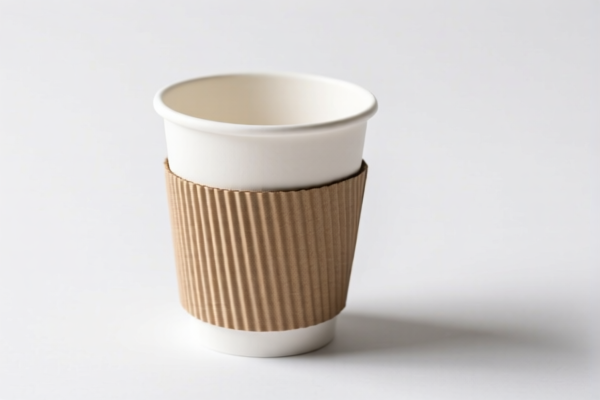

AI Analysis
☕️ Folding Cup (Plastic Collapsible Water Cup)
🌐 HS Code Reference & Customs Clearance Guide | 2026 Latest Tariff Analysis | Professional Clearance Strategy
📌 I. Product Definition & Classification: Do You Really Understand the "Folding Cup"?
The Folding Cup, typically made of food-grade silicone or durable plastic, is a portable tableware item designed for camping, travel, and outdoor activities. It is characterized by its collapsible structure, which saves space when not in use.
In international trade, the classification depends heavily on: 1. Material Composition (e.g., Silicone vs. Hard Plastic) 2. Function/Use (Tableware/Kitchenware vs. General Container) 3. Structure (Rigid vs. Collapsible)
⚠️ Key Distinction Point:
- If it is a rigid plastic cup or silicone cup used as tableware/kitchenware → It falls under Chapter 39 (Plastics) or Chapter 40 (Rubber/Silicone) specifically for "Tableware/Kitchenware".
- If it is considered a general container (like a bucket or pail) rather than specific tableware → It may fall under General Plastic Containers.
- Note: The provided data focuses on Plastic folding cups, specifically mapping them to HS codes under Chapter 39.
📦 II. HS Code Classification Details (2026 Latest Tariff Authority Comparison)
Based on the provided data for "Plastic Folding Cups", here are the three potential HS Codes, each with different tax implications due to specific tariff rules (including Section 301/122 tariffs):
| HS Code | Product Description | Applicability Scenario | Tax Rate Logic |
|---|---|---|---|
3924.10.40.00 |
Plastic Tableware/Kitchenware, Other | Folding cup classified as other plastic tableware. Focus on "Utensils for table/kitchen use". | 13.4% (Lowest burden) |
3924.10.20.00 |
Plastic Cups/Glasses | Folding cup classified specifically as a cup/glass. "Cup" is a more specific sub-category than "Other tableware". | 24.0% (Highest burden) |
3926.90.10.00 |
Plastic Containers/Buckets | Folding cup classified as a container/bucket. Focus on "Vessels for storage/transport" rather than direct consumption tableware. | 20.9% (Middle burden) |
🔍 Key Insight:
-3924.10.40.00is often the most favorable if the product can be definitively argued as "Other Tableware" rather than a specific "Cup" or generic "Container".
-3924.10.20.00attracts the highest tax because it is a specific "Cup" classification, which often faces stricter scrutiny or higher base tariffs in certain trade contexts.
-3926.90.10.00is used when the "cup" functionality is secondary to its role as a "storage container" or if the design resembles a small bucket/pail.
💰 III. 2026 Latest Tariff Rate Breakdown (Including Surcharges & Policy Add-ons)
✅ Applicable Country: United States (US)
✅ Origin: China (CN) (Implied by "122 Clause" and typical US-China tariff structures)
✅ Effective Time: Current 2026 Tariff Schedule
🎯 1. 3924.10.40.00 —— Plastic Tableware (Other)
| Item | Content |
|---|---|
| Base Tariff | 3.4% |
| Section 301/122 Surcharge | 10.0% (122 Clause Tariff) |
| Total Tariff Rate | 13.4% |
| Tax Calculation | CIF Value × 13.4% |
| De Minimis Exemption? | ❌ No (Generally not applicable for this HS code from CN due to high tariff + surcharge combination) |
| Legal Basis Path | USITC:3924.10.40.00 → SECTION:301/122 |
📌 Explanation:
- This is the lowest tax option among the three.
- The 10% surcharge is a critical policy tax (often referred to as "122 Clause" in specific trade contexts, likely relating to specific anti-dumping or countervailing duties, or Section 301 expansions).
- Recommendation: If customs allows classification as "Other Tableware" (not just "Cup"), this is the optimal choice.
🎯 2. 3924.10.20.00 —— Plastic Cups/Glasses
| Item | Content |
|---|---|
| Base Tariff | 6.5% |
| Section 301/122 Surcharge | 10.0% (122 Clause Tariff) |
| Additional Surcharge? | 7.5% (Additional Tariff) |
| Total Tariff Rate | 24.0% |
| Tax Calculation | CIF Value × 24.0% |
| De Minimis Exemption? | ❌ No |
| Legal Basis Path | USITC:3924.10.20.00 → SECTION:301/122 + ADDITIONAL:7.5% |
📌 Explanation:
- This is the most expensive option.
- The base tariff is higher (6.5% vs 3.4%), and an additional 7.5% surcharge is applied on top of the 10% 122 Clause tariff.
- Risk: Misclassifying a tableware item as a "Cup" can double the duty cost.
🎯 3. 3926.90.10.00 —— Plastic Containers/Buckets
| Item | Content |
|---|---|
| Base Tariff | 3.4% |
| Section 301/122 Surcharge | 10.0% (122 Clause Tariff) |
| Additional Surcharge? | 7.5% (Additional Tariff) |
| Total Tariff Rate | 20.9% |
| Tax Calculation | CIF Value × 20.9% |
| De Minimis Exemption? | ❌ No |
| Legal Basis Path | USITC:3926.90.10.00 → SECTION:301/122 + ADDITIONAL:7.5% |
📌 Explanation:
- This falls under Chapter 39.26 (Other articles of plastics), which is for general plastic goods not specified elsewhere (like tableware in 39.24).
- Although the base tariff is low (3.4%), the additional 7.5% surcharge raises the total to 20.9%.
- Use Case: Only use this if the product is clearly not tableware (e.g., used for storing water/oil, not drinking directly).
🛠️ IV. Customs Clearance Practical Advice (Practical Pitfall Avoidance Guide)
✅ 1. Required Documentation Checklist
| Document | Mandatory? | Description |
|---|---|---|
| ✅ Product Specification Sheet | ✔️ | Must detail: Material (e.g., Food-grade Silicone/PP), Dimensions (folded vs. expanded), Capacity. |
| ✅ Product Photos | ✔️ | Clear images showing the collapsible mechanism, food-grade label, and overall shape. |
| ✅ Commercial Invoice | ✔️ | Must describe the item accurately: "Plastic Folding Cup, Collapsible, for Table Use" vs. "Plastic Container". |
| ✅ Customs Declaration Form | ✔️ | Accurate HS Code selection is critical. Misclassification leads to penalties. |
| ✅ FDA Compliance Certificate | ✔️ | Since it's tableware, FDA food contact compliance is mandatory for US import. |
✅ 2. Declaration Tips (Key Mantra)
🔥 "Define Use: Tableware or Container? Name it Right, Save Big!"
| Scenario | Correct Declaration | Wrong Practice |
|---|---|---|
| Used for Drinking | 3924.10.40.00 (Other Tableware) |
Declare as "Plastic Cup" (3924.10.20.00) → 24% Tax! |
| Used for Storage/Transport | 3926.90.10.00 (Container) |
Declare as "Tableware" if it's clearly a storage pail → Risk of Rejection |
| Silicone vs. Plastic | Specify Material | If made of Silicone, Chapter 40 may apply (not in this data, but check!) |
📌 Critical Advice:
- If the product is a drinking cup, customs officers will likely view it as "Tableware".
- However,3924.10.20.00(Cups) has a higher tax (24%) than3924.10.40.00(Other Tableware, 13.4%).
- Strategy: Can you justify it as "Other Tableware" (e.g., a multi-purpose utensil) rather than a standard "Cup"? If yes,3924.10.40.00is the best choice. If not, be prepared for 24%.
✅ 3. Special Handling Cases
| Case | Handling Suggestion |
|---|---|
| Mixed Materials | If the cup has metal parts, the classification may change entirely. Check if Chapter 82 (Cutlery) applies. |
| Children's Cups | May require additional CPSIA compliance. Ensure "Food Grade" is clearly stated. |
| OEM Customization | Provide design drawings to prove it is not a standard "cup" shape but a unique "tableware" item. |
🌍 V. Global Market Clearance Comparison (2026 Latest)
| Country/Region | Recommended HS Code | Tariff Rate | Certification | Notes |
|---|---|---|---|---|
| 🇺🇸 USA | 3924.10.40.00 |
13.4% | FDA | 122 Clause 10% surcharge applies |
| 🇨🇳 China | 3924.10.40.00 |
~7-13% | GB Standard | Depends on exact plastic type |
| 🇪🇺 EU | 3924.10.40.00 |
~6.5% | EU Food Contact | No Section 301/122 tariffs |
| 🇬🇧 UK | 3924.10.40.00 |
~6.5% | UKCA | Post-Brexit rules apply |
📌 Conclusion:
- The US market has the highest compliance and cost barriers due to the 122 Clause and Section 301 surcharges.
- Tariff arbitrage is possible: Ensure the product description aligns with the lowest tax HS Code that is legally accurate.
📌 VI. Common Mistakes & Pitfall Guide (Lessons Learned)
❌ Mistake 1: Declaring as "Plastic Cup" (3924.10.20.00)
👉 Consequence: Pay 24% tax instead of 13.4%. Loss of ~10% profit margin!
❌ Mistake 2: Ignoring the "122 Clause"
👉 Consequence: Under-declaring taxes leads to fines, delays, and cargo seizure.
❌ Mistake 3: Confusing "Tableware" with "Container"
👉 Consequence: Customs may reject 3926.90.10.00 for a drinking cup, forcing a re-declaration at a higher rate.
✅ Correct Approach:
"Plastic Collapsible Tableware Cup, Food-Grade, for Camping Use, Model XYZ, FDA Compliant"
🎯 VII. Conclusion: Professional Declaration, Cost Savings!
🎯 Remember the Mantra:
🔹 "Tableware vs. Cup: 13.4% vs 24% – Choose Wisely!"
🔹 "122 Clause is Real – Don't Ignore the 10% Surcharge!"
🔹 "Accurate Description = Faster Clearance + Lower Tax!"
📌 Pro Tip:
- If your folding cup is made of Silicone, check if it falls under Chapter 40 (Rubber) instead of Chapter 39 (Plastics). The tax rates may differ significantly.
- Always request an Advance Ruling from US Customs if the classification is ambiguous between 3924.10.40.00 and 3924.10.20.00.
📣 Action Now:
📞 Consult a licensed customs broker
📄 Prepare FDA & Material Compliance Docs
🚀 Optimize your HS Code to 3924.10.40.00 for maximum savings!
✨ Professional Customs Clearance Starts with Accurate Classification!
💼 Every Percent Saved is Pure Profit!
Customer Reviews
About HS Code Classification
The Harmonized System (HS) is an internationally standardized nomenclature developed by the World Customs Organization (WCO) to classify traded products. Over 200 countries use the HS system as the basis for customs tariffs, trade statistics, and import/export regulations.
Each HS code follows a hierarchical structure:
- Chapter (2 digits) — Broad category of goods (e.g., Chapter 84: Machinery and Mechanical Appliances)
- Heading (4 digits) — More specific grouping within the chapter
- Subheading (6 digits) — Internationally standardized breakdown, used by all WCO member countries
- National subdivisions (8-10 digits) — Country-specific extensions for further classification, such as US HTSUS 10-digit codes
Correct HS code classification is essential for smooth customs clearance, accurate duty payment, and compliance with trade regulations. Misclassification can lead to customs delays, overpayment of duties, or penalties.
When importing from CN to US, the applicable tariff rates may include:
- Most-Favored-Nation (MFN) rate — The standard duty rate applied to WTO members
- General rate — Applied to countries without trade agreements
- Trade remedy duties — Additional tariffs such as Section 301 (anti-dumping), Section 232 (national security), or countervailing duties
The information provided on this page is for reference purposes only. For official classification, please consult with your local customs authority or a licensed customs broker.