Folding Dining Table
CN → US| HS Code | Tariff Rate | Origin | Destination | Doc |
|---|---|---|---|---|
| 4421919880 | 38.3% | CN | US | Official Doc |
| 4421999880 | 38.3% | CN | US | Official Doc |
| 7326908688 | 87.9% | CN | US | Official Doc |
| 9401698011 | 35.0% | CN | US | Official Doc |
| 9401790050 | 35.0% | CN | US | Official Doc |
Product Images
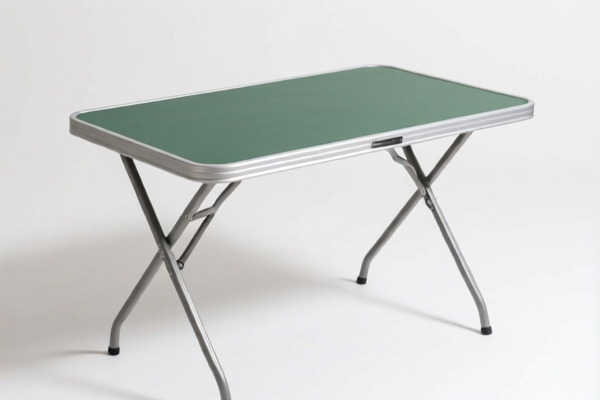
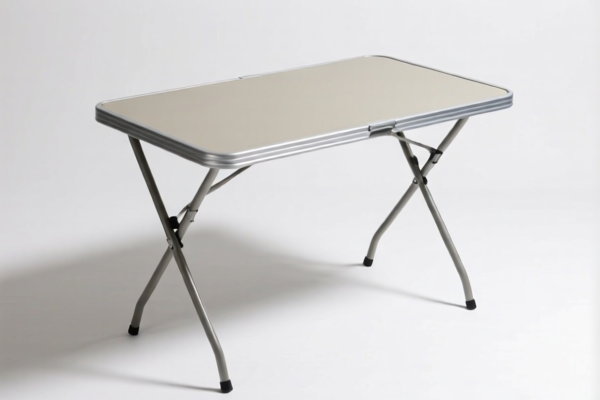
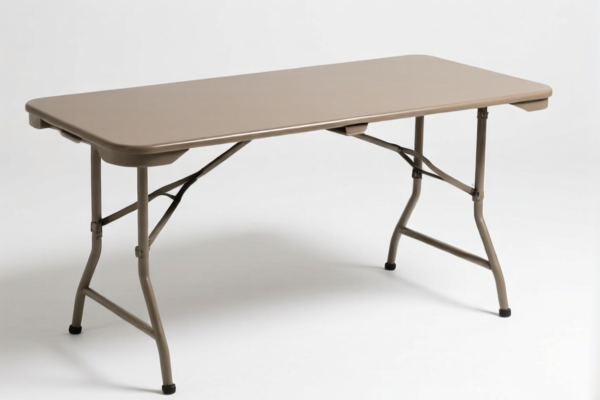
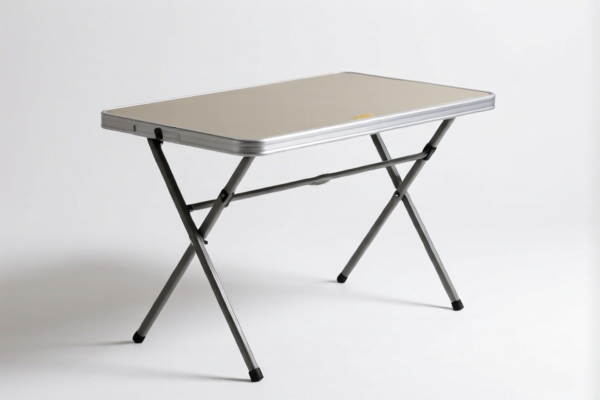
AI Analysis
🪑 Folding Dining Table (折叠餐桌)
🌐 HS Code Reference & Customs Clearance Guide | 2026 Latest Tariff Analysis | Professional Clearance Strategy
📌 I. Product Definition & Classification: What Exactly Is a "Folding Table"?
A Folding Dining Table is a piece of furniture designed for dining, characterized by its collapsible structure to save space. In international trade, its classification is strictly determined by its primary material and structural composition. Misclassification can lead to severe tax liabilities, especially under current US trade policies.
Two Main Material Categories:
- Wooden Folding Tables: Frames, legs, or surfaces primarily made of wood.
- Metal Folding Tables: Frames constructed from iron, steel, aluminum, or copper.
⚠️ Critical Distinction:
- If the table is wooden (even with metal hinges), it generally falls under Chapter 44.
- If the table is metal (iron/steel), it falls under Chapter 73.
- Note: This analysis covers "Dining Tables." For "Folding Chairs/Sofas," see the secondary HS Codes below.
📦 II. HS Code Classification Matrix (2026 Latest Tariff Rules)
| HS Code | Product Description | Material/Type | Key Attribute |
|---|---|---|---|
4421.91.98.80 |
Other articles of wood, including folding tables | Wood | "Other items," no material conflict. |
4421.99.98.80 |
Other wooden articles (Fall-back category) | Wood | Finished furniture, fits "other wood products." |
7326.90.86.88 |
Other articles of iron or steel | Metal (Iron/Steel) | "Other items," fall-back for metal products. |
9401.69.80.11 |
Seats (excluding chairs with swivel) | Mixed/Furniture | Applies to Folding Sofas with wooden frames. |
9401.79.00.50 |
Seats (other), with metal frames | Mixed/Furniture | Applies to Folding Chairs with metal frames. |
🔍 Important Note:
-4421series applies to Wooden tables.
-7326series applies to Metal tables.
-9401series applies to Seating (Chairs/Sofas), not tables. If your product is a "Folding Dining Table," focus on4421or7326.
💰 III. Detailed 2026 Tariff Rate Breakdown (Including Surcharges)
✅ Applicable Country: United States (US)
✅ Origin: China (CN)
✅ Effective Date: Current Trade War Tariffs Apply
🎯 1. Wooden Folding Tables (4421.91.98.80 & 4421.99.98.80)
For wooden folding tables, the total tariff burden is significant due to multiple layers of taxes.
| Item | Content |
|---|---|
| Basic Tariff | 3.3% (Most Favored Nation rate) |
| Section 301 Surcharge | +25.0% (USITC Footnote 9903.88.01) |
| Section 122 Tariff | +10.0% (Specific provision for certain Chinese goods) |
| Total Tax Rate | 38.3% |
| Calculation Base | CIF Value × 38.3% |
| De Minimis Exemption | ❌ Not Applicable (Section 301 and 122 duties apply regardless of value) |
📌 Explanation:
- The 25% is the standard Section 301 tariff on Chinese wood products.
- The 10% is an additional Section 122 tariff.
- Total: 38.3%. This is a high-cost classification.
🎯 2. Metal Folding Tables (7326.90.86.88)
For tables made of iron or steel, the tariff structure is more punitive.
| Item | Content |
|---|---|
| Basic Tariff | 2.9% |
| Section 301 Surcharge | +25.0% |
| Section 122 Tariff | +10.0% |
| Steel/Aluminum/Copper Surcharge | +50.0% (Specific to steel/aluminum products) |
| Total Tax Rate | 87.9% |
| Calculation Base | CIF Value × 87.9% |
| De Minimis Exemption | ❌ Not Applicable |
📌 Explanation:
- The 50% additional tariff applies specifically to steel products under recent trade measures.
- Combined with Section 301 (25%) and Section 122 (10%), the total hits 87.9%.
- This is an extremely high tariff. Importing metal folding tables from China is cost-prohibitive unless mitigated.
🎯 3. Seating Items (If "Folding Dining Table" is misinterpreted as "Chair/Sofa")
If the product is actually a Folding Chair or Folding Sofa, the rates are lower but still subject to surcharges.
| HS Code | Product | Basic | Sec 301 | Sec 122 | Total |
|---|---|---|---|---|---|
9401.69.80.11 |
Folding Sofa (Wooden Frame) | 0.0% | 25.0% | 10.0% | 35.0% |
9401.79.00.50 |
Folding Chair (Metal Frame) | 0.0% | 25.0% | 10.0% | 35.0% |
📌 Note:
- These rates (35%) are lower than wooden tables (38.3%) and much lower than metal tables (87.9%).
- However, ensure the product is correctly identified as "Seating" and not "Furniture/Table."
🛠️ IV. Customs Clearance Practical Advice (Avoiding Pitfalls)
✅ 1. Preparation Checklist (Must-Submit Documents)
| Document | Required? | Purpose |
|---|---|---|
| ✅ Product Photos | ✔️ | Must clearly show material (wood grain vs. metal texture) and folding mechanism. |
| ✅ Material Composition Statement | ✔️ | Specify % of wood, metal, glass, plastic. Critical for 4421 vs 7326. |
| ✅ Structure Diagram | ✔️ | To prove it is a "folding" table and not a fixed piece. |
| ✅ Commercial Invoice | ✔️ | Must specify "Folding Dining Table" and correct HS Code. |
| ✅ Packing List | ✔️ | Include dimensions when folded/unfolded to demonstrate space-saving feature. |
| ✅ Origin Certificate | ✔️ | Prove CN origin to calculate exact tariffs. |
✅ 2. Declaration Tips (Key Mnemonic)
🔥 "Material Determines Code, Metal is Expensive, Wood is Moderate!"
| Scenario | Correct HS Code | Tariff Rate | Wrong Declaration Risk |
|---|---|---|---|
| Wooden Table | 4421.91.98.80 |
38.3% | Declaring as "Plastic" → Penalty + Back Taxes |
| Metal Table | 7326.90.86.88 |
87.9% | Declaring as "Wood" → High Audit Risk + Smuggling Charges |
| Folding Chair | 9401.79.00.50 |
35.0% | Declaring as "Table" → Wrong Category |
| Mixed Material | Check Primary Material | See Above | Ambiguous declaration → Delayed Clearance |
✅ 3. Special Case Handling
| Situation | Recommendation |
|---|---|
| Metal Hinges on Wooden Table | Still classified as Wood (4421) if wood is the primary material. |
| Wooden Legs on Metal Table | Still classified as Metal (7326) if metal frame is primary. |
| Importing from Vietnam/Mexico | Check if Section 301/122 exemptions apply due to non-CN origin. |
| Sample Shipments | No De Minimis exemption for Section 301/122 duties. Tax applies even for samples. |
🌍 V. Global Market Comparison (2026)
| Country/Region | Recommended HS Code (Wood) | Recommended HS Code (Metal) | Total Tariff (US Source) | Notes |
|---|---|---|---|---|
| 🇺🇸 USA | 4421.91.98.80 |
7326.90.86.88 |
38.3% (Wood) 87.9% (Metal) |
High tariffs due to Sec 301 & 122. |
| 🇨🇳 China | 4421.91.98.80 |
7326.90.86.88 |
5-13% | No Section 301/122. |
| 🇪🇺 EU | 4421.91.98.80 |
7326.90.86.88 |
0-5% | No Section 301/122. |
| 🇦🇺 Australia | 4421.91.98.80 |
7326.90.86.88 |
5% | No Section 301/122. |
📌 Conclusion:
- USA is the most expensive market for Chinese folding tables due to layered tariffs.
- Metal tables face nearly 90% tariff, making them commercially unviable from China.
- Wooden tables are manageable at 38.3% but still high. Consider sourcing from non-CN countries for metal products.
📌 VI. Common Mistakes & Pitfalls (Lessons Learned)
❌ Mistake 1: Declaring a Metal Table as "Wooden Furniture" to avoid the 50% steel surcharge.
👉 Consequence: Customs audit, seizure of goods, and penalties up to 3x the duty value.
❌ Mistake 2: Ignoring Section 122 Tariffs.
👉 Consequence: Underpayment by 10%. CBP will demand back taxes + interest.
❌ Mistake 3: Assuming De Minimis ($800) applies.
👉 Consequence: Section 301 and 122 duties do not apply to De Minimis exemptions. You will still pay 38.3% or 87.9%.
❌ Mistake 4: Mixing Tables and Chairs in one shipment without clear separation.
👉 Consequence: Confusion in classification, potential delays.
✅ Correct Approach:
"Folding Dining Table, Wood Frame, Metal Hinges, Model XYZ, Origin: China, HS Code: 4421.91.98.80"
🎯 VII. Conclusion: Professional Declaration, Cost Control!
🎯 Remember This Rule:
🔹 "Wood is 38.3%, Metal is 87.9%, Chairs are 35%. Choose wisely!"
🔹 "Material First, Tariff Second. Never Hide Metal as Wood!"
📌 Pro Tip:
If you are importing metal folding tables, consider supply chain diversification to Southeast Asia or Mexico to avoid the 87.9% US tariff.
For wooden tables, ensure your supplier provides accurate wood species documentation to prevent misclassification.
📣 Immediate Action:
📞 Contact a licensed customs broker.
📄 Provide material composition reports.
🚀 Save money by getting the HS Code right from day one!
✨ Expert Clearance Starts with Accurate Classification!
💼 Every Percent Saved is Profit Gained!
Customer Reviews
About HS Code Classification
The Harmonized System (HS) is an internationally standardized nomenclature developed by the World Customs Organization (WCO) to classify traded products. Over 200 countries use the HS system as the basis for customs tariffs, trade statistics, and import/export regulations.
Each HS code follows a hierarchical structure:
- Chapter (2 digits) — Broad category of goods (e.g., Chapter 84: Machinery and Mechanical Appliances)
- Heading (4 digits) — More specific grouping within the chapter
- Subheading (6 digits) — Internationally standardized breakdown, used by all WCO member countries
- National subdivisions (8-10 digits) — Country-specific extensions for further classification, such as US HTSUS 10-digit codes
Correct HS code classification is essential for smooth customs clearance, accurate duty payment, and compliance with trade regulations. Misclassification can lead to customs delays, overpayment of duties, or penalties.
When importing from CN to US, the applicable tariff rates may include:
- Most-Favored-Nation (MFN) rate — The standard duty rate applied to WTO members
- General rate — Applied to countries without trade agreements
- Trade remedy duties — Additional tariffs such as Section 301 (anti-dumping), Section 232 (national security), or countervailing duties
The information provided on this page is for reference purposes only. For official classification, please consult with your local customs authority or a licensed customs broker.