Folding Sofa
CN → US| HS Code | Tariff Rate | Origin | Destination | Doc |
|---|---|---|---|---|
| 9401698011 | 35.0% | CN | US | Official Doc |
| 9401696031 | 35.0% | CN | US | Official Doc |
| 9401790050 | 35.0% | CN | US | Official Doc |
| 9403608093 | 35.0% | CN | US | Official Doc |
| 4421999880 | 38.3% | CN | US | Official Doc |
Product Images
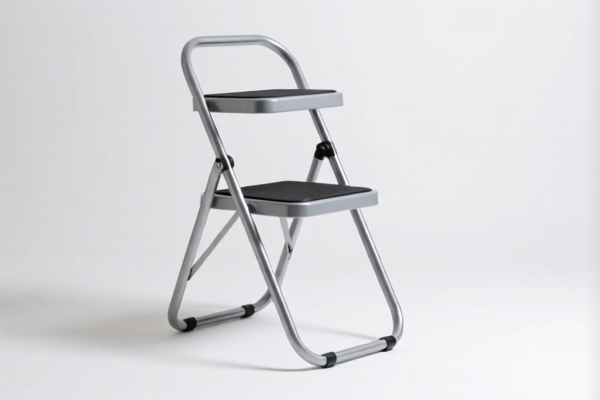
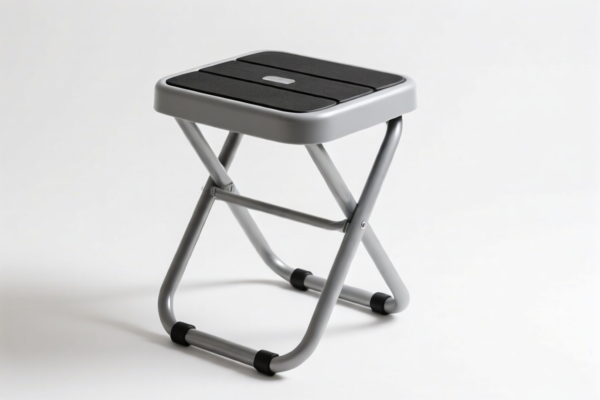
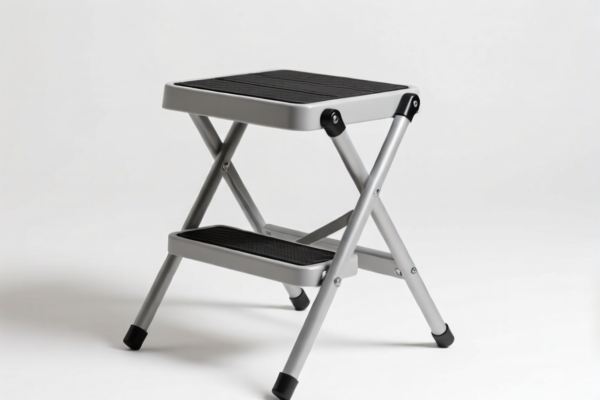
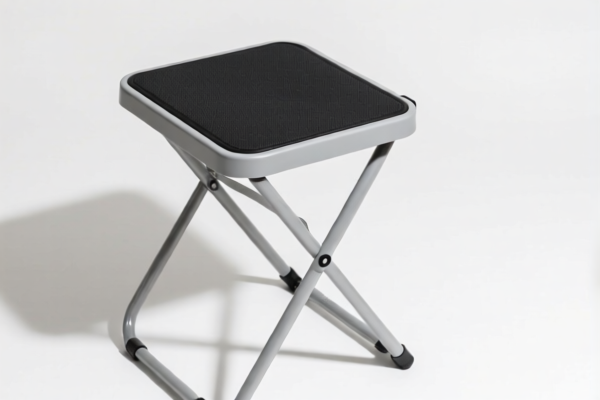
AI Analysis
🛋️ Folding Sofa (Foldable Couch/Sectional)
🌐 HS Code Reference & Clearance Guide | 2026 Latest Tariff Analysis | Professional US Customs Strategy
📌 I. Product Definition & Classification: What Exactly is a "Folding Sofa"?
In international trade, a "Folding Sofa" is often a misnomer that masks complex classification issues. It generally refers to a seating unit that can be transformed or collapsed for storage. The key to correct classification lies in its structure and primary material:
1. Finished Seating with Upholstery (Sofa Type)
If the item is a complete seating unit (seat + backrest + armrests if any) that folds for space-saving, it is typically classified under Heading 9401 (Seats).
Example: A leather or fabric-covered frame that collapses flat.
2. General Folding Chair/Seat (Non-Upholstered or Simple Frame)
If the item lacks the complexity of a "sofa" (no deep seating, simple mechanism) or is primarily a chair-like structure, it may fall under Heading 9403 (Furniture) or generic Folding Chairs.
⚠️ Critical Distinction Point:
- If it is a complete, upholstered seat (even if it folds), it is 9401.
- If it is a simple folding chair (wood/metal frame, possibly padded but not a "sofa"), it may be 9401.69.60.31 or 9401.79.00.50.
- If it is considered general Furniture (e.g., a wooden folding seat not primarily for sitting in a living room context), it might be 9403.60.80.93.
📦 II. HS Code Classification Details (2026 Latest Tariff Authority Alignment)
Based on the provided data, here is the precise breakdown for Folding Sofas and related seating:
| HS Code | Product Description | Material/Structure | Applicability Scenario |
|---|---|---|---|
9401.69.80.11 |
Folding Sofa, Finished Seat | Wooden Frame (Likely) | Complete upholstered sofa that folds. This is the most accurate code for a "Folding Sofa" if it has a wooden structural frame. |
9401.69.60.31 |
Folding Chair/Seat | Wooden or Metal Frame | Simple folding seats, garden chairs, or light-duty folding seats. If your "sofa" is essentially a heavy-duty folding chair, this may apply. |
9401.79.00.50 |
Folding Chair/Seat | Metal Frame | Folding seats with metal frames. Common for industrial or outdoor folding seats. |
9403.60.80.93 |
Folding Chair, Furniture Type | Wood or Other Material | General furniture classification for folding seats. Used if the item doesn't fit strictly into "Seats" (9401) due to design or usage context. |
4421.99.98.80 |
Folding Table | Wooden Product | Note: If the product is actually a Folding Table (not a sofa) made of wood, it falls here. Do not misclassify tables as sofas. |
🔍 Key Insight:
- For a true "Folding Sofa",9401.69.80.11is the primary candidate if it has a wooden frame.
- If the frame is metal, check9401.79.00.50.
- Avoid4421.99.98.80unless you are shipping a wooden table.
💰 III. 2026 Latest Tariff Rate Breakdown (Including Surcharges)
✅ Applicable Country: United States (US)
✅ Origin: China (CN)
✅ Effective Date: From 2025/2026 Import Cycle
All products in the provided dataset carry a Total Tax Rate of 35.0% or 38.3% due to the combination of Base Tariff, Section 301 Surcharges, and Section 122 Tariffs.
🎯 1. 9401.69.80.11 – Folding Sofa (Wooden Frame)
| Item | Detail |
|---|---|
| Base Tariff | 0.0% |
| Section 301 Surcharge | +25.0% (25% additional duty) |
| Section 122 Tariff | +10.0% (10% additional duty under specific US trade actions) |
| Total Effective Rate | 35.0% |
| Tax Calculation | CIF Value × 35.0% |
| De Minimis Exemption | ❌ Not Applicable (Section 321 exemption does not cover high-tariff goods or commercial shipments effectively in this context) |
| Legal Basis | HTSUS 9401.69.80.11 → USITC Footnote: 301 → Executive Order 12290/12291 (Section 122) |
📌 Explanation:
- Even though the base duty is 0%, the 25% Section 301 and 10% Section 122 tariffs stack up, resulting in a 35% total cost burden.
- Section 122 is invoked for national security reasons affecting trade volume.
🎯 2. 9401.69.60.31 & 9401.79.00.50 – Folding Chairs
| Item | Detail |
|---|---|
| Base Tariff | 0.0% |
| Section 301 Surcharge | +25.0% |
| Section 122 Tariff | +10.0% |
| Total Effective Rate | 35.0% |
| Tax Calculation | CIF Value × 35.0% |
📌 Note:
- Whether the frame is wood or metal, if it's classified under 9401 for folding seats, the tariff structure remains 35%.
🎯 3. 9403.60.80.93 – General Folding Furniture
| Item | Detail |
|---|---|
| Base Tariff | 0.0% |
| Section 301 Surcharge | +25.0% |
| Section 122 Tariff | +10.0% |
| Total Effective Rate | 35.0% |
🎯 4. 4421.99.98.80 – Wooden Folding Table (If Misidentified)
| Item | Detail |
|---|---|
| Base Tariff | 3.3% |
| Section 301 Surcharge | +25.0% |
| Section 122 Tariff | +10.0% |
| Total Effective Rate | 38.3% |
| Tax Calculation | CIF Value × 38.3% |
⚠️ Warning:
- If you mistakenly declare a Folding Table instead of a Sofa, or if the product is actually a table, the base tariff is 3.3%, leading to a higher total of 38.3%.
- Do not confuse Sofas (9401) with Tables (4421).
🛠️ IV. Clearance Operational Advice (Practical Pitfall Guide)
✅ 1. Documentation Checklist (Mandatory)
| Document | Required | Reason |
|---|---|---|
| ✅ Product Photos | ✔️ | Must clearly show the folding mechanism and upholstery. Distinguish between "Sofa" and "Table". |
| ✅ Specification Sheet | ✔️ | Detail the frame material (Wood vs. Metal) and dimensions when folded vs. opened. |
| ✅ Commercial Invoice | ✔️ | Must explicitly state "Folding Sofa, Finished Seat, Wooden Frame" to justify 9401.69.80.11. |
| ✅ Packing List | ✔️ | Show net/gross weight. Ensure no "Table" parts are included if declared as Sofa. |
| ✅ Labeling | ✔️ | "Made in China" must be visible. |
✅ 2. Declaration Tips (Key Mantras)
🔥 "Frame Defines Code, Function Defines Category, Name Must Match Structure!"
| Scenario | Correct Declaration | Incorrect Declaration | Consequence |
|---|---|---|---|
| Folding Sofa (Wooden Frame) | Folding Sofa, Finished Seat, Wooden Frame → 9401.69.80.11 |
"Furniture" or "Wooden Product" → 4421.99.98.80 |
Risk of 38.3% tariff + classification error |
| Folding Metal Seat | Folding Chair, Metal Frame → 9401.79.00.50 |
"Sofa" | Minor discrepancy, but corrects to chair rate |
| Actual Folding Table | Wooden Folding Table → 4421.99.98.80 |
"Folding Sofa" | Major Error: Base duty 3.3% vs 0%, but total is higher. Also, risk of penalty for false description. |
📌 Critical Rule:
- If the item has armrests and deep seating, it is a Sofa (9401).
- If it is a flat bench that folds, it may be a Chair/Seat (9401.69/79) or Furniture (9403).
- Never declare a table as a sofa to save costs; CBP can inspect and reclassify.
🌍 V. Global Market Comparison (2026)
| Region | Recommended HS Code | Total Tariff Rate (China Origin) | Notes |
|---|---|---|---|
| 🇺🇸 USA | 9401.69.80.11 |
35.0% | High due to Section 301 + Section 122. |
| 🇨🇳 China | 9401.69.80.11 |
5-10% | Import duty is low; focus on domestic sales. |
| 🇪🇺 EU | 9401.69.80 |
0% | Most furniture imports have 0% duty. No Section 301. |
| 🇬🇧 UK | 9401.69.80 |
0% | Post-Brexit, preferential rates may apply. |
📌 Conclusion:
- USA is the only market with heavy surcharges (35%).
- For other markets, the cost is significantly lower. Consider transshipment or supply chain diversification if targeting the US exclusively.
📌 VI. Common Mistakes & Pitfalls (Blood & Tears Lessons)
❌ Mistake 1: Declaring "Folding Sofa" as "Wooden Furniture" (4403/4421)
👉 Result: While base duty might be 0%, if it's misclassified as a table (4421), base duty jumps to 3.3%, total 38.3%. Also, customs may penalize for misdescription.
❌ Mistake 2: Ignoring Section 122 Tariffs
👉 Result: Assuming only Section 301 (25%) applies. Failing to account for the additional 10% Section 122 leads to underpayment and penalties.
❌ Mistake 3: Confusing "Folding Chair" with "Folding Sofa"
👉 Result: Both are 35%, but if the "sofa" is actually a simple chair, using the sofa code is technically incorrect and may trigger audits. Ensure the description matches the physical complexity.
✅ Correct Practice:
"Folding Sofa, Finished Seat, Wooden Frame, Upholstered, Model XYZ, Made in China"
🎯 VII. Conclusion: Professional Declaration, Cost Control
🎯 Remember the Formula:
🔹 Base Duty (0%) + Section 301 (25%) + Section 122 (10%) = 35% Total
🔹 Wooden Table Base (3.3%) + 25% + 10% = 38.3% Total
🔹 Always match the HS Code to the physical structure (Frame Material + Function).
📌 Pro Tip:
- If your product has mixed materials (e.g., metal legs, wooden frame), the essential character (usually the frame) determines the code.
- For US imports, consider Advance Rulings from CBP to confirm the exact HS Code before shipping, especially given the high tariffs.
📣 Immediate Action:
📞 Consult a licensed customs broker
📦 Provide product photos and structural diagrams
🚀 Apply for a CBP Advance Ruling to lock in the 35% rate and avoid surprises.
✨ Precision in Classification = Savings in Duties!
💼 Don't let a 3.3% base duty difference or a misclassification cost you thousands!
Customer Reviews
About HS Code Classification
The Harmonized System (HS) is an internationally standardized nomenclature developed by the World Customs Organization (WCO) to classify traded products. Over 200 countries use the HS system as the basis for customs tariffs, trade statistics, and import/export regulations.
Each HS code follows a hierarchical structure:
- Chapter (2 digits) — Broad category of goods (e.g., Chapter 84: Machinery and Mechanical Appliances)
- Heading (4 digits) — More specific grouping within the chapter
- Subheading (6 digits) — Internationally standardized breakdown, used by all WCO member countries
- National subdivisions (8-10 digits) — Country-specific extensions for further classification, such as US HTSUS 10-digit codes
Correct HS code classification is essential for smooth customs clearance, accurate duty payment, and compliance with trade regulations. Misclassification can lead to customs delays, overpayment of duties, or penalties.
When importing from CN to US, the applicable tariff rates may include:
- Most-Favored-Nation (MFN) rate — The standard duty rate applied to WTO members
- General rate — Applied to countries without trade agreements
- Trade remedy duties — Additional tariffs such as Section 301 (anti-dumping), Section 232 (national security), or countervailing duties
The information provided on this page is for reference purposes only. For official classification, please consult with your local customs authority or a licensed customs broker.