Folding Table
CN → US| HS Code | Tariff Rate | Origin | Destination | Doc |
|---|---|---|---|---|
| 4421999880 | 38.3% | CN | US | Official Doc |
| 7326908688 | 87.9% | CN | US | Official Doc |
| 4421919880 | 38.3% | CN | US | Official Doc |
Product Images
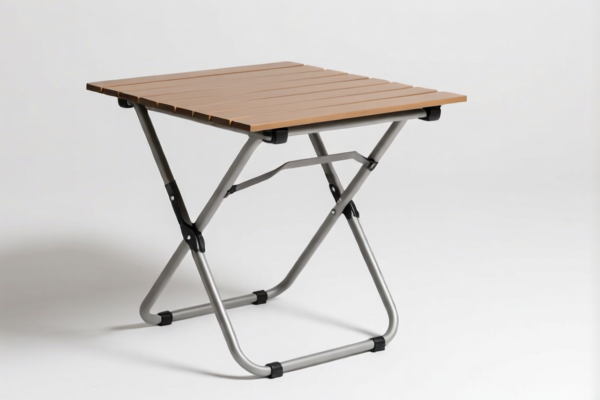
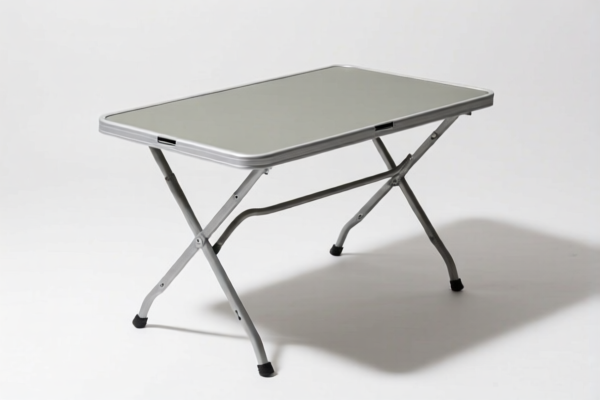
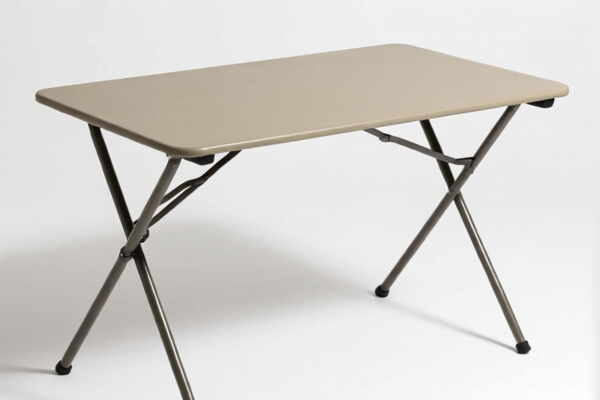
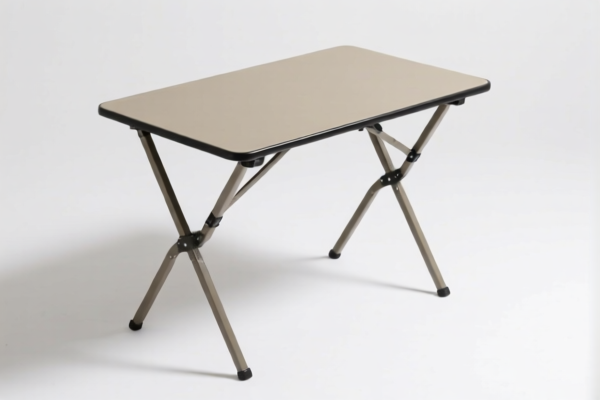
AI Analysis
🪑 Folding Tables (Wood & Metal Variants)
🌐 HS Code Reference & Customs Clearance Guide | 2026 Latest Tariff Analysis | Professional Entry Strategy
📌 Part I: Product Definition & Classification Strategy
Folding tables are versatile utility items used in offices, events, dining, and industrial settings. In international trade, material composition is the decisive factor for classification.
Wooden/Paper-Based Folding Tables:
- Material: Wood, bamboo, or composite wood.
- Classification Logic: Falls under "Other articles of wood."
Metal (Iron/Steel) Folding Tables:
- Material: Iron, steel, or steel-aluminum composites.
- Classification Logic: Falls under "Other articles of iron or steel."
⚠️ Critical Distinction:
- If the table frame is metal, do NOT classify as wood.
- If the table top is wood but the frame is metal, customs may still classify it based on the essential character (often metal for structural tables), but per the provided data, specific metal HS codes apply to "Iron/Steel articles."
- Data Constraint: The provided data strictly separates Wooden and Metal variants into distinct HS codes.
📦 Part II: HS Code Classification Details (2026 Authoritative对照)
| HS Code | Product Description | Material | Category | Key Feature |
|---|---|---|---|---|
4421.99.98.80 |
Folding Table | Wood | Other wooden articles | General wooden folding tables |
4421.91.98.80 |
Folding Table | Wood/Bamboo | Other wooden articles | Wooden or bamboo folding tables |
7326.90.86.88 |
Folding Table | Metal (Iron/Steel) | Other articles of iron/steel | Metal frame folding tables |
🔍 Focus Reminder:
- Wooden Tables (4421.xx.xx.xx) attract a lower base tariff but still face significant US附加税.
- Metal Tables (7326.xx.xx.xx) face a much higher combined tariff due to specific steel/aluminum surcharges.
- Do not mix materials: A wooden table must not be declared as metal to save taxes; this leads to severe penalties.
💰 Part III: 2026 Tariff Rate Breakdown (Including Surcharges)
✅ Applicable Country: USA (US)
✅ Origin: China (CN)
✅ Effective Date: Current policies apply
🎯 1. Wooden Folding Tables (4421.99.98.80 & 4421.91.98.80)
| Item | Detail |
|---|---|
| Base Tariff | 3.3% |
| Additional Tariff (Section 301) | 25.0% |
| Section 122 Tariff | 10% |
| Total Tax Rate | 38.3% |
| Tax Calculation | CIF Value × 38.3% |
| De Minimis Exemption | ❌ Not Eligible (High duty rates usually disqualify from 80/800 rules if combined with other surcharges, but specifically per data, these are high-cost items) |
| Legal Basis | Base Rate + 301 Tariff + Section 122 |
📌 Explanation:
- 3.3% Base: Standard MFN rate for wooden articles.
- 25% Additional: Section 301 tariffs on Chinese imports.
- 10% Section 122: Specific surcharge for certain Chinese wood/paper products.
- Total 38.3%: High cost for wooden tables. Ensure accurate HS code to avoid misclassification penalties.
🎯 2. Metal (Iron/Steel) Folding Tables (7326.90.86.88)
| Item | Detail |
|---|---|
| Base Tariff | 2.9% |
| Additional Tariff (Section 301) | 25.0% |
| Section 122 Tariff | 10% |
| Steel/Aluminum/Copper Surcharge | 50.0% |
| Total Tax Rate | 87.9% |
| Tax Calculation | CIF Value × 87.9% |
| De Minimis Exemption | ❌ Not Eligible |
| Legal Basis | Base Rate + 301 Tariff + Section 122 + Steel/Aluminum Specific Surcharge |
📌 Critical Warning:
- 87.9% is extremely high.
- The 50% Steel/Aluminum Surcharge is the primary driver.
- Even if the table has a wooden top, if the structure is classified under7326.90.86.88, this rate applies.
- Cost Impact: For every $100 of goods, you pay $87.90 in taxes.
🛠️ Part IV: Customs Clearance Practical Advice
✅ 1. Documentation Checklist
| Document | Required | Notes |
|---|---|---|
| ✅ Product Specification Sheet | ✔️ | Must clearly state material (Wood vs. Metal), dimensions, weight. |
| ✅ Commercial Invoice | ✔️ | Description: "Folding Table, Wood, [Model]" or "Folding Table, Steel, [Model]". |
| ✅ Packing List | ✔️ | Ensure no mixed materials in one shipment unless declared correctly. |
| ✅ Material Composition Statement | ✔️ | Explicitly declare: "100% Wooden Frame" or "Steel Frame with Wood Top". |
| ✅ Third-Party Test Report | ✔️ | If applicable (e.g., formaldehyde for wood, structural integrity for metal). |
✅ 2. Declaration Strategy (Key Tips)
🔥 Golden Rule: "Material Determines Code, Code Determines Cost!"
| Scenario | Correct HS Code | Tax Rate | Risk if Misclassified |
|---|---|---|---|
| All-Wood Table | 4421.99.98.80 or 4421.91.98.80 |
38.3% | If declared as metal → 87.9% (Overpayment) |
| Metal Frame Table | 7326.90.86.88 |
87.9% | If declared as wood → Customs Audit & Penalty (Underpayment) |
| Mixed Material (Wood Top, Metal Frame) | 7326.90.86.88 (Likely) |
87.9% | Must declare dominant material. Do not split unless instructed by broker. |
📌 Note:
- Do not attempt to under-declare metal tables as wood. Customs use X-rays and physical inspections to verify material.
- If the table is bamboo, use4421.91.98.80(38.3%).
✅ 3. Cost-Saving & Compliance Tips
| Tip | Action |
|---|---|
| Pre-Audit | Verify if your metal table qualifies for any exclusions under Section 301 (rare for furniture, but check latest USTR lists). |
| Supply Chain | If possible, source wooden folding tables instead of metal to save ~49.6% in tariffs (87.9% vs 38.3%). |
| Packaging | Ensure packaging does not include other materials (e.g., steel brackets) that might trigger the metal classification if the main product is wood. |
| Valuation | Declare accurate CIF value. High duties mean even small valuation errors lead to large tax discrepancies. |
🌍 Part V: Market Comparison (2026)
| Market | HS Code (Wood) | Tariff (Wood) | HS Code (Metal) | Tariff (Metal) |
|---|---|---|---|---|
| 🇺🇸 USA | 4421.99.98.80 |
38.3% | 7326.90.86.88 |
87.9% |
| 🇨🇳 China | 4421.99 | Low Base | 7326.90 | Low Base |
| 🇪🇺 EU | 4421.99 | ~0-6.5% | 7326.90 | ~0-4.7% |
📌 Conclusion:
- The US market is the most expensive for folding tables from China.
- Wooden tables are significantly cheaper to import than metal tables due to the absence of the 50% steel surcharge.
- Metal table importers must factor in nearly double the tax burden compared to wooden alternatives.
📌 Part VI: Common Mistakes & Pitfalls
❌ Mistake 1: Declaring a metal-framed table as wood to save taxes.
👉 Consequence: Customs seizure, fines, and retroactive tax of ~50% difference.
❌ Mistake 2: Ignoring the Section 122 10% surcharge in cost calculations.
👉 Consequence: Underestimating landed cost by 10%.
❌ Mistake 3: Assuming De Minimis (under $800) applies.
👉 Consequence: These high-tariff items are often excluded from de minimis exemptions. Check with your broker.
✅ Correct Approach:
"Folding Table, Oak Wood, Portable, [Model #], CIF Value $1000, HS Code 4421.99.98.80, Duty 38.3% = $383."
🎯 Part VII: Conclusion & Recommendations
🎯 Key Takeaway:
🔹 Wood = 38.3% Tax
🔹 Metal = 87.9% Tax
🔹 Difference = 49.6% Savings by Choosing Wood!
📌 Action Item:
1. Audit Your Product: Is it wood or metal?
2. Calculate Landed Cost: Include 38.3% or 87.9% + shipping + insurance.
3. Consult Broker: Confirm HS code with pre-classification service.
4. Consider Alternatives: If metal is mandatory, explore sourcing from non-China origins if tariff exemptions apply.
📣 Final Note:
💼 Customs Classification is Not Optional – It is Financial Strategy.
🚀 Optimize Your HS Code, Optimize Your Profit!
✨ Professional Customs Clearance Starts with Accurate Classification!
💼 Every Percent of Duty Saved is Pure Profit!
Customer Reviews
About HS Code Classification
The Harmonized System (HS) is an internationally standardized nomenclature developed by the World Customs Organization (WCO) to classify traded products. Over 200 countries use the HS system as the basis for customs tariffs, trade statistics, and import/export regulations.
Each HS code follows a hierarchical structure:
- Chapter (2 digits) — Broad category of goods (e.g., Chapter 84: Machinery and Mechanical Appliances)
- Heading (4 digits) — More specific grouping within the chapter
- Subheading (6 digits) — Internationally standardized breakdown, used by all WCO member countries
- National subdivisions (8-10 digits) — Country-specific extensions for further classification, such as US HTSUS 10-digit codes
Correct HS code classification is essential for smooth customs clearance, accurate duty payment, and compliance with trade regulations. Misclassification can lead to customs delays, overpayment of duties, or penalties.
When importing from CN to US, the applicable tariff rates may include:
- Most-Favored-Nation (MFN) rate — The standard duty rate applied to WTO members
- General rate — Applied to countries without trade agreements
- Trade remedy duties — Additional tariffs such as Section 301 (anti-dumping), Section 232 (national security), or countervailing duties
The information provided on this page is for reference purposes only. For official classification, please consult with your local customs authority or a licensed customs broker.