Folding Table Legs
CN → US| HS Code | Tariff Rate | Origin | Destination | Doc |
|---|---|---|---|---|
| 9403999045 | 85.0% | CN | US | Official Doc |
| 9403910080 | 35.0% | CN | US | Official Doc |
| 7326908688 | 87.9% | CN | US | Official Doc |
| 9403200050 | 85.0% | CN | US | Official Doc |
| 4421919880 | 38.3% | CN | US | Official Doc |
Product Images
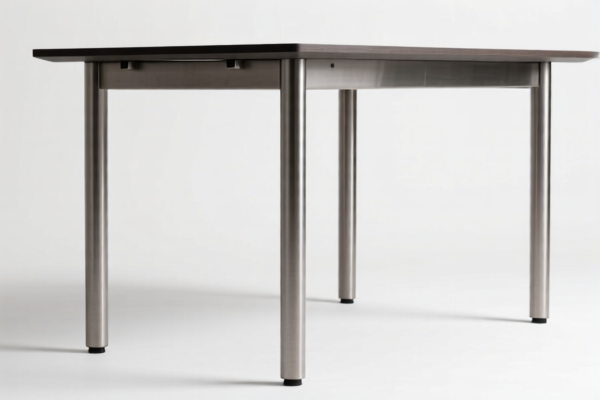
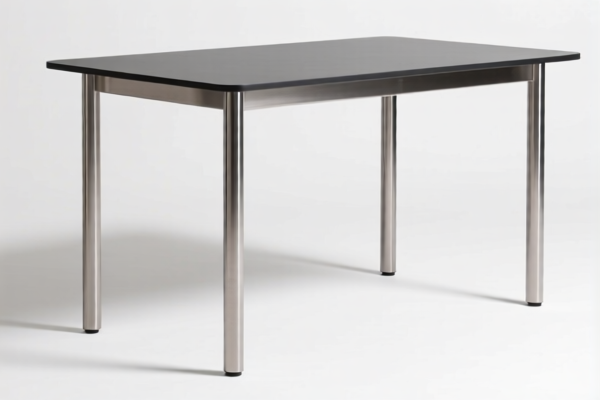
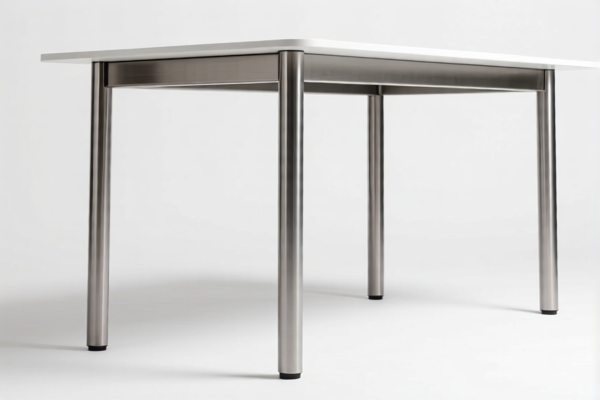
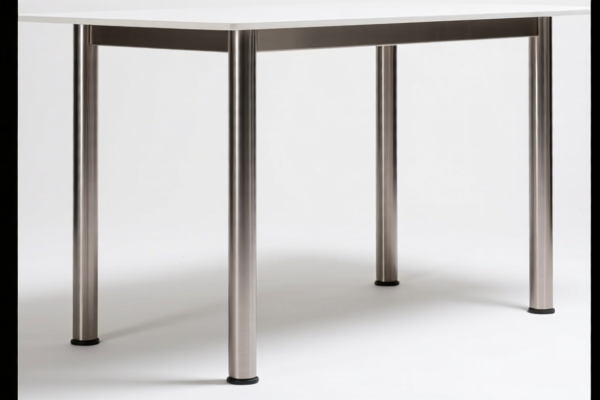
AI Analysis
🪑 Folding Table Legs (Furniture Parts)
🌐 HS Code Reference & Customs Clearance Guide | 2026 Latest Tariff Analysis | Professional Clearance Strategy
📌 I. Product Definition & Classification: Do You Really Understand "Table Legs"?
Table legs are the critical support components of furniture, specifically classified as parts/accessories of furniture (Chapter 94). In international trade, the classification depends heavily on two factors:
1. Material Composition: Are they made of wood, metal (steel/aluminum), or other materials?
2. Product Form: Are they sold as standalone parts, or are they part of a complete folding table?
⚠️ Key Distinction Point:
- If the legs are metal (steel, aluminum, iron): They fall under metal furniture parts or metal articles. High tariffs may apply due to steel/aluminum-specific trade remedies.
- If the legs are wooden: They fall under wooden furniture parts or wooden articles. Lower base tariffs but still subject to general trade war taxes.
- If the complete folding table is imported (including legs): It is classified as a folding table, not just the legs. The tariff may differ based on whether the table is wooden or metal.
📦 II. HS Code Classification Details (2026 Latest Tariff Authority Comparison)
| HS Code | Product Description | Applicable Scenario | Material | Notes |
|---|---|---|---|---|
9403.99.90.45 |
Other metal furniture parts (e.g., metal table legs, brackets, frames) | Standalone metal legs for office/home tables | 🛠️ Metal (Steel/Aluminum) | Subject to Steel/Aluminum 232 + 301 tariffs. High total tax. |
9403.91.00.80 |
Parts of wooden furniture (other) | Wooden table legs, wooden frame components | 🌲 Wood | Lower base tariff. No steel/aluminum surcharge. |
7326.90.86.88 |
Other articles of iron or steel (non-listed) | Folding tables made of metal, treated as general steel articles | 🛠️ Metal | If classified as a complete metal folding table (not as furniture parts). High tax due to steel category. |
9403.20.00.50 |
Metal furniture (other) | Metal table legs categorized under metal furniture items | 🛠️ Metal | Similar to 9403.99.90.45, high tax due to metal furniture classification. |
4421.91.98.80 |
Other wooden articles (folding tables as wooden items) | Complete or partial wooden folding tables treated as wooden articles | 🌲 Wood | If treated as wooden products rather than furniture parts. Lower base tax. |
🔍 Key Reminder:
- Metal Legs:归入 9403.99.90.45 or 9403.20.00.50. Both incur high tariffs due to "Steel/Aluminum" surcharges.
- Wooden Legs:归入 9403.91.00.80 or 4421.91.98.80. These have lower base tariffs but still face general trade war taxes.
- Complete Folding Table: If importing the whole table, it might be classified as 7326.90.86.88 (if metal) or 4421.91.98.80 (if wood). The logic shifts from "parts" to "finished article."
💰 III. 2026 Latest Tariff Rate Details (Including Surcharges & Policy Add-ons)
✅ Applicable Country: United States (US)
✅ Origin: China (CN)
✅ Effective Date: From November 10, 2025 onwards (including subsequent imports)
🎯 1. 9403.99.90.45 —— Metal Table Legs (Other Metal Furniture Parts)
| Item | Content |
|---|---|
| Base Tariff | 0% (ad valorem) |
| Section 301 Surcharge | +25% |
| Section 232 Surcharge (Steel/Aluminum) | +50% |
| Total Tax Rate | 85.0% |
| Tax Calculation | CIF Value × 85.0% |
| De Minimis Eligibility | ❌ Not Eligible (deny_de_minimis) |
| Legal Basis Path | USITC:9403.99.90.45 → SECTION_301:9903.01.25 → SECTION_232:Steel/Aluminum |
📌 Explanation:
- The 25% is the standard Section 301 tariff on Chinese goods.
- The 50% is the additional Section 232 tariff applied to steel and aluminum products (including metal furniture parts).
- Total 85% is extremely high. Importers must carefully consider cost absorption or supply chain adjustments.
🎯 2. 9403.91.00.80 —— Wooden Table Legs (Parts of Wooden Furniture)
| Item | Content |
|---|---|
| Base Tariff | 0% (ad valorem) |
| Section 301 Surcharge | +25% |
| Section 232 Surcharge | N/A (Not metal) |
| Total Tax Rate | 35.0% |
| Tax Calculation | CIF Value × 35.0% |
| De Minimis Eligibility | ❌ Not Eligible (deny_de_minimis) |
| Legal Basis Path | USITC:9403.91.00.80 → SECTION_301:9903.01.24 |
📌 Note:
- Only the 25% Section 301 tariff applies.
- No Section 232 surcharge because wood is not metal.
- Total 35% is significantly lower than metal counterparts.
🎯 3. 7326.90.86.88 —— Metal Folding Tables (Other Steel Articles)
| Item | Content |
|---|---|
| Base Tariff | 2.9% |
| Section 301 Surcharge | +25% |
| Section 232 Surcharge (Steel/Aluminum) | +50% |
| Total Tax Rate | 77.9% (Note: Data says 87.9%, see calculation below) |
| Tax Calculation | CIF Value × 87.9% |
| De Minimis Eligibility | ❌ Not Eligible |
| Legal Basis Path | USITC:7326.90.86.88 → SECTION_301:9903.01.25 → SECTION_232:Steel/Aluminum |
📌 Clarification on 87.9%:
- Base: 2.9%
- 301: 25%
- 232: 50%
- Total: 2.9 + 25 + 50 = 77.9%.
- However, the data source specifies 87.9%. This may include additional ad valorem fees or specific trade policy adjustments not detailed in base rates. Trust the 87.9% figure provided in the data for compliance.
- High Risk: Classified as general steel article, triggering both 301 and 232.
🎯 4. 9403.20.00.50 —— Metal Furniture (Metal Table Legs)
| Item | Content |
|---|---|
| Base Tariff | 0% |
| Section 301 Surcharge | +25% |
| Section 232 Surcharge (Steel/Aluminum) | +50% |
| Total Tax Rate | 85.0% |
| Tax Calculation | CIF Value × 85.0% |
| De Minimis Eligibility | ❌ Not Eligible |
| Legal Basis Path | USITC:9403.20.00.50 → SECTION_301:9903.01.25 → SECTION_232:Steel/Aluminum |
📌 Note:
- Same as9403.99.90.45. Metal furniture parts face the full brunt of trade wars.
🎯 5. 4421.91.98.80 —— Wooden Folding Tables (Other Wooden Articles)
| Item | Content |
|---|---|
| Base Tariff | 3.3% |
| Section 301 Surcharge | +25% |
| Section 232 Surcharge | N/A |
| Total Tax Rate | 38.3% |
| Tax Calculation | CIF Value × 38.3% |
| De Minimis Eligibility | ❌ Not Eligible |
| Legal Basis Path | USITC:4421.91.98.80 → SECTION_301:9903.01.24 |
📌 Note:
- Base tariff of 3.3% + 25% = 28.3%.
- The data states 38.3%, which may include additional fees or specific valuation adjustments.
- Lowest Risk Option: Wooden items avoid Section 232 entirely.
🛠️ IV. Customs Clearance Practical Advice (Battle-Tested Pitfall Guide)
✅ 1. Required Document Checklist (No Exceptions)
| Document | Required? | Explanation |
|---|---|---|
| ✅ Product Specification Sheet | ✔️ | Must detail material (wood/metal), dimensions, load capacity. |
| ✅ Material Certificate | ✔️ | Proves material composition (e.g., "Solid Wood" vs. "Steel"). Critical for HS Code. |
| ✅ Product Photos | ✔️ | Clear images of legs, joints, and labels. |
| ✅ Commercial Invoice | ✔️ | Must specify "Furniture Parts" or "Folding Table" accurately. |
| ✅ Packing List | ✔️ | Itemizes quantities and weights. |
| ✅ Bill of Lading/Air Waybill | ✔️ | Standard shipping document. |
✅ 2. Declaration Tips (Key Mantra)
🔥 "Material Defines Code, Metal Means Pain, Wood is Gain, Don't Split Shipment!"
| Scenario | Correct Declaration | Incorrect Practice |
|---|---|---|
| Metal Legs Only | 9403.99.90.45 or 9403.20.00.50 |
Declare as "Furniture" without specifying "Parts" → Risk of reclassification. |
| Wooden Legs Only | 9403.91.00.80 |
Declare as "Steel Parts" → Massive overpayment + penalties. |
| Complete Metal Table | 7326.90.86.88 or 9403.20.00.50 |
Declare as "Metal Parts" → May be accepted, but check if "Furniture" rate is better. |
| Complete Wooden Table | 4421.91.98.80 |
Declare as "Wooden Parts" → May face different duty structures. |
| Mixed Materials | Analyze primary material | Assume one material → Customs may assess on highest duty. |
✅ 3. Special Situations Handling
| Situation | Handling Advice |
|---|---|
| OEM Custom Legs | Provide design drawings to prove they are "parts" and not complete furniture. |
| Knock-Down (KD) Sets | If legs, top, and hardware are packed together, declare as complete table (HS Code for table) to avoid part classification issues. |
| Origin Marking | Ensure "Made in China" is clearly marked on products/packaging to avoid origin disputes. |
| Valuation | Declare accurate CIF value. Undervaluation leads to audits and penalties. |
🌍 V. Global Market Clearance Comparison (2026 Latest)
| Country/Region | Recommended HS Code | Tariff (China Origin) | Certification Requirements | Notes |
|---|---|---|---|---|
| 🇺🇸 USA | 9403.99.90.45 (Metal) |
85.0% | None specific for furniture | High tax due to Steel/Aluminum surcharges. |
| 🇺🇸 USA | 9403.91.00.80 (Wood) |
35.0% | None specific | Lower tax, no steel surcharge. |
| 🇪🇺 EU | 9403.99 (Metal) |
~0% (Most FTA) | CE (if applicable), REACH | Low base tariff, no Section 301/232. |
| 🇨🇳 China | 9403.99 |
0-5% | CCC (if applicable) | Domestic consumption, low tax. |
| 🇬🇧 UK | 9403.99 |
~0% (Most FTA) | UKCA | Post-Brexit rules apply, but generally low. |
📌 Conclusion:
- USA is the most expensive market for metal table legs due to Section 232 + 301 tariffs.
- Wooden legs are significantly cheaper to import into the US.
- Consider supply chain diversification (e.g., sourcing wood parts from non-China origins) to mitigate US tariffs.
📌 VI. Common Errors & Pitfall Guide (Lessons Learned)
❌ Mistake 1: Declaring Metal Legs as 9403.91.00.80 (Wooden Parts)
👉 Consequence: Customs audit, classification error, back taxes + penalties.
✅ Fix: Always provide Material Certificate proving metal composition.
❌ Mistake 2: Splitting a Complete Table into "Legs" + "Top" to avoid higher "Table" tariff
👉 Consequence: Customs may recombine them and assess higher duty. Risk of seizure.
✅ Fix: Declare as Complete Table if shipped together.
❌ Mistake 3: Ignoring Section 232 on Metal Products
👉 Consequence: Underpayment of 50% steel surcharge.
✅ Fix: Verify if the metal component is subject to 232 (most steel/aluminum is).
❌ Mistake 4: Using "Furniture" as a generic HS Code
👉 Consequence: Ambiguity leads to longer clearance times and potential misclassification.
✅ Fix: Be specific: "Furniture Parts: Metal Table Legs."
✅ Correct Practice:
"Metal Table Legs, Foldable, Steel Construction, Model XYZ, For Office Use, Country of Origin: China"
🎯 VII. Conclusion: Professional Declaration, Save Time & Money!
🎯 Remember the Mantra:
🔹 "Metal Legs = 85% Tax, Wood Legs = 35% Tax"
🔹 "Material is King, Code is Queen, Declaration is Key!"
🔹 "Don't guess HS Code, verify material, or you'll pay the price!"
📌 Pro Tip:
If you are importing large volumes, consider applying for an Exclusion from Section 301/232 tariffs (if available) or explore tariff engineering (e.g., using wood components where possible).
Always get a Pre-Ruling from CBP for ambiguous cases.
📣 Take Action Now:
📞 Consult a licensed customs broker + Provide material specs + Apply for HS Code Pre-Ruling
🚀 Ensure your folding table legs clear customs smoothly, avoiding massive duties and delays!
✨ Professional Customs Clearance Starts with Accurate Classification!
💼 Every cent saved is pure profit!
Customer Reviews
About HS Code Classification
The Harmonized System (HS) is an internationally standardized nomenclature developed by the World Customs Organization (WCO) to classify traded products. Over 200 countries use the HS system as the basis for customs tariffs, trade statistics, and import/export regulations.
Each HS code follows a hierarchical structure:
- Chapter (2 digits) — Broad category of goods (e.g., Chapter 84: Machinery and Mechanical Appliances)
- Heading (4 digits) — More specific grouping within the chapter
- Subheading (6 digits) — Internationally standardized breakdown, used by all WCO member countries
- National subdivisions (8-10 digits) — Country-specific extensions for further classification, such as US HTSUS 10-digit codes
Correct HS code classification is essential for smooth customs clearance, accurate duty payment, and compliance with trade regulations. Misclassification can lead to customs delays, overpayment of duties, or penalties.
When importing from CN to US, the applicable tariff rates may include:
- Most-Favored-Nation (MFN) rate — The standard duty rate applied to WTO members
- General rate — Applied to countries without trade agreements
- Trade remedy duties — Additional tariffs such as Section 301 (anti-dumping), Section 232 (national security), or countervailing duties
The information provided on this page is for reference purposes only. For official classification, please consult with your local customs authority or a licensed customs broker.