Food Strainer
CN → US| HS Code | Tariff Rate | Origin | Destination | Doc |
|---|---|---|---|---|
| 3924104000 | 13.4% | CN | US | Official Doc |
| 3924101000 | 13.4% | CN | US | Official Doc |
| 7323915020 | 15.3% | CN | US | Official Doc |
| 7323940010 | 70.2% | CN | US | Official Doc |
| 8421290005 | 35.0% | CN | US | Official Doc |
| 8421290015 | 35.0% | CN | US | Official Doc |
Product Images
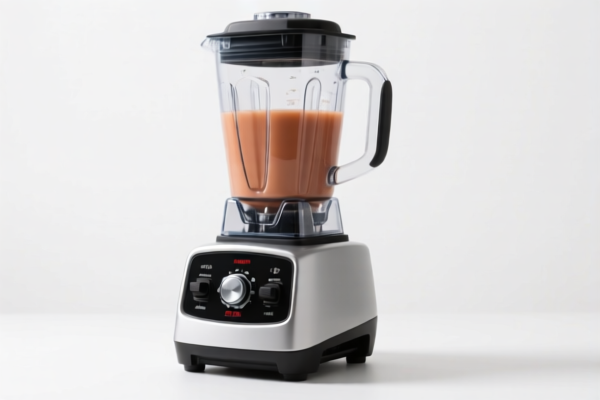
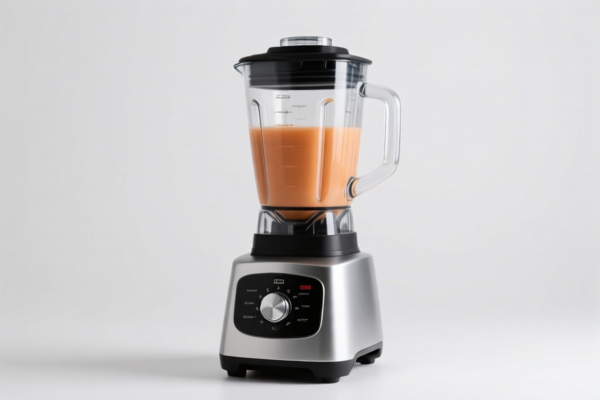


AI Analysis
🍽️ Food Strainer & Kitchenware Classification Guide
🌐 HS Code Reference & Customs Clearance Guide | 2026 Latest Tariff Analysis | Professional Clearance Strategy
📌 I. Product Definition: What is a "Food Strainer"?
In international trade, the term "Food Strainer" is a generic descriptor that covers various items used in food preparation. Depending on the material and specific function, these products fall into different Harmonized System (HS) chapters. Based on the provided data, we analyze two primary categories: Plastic Tableware and Iron/Steel Cookware.
⚠️ Critical Distinction:
- If the strainer is made of Plastic and used as a serving or basic kitchen tool → It is likely Tableware/Kitchenware (Chapter 39).
- If the strainer is made of Iron/Steel and used for Cooking/Baking (e.g., a sieve used in baking pans or oven-safe strainers) → It may be Cast Iron/Bakeware (Chapter 73).
- Note: Common handheld mesh strainers (non-electric, non-ceramic) are most frequently classified under Plastic or Steel Tableware depending on design.
📦 II. HS Code Classification Details (Based on Provided Data)
| HS Code | Product Description | Material | Application Scenario | Tariff Rate (China Origin) |
|---|---|---|---|---|
3924.10.40.00 |
Tableware, kitchenware... of plastics: Tableware and kitchenware: Other | Plastic | Plastic colanders, salad spinners, general plastic kitchen racks | 3.4% |
3924.10.10.00 |
Tableware, kitchenware... of plastics: Salt, pepper, mustard and ketchup dispensers | Plastic | Plastic condiment shakers, spice dispensers | 3.4% |
7323.91.50.20 |
Table, kitchen... of iron or steel: Of cast iron, not enameled: Other Bakeware | Cast Iron | Cast iron sieves, oven-safe baking mats/strainers (not for stove-top) | 5.3% |
7323.94.00.10 |
Table, kitchen... of iron or steel: Enamelled... Cooking and kitchen ware: Of steel: Teakettles | Enamelled Steel | Specifically Teakettles (Note: Standard mesh strainers are NOT teakettles; this code is included for completeness of the dataset) | 50.0% |
🔍 Key Insight for "Food Strainer":
1. Most Common Plastic Strainers: Will likely fall under3924.10.40.00as "Other Tableware/Kitchenware".
2. Enamel-Coated Steel Strainers: If strictly a "kitchen article" and not a teakettle, they might still be scrutinized under Chapter 73. However,7323.94.00.10is explicitly for Teakettles. A standard strainer should NOT be classified here unless it is a specialized kettle with a built-in strainer. Misclassification here leads to the 50% tax.
3. Cast Iron Sieves: If heavy, enameled or non-enameled cast iron items are used for baking/sifting, they fall under7323.91.50.20(5.3%).
💰 III. 2026 Latest Tariff Rate Breakdown
✅ Applicable Market: USA (US)
✅ Origin: China (CN)
✅ Effective Date: Current rates as per provided data
🎯 1. 3924.10.40.00 – Plastic Tableware/Kitchenware (Most Likely for Plastic Strainers)
| Item | Content |
|---|---|
| Base Tariff | 3.4% |
| Additional Tariff (Section 301) | 0.0% (Not listed in the provided data for this specific code) |
| Total Tax | 3.4% |
| Tax Calculation | CIF Value × 3.4% |
| De Minimis Eligibility | ✅ Likely Yes (For shipments under $800, though plastic items are sometimes scrutinized for IP violations) |
| Legal Basis | HTSUS 3924.10.40.00 |
📌 Explanation:
- Plastic kitchenware generally enjoys lower base tariffs.
- The provided data shows no additional 25% or 10% tariff for this specific HS code. This is significantly more favorable than electronics or steel cookware.
- Risk: Ensure the plastic is food-safe (FDA compliant) to avoid regulatory delays, though this does not affect the tariff rate directly.
🎯 2. 3924.10.10.00 – Plastic Dispensers (If it's a Spice Jar)
| Item | Content |
|---|---|
| Base Tariff | 3.4% |
| Additional Tariff | 0.0% |
| Total Tax | 3.4% |
| Tax Calculation | CIF Value × 3.4% |
| De Minimis Eligibility | ✅ Likely Yes |
📌 Note: If your "strainer" is actually a shaker for salt/pepper, use this code. Same rate as general plastic kitchenware.
🎯 3. 7323.91.50.20 – Cast Iron Bakeware (If it's a Cast Iron Sieve)
| Item | Content |
|---|---|
| Base Tariff | 5.3% |
| Additional Tariff | 0.0% |
| Total Tax | 5.3% |
| Tax Calculation | CIF Value × 5.3% |
| De Minimis Eligibility | ❓ Check (Heavy items may have different thresholds) |
📌 Explanation:
- Cast iron items are heavier and often treated as bakeware.
- The rate is slightly higher than plastic but still very competitive.
- Critical: Do not confuse "Cast Iron Bakeware" with "Stovetop Cookware". If it’s for the oven, this code fits.
🎯 4. 7323.94.00.10 – Enamelled Steel Teakettles (⚠️ HIGH RISK CODE)
| Item | Content |
|---|---|
| Base Tariff | 0.0% |
| Additional Tariff (Steel/Aluminum/Copper) | 50.0% |
| Total Tax | 50.0% |
| Tax Calculation | CIF Value × 50% |
| De Minimis Eligibility | ❌ No |
📌 Warning:
- This code is explicitly for Teakettles.
- Do NOT classify a standard food strainer here.
- If customs officers determine it is a "kitchen article" of steel, they may attempt to classify it under general steel cookware, which could trigger the 50% steel/aluminum tariff.
- Strategy: If you are exporting a steel strainer, ensure it is clearly described as a "Strainer" or "Sieve" under Chapter 73 (Other Articles of Iron/Steel) rather than cookware, to avoid the 50% penalty if a more appropriate lower-rate code exists. However, based on the provided data, the only other steel option is Cast Iron (5.3%). If your steel strainer is not cast iron and not a teakettle, there is no specific lower-rate code listed in the provided data for standard steel mesh strainers. This is a classification gap that requires professional advice.
🛠️ IV. Customs Clearance Practical Advice
✅ 1. Documentation Checklist
| Document | Required? | Notes |
|---|---|---|
| Product Photos | ✅ Yes | Show the item clearly: Handle, mesh type, material texture. |
| Material Declaration | ✅ Yes | Must state: "100% Food-Grade Plastic PP" OR "Cast Iron" OR "Stainless Steel". |
| FDA Compliance Certificate | ✅ Yes | For all plastic/food-contact items. Essential for smooth clearance. |
| Commercial Invoice | ✅ Yes | Describe as: "Plastic Food Strainer/Colander, Model XYZ" or "Cast Iron Baking Sieve". |
| Packing List | ✅ Yes | Weight and dimensions (heavy cast iron affects shipping cost). |
✅ 2. Classification Strategy (Avoiding the 50% Trap)
🔥 "Know Your Material, Know Your Function!"
| Scenario | Recommended HS Code | Reason |
|---|---|---|
| Plastic Colander/Strainer | 3924.10.40.00 |
Fits "Tableware and Kitchenware" of plastic. Low tax (3.4%). |
| Plastic Spice Shaker | 3924.10.10.00 |
Fits "Dispensers". Low tax (3.4%). |
| Heavy Cast Iron Sieve | 7323.91.50.20 |
Fits "Bakeware". Moderate tax (5.3%). |
| Steel Mesh Strainer (Non-Cast Iron) | ⚠️ Consult Expert | Not explicitly covered in low-tax brackets in provided data. Risk of being classified as general steel cookware → 50% tax. Suggest using 3924.10.40.00 if it has plastic components, or finding a specific HTS for "Steel Sieves" if available outside this dataset. |
✅ 3. Common Mistakes to Avoid
❌ Mistake 1: Labeling a Steel Strainer as "Plastic"
👉 Consequence: Seizure for false declaration, fines, and potential 50%+ tax if reclassified as steel.
❌ Mistake 2: Classifying a Steel Strainer as a "Teakettle" (7323.94.00.10)
👉 Consequence: Even if the base tax is 0%, the 50% additional tariff applies. This is a massive cost increase.
❌ Mistake 3: Using "Other" too broadly for Plastic Items
👉 Consequence: If it’s a condiment dispenser, it should be 3924.10.10.00. While the rate is the same (3.4%), accurate description helps customs officers verify quickly, reducing detention time.
🌍 V. Global Market Comparison (2026)
| Country | Recommended HS Code (Plastic) | Tariff | Notes |
|---|---|---|---|
| 🇺🇸 USA | 3924.10.40.00 |
3.4% | Very favorable. No 301 tariff for this code in provided data. |
| 🇨🇳 China | 3924.10.40.00 |
~5-10% | Import tax may vary; check local customs. |
| 🇪🇺 EU | 3924.10 |
~4-6% | VAT varies by country (19-27%). |
| 🇬🇧 UK | 3924.10 |
~4-6% | Post-Brexit tariffs may apply. |
📌 Conclusion for US Market:
- Plastic Strainers are the most cost-effective option for export to the US from China, with a low 3.4% tariff.
- Steel Strainers are high-risk due to potential 50% steel tariffs if misclassified.
- Cast Iron is a safe middle ground at 5.3%.
📌 VI. Final Tips for Smooth Clearance
- Be Specific in Description:
- Use: "Plastic Food Strainer, 10-inch, BPA-Free, Model ABC"
-
Avoid: "Kitchen Tool" or "Plastic Item"
-
Highlight Material:
-
Clearly state "Polypropylene (PP)" or "Cast Iron" in the commercial invoice.
-
Pre-empt 50% Tariff:
-
If your strainer is steel, consider if it can be marketed as having a plastic handle/frame. If >50% of the value/character is plastic, you might argue for the 3.4% plastic classification (
3924.10.40.00). Consult a customs broker for this strategy. -
FDA Compliance:
- Ensure your plastic strainer meets FDA 21 CFR standards for food contact surfaces. Attach the compliance statement to the commercial invoice.
🎯 Conclusion: Choose the Right Code, Save the Money!
🎯 Key Takeaway:
🔹 Plastic Strainer → Go for
3924.10.40.00→ 3.4% Tax → Best Value!
🔹 Cast Iron Sieve → Go for7323.91.50.20→ 5.3% Tax → Good Value!
🔹 Steel Strainer → ⚠️ High Risk of 50% Tax if misclassified. Avoid or seek specialized classification.
📣 Action Required:
📞 Contact a Customs Broker if you are exporting steel strainers to determine the correct HS code that avoids the 50% steel tariff.
🚀 For Plastic Strainers, you are safe with 3.4%. Start shipping with confidence!
✨ Professional Clearance Starts with Accurate Classification!
💼 Every Dollar Saved in Tariffs is a Dollar Added to Your Profit!
Customer Reviews
About HS Code Classification
The Harmonized System (HS) is an internationally standardized nomenclature developed by the World Customs Organization (WCO) to classify traded products. Over 200 countries use the HS system as the basis for customs tariffs, trade statistics, and import/export regulations.
Each HS code follows a hierarchical structure:
- Chapter (2 digits) — Broad category of goods (e.g., Chapter 84: Machinery and Mechanical Appliances)
- Heading (4 digits) — More specific grouping within the chapter
- Subheading (6 digits) — Internationally standardized breakdown, used by all WCO member countries
- National subdivisions (8-10 digits) — Country-specific extensions for further classification, such as US HTSUS 10-digit codes
Correct HS code classification is essential for smooth customs clearance, accurate duty payment, and compliance with trade regulations. Misclassification can lead to customs delays, overpayment of duties, or penalties.
When importing from CN to US, the applicable tariff rates may include:
- Most-Favored-Nation (MFN) rate — The standard duty rate applied to WTO members
- General rate — Applied to countries without trade agreements
- Trade remedy duties — Additional tariffs such as Section 301 (anti-dumping), Section 232 (national security), or countervailing duties
The information provided on this page is for reference purposes only. For official classification, please consult with your local customs authority or a licensed customs broker.